Direct supply-chain access to certified food-grade packaging and integrated sealing systems.
How strict structural compliance, polymer purity, and distribution economics shape modern beverage packaging.
The global demand for high-clarity packaging has shifted fundamentally away from traditional polystyrene (PS) toward Polyethylene Terephthalate (PET), driven by aggressive environmental mandates, consumer expectations for brand premiumization, and strict food safety guidelines. Globally, the food service and packaging sectors handle billions of metric tons of raw polymeric materials annually. In this high-velocity commercial landscape, sourcing partners require more than a basic vendor relationship; they require absolute control over thermoforming tolerances, material traceability, and cross-border shipping reliability.
Modern clear plastic disposable cups are no longer simple commodity items. They represent complex engineering solutions designed to withstand high stress during high-speed automated filling lines, maintain structural integrity when stacked, and provide premium barrier protection to maintain carbonation and product freshness. From bubble tea franchises in North America to cold-press juice manufacturers in Western Europe, the demand for transparent, crack-resistant, and 100% recyclable cups is rising steadily.
FDA-Grade Virgin PET
Dimensional Variance
Certified Facilities
Countries Exported
As the circular economy transitions from a optional goal to a regulatory mandate, wholesale factories are investing heavily in processing Post-Consumer Recycled PET (rPET). Major global brands are committing to packaging that contains at least 30% to 50% recycled content by 2030. Sourcing from factories that utilize advanced decontamination processes is essential to ensure rPET cups match the clarity, tensile strength, and food-grade compliance of virgin polymers. Advanced co-extrusion technology allows for multi-layer cup walls where recycled materials are encapsulated between thin layers of virgin PET, preserving both food contact safety and structural integrity.
Engineered for sealing integrity, clarity, and rapid assembly line compatibility.
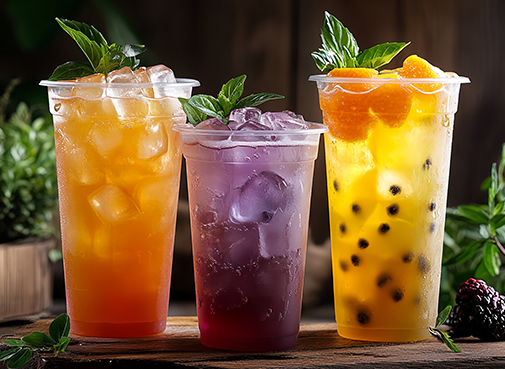
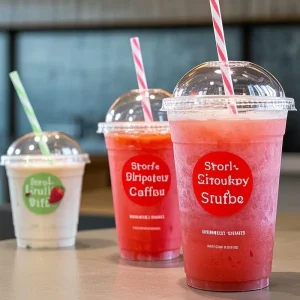
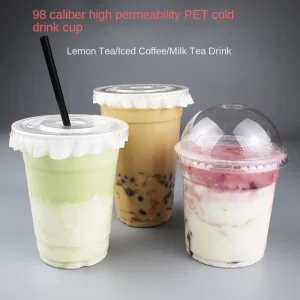
From 1oz sampling cups to 32oz heavy-duty cups. Available with flat, dome, or strawless lids designed for leak-proof operations.
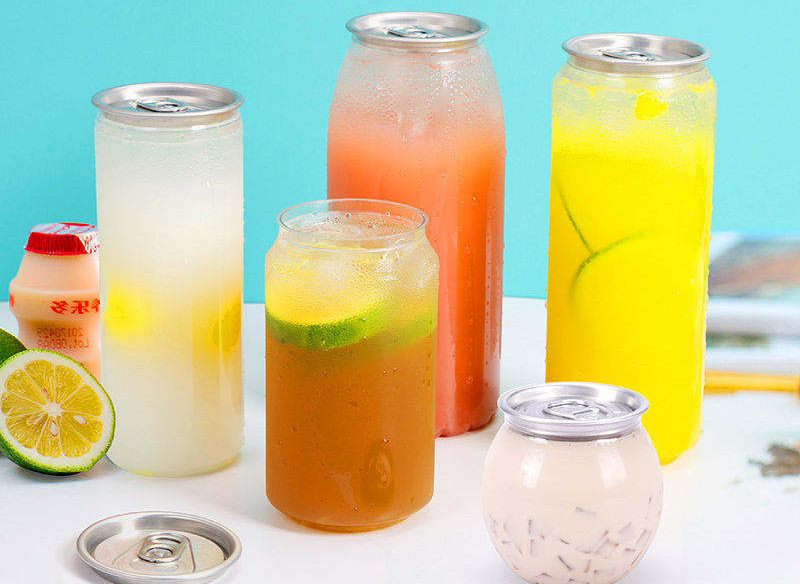
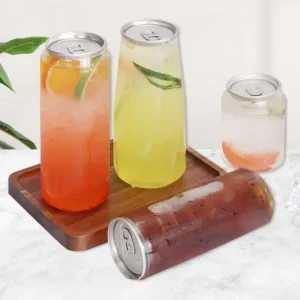
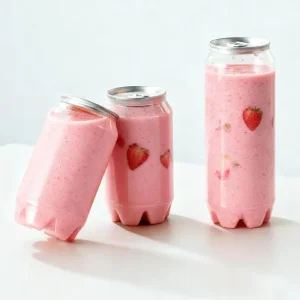
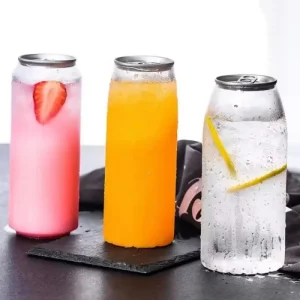
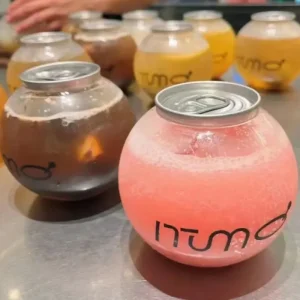
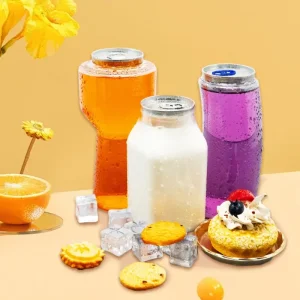
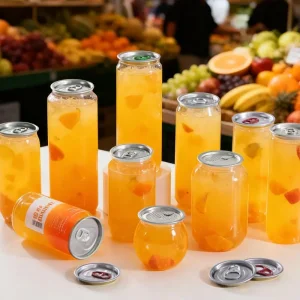
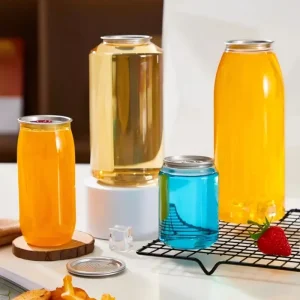
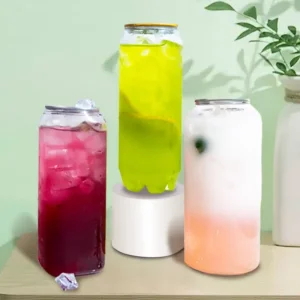
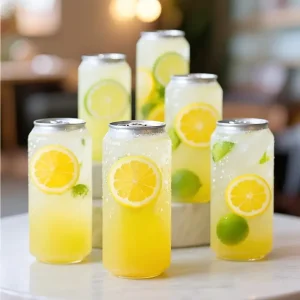
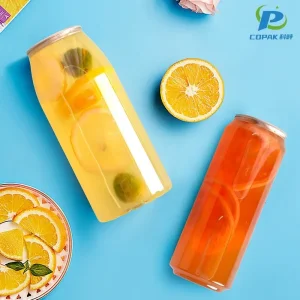
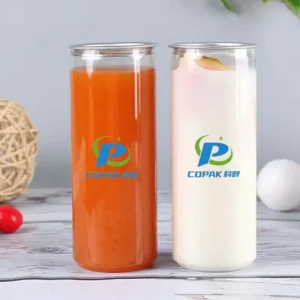
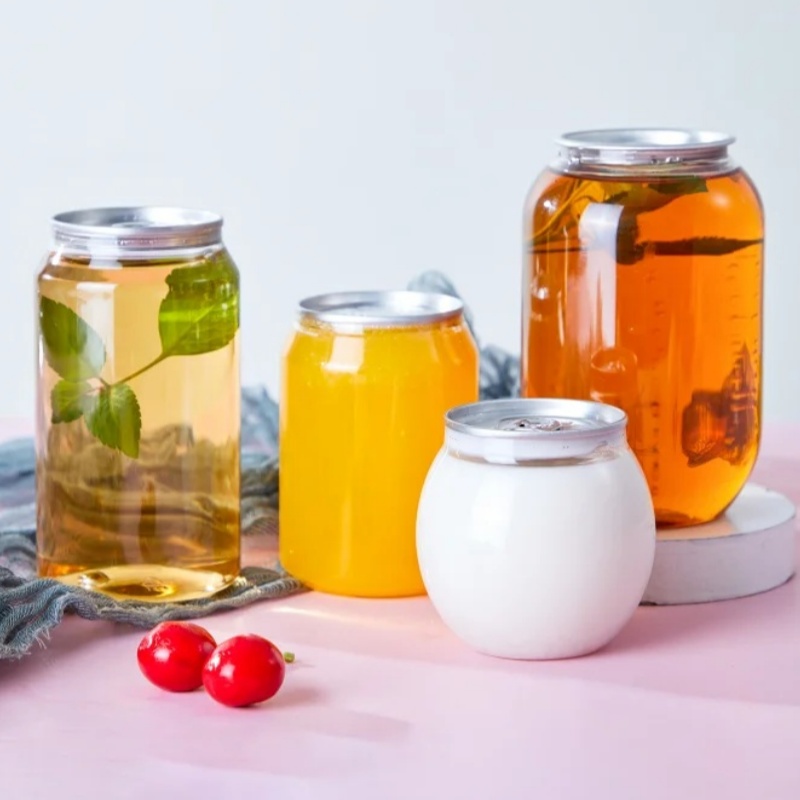
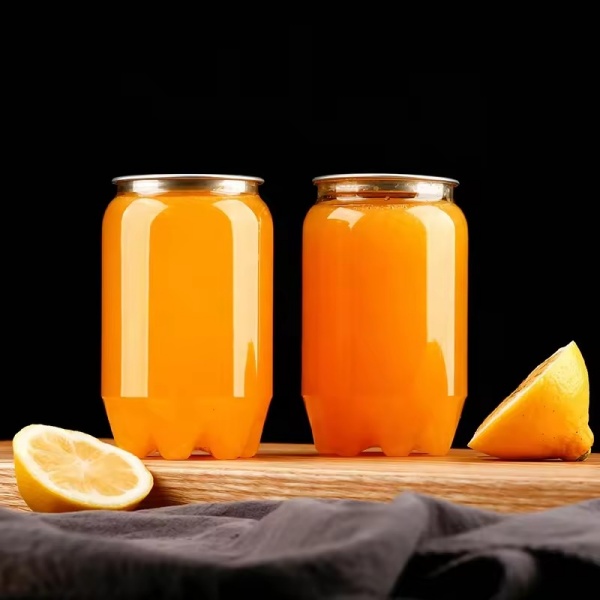
Innovative packaging featuring easy-open aluminum lids, ideal for carbonated beverages, cold brew, and juice preservation.
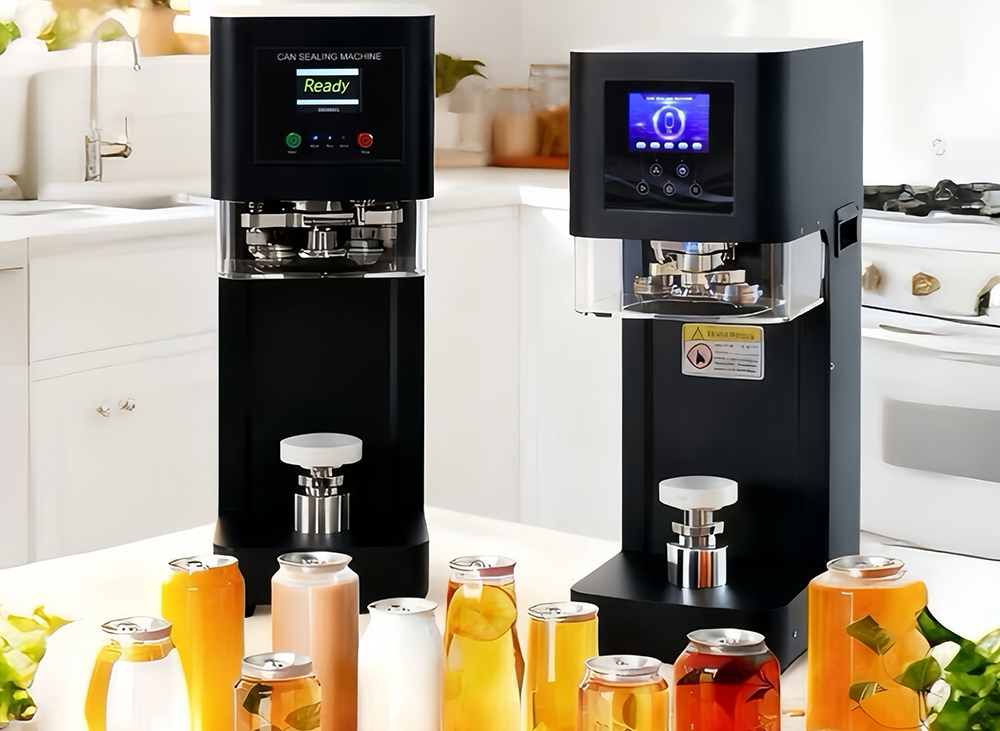
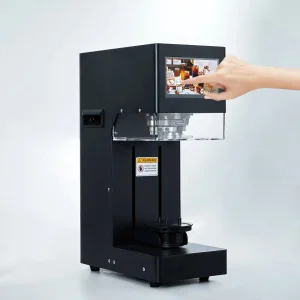
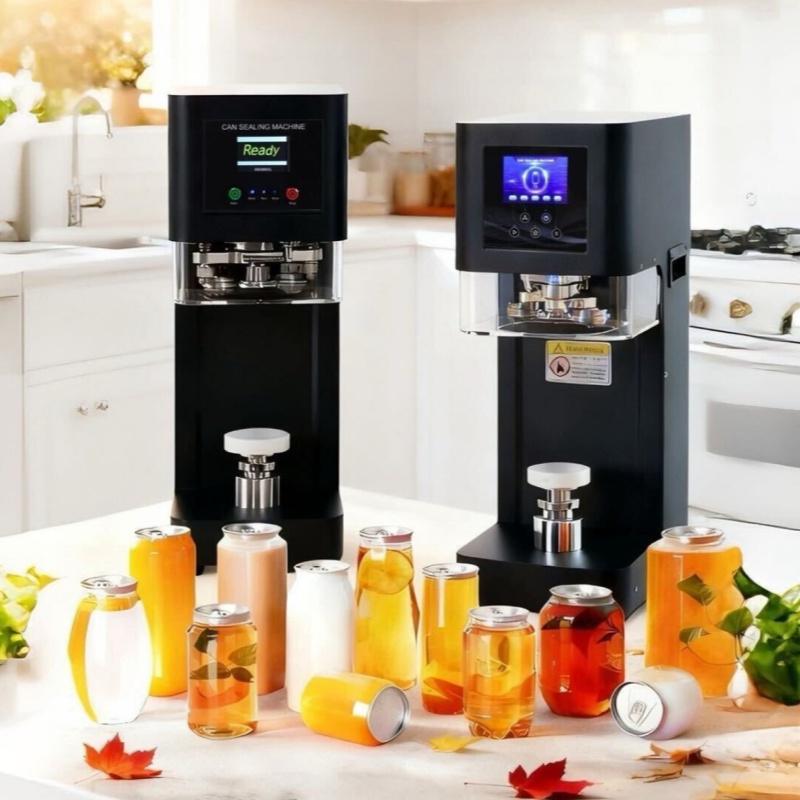
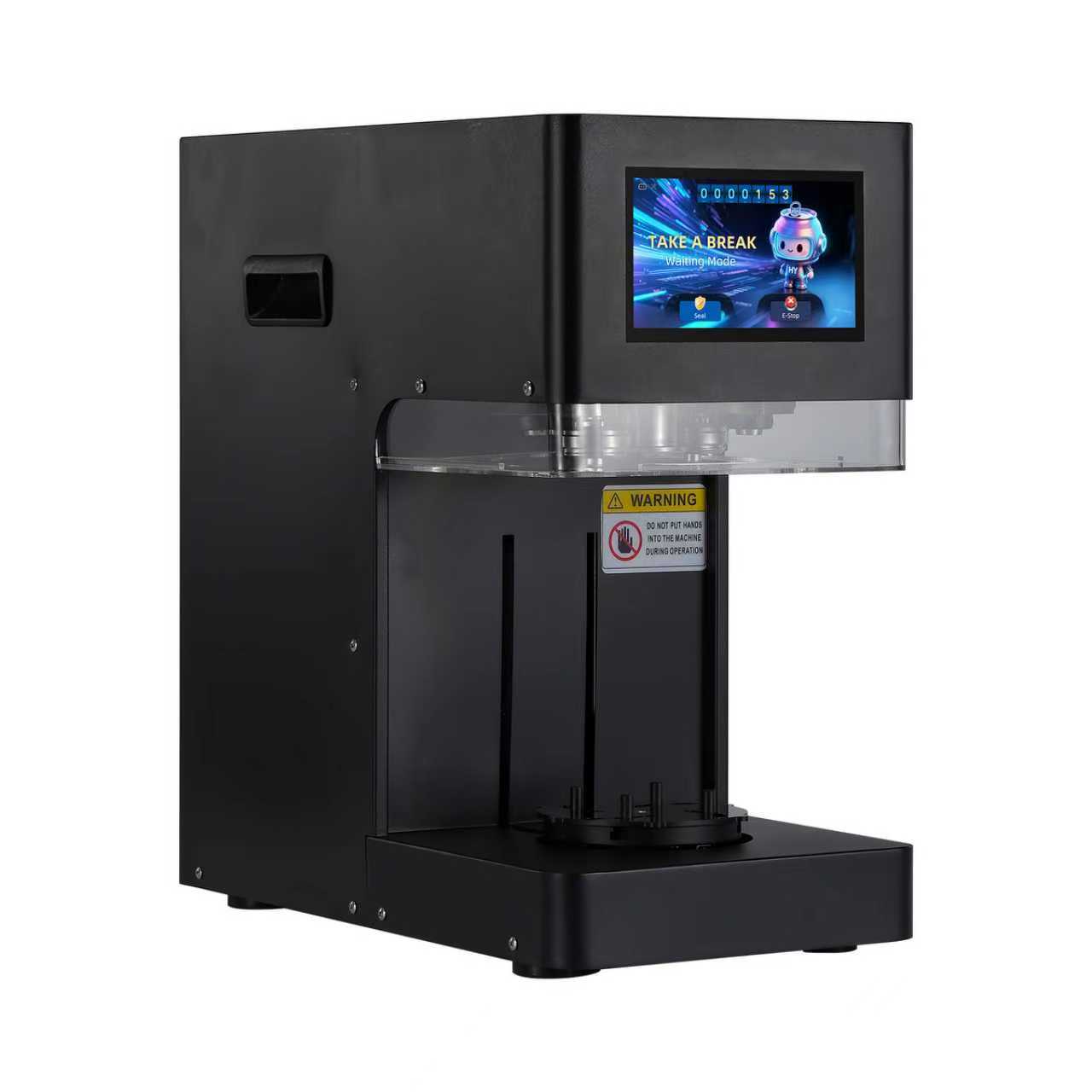
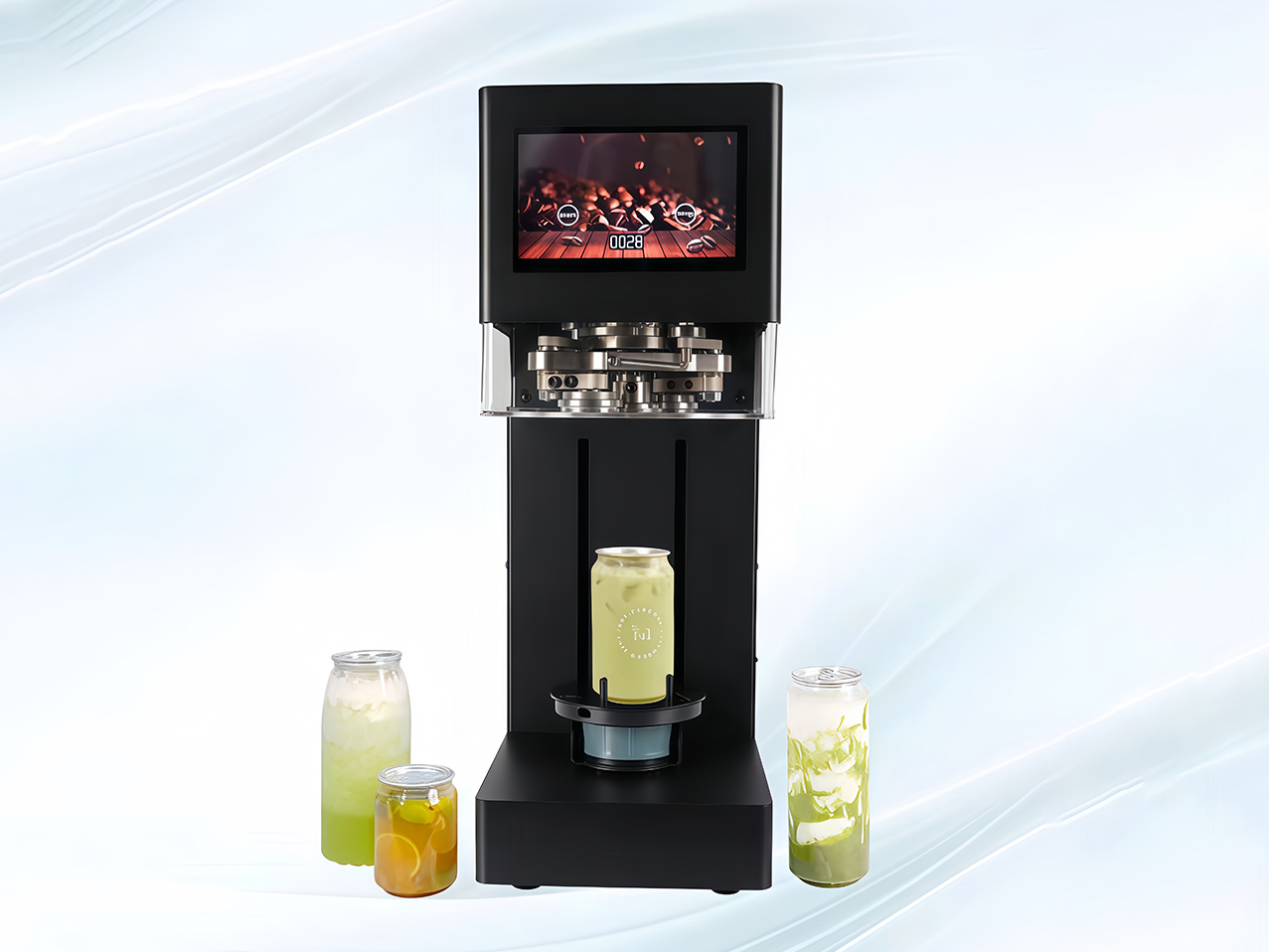
A complete hardware ecosystem offering automatic and semi-automatic touch-screen sealing to streamline onsite assembly lines.
Addressing the complex demands of supply chain directors and corporate buyers.
For global procurement managers, the safety profile of clear plastic cups is a key brand protection concern. High-quality PET factories must provide certification confirming compliance with FDA Regulation 21 CFR 177.1630, European Commission Regulation (EU) No 10/2011, and local LFGB requirements. This ensures the packaging contains no Bisphenol-A (BPA), phthalates, or harmful heavy metal stabilizers. Factories must run regular gas chromatography-mass spectrometry (GC-MS) testing to verify that volatile organic compounds (VOCs) and chemical migration limits remain safely below international standard thresholds.
The modern Chinese thermoforming industry has evolved from low-cost assembly lines to automated Smart Factories (Industry 4.0). Leading facilities utilize centralized ERP material tracking, closed-loop inline trim recycling systems, and computer vision defect scanners that inspect every cup for micro-cracks and cosmetic imperfections at speeds exceeding 1,000 pieces per minute. By housing design, extrusion, thermoforming, printing, and automated packaging under one roof, these integrated operations reduce supply chain steps and eliminate middleman costs.
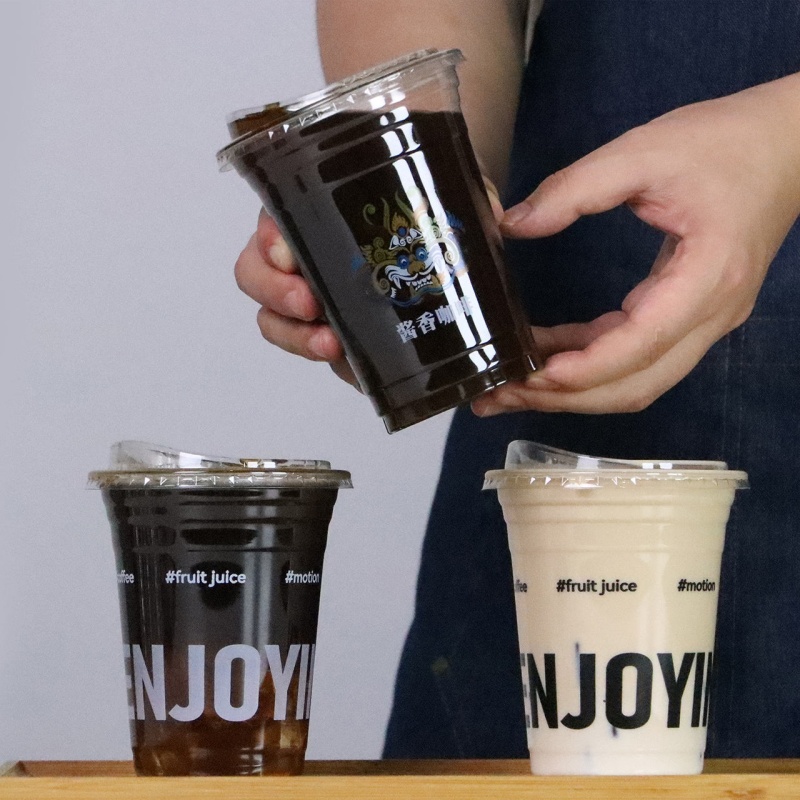
Furthermore, customized printing services have advanced significantly. The integration of high-speed ultraviolet (UV) dry offset printing allows factories to print complex brand logos in up to nine distinct colors with precise registration. This process yields vivid graphics that resist scratching, peeling, and condensation fade—an essential feature for premium branding in quick-service restaurants and global retail chains.
Shipping empty plastic cups involves transport of volume rather than weight, which can make shipping rates a significant part of overall unit costs. Sourcing hubs located close to major shipping channels, such as Shanghai or Guangzhou, offer clear freight advantages. High-density nesting designs are critical; shrinking the nesting distance by even 1mm can increase container capacity by up to 15%, reducing ocean freight costs per unit and lowering carbon footprints during international transit.
"Committed to staying ahead of market trends through continuous innovation, COPAK delivers high-quality yet cost-effective packaging solutions."
Established in 2021, Shanghai COPAK Industry Co., Ltd. maintains a sales office in Shanghai and an associated factory in Guangdong Province. As a professional supplier of eco-friendly food and beverage packaging solutions, our product portfolio includes PET cups, PET cans, and sealing machines, among other related items.
Our product range covers PET cups and cans in diverse shapes and capacities—from 1oz to 32oz—available in both plain finishes and custom printed designs. As a long-term strategic partner and trusted supplier, we dedicate ourselves to designing and manufacturing reliable, premium-quality, and stylish PET cups and cans for our clients.
We provide customers with green Eco-friendly high-quality products.
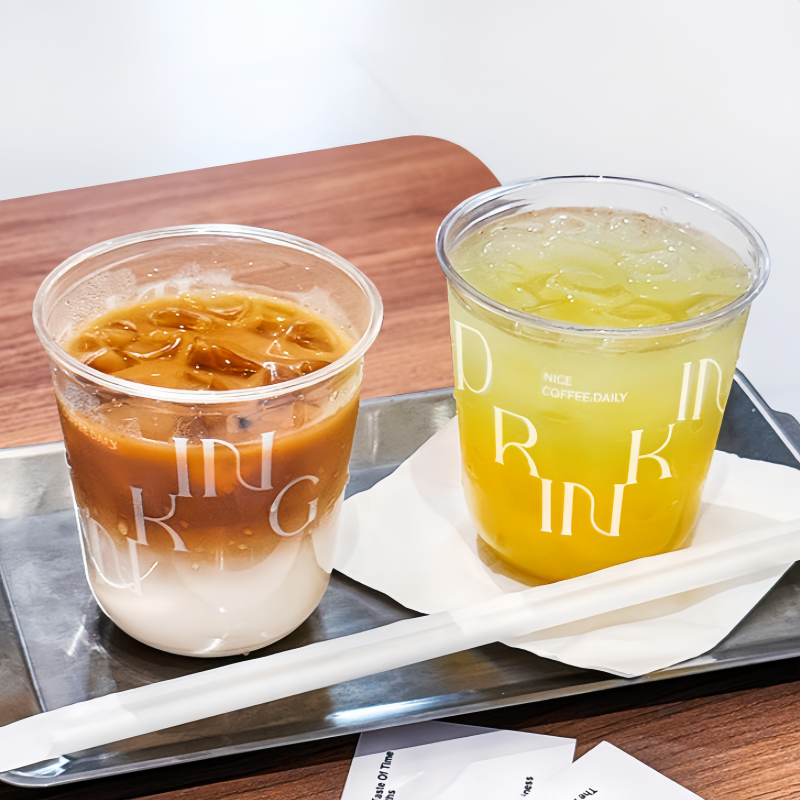
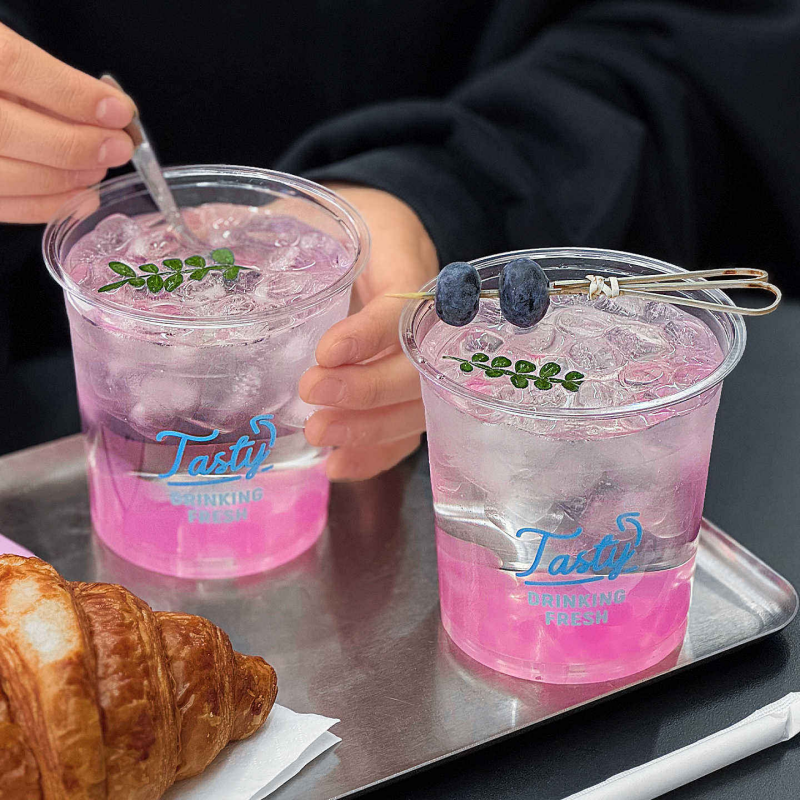
Tailored packaging solutions matching distinct local operational environments and regulatory frameworks.
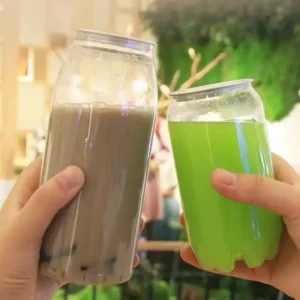
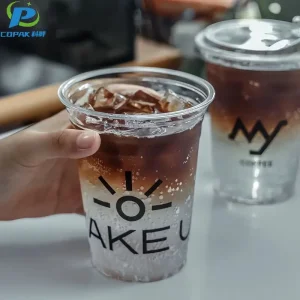
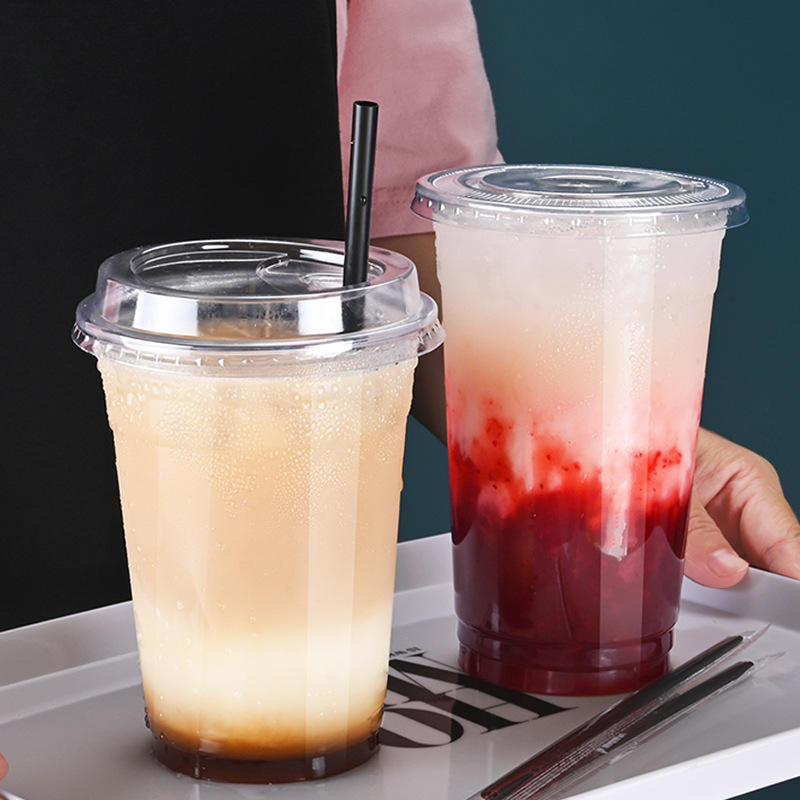
In the North American market, visual presentation is key. Drink shops rely on high-clarity PET cups to showcase colorful layering, fresh fruit inclusions, and boba toppings. Sourcing managers seek thick-walled cups (often 12oz, 16oz, or 24oz with 98mm diameters) that resist bending under firm grips, preventing spills. These are typically paired with dome lids or automated heat-sealable films to ensure safe transport for third-party food delivery services.
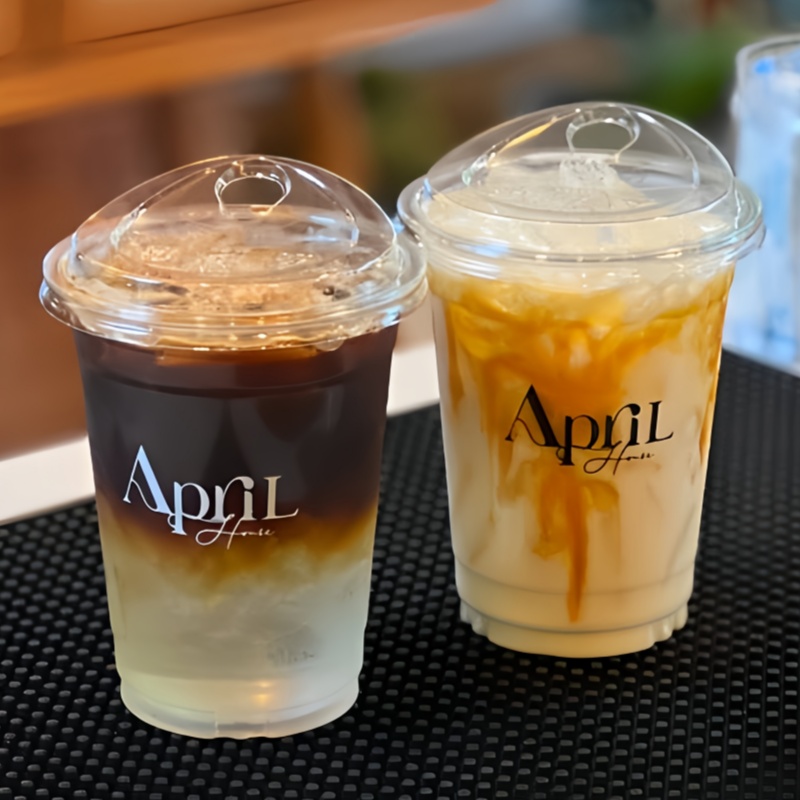
European Union directives place a strong emphasis on recyclability and waste reduction. Buyers look for cups containing at least 30% recycled content (rPET) that display the standardized EU "Plastic in Product" warning symbol. These markets also favor cups with flat lids designed with secure closure systems to prevent leaks, supporting a circular economy while meeting strict local packaging guidelines.
For airline procurement teams, weight efficiency and secure stackability are major priorities. 9oz and 10oz clear PET cups are widely preferred for their compact nesting design, which maximizes cart space. Sourcing managers require highly flexible plastics that resist cracking under pressure, preventing spills during flight service while ensuring quick cleanup and easy recycling at airport hubs.
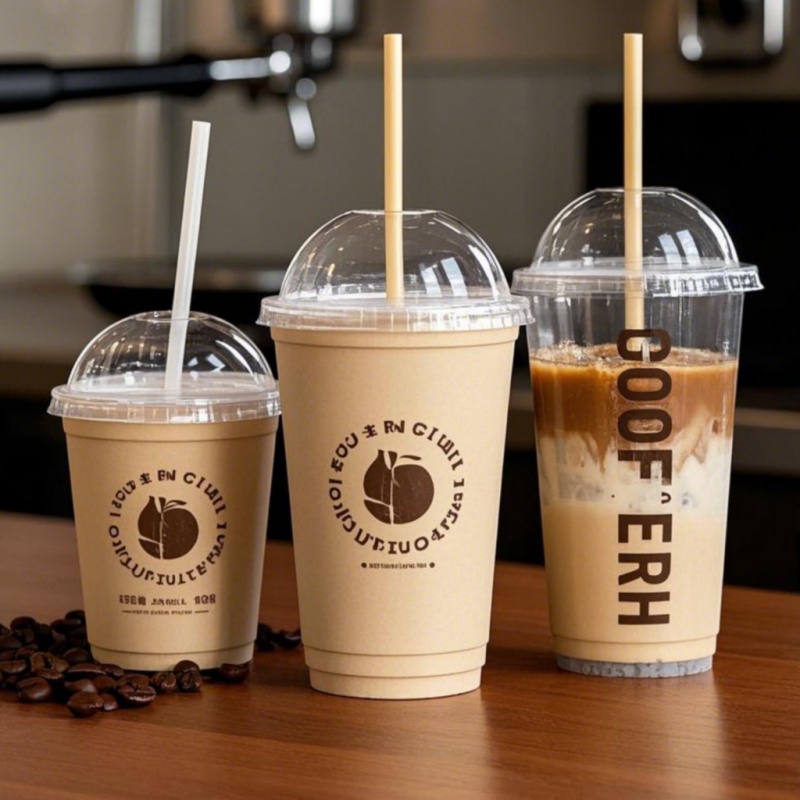
Modern co-working spaces and high-traffic corporate offices focus heavily on sustainable branding. Custom-printed 12oz PET cups bearing corporate logos enhance professional settings. Sourcing managers prioritize reliable supply lines, compact storage options, and eco-friendly manufacturing credentials to align with corporate social responsibility (CSR) initiatives.
Addressing the complex engineering and logistics questions from professional supply chain managers.
PET (Polyethylene Terephthalate) offers superior optical clarity, high tensile strength, and excellent gas barrier properties, making it the industry standard for cold drinks. It is also 100% recyclable. PP (Polypropylene) is more flexible and heat-resistant, but has a cloudy appearance, making it less suitable when product visibility is a priority. PLA (Polylactic Acid) is a bio-based material that requires industrial composting facilities to break down. Choosing the right material depends on your local recycling infrastructure and whether you need heat resistance or premium clarity.
Our manufacturing partner facilities run under cleanroom standards and are fully certified to ISO 9001 and food safety regulations. Every batch of virgin PET resin is traced back to the chemical supplier, with regular testing for overall migration limits (OML) and specific migration limits (SML) to confirm zero toxicity, ensuring compliance with FDA, LFGB, and EU standards.
We provide high-precision UV dry offset printing in up to 9 colors. Sourcing buyers can submit vector designs (.AI or .PDF formats) to our design department. We calibrate the print plates to compensate for cup curvature, ensuring sharp details, accurate colors, and excellent adhesion that resists scratching and moisture buildup.
PET cups are designed for cold or room-temperature beverages, with a maximum temperature limit of approximately 60°C (140°F). Exceeding this temperature can cause the polymer structure to deform and lose its shape. For hot beverage applications, PP cups or paper cups with heat-resistant linings are recommended.
Our molds are engineered with tight nesting tolerances to stack as closely as possible. This high stacking density allows us to pack more pieces per carton, maximizing container utilization. For large orders, this design optimization can reduce ocean freight costs by 10% to 15% per unit, helping to lower carbon emissions during transport.
Yes, we offer integrated packaging solutions, supplying both PET cans with aluminum lids and automatic seaming equipment. Our smart touch-screen sealing machines are calibrated to our cans' exact rim dimensions, creating a hermetic seal that prevents leaks and preserves carbonation.
Insights from COPAK's engineering and product research teams.
Explore our highly transparent PET cans and custom cold cup solutions.