How to Choose the Right Sealing Machine for Your PET Cans
Investing in PET can packaging is a fantastic way to elevate your brand, whether you are selling craft beverages, bubble tea, or packaged snacks. However, the most beautiful can is useless without a secure seal. Choosing the right can seamer (sealing machine) is critical for production efficiency, product safety, and cost management.
With so many options on the market—from manual tabletop sealers to fully automatic industrial lines—how do you decide? Here is a comprehensive guide to help you find the perfect match for your business.
1. Understand Your Production Volume (Output)
The first question to ask yourself is: How many cans do I need to seal per minute?
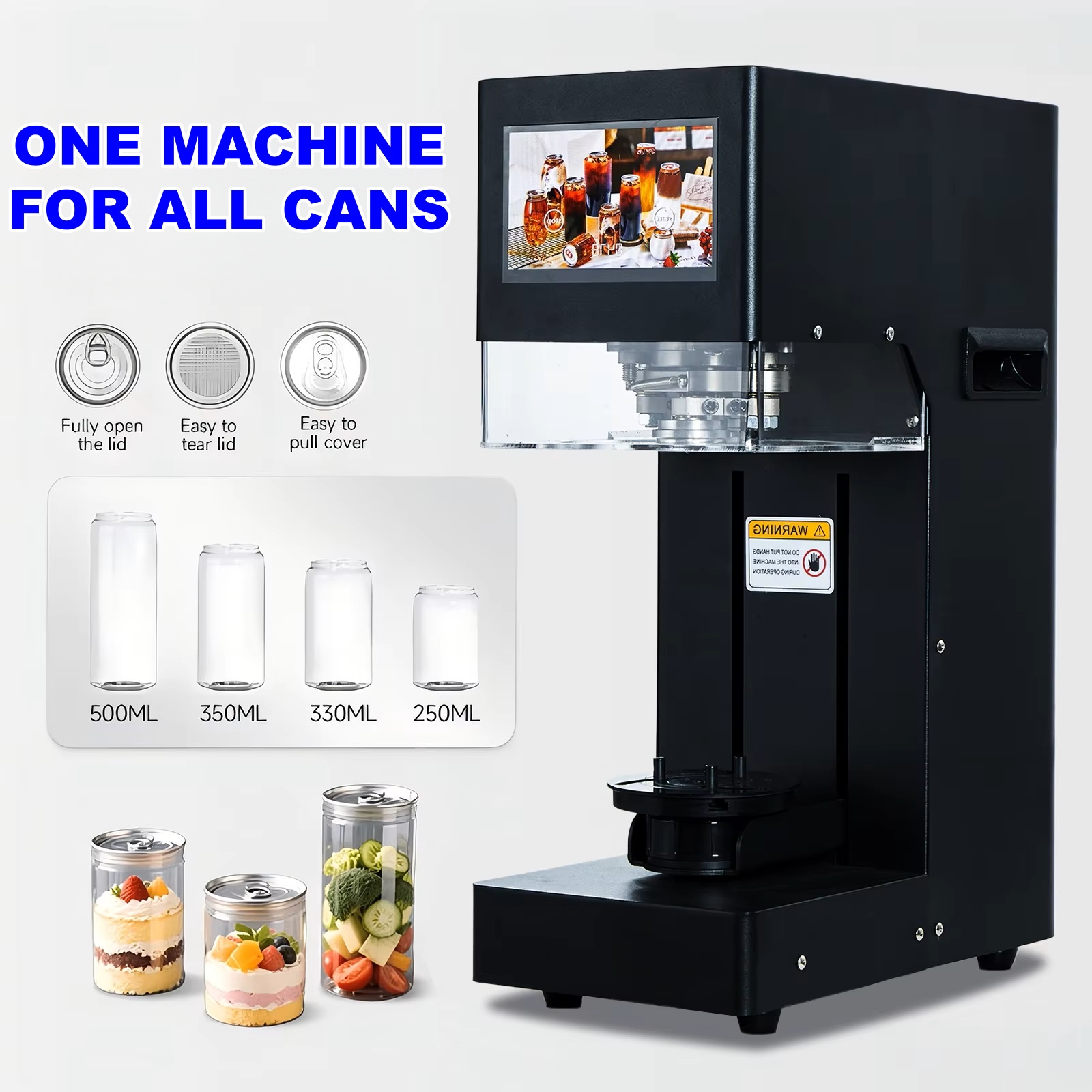
Low Volume (Startups & Cafés): If you are running a bubble tea shop or a small home-based business sealing 100–500 cans a day, a Manual or Semi-Automatic Tabletop Seamer is ideal. These are compact, affordable, and typically seal 10–15 cans per minute.
Medium Volume (Small Breweries & Bakeries): For businesses producing 1,000–5,000 cans daily, look for an Automatic Single-Head Seamer. These machines handle the lifting and sealing process automatically, ensuring consistency and reducing operator fatigue.
High Volume (Beverage Factories): If you are filling thousands of cans per hour, you need a Rotary High-Speed Sealing Line. These multi-head machines integrate seamlessly with filling and labeling conveyors.
2. Match the Chuck to Your Lid Size
This is the most common mistake buyers make. Sealing machines are not "one size fits all." The seaming chuck (the part that holds the lid) must perfectly match the diameter of your can's lid.
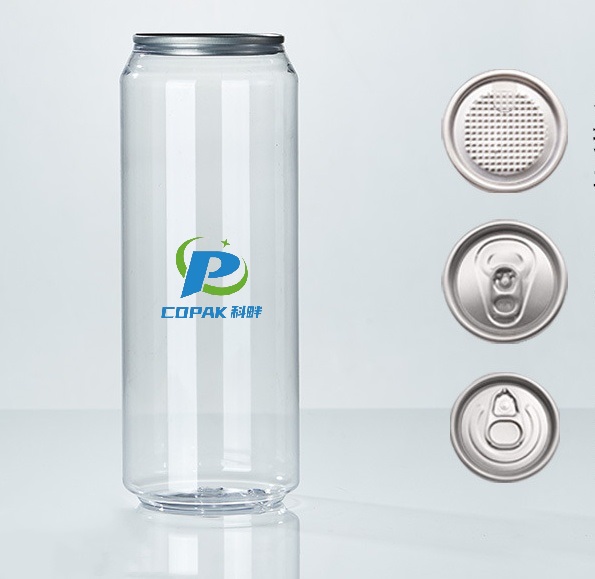
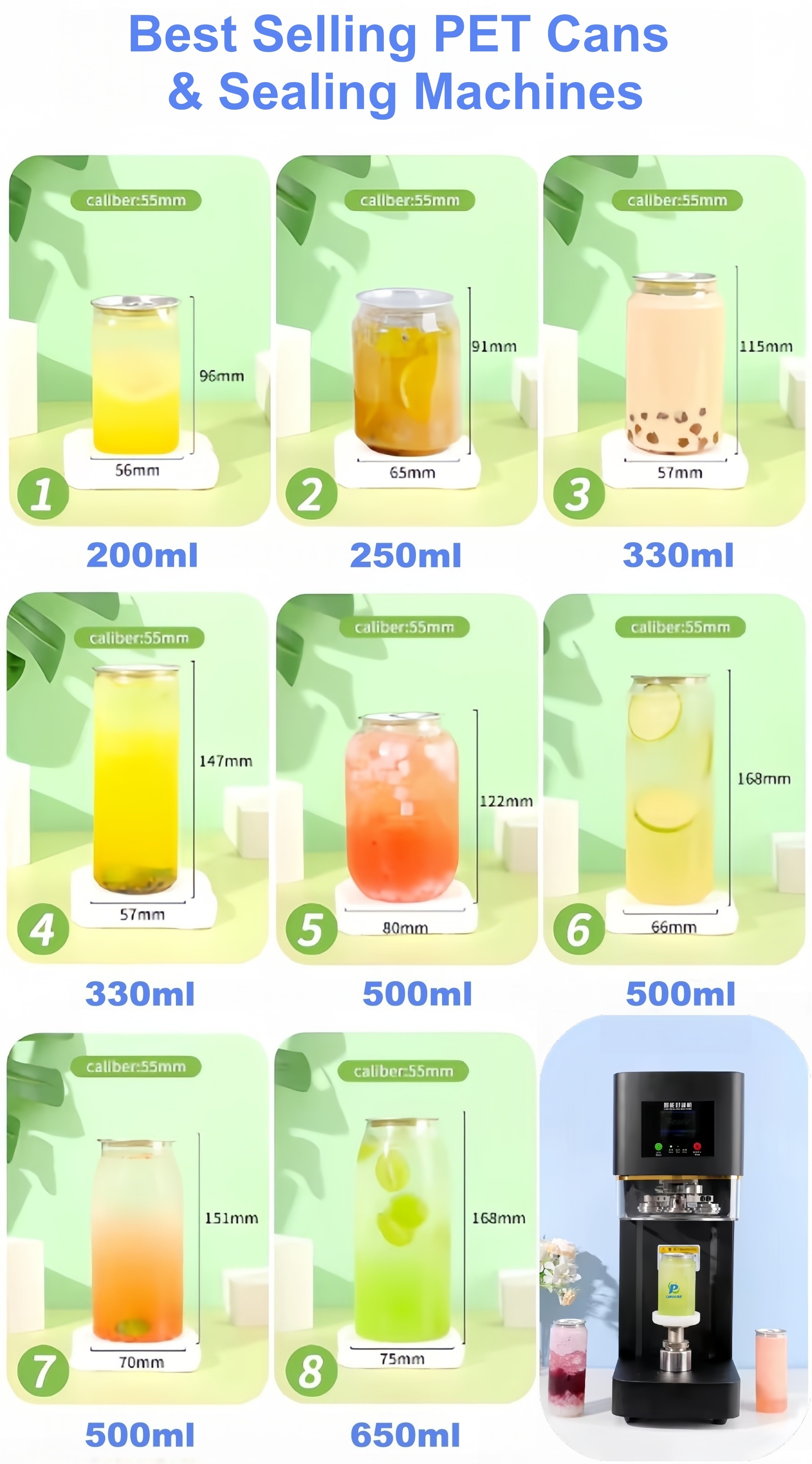
Standard Size: Most PET cans use 202# (52mm approx.) diameter lids, including SOT (Stay-On Tab), EPE (Easy Peel), and FA (Full Aperture) lids. Ensure your machine is calibrated for the 202# standard.
Adjustability: If you plan to use different can diameters (e.g., a wide-mouth jar vs. a standard soda can), look for a machine with interchangeable tooling. However, be aware that changing tooling takes time.
3. Consider the Can Height
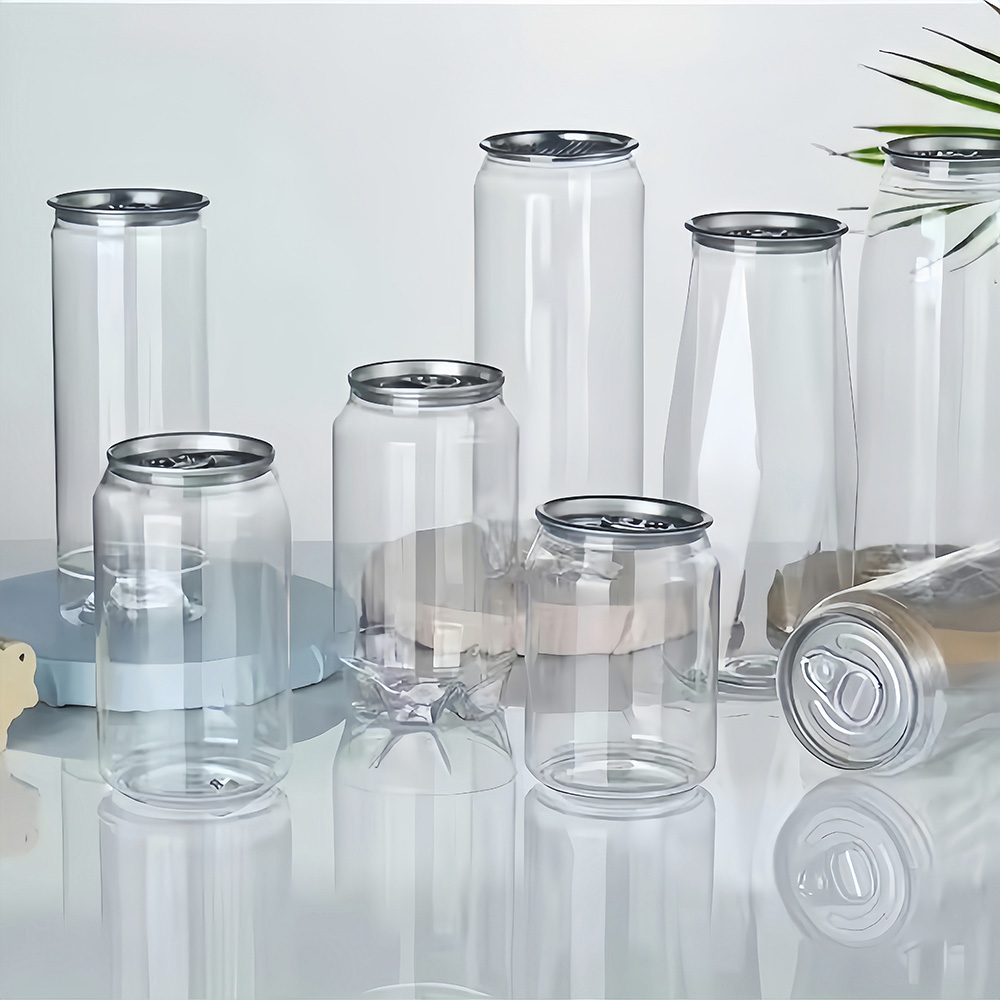
While the lid diameter is fixed, PET cans come in various heights (e.g., 250ml short cans vs. 500ml tall cans). Most semi-automatic machines have an adjustable base that can be raised or lowered. Before purchasing, check the maximum and minimum height specifications of the machine to ensure it covers your entire product range.
4. Non-Rotation vs. Rotation Seaming
For PET cans, the sealing method matters significantly.
Rotation Seamers: The can spins while the roller seals it. This is standard for aluminum beer cans but can be risky for liquids in PET cans, as the centrifugal force might spill the drink.
Non-Rotation Seamers (Recommended for PET): The can remains stationary while the seaming rollers spin around it. This is the best choice for PET cans, especially for beverages like bubble tea or iced coffee, as it prevents spillage and protects the can body from scratching.
5. Material Compatibility
PET plastic is softer than aluminum. If a machine is set up with too much pressure (typically for metal cans), it might crush the PET can neck or cause a faulty seal. Always inform your machine supplier that you are sealing PET plastic cans with aluminum lids, so they can adjust the roller pressure accordingly.
Frequently Asked Questions
Q1: Can one sealing machine handle different sizes of PET cans?Most machines can handle different heights by adjusting the base tray. However, if the lid diameter changes, you will need to replace the seaming chuck and rollers.
Q2: Why is non-rotation better for beverage sealing?Non-rotation keeps the can still, preventing the liquid inside from splashing out due to centrifugal force, which is essential for drinks like coffee and tea.
Q3: How many cans can a semi-automatic machine seal per hour?On average, a semi-automatic machine can seal between 600 to 900 cans per hour, depending on the operator's speed.
Q4: Do I need special training to operate these machines?Manual and semi-automatic tabletop machines are very user-friendly and usually require only a few minutes of instruction to operate safely.
Q5: Is it possible to seal both plastic and aluminum lids on the same machine?Yes, but the rollers must be adjusted for the specific thickness and hardness of the lid material to ensure a perfect airtight seal.
Q6: What maintenance does a PET can seamer require?Regular cleaning of the sealing rollers and lubrication of moving parts are required to maintain consistency and prevent wear.