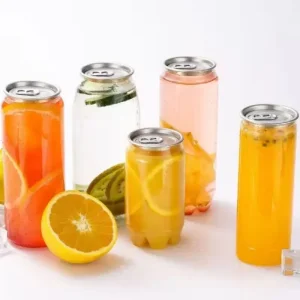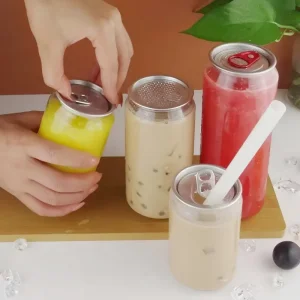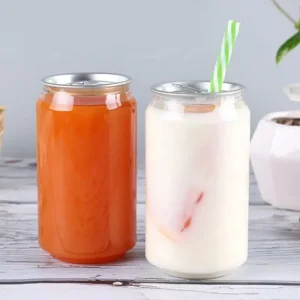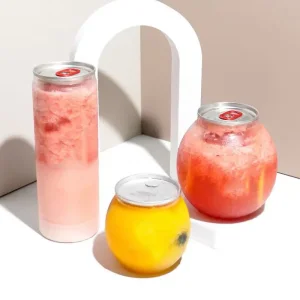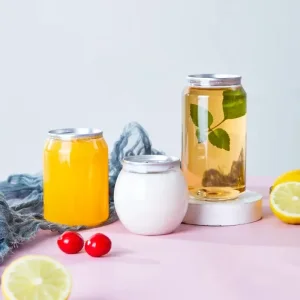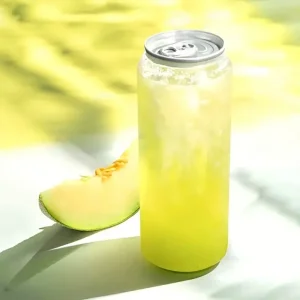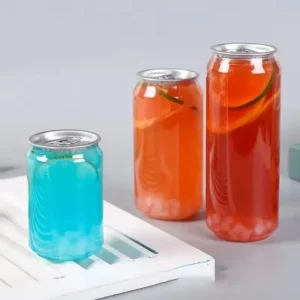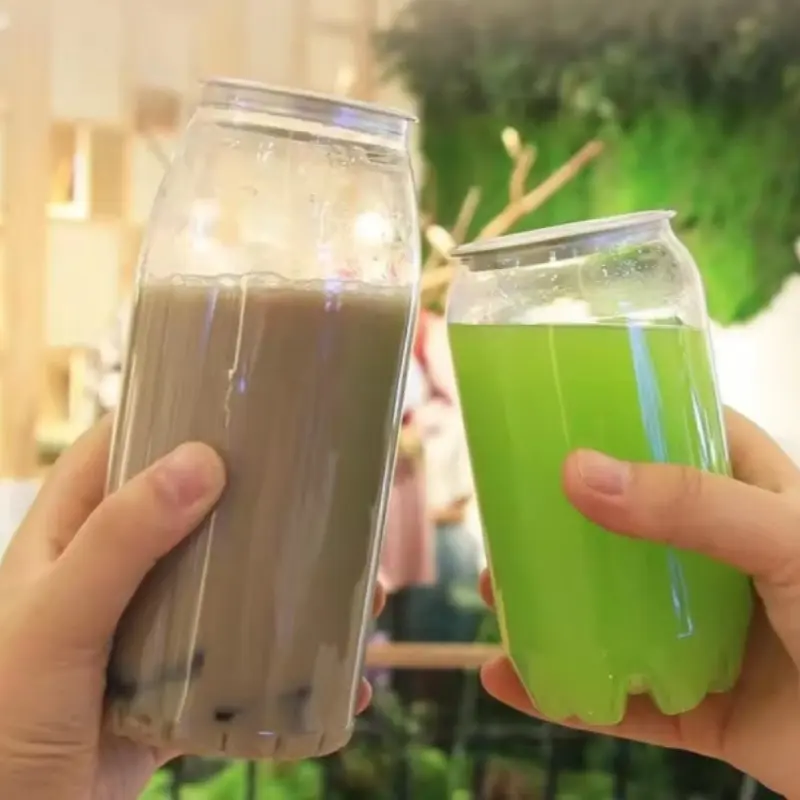
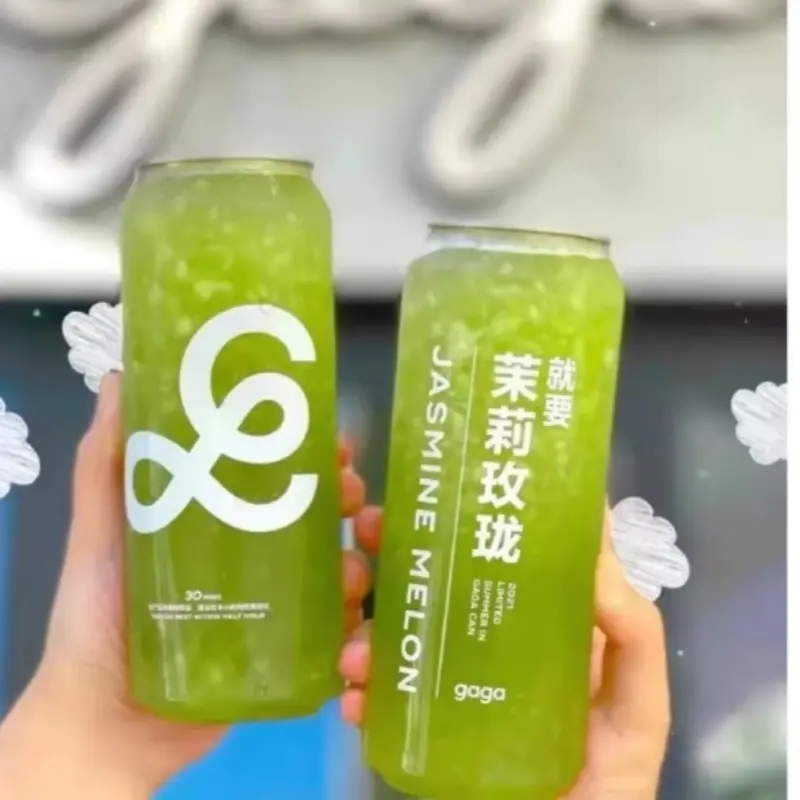
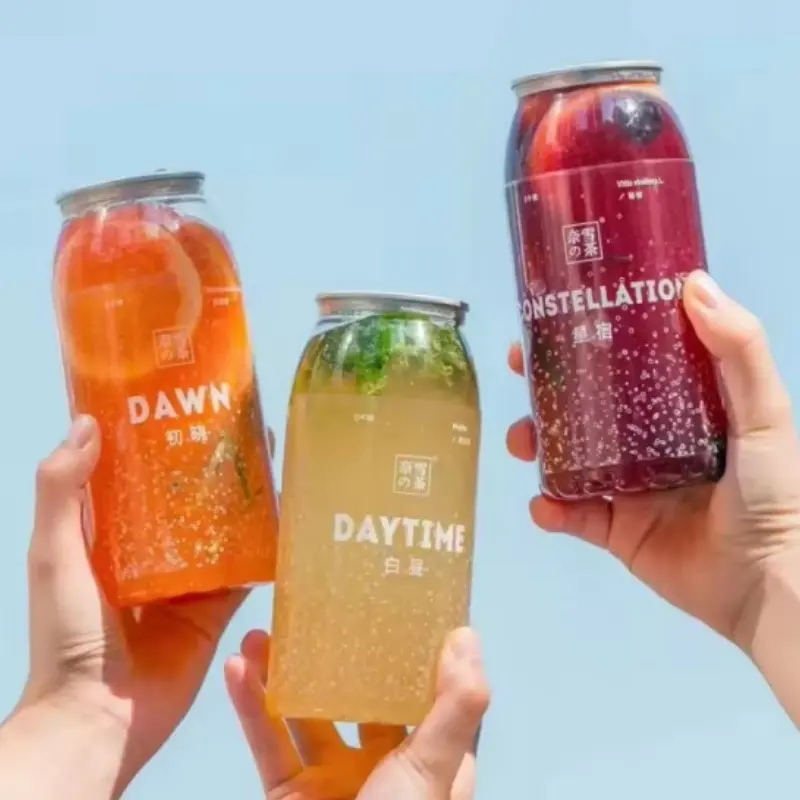

OEM PET Plastic POP can with 202# ends Exporter, Exporters

Item

PET Cans

Material

PET

Color

Clear Transparent

Industrial Use

Food & Beverage Packaging(carbonated drinks, fruit juice, iced coffee, energy drinks, soda, smoothies, desserts)

Main Features

Superior Transparency & Visual Appeal, Lightweight & Easy to Handle, Custom Design

Sizes

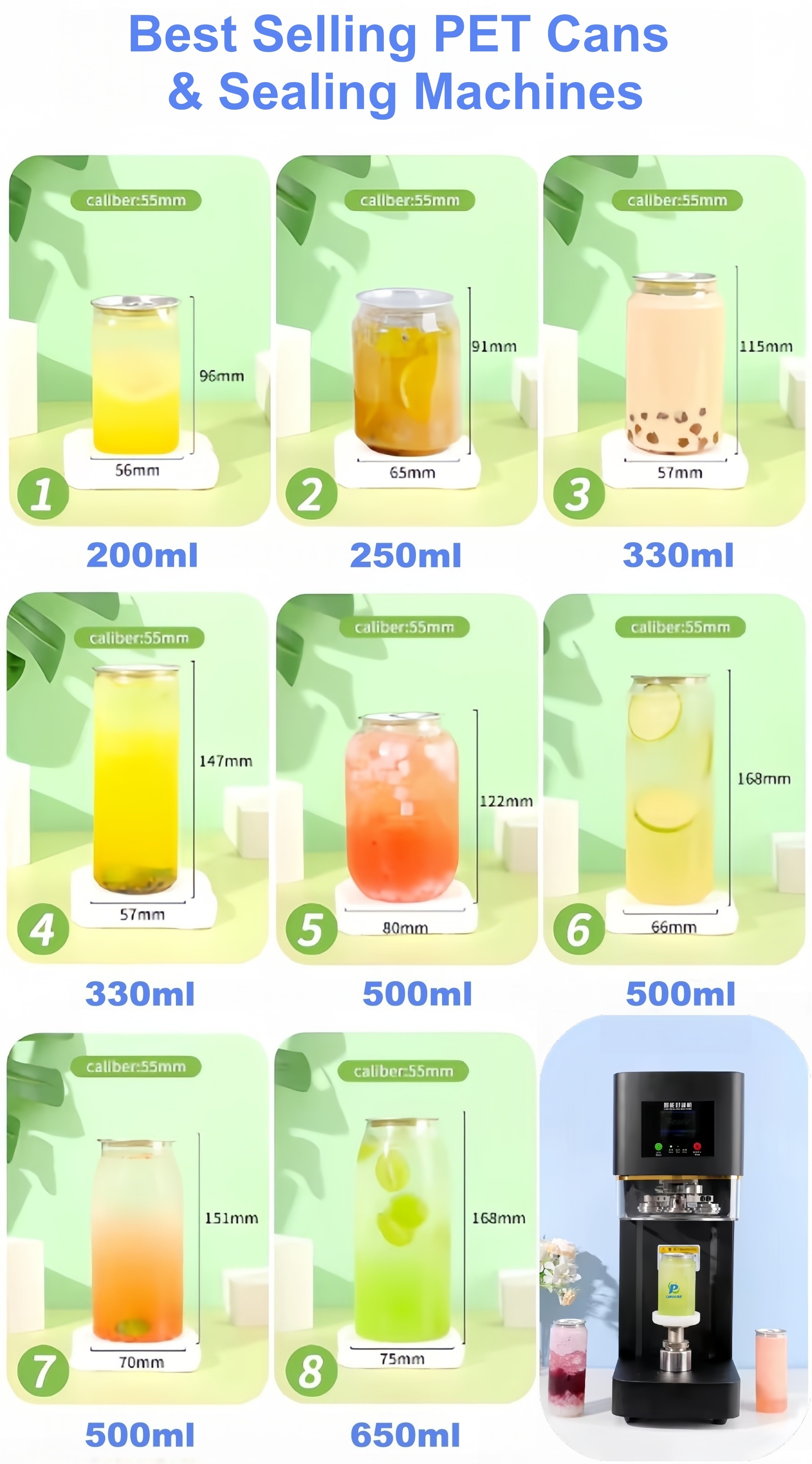
150ml, 180ml, 200ml, 210ml, 250ml, 300ml, 330ml, 350ml, 360ml, 400ml, 420ml, 500ml, 550ml, 600ml, 650ml, 700ml, 900ml, 1000ml and custom sizes

Samples

Free samples upon request

Custom Design

Accepted

Packaging Details

200pcs /carton

Delivery time

15-20 days

Product Description

Process Video

HPP and Cold Fill Technology for PET Canned Beverages

High Pressure Processing HPP Cold fill beverage aseptic filling PET can shelf life beverage preservation technology

One of the most common questions B2B buyers ask is: "Can I put hot liquid in a PET can?" The answer is complex. Standard PET deforms at high temperatures. However, the industry is moving away from heat pasteurization toward modern preservation methods that maintain flavor better. This is where Cold Fill and HPP (High-Pressure Processing) shine.

The Problem with Heat (Hot Fill): Traditional "Hot Fill" (heating juice to 85°C to kill bacteria) requires heavy, expensive "Heat Set" bottles with vacuum panels. Worse, the heat "cooks" the flavor, making fresh orange juice taste like marmalade. Standard, sleek PET cans cannot withstand this heat.
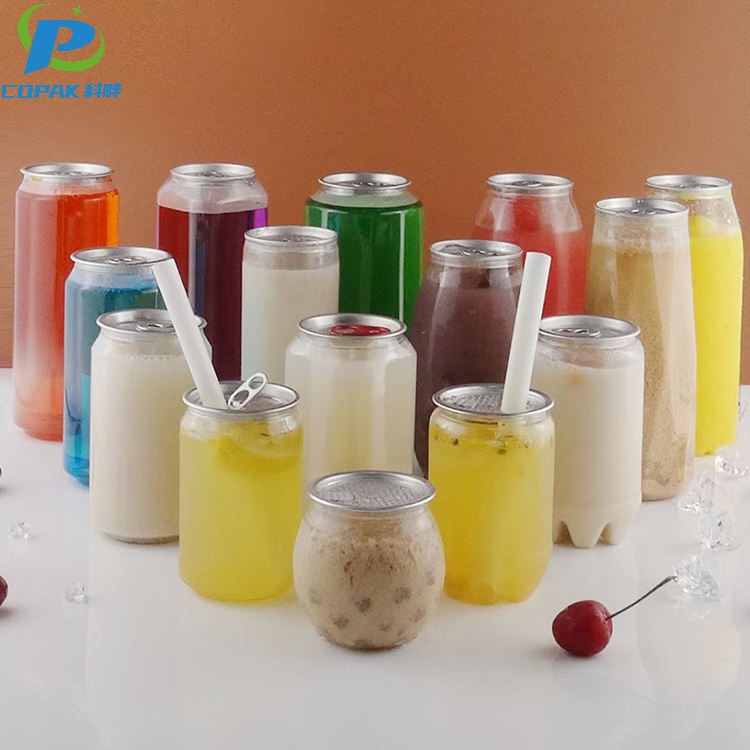
Technology process 1
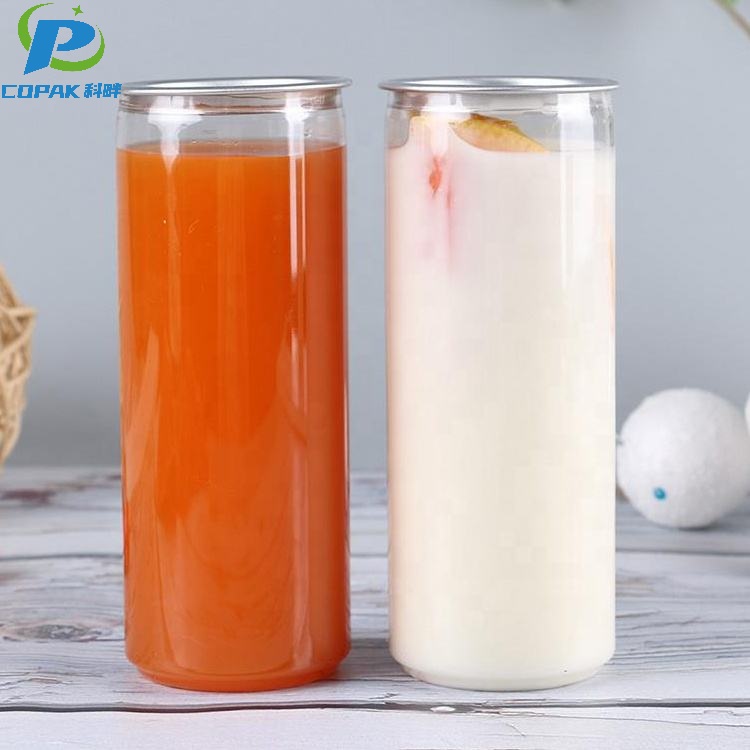
Technology process 2

The Solution: Cold Fill & HPP
The perfect partner for the standard PET can is High-Pressure Processing (HPP).
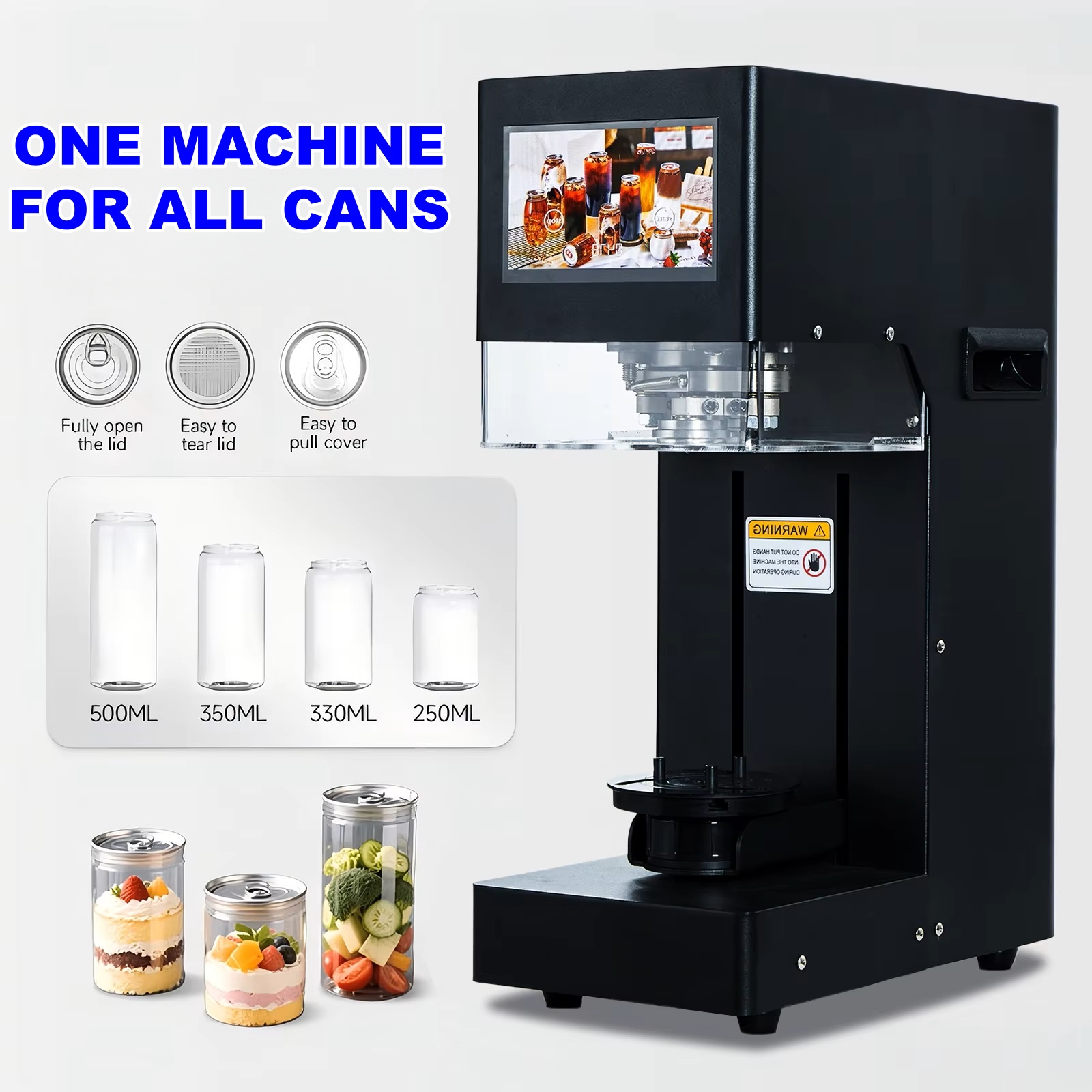
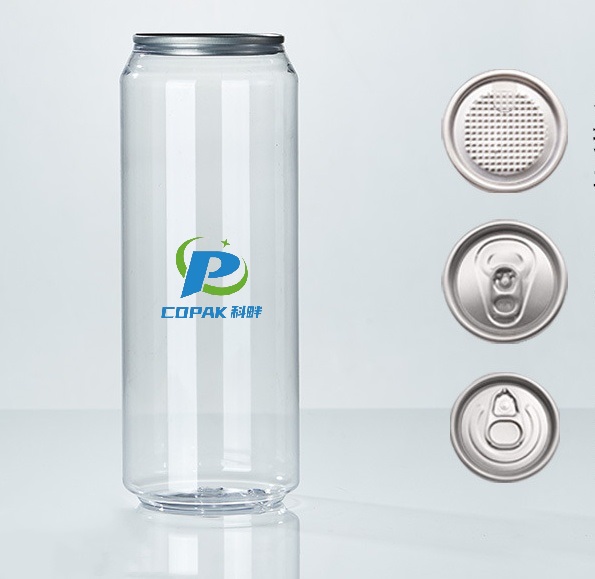
  • 📍 The Process: The beverage is filled into the PET can at cold temperatures (preserving the fresh taste). The can is sealed.
  • 📍 The Pressure: The sealed cans are placed in a hyperbaric chamber and subjected to immense water pressure (up to 87,000 psi).
  • 📍 The Result: The pressure destroys bacteria, yeast, and mold without using heat.
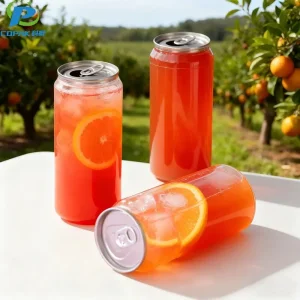
PET soda can with easy open lid
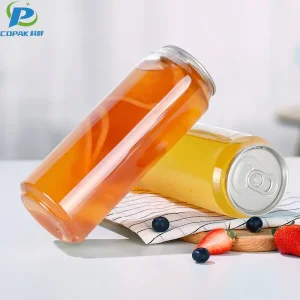
PET soda can display

Why PET Cans are Ideal for HPP

HPP requires a container that is flexible enough to transmit pressure but rigid enough to bounce back. PET is the perfect material for this. Unlike glass (which shatters) or metal (which dents permanently), PET handles the pressure cycle beautifully.

Aseptic Filling

Another option for PET cans is Aseptic Filling. This involves sterilizing the can and the liquid separately and bringing them together in a sterile environment. This allows for shelf-stable milk and coffee drinks without preservatives, all inside a lightweight PET can.

If you want to sell a "fresh," premium juice or cold brew that lasts weeks or months rather than days, you don't need heat—you need HPP. And for HPP, the PET can is the undisputed king of packaging.
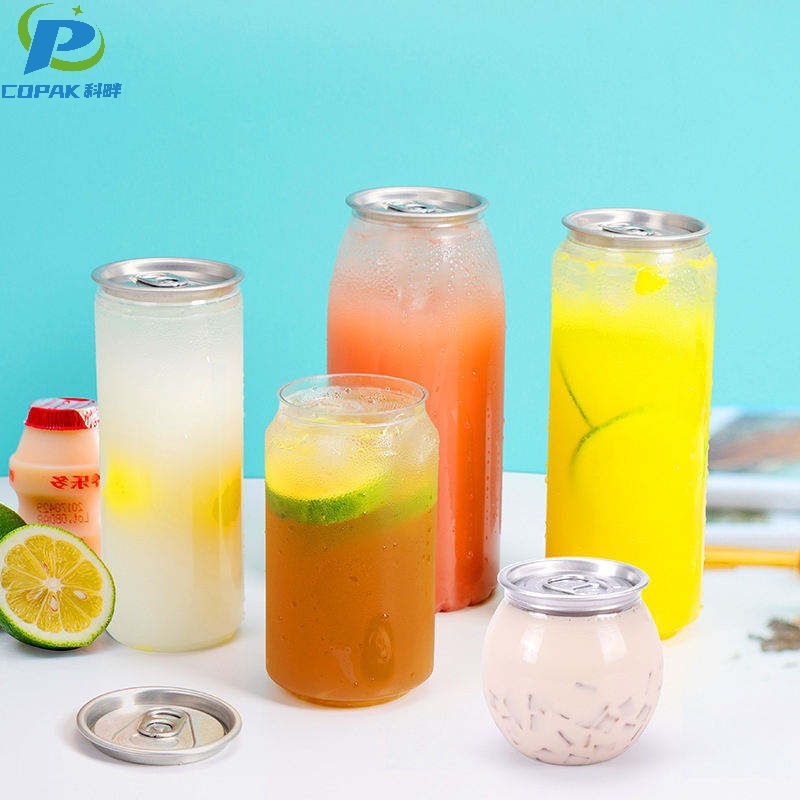
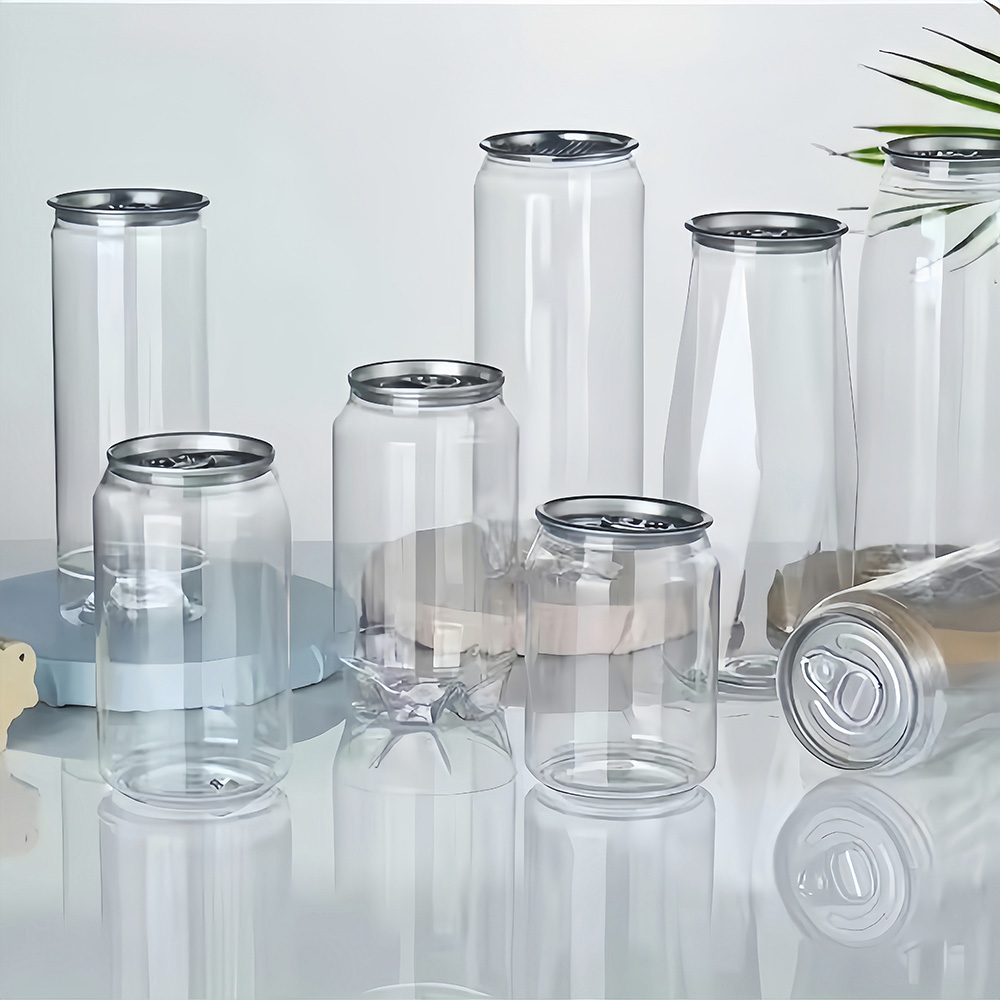
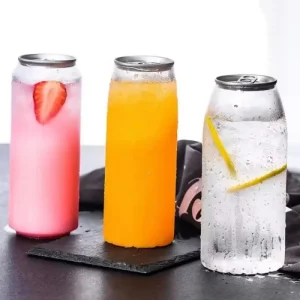
Custom design PET soda cans
Custom PET can for desserts
Best selling PET cans

Frequently Asked Questions (FAQ)

Can standard PET cans be used for hot-fill beverages?
No, standard PET tends to deform at high temperatures (around 85°C) used in hot filling. Modern methods like Cold Fill and HPP are recommended instead.
How does High-Pressure Processing (HPP) preserve beverages?
HPP uses immense water pressure (up to 87,000 psi) to destroy bacteria, yeast, and mold. This process happens at cold temperatures, preserving the fresh taste of the drink.
Why is PET better than glass for HPP?
PET is flexible enough to transmit the pressure to the liquid and then bounce back to its original shape. Glass is rigid and would shatter under the extreme pressure of HPP.
Does HPP affect the flavor of juices?
Unlike heat pasteurization, which can "cook" the juice and alter its flavor, HPP maintains the original fresh taste, nutrients, and color of the beverage.
What is Aseptic Filling for PET cans?
Aseptic filling involves sterilizing the beverage and the PET can separately before filling in a sterile environment, allowing for a long shelf life without preservatives.
What types of drinks are best suited for PET cans and HPP?
Premium fresh juices, cold brew coffees, and specialty beverages that require a "fresh" taste and extended shelf life are ideal for this technology.

Related Products