1 / 3

When launching a new beverage line, one of the first technical decisions is selecting the container material. While aluminum cans remain the industry standard for mass-market sodas, PET (Polyethylene Terephthalate) cans are becoming the preferred choice for premium and small-batch brands. Here is a detailed comparison to help you decide.
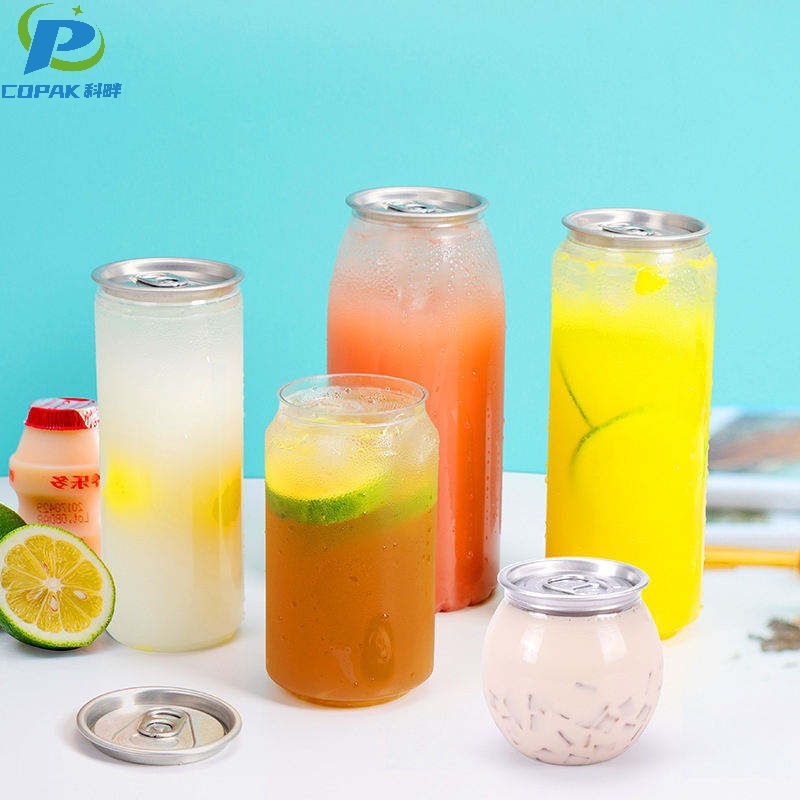
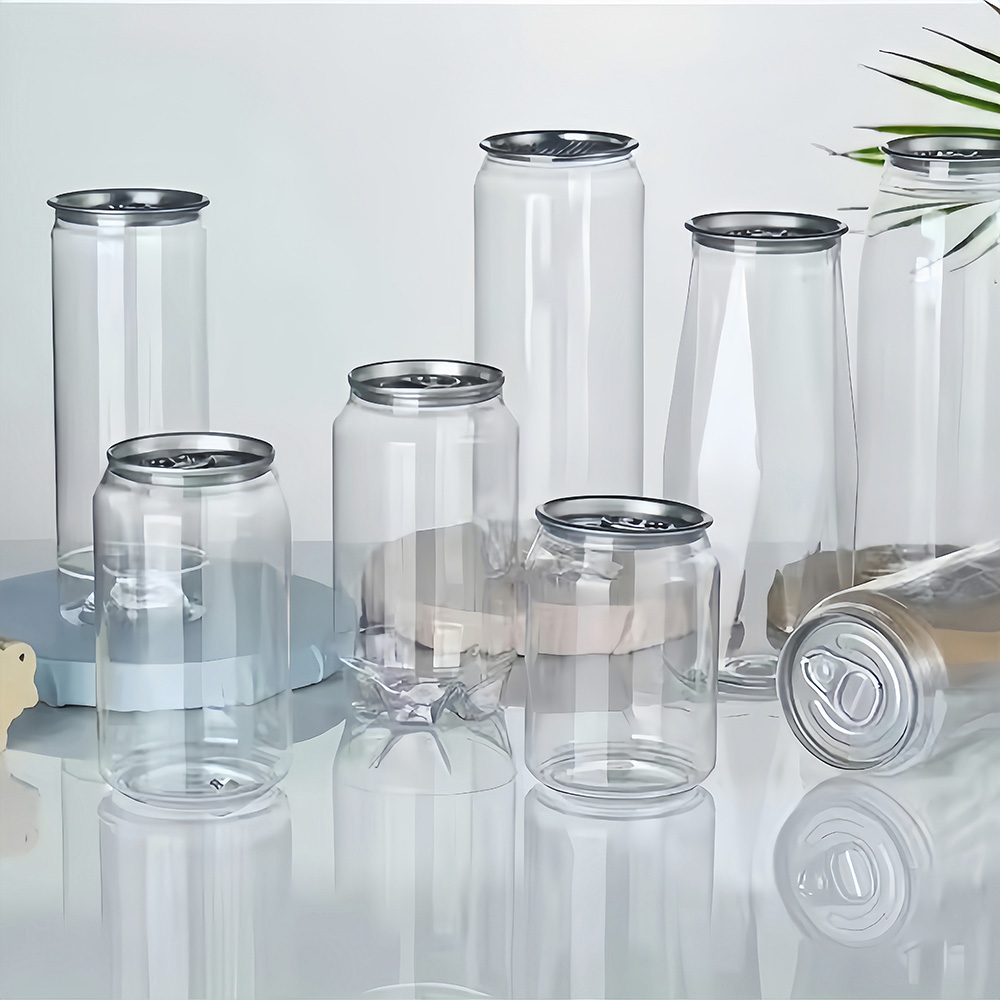
Aluminum: The aluminum supply chain is built for giants. Custom printed aluminum cans often require MOQs of 150,000 to 200,000 units per SKU. This is a massive barrier for startups.
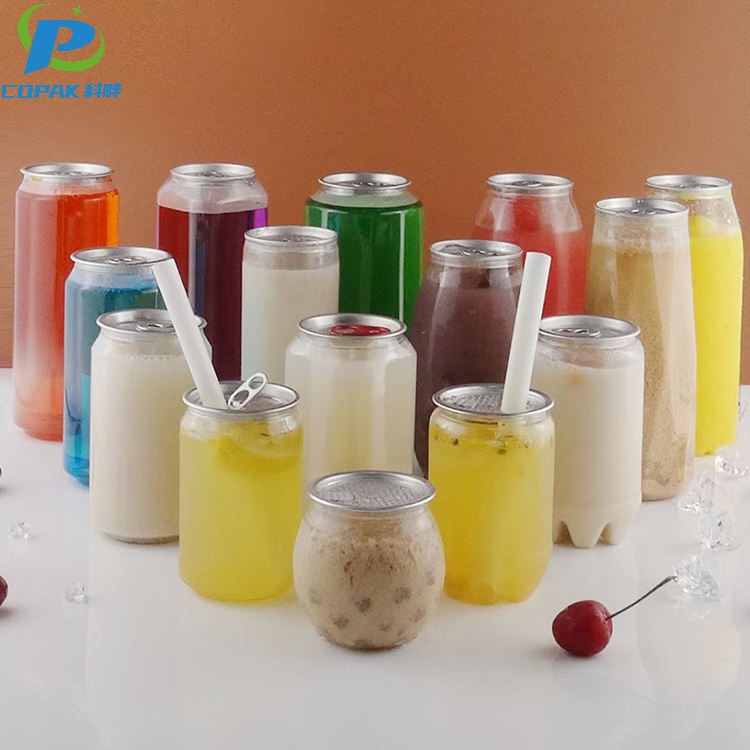
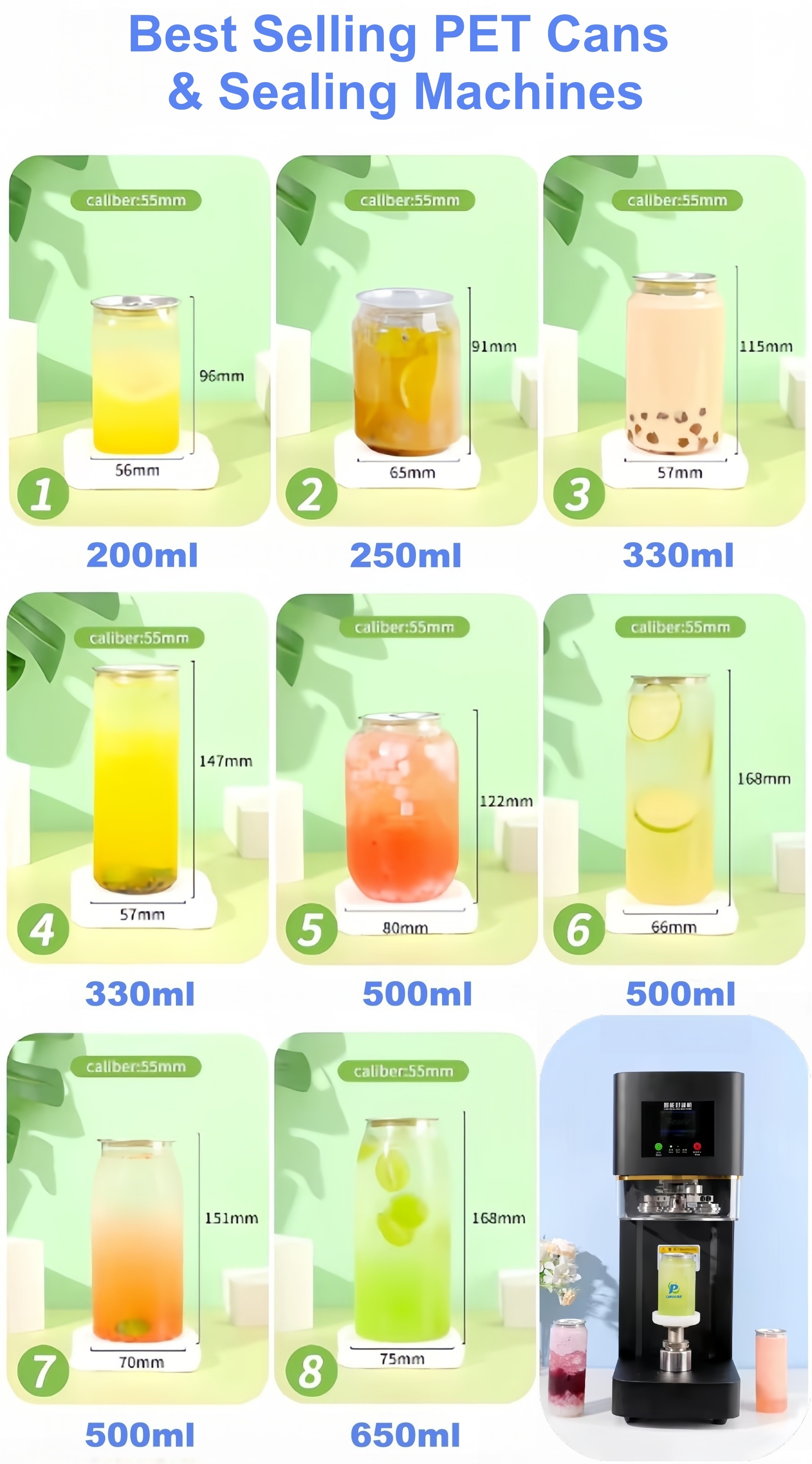
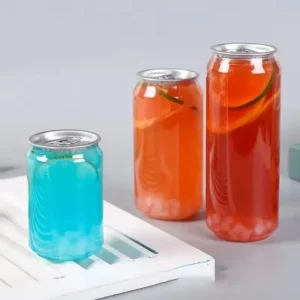
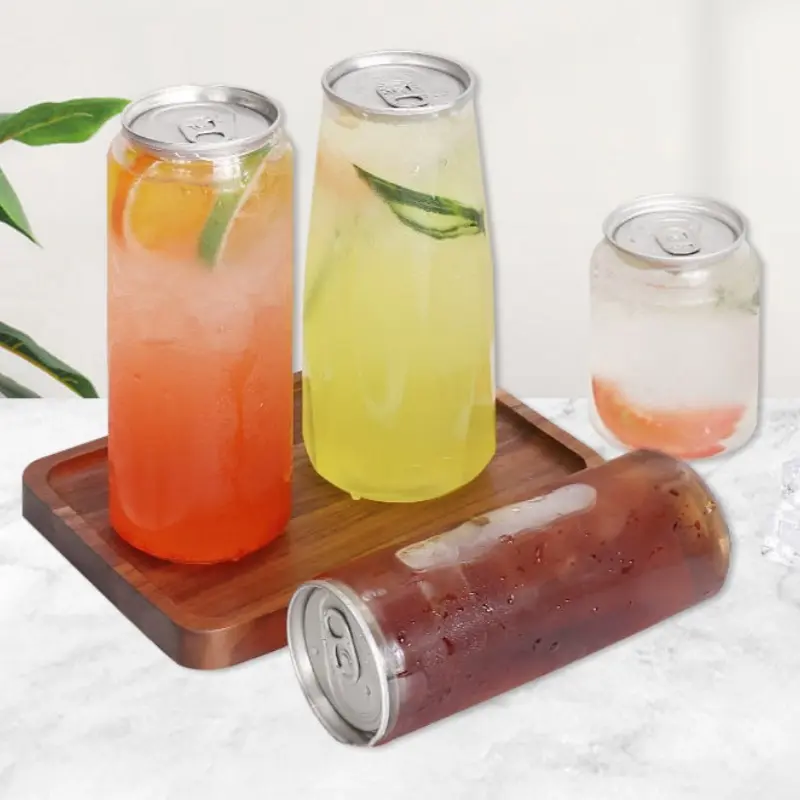
PET Cans: PET cans are much friendlier to small and medium businesses. You can often purchase smaller lots of clear cans (e.g., 5,000 units) and apply pressure-sensitive labels or shrink sleeves. This allows for rapid A/B testing of flavors without committing to a warehouse full of inventory.
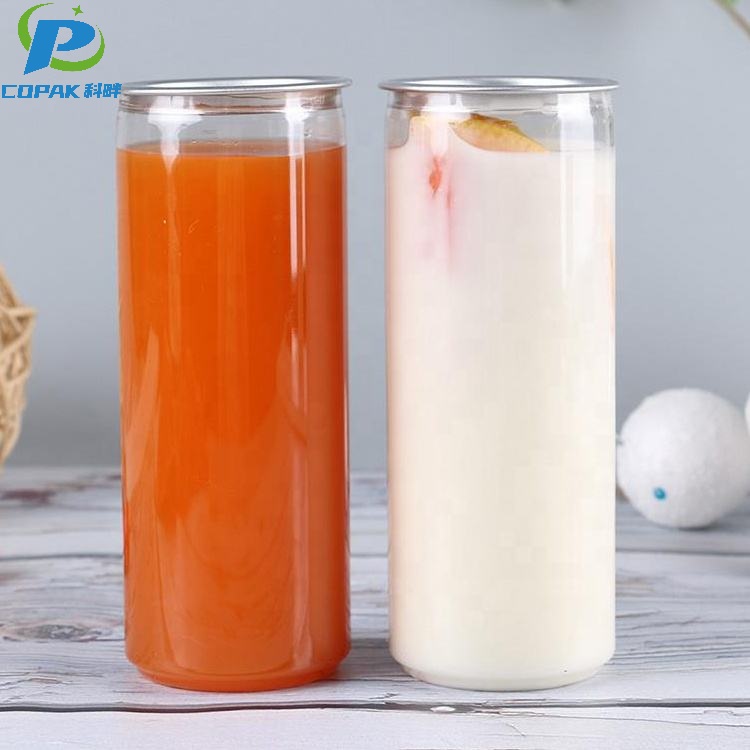
Aluminum cans are incredibly thin and rely on internal carbonation pressure to maintain their shape. If you are selling a non-carbonated (still) drink, aluminum cans feel squishy and cheap unless dosed with liquid nitrogen. PET cans have rigid walls. They feel solid and premium in the hand regardless of whether the drink is carbonated or still. This makes them far superior for juices, still waters, and dairy-based drinks.
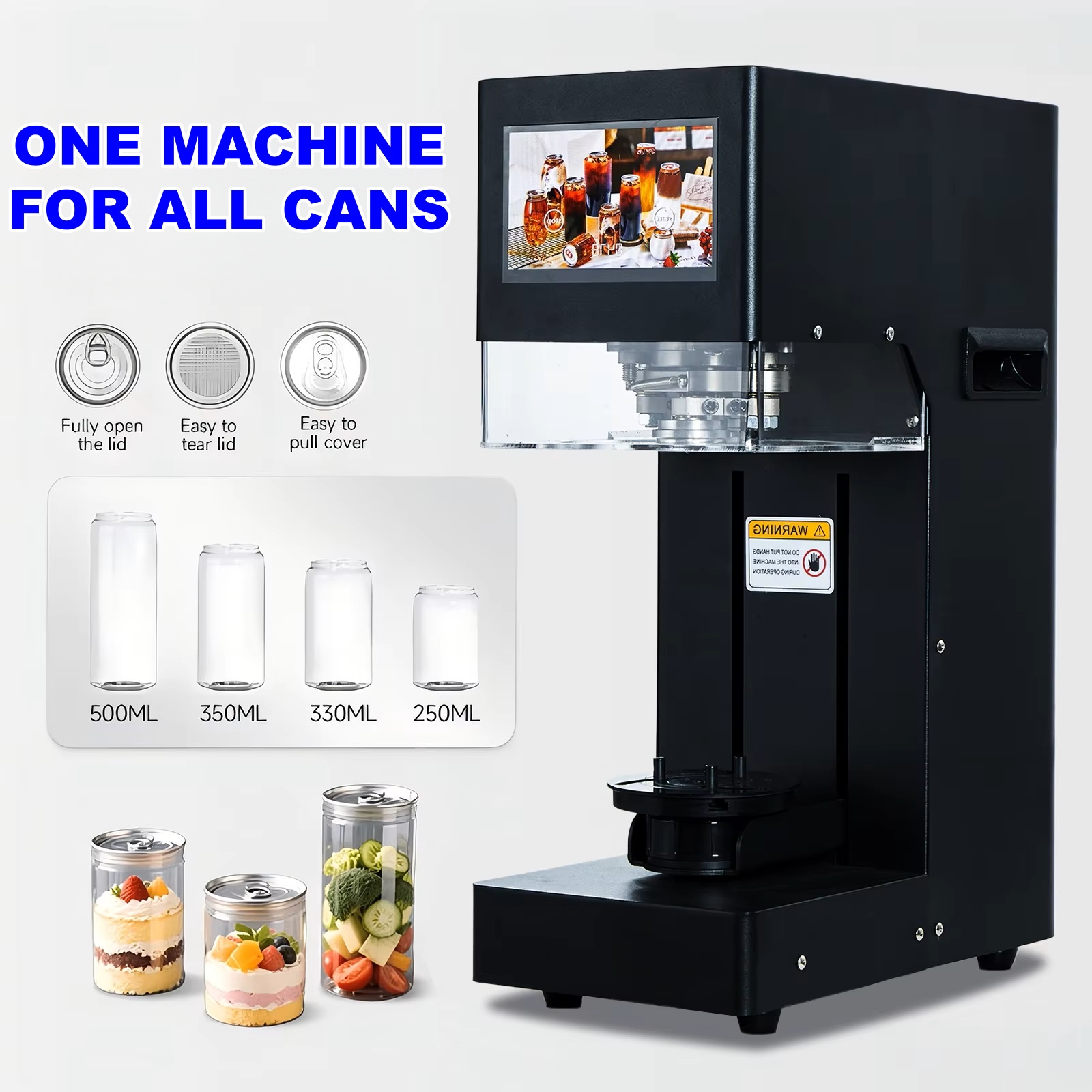
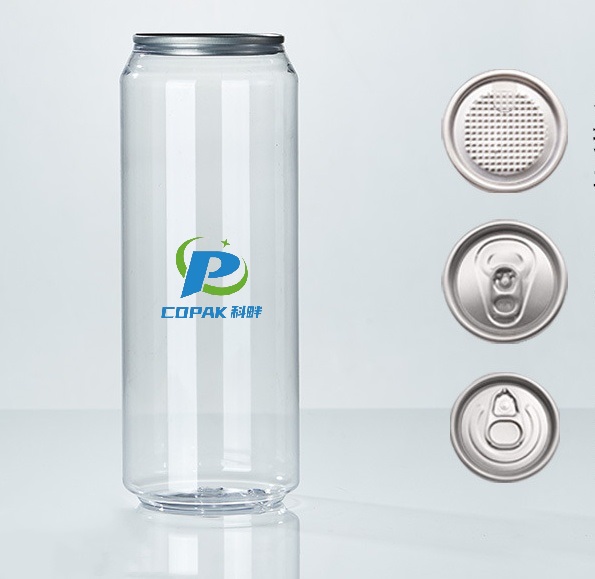
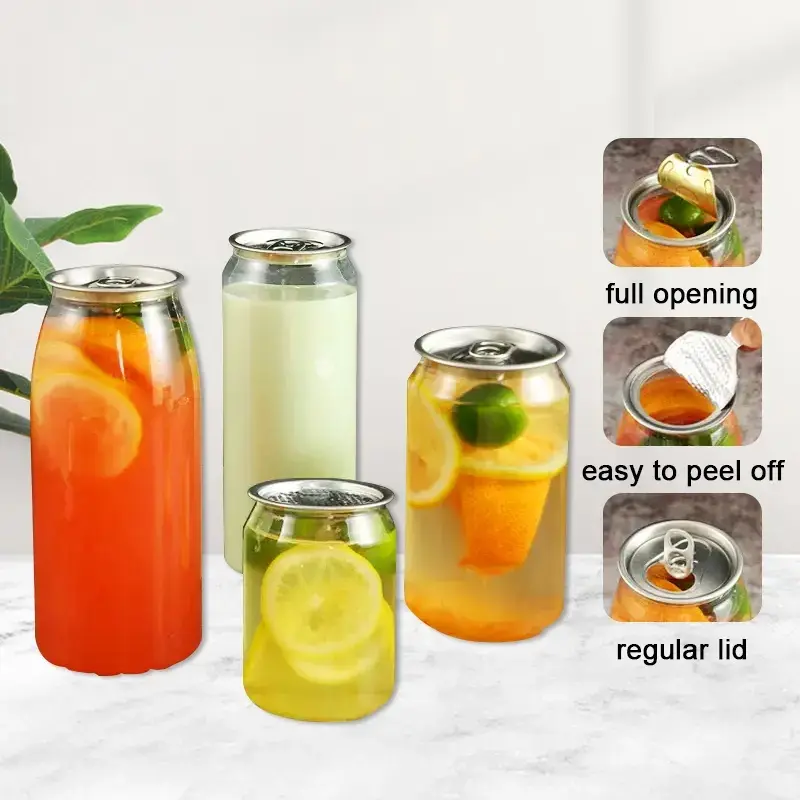
Standard aluminum cans are "one and done." Once opened, they cannot be resealed. PET cans, however, offer versatility. While many use standard aluminum pull-tabs, PET cans can also be fitted with screw-top lids or specialized resealable caps. This functionality is highly valued by consumers who want to carry their drink in a bag or finish it later.
If you are a massive corporation selling cheap soda, aluminum is cost-effective. However, if you are a premium brand looking for flexibility, lower MOQs, and a container that showcases your product's quality, PET cans are the superior choice.