High-transparency food-grade PET cans, takeaway cups, and sustainable closures custom manufactured for bulk procurement.
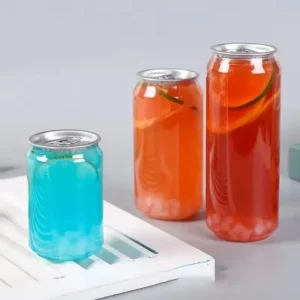
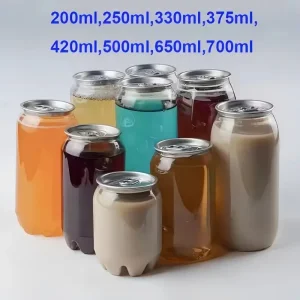
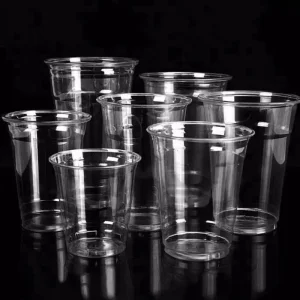

In the wake of progressive regulatory shifts globally, the demand for truly recyclable, high-clarity single-use food and beverage containers has reached an inflection point. Driven by legislative initiatives such as the European Union’s Single-Use Plastics Directive (SUPD) and various State-level Extended Producer Responsibility (EPR) laws across North America, global brands are pivoting away from multi-material laminates and polystyrene toward mono-material solutions, specifically Polyethylene Terephthalate (PET) and Recycled PET (rPET).
This whitepaper outlines the structural parameters, supply chain realities, and raw material innovations defining modern commercial food service. Our study shows that optimizing the thermoforming profiles and raw material purity yields up to a 30% reduction in total product lifecycle emissions, securing compliance with global food-contact safety standards while improving operational efficiency in high-volume settings.
"Sustainable packaging is no longer a corporate social responsibility checkbox—it is a core regulatory baseline and functional requirement for international commercial integration."
Established in 2021, Shanghai COPAK Industry Co., Ltd. coordinates its global export strategy from its central offices in Shanghai, backed by its dedicated high-capacity packaging manufacturing plant located in Guangdong Province. Operating as a leading manufacturer and exporter of eco-friendly beverage packaging solutions, we specialize in high-clarity PET cups, PET cans, and intelligent automated sealing machine ecosystems.
Our industrial output focuses on versatility, performance, and brand amplification. The COPAK product lines are built around dynamic capacity configurations ranging from 1oz tasting cups to 32oz large-format cold beverage containers. Available in ultra-clear base polymers or custom-branded high-definition prints using food-safe UV curing inks, our products help international food networks scale sustainably. Through strategic investment in advanced high-speed thermoforming units, COPAK ensures every piece meets exact dimensional tolerances required by automated cup-dispensing machines and industrial bottling lines.
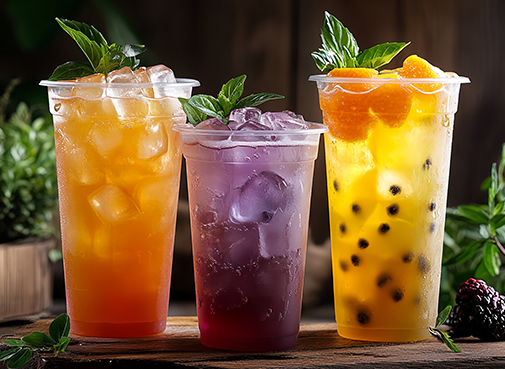
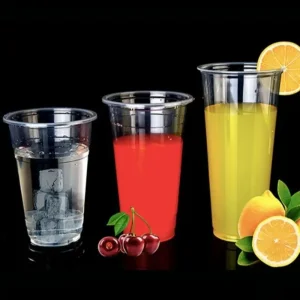
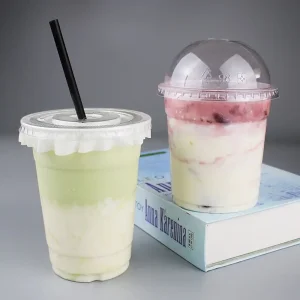
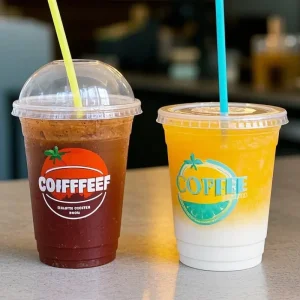
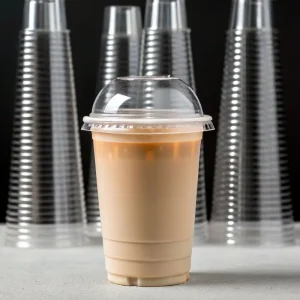
Designed with reinforced rims and high crack resistance. Capacities span 1oz to 32oz, featuring crystal clarity to enhance product visual appeal.
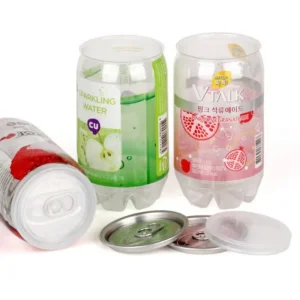
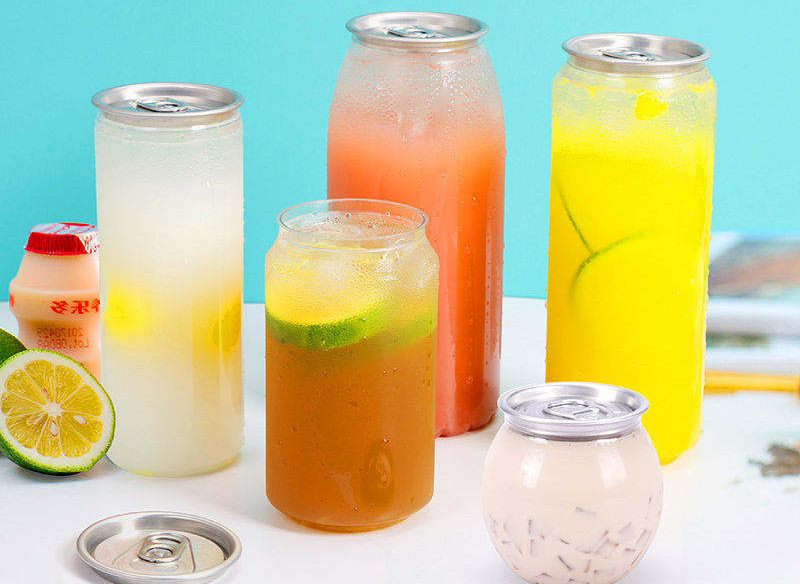
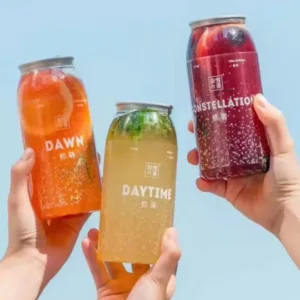
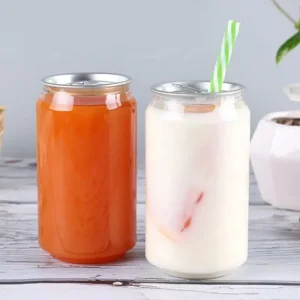
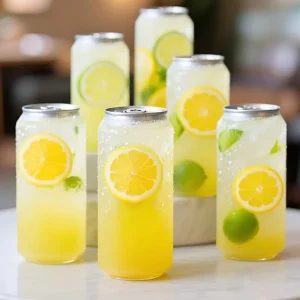
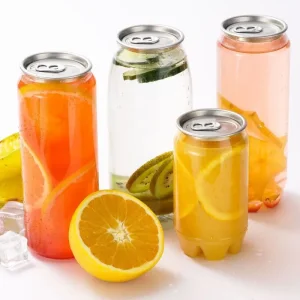
A hybrid package combining a high-clarity PET body with easy-open aluminum end caps. Highly applicable for RTD teas, sodas, and cold brews.
Proprietary high-efficiency automatic sealing machines that deliver airtight, leak-proof finishes to match our PET cans perfectly.
The global single-use packaging sector is undergoing a massive shift. Historically, polystyrene (PS) and polypropylene (PP) dominated due to their low production cost. However, their lower recycling rates and weak mechanical properties when recycled post-consumer have restricted their fit for circular economies. PET, which carries the resin identification code "1", maintains the most robust recovery and reprocessing infrastructure globally.
Driven by municipal ban extensions on EPS (expanded polystyrene) and state laws requiring PCR (post-consumer recycled) content targets, leading brands are lock-in long-term supply contracts for virgin and high-grade rPET cups.
Under the EU Circular Economy Action Plan, packaging must be designed to ease sorting and reprocessing. The mono-material structural profile of COPAK’s PET solutions matches advanced near-infrared sorting technologies used by European recycling companies.
Expanding quick-service restaurant (QSR) chains and modern delivery apps require high-sealability, leak-proof cups and cans to reduce complaints and product loss in transit.
From an ecological standpoint, lifecycle assessments (LCA) verify that when PET is recycled back into the food chain, its carbon footprint drops below that of compostable PLA (Polylactic Acid) and virgin paperboard cups coated with polyethylene films. This makes it an ideal packaging material for carbon-reduction goals.
Operating a complex manufacturing hub in Guangdong Province allows COPAK to achieve a high degree of integration. By centralizing raw material polymerization, high-speed sheet extrusion, multi-cavity thermoforming, automated print branding, and final packaging processes under one roof, we minimize production errors and transit delays.
Our long-term product development focuses on optimizing material barrier properties and expanding rPET integration without sacrificing physical clarity. The mechanical performance of recycled PET degrades over multiple heat cycles. Our engineers resolve this issue by applying a proprietary solid-state polymerization (SSP) process, restoring the polymer chain length and maintaining high tensile strength and optical clarity.
Scaling food-grade post-consumer recycled (PCR) content from 30% up to 100% per cup unit. We work closely with international recyclers to source clean, trace-certified ocean-bound and post-consumer plastics.
Applying nanotechnology to thin-film interior coatings. This reduces oxygen transmission rates (OTR) and carbon dioxide loss, helping to extend the shelf life of carbonated beverages and RTD coffee drinks in PET cans.
Researching plant-based raw materials, substituting mono-ethylene glycol (MEG) from fossil sources with bio-ethanol derivatives. This step will enable a 100% plant-based, fully recyclable PET polymer.
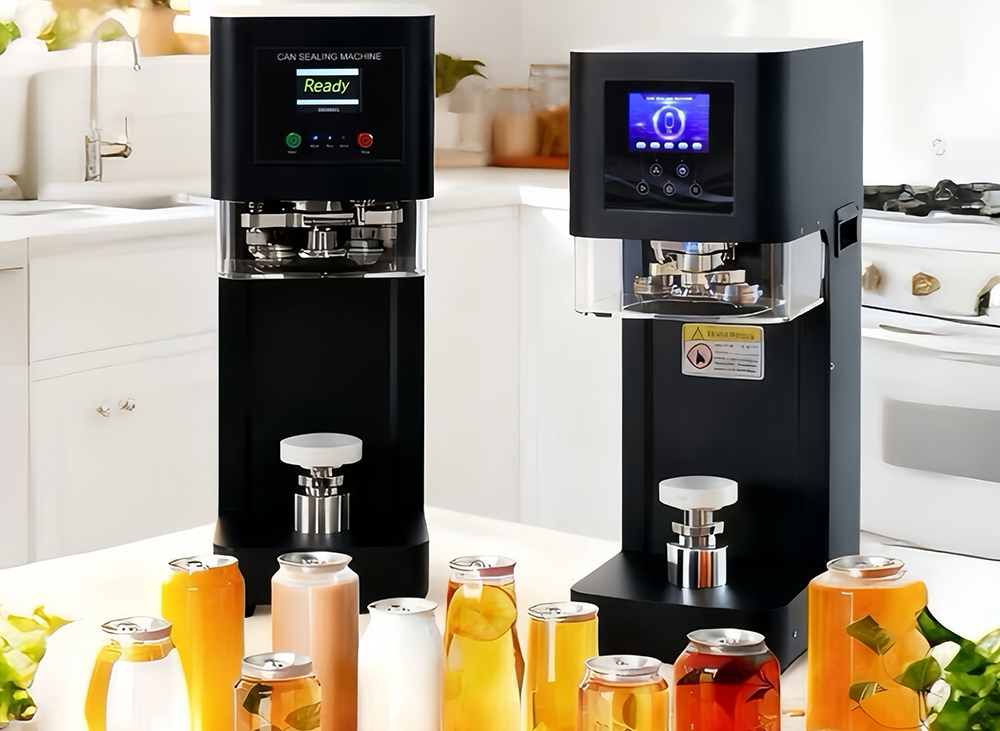
A key development in our beverage packaging line is the release of our *Fully Automatic Smart Can Sealing Machine*. Traditional canning processes require specialized technicians and high setup costs. COPAK’s smart sealing system features integrated sensors that dynamically calibrate sealing pressure based on flange thickness. This reduces seal failure rates to less than 1 in 10,000 runs, offering a complete, turnkey packaging solution for commercial operators.
Commercial packaging needs vary significantly depending on the local market and operational environment. A cup design that works well for a boutique coffee shop in Shanghai might need different specs for a high-volume sports stadium in Berlin or a cold-brew cannery in California. Here is how COPAK adapts to diverse applications:
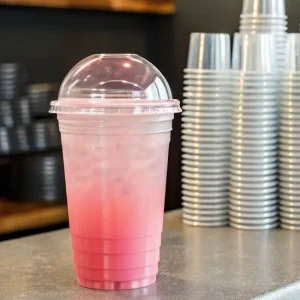
High-volume setups require fast de-nesting (separating stacked cups). COPAK designs custom de-nesting ribs into our cups to prevent sticking, keeping service lines moving quickly and efficiently.
RTD brands use COPAK PET cans equipped with aluminum pop-tops. They provide the classic feel of a soda can with the visual appeal of a clear beverage container.
Security policies often require pour-overs. COPAK's shatterproof, flexible PET polymers prevent injury risks while remaining simple to collect and recycle.
We focus heavily on compliance. Because our products directly package food and beverages, we prioritize testing for migration limits and chemical safety. COPAK operates cleanroom facilities in line with international GMP standards. Our products undergo regular audits and hold key global certifications:
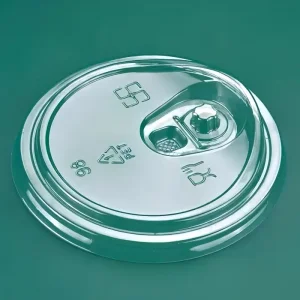
Explore our specialized PET can series, thermoformed cups, and strawless lids matching global consumer preferences.
Stay updated on the latest breakthroughs in polymer engineering, packaging equipment, and global recycling compliance.
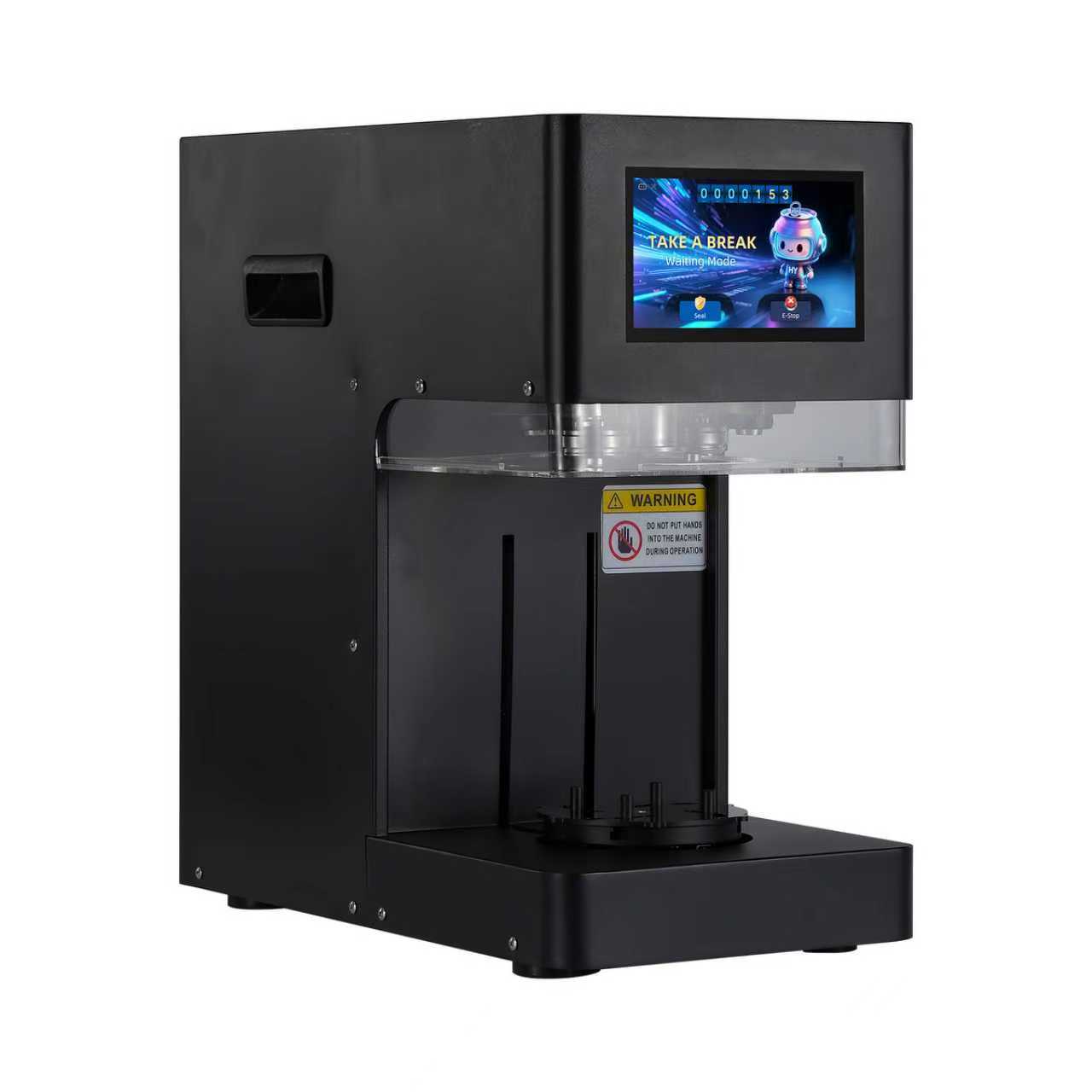
Discover how our latest automated sealing machinery improves beverage sealing efficiency, ensuring spill-free packaging for takeaway deliveries.
Read Article →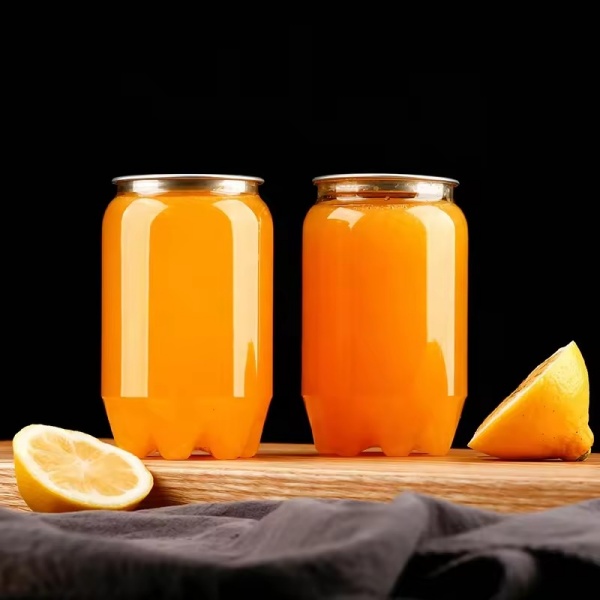
An in-depth look at chemical stability, UV exposure, and storage conditions that define PET packaging performance over time.
Read Article →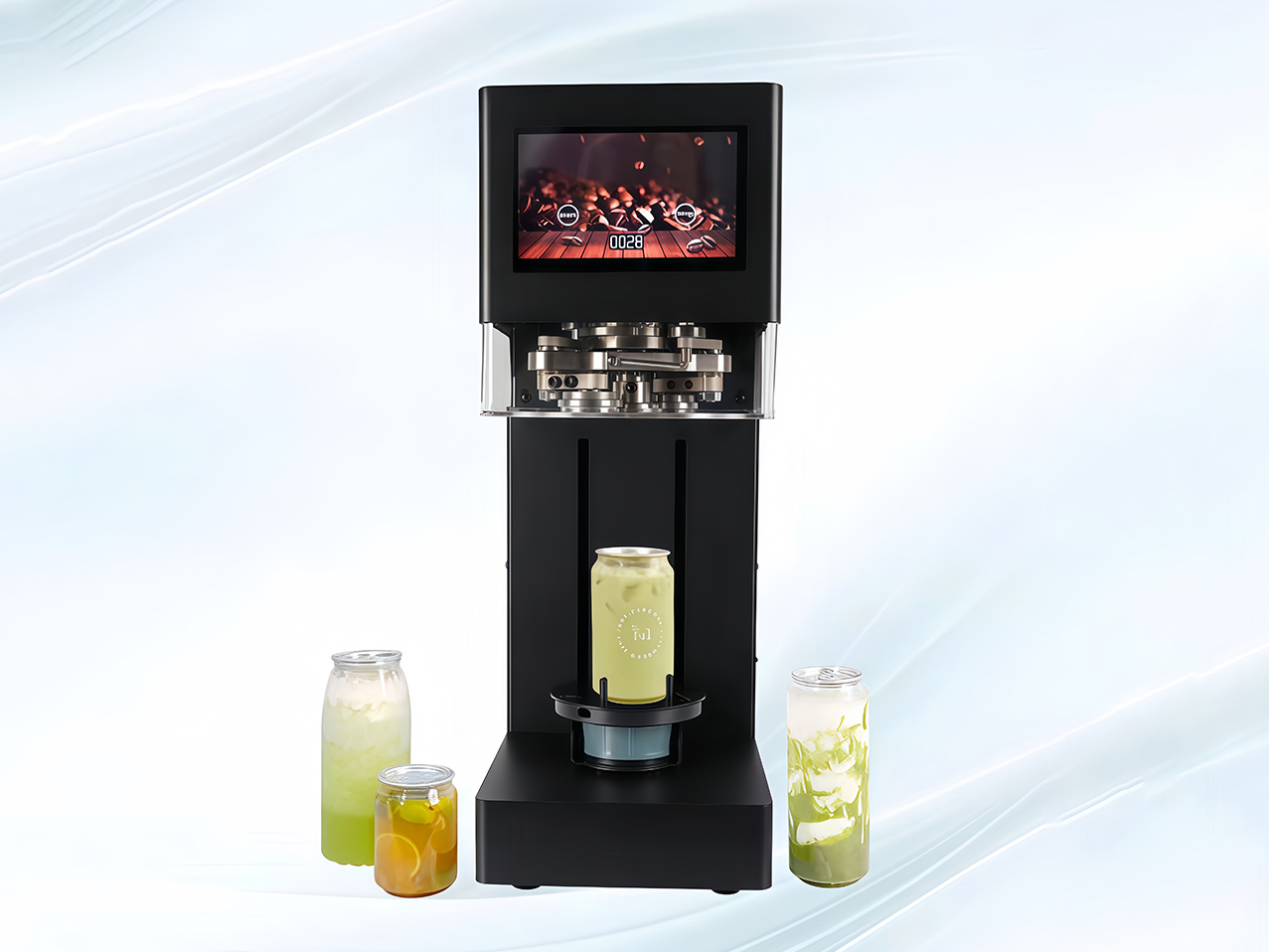
Understanding the engineering history and key advantages of utilizing automated can sealing for PET cold cans.
Read Article →Get clear answers about customized printing, shipping logistics, material certifications, and machine compatibility.