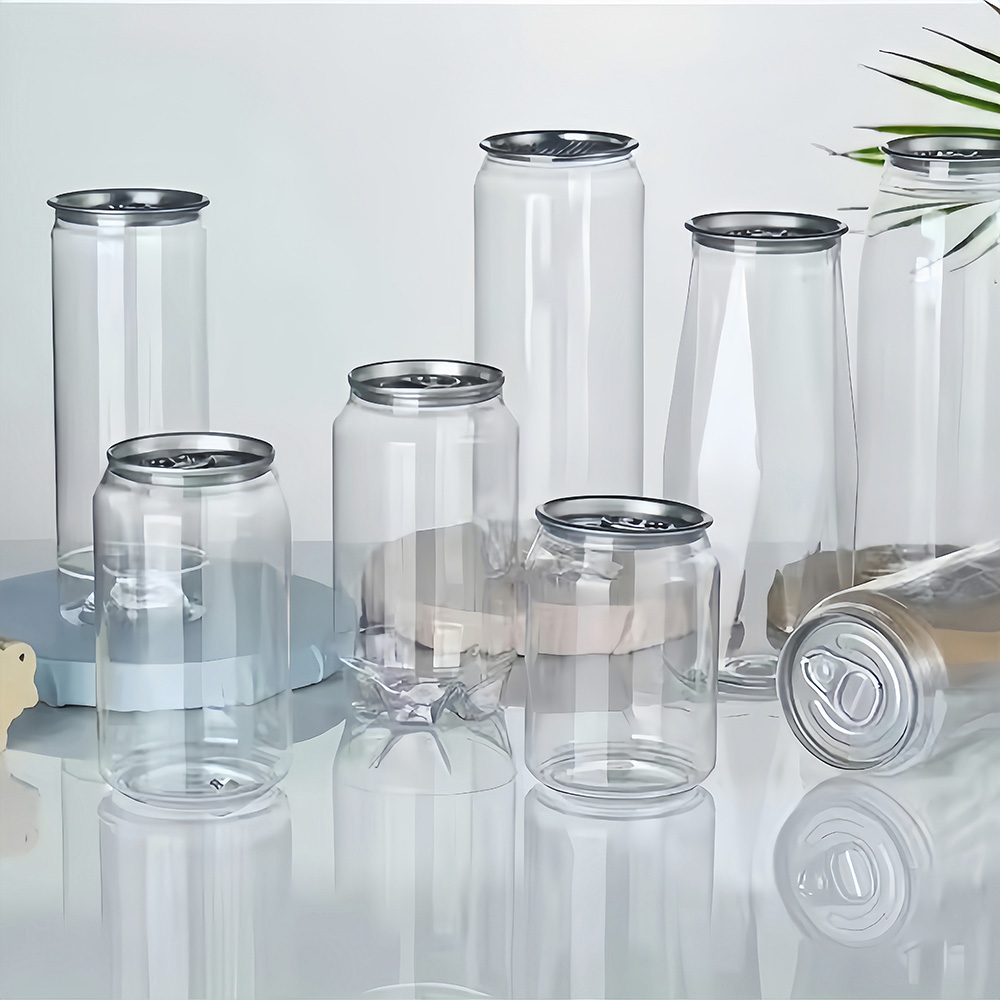
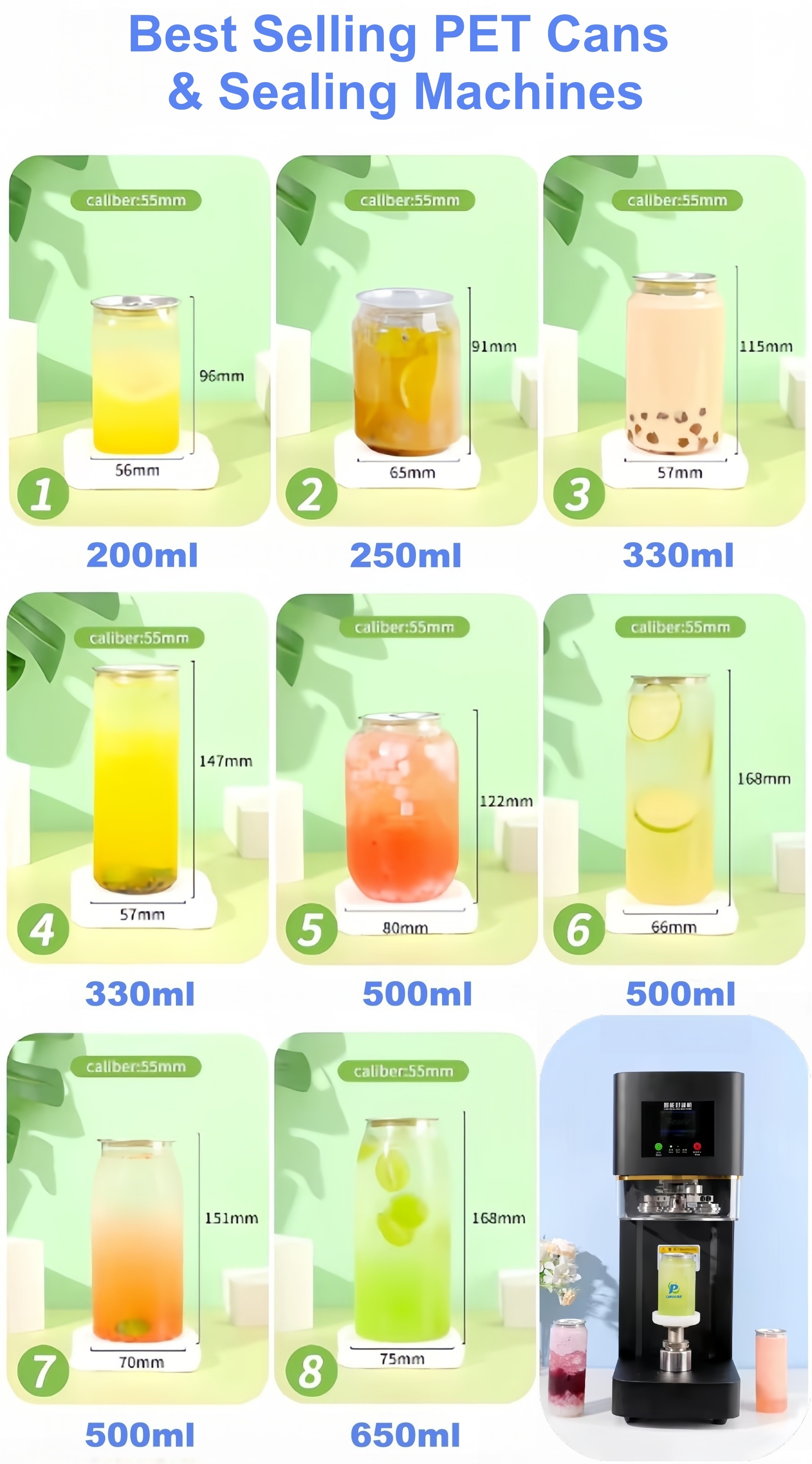
Shipping empty containers is technically "shipping air." For B2B buyers, this often raises two major concerns: "Will the shipping cost be astronomical?" and "Will the cans arrive dented?" We have optimized our logistics strategy to address these challenges head-on, ensuring you receive pristine PET cans cost-effectively.
1. The "Nesting" Strategy (Volume Reduction)
Unlike glass jars or rigid aluminum cans, some PET can designs allow for a degree of stacking efficiency. However, the real secret lies in pallet optimization.
●
Precision Stacking: We use automated palletizers to stack cans in perfect alignment. This maximizes the number of units per pallet layer.
●
Height Maximization: By calculating the exact clearance of standard shipping containers (20GP/40HQ), we stack pallets to the maximum safe height, ensuring you aren't paying for empty vertical space in the container.
2. Robust Protective Packaging
Damage prevention starts with the right packing materials.
●
Layer Pads: We place thick cardboard or plastic layer pads between every row of cans. This prevents friction and distributes weight evenly.
●
Corner Boards: Heavy-duty corner posts are applied to the four corners of every pallet to prevent crushing during forklift handling.
●
Stretch Wrap: We use industrial-grade stretch film to secure the entire pallet load, preventing shifting during ocean transit.
3. Container Loading Mastery
A poorly loaded container is a recipe for disaster. Our loading team follows strict protocols:
●
No Gaps: We use air bags (dunnage bags) to fill any void spaces between pallets. This locks the cargo in place, preventing pallets from toppling when the ship rolls at sea.
●
Moisture Control: Desiccant bags are placed inside the container to absorb moisture and prevent "container rain," which could otherwise damage the cardboard packaging.
4. Optimized Shipping Routes
We work with top-tier freight forwarders to find the most direct routes to your port.
●
FCL vs. LCL: We strongly recommend Full Container Load (FCL) shipping for PET cans. Since they are lightweight but bulky, FCL offers the best cost-per-unit. For smaller orders, we ensure LCL (Less than Container Load) shipments are crated securely to avoid damage from other heavy cargo.
We understand that a damaged can is a useless can. Our logistics expertise ensures that your order arrives in the same condition it left our factory—pristine, safe, and ready for your filling line.
Frequently Asked Questions
Q1: How do you prevent PET cans from getting dented during long-distance sea freight?
We use a combination of thick layer pads between rows, heavy-duty corner boards for pallet structural integrity, and industrial stretch wrap to ensure the load remains stable and protected from external pressure.
Q2: Why is Full Container Load (FCL) recommended over LCL for PET cans?
PET cans are lightweight but high-volume. FCL allows for better cost-per-unit efficiency and significantly reduces the risk of damage, as the container isn't shared with heavy or incompatible cargo from other shippers.
Q3: How do you handle moisture issues inside shipping containers?
We place high-absorption desiccant bags inside every container. This prevents "container rain" caused by temperature fluctuations at sea, keeping the cardboard packaging and the cans dry and pristine.
Q4: What is "Nesting" and how does it save me money?
Nesting refers to our specialized stacking technique and pallet optimization. By maximizing the vertical space of the container (20GP or 40HQ), we ensure you get the maximum number of cans per shipment, reducing your overall landed cost.
Q5: Can I order small quantities despite the shipping challenges?
Yes, we support smaller orders via LCL. To ensure safety, we implement additional crating or protective measures to isolate our PET cans from other cargo in the shared container.
Q6: How do you ensure pallets don't move during transit?
Our loading team uses industrial dunnage (air bags) to fill any voids between pallets. This locks the entire cargo in place, preventing shifting or toppling even in rough sea conditions.