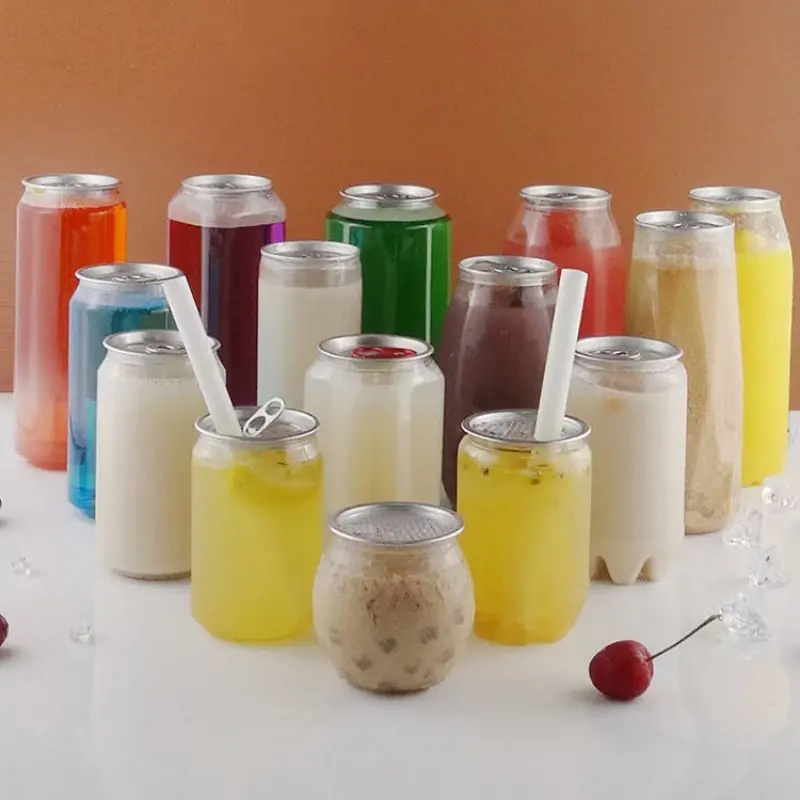

Are PET Cans Recyclable? The Truth About Sustainable Plastic Packaging
Sustainability is no longer a trend; it is a requirement. As a brand owner, you need to know: Is switching to PET cans an environmentally responsible choice? The short answer is yes. Here is the truth about PET can recyclability.
♻️
PET: The Most Recycled Plastic
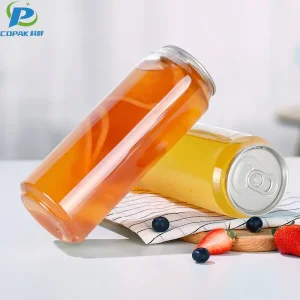
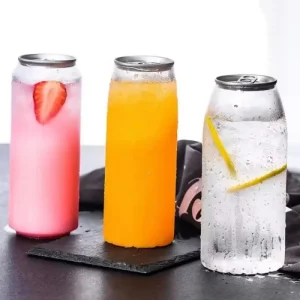
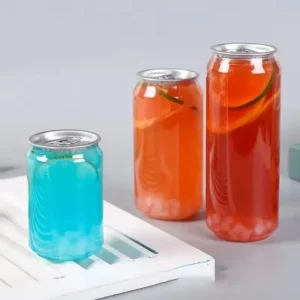
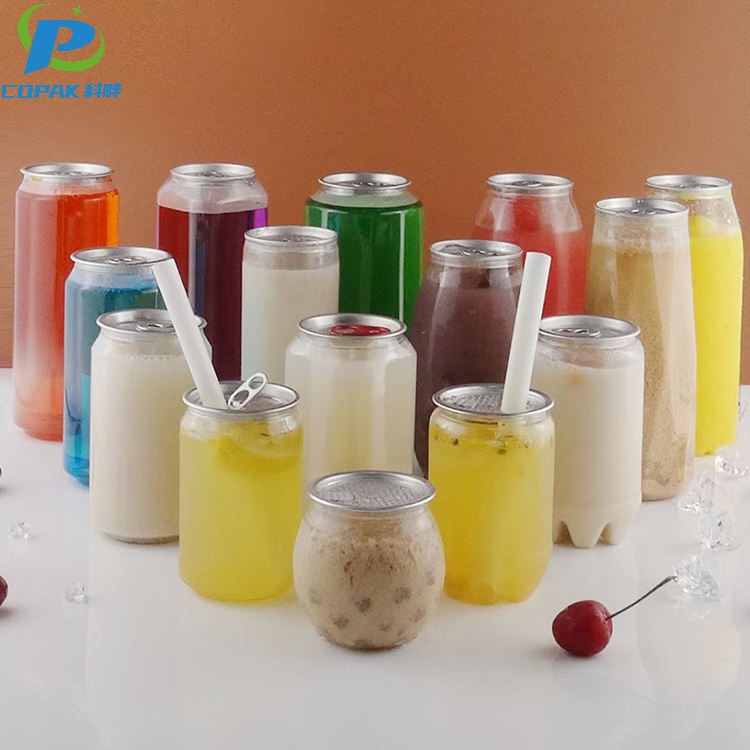
Our cans are made from Polyethylene Terephthalate (PET), identifiable by the #1 recycling code. PET is the most widely recycled plastic in the world. Unlike complex multi-layer pouches or mixed-material cartons, PET can be melted down and reformed into new bottles, fibers (for clothing), or strapping materials efficiently.
⚙️
The Aluminum Lid Factor
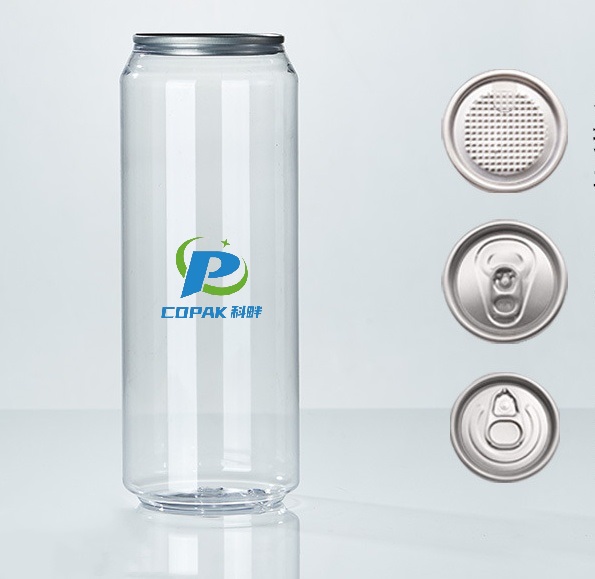
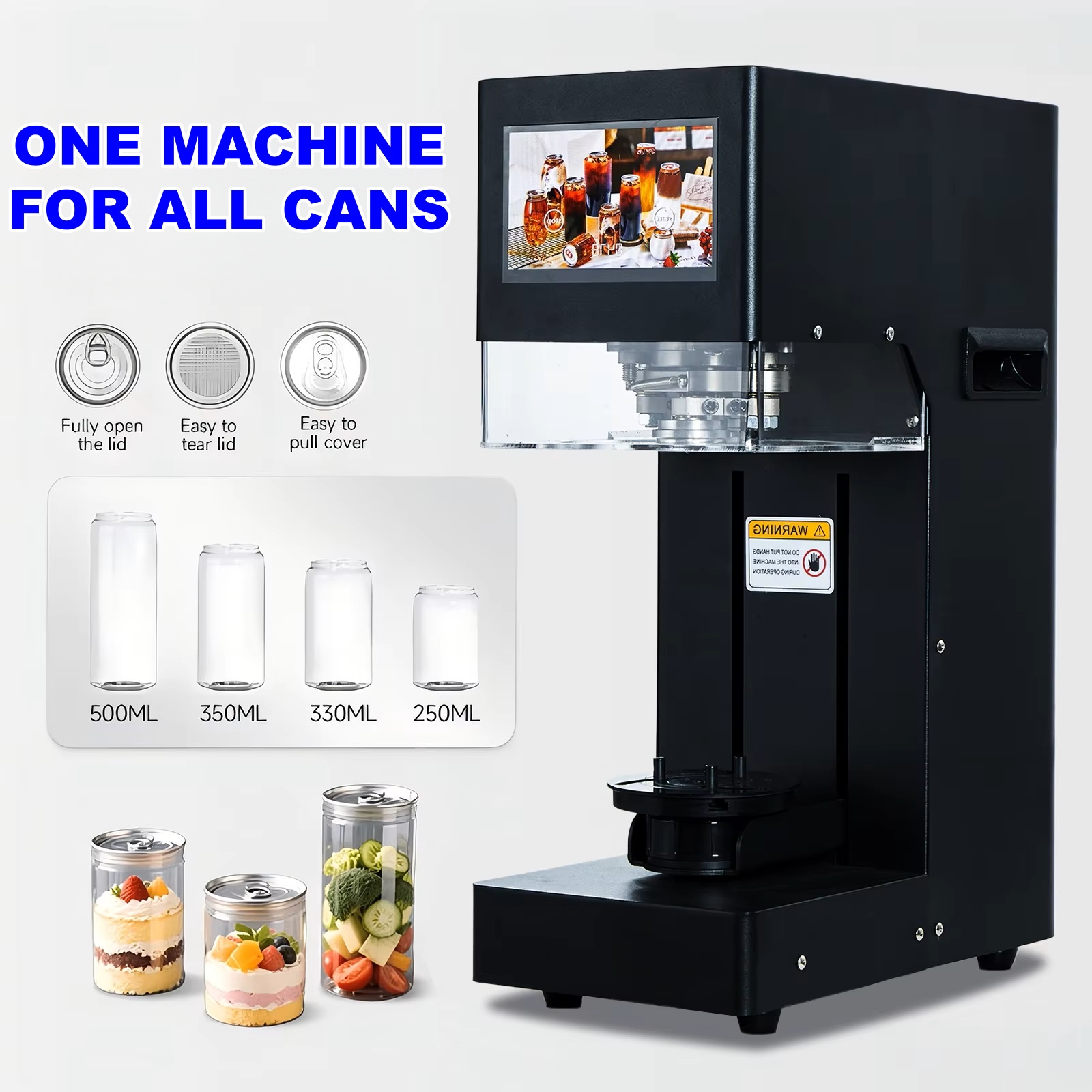
You might wonder, "What about the aluminum lid?" Modern recycling facilities are equipped to handle this. During the recycling process, materials are shredded and separated. The aluminum is separated from the plastic using eddy current separators, and both streams are recycled independently.
🚚
Lightweight Logistics
Sustainability isn't just about the material; it's about the carbon footprint of getting it to you.
Glass: Heavy and fragile, requiring significant fuel to transport.
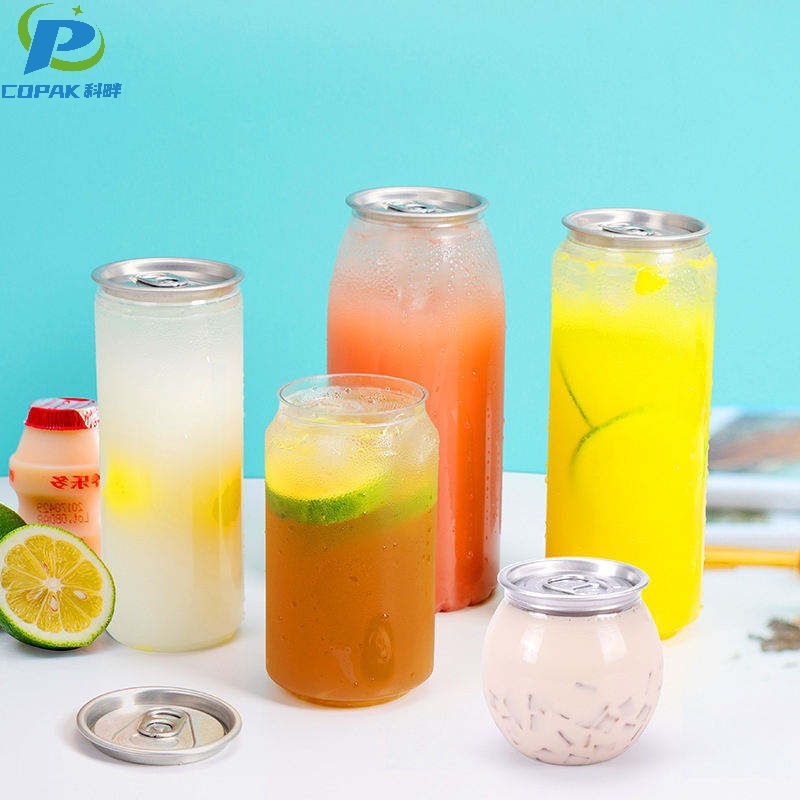
PET Cans: Extremely lightweight and shatterproof. Shipping PET cans consumes significantly less fuel and energy compared to glass jars or heavy bottles, reducing the overall carbon footprint of your supply chain.
Our Commitment
We are committed to sustainability. We offer virgin PET options for maximum clarity and are actively developing Recycled PET (rPET) solutions to close the loop. By choosing PET cans, you are choosing a material that fits into the circular economy.
Frequently Asked Questions
Are PET cans as recyclable as glass?
Yes, PET is the most recycled plastic worldwide. While glass is also recyclable, PET cans offer a lower carbon footprint during transportation due to their lightweight nature.
How do I recycle a PET can with an aluminum lid?
Most modern recycling centers use automated systems like eddy current separators to easily detach and sort the aluminum lid from the plastic body.
What does the #1 code on PET cans mean?
The #1 recycling code indicates the material is Polyethylene Terephthalate (PET), which is highly sought after by recyclers to create new food-grade packaging and textiles.
Can PET cans be used for food products?
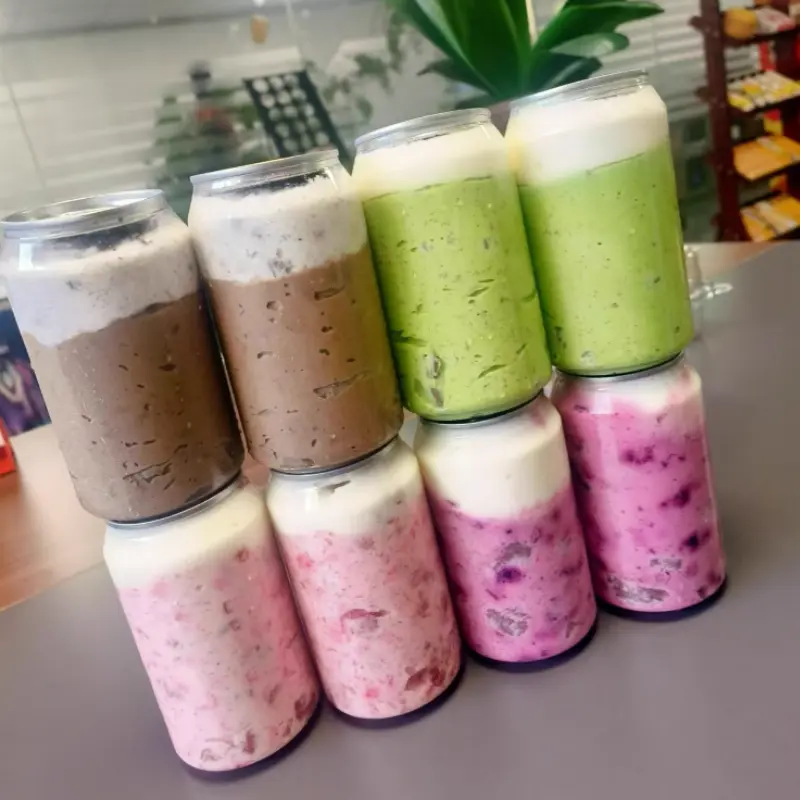
Absolutely. PET is a food-safe, BPA-free material approved for beverages, snacks, and desserts, offering excellent clarity and protection.
Do you offer eco-friendly alternatives like rPET?
Yes, we are actively developing and offering Recycled PET (rPET) solutions to help brands further reduce their environmental impact and support a circular economy.
Why are PET cans better for the environment than traditional jars?
Their lightweight and shatterproof design reduces shipping energy and breakage waste, leading to a significant reduction in the total carbon footprint of the product's life cycle.