1 / 3

Coffee in a PET can is usually sold at a higher price than coffee in a standard PET cup. This pricing reflects several key advantages in design, technology, and consumer experience.
Here are the specific reasons for the price difference:
PET Cup: This is an "open" container designed for immediate consumption. Once you buy it, you have to hold it. It spills easily if tipped over and cannot be safely thrown into a bag.
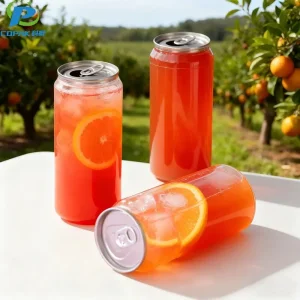
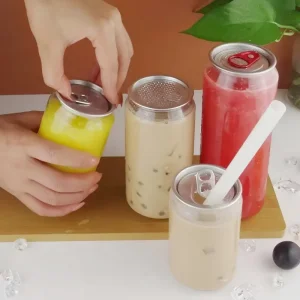
PET Can: This offers a huge functional advantage: a screw-top or sealed lid. You can drink half, seal it, put it in your backpack, and drink the rest hours later. Customers are willing to pay extra for the freedom to move around without worrying about spills.
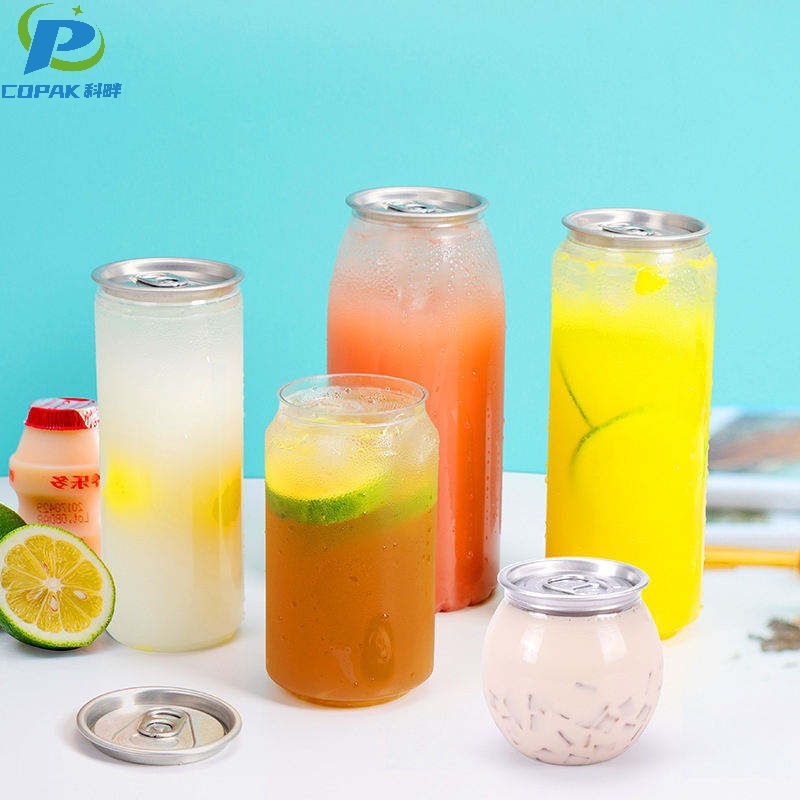
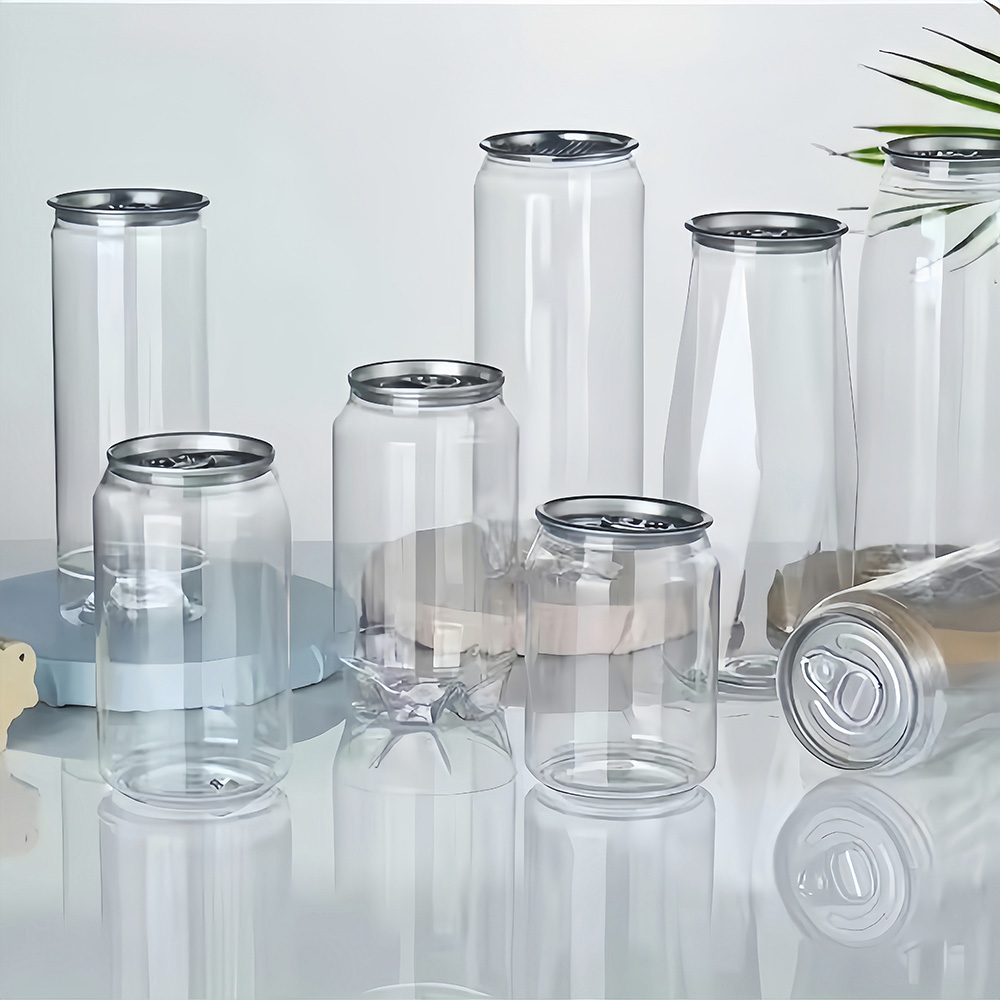
PET Cup: These are thin, simple plastic shells. They are extremely cheap to mass-produce and offer very little protection against oxygen or temperature changes.
PET Can: These containers are thicker and engineered with better barrier properties. They often use specialized multi-layer plastics to prevent oxygen from entering (which ruins the coffee flavor) and to withstand internal pressure or heat during the filling process. The container itself is significantly more expensive to make.
PET Cup: The drink is usually made fresh on the spot by a barista. While "fresh," it begins degrading (ice melting, oxidation) immediately.
PET Can: These are often produced in a factory setting or a specialized bottling line. They may undergo aseptic filling or high-pressure processing (HPP) to kill bacteria and extend shelf life without compromising flavor. This industrial process adds to the cost but guarantees a consistent product that lasts longer.
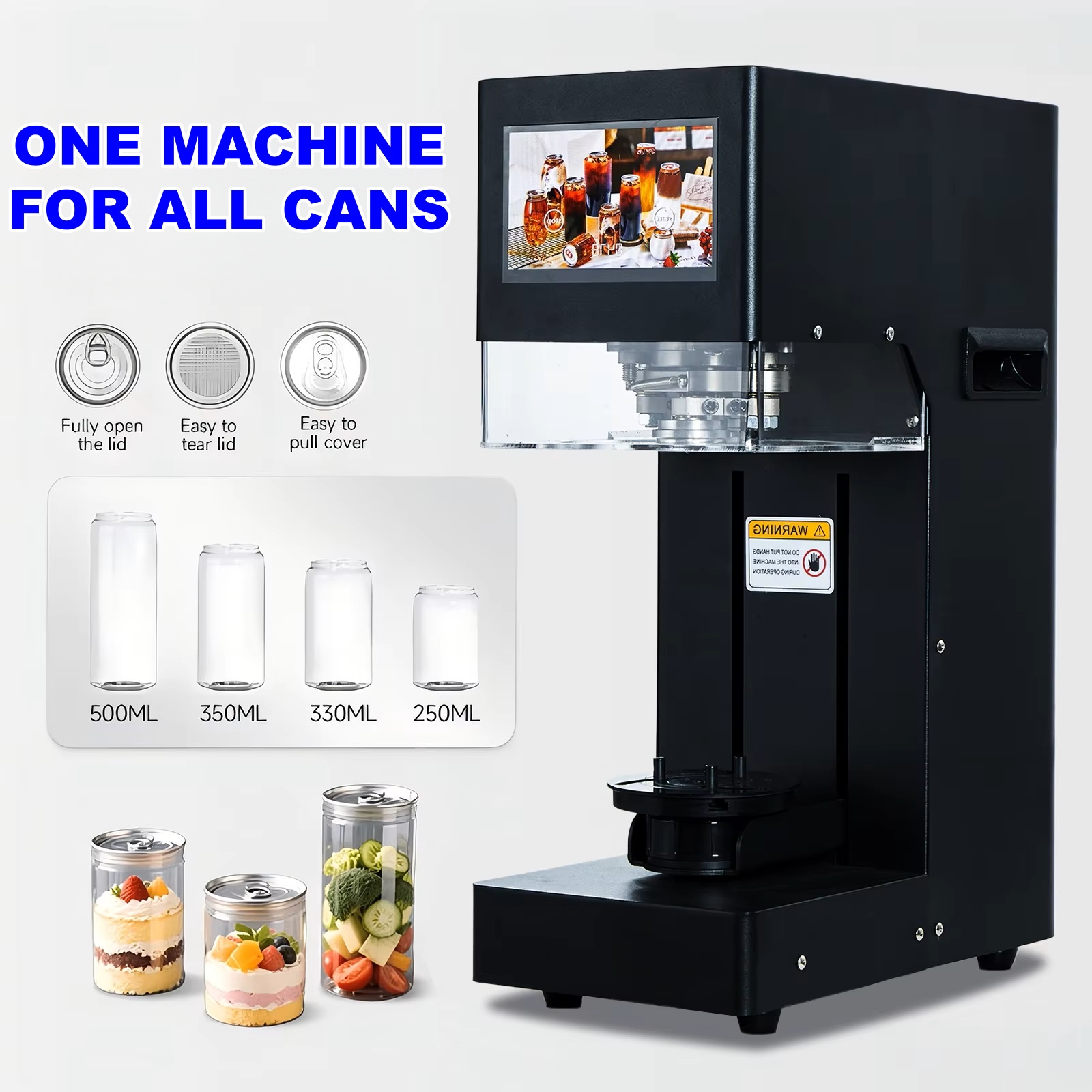
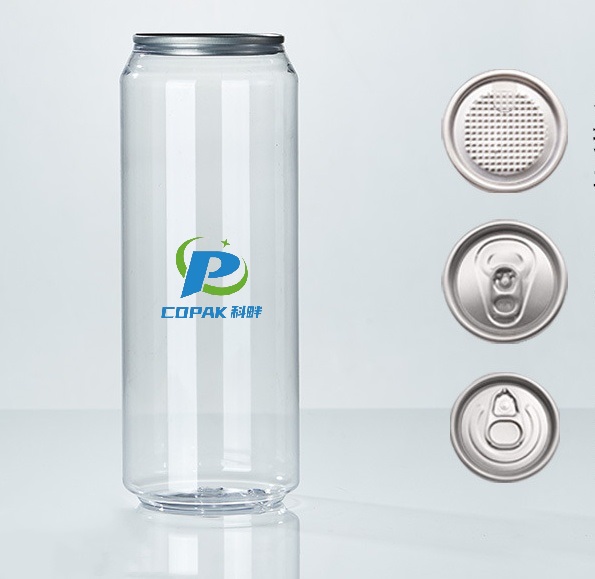
PET Cup: When you buy an iced coffee in a cup, 30% to 50% of the volume is often ice.
PET Can: The can is usually filled entirely with liquid beverage. Even if the can looks smaller, you are often purchasing more actual coffee/milk and less frozen water, justifying the higher price tag.
PET Can: These are marketed as premium "Ready-to-Drink" (RTD) products. They often feature higher-quality label designs and are positioned as a sophisticated, high-end grab-and-go option, whereas the plastic cup is seen as a standard, everyday commodity.
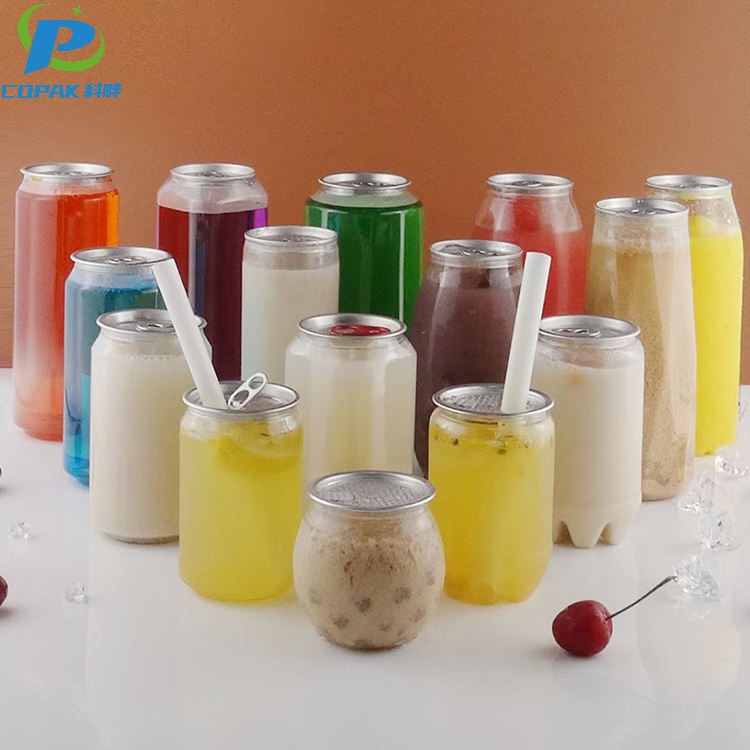
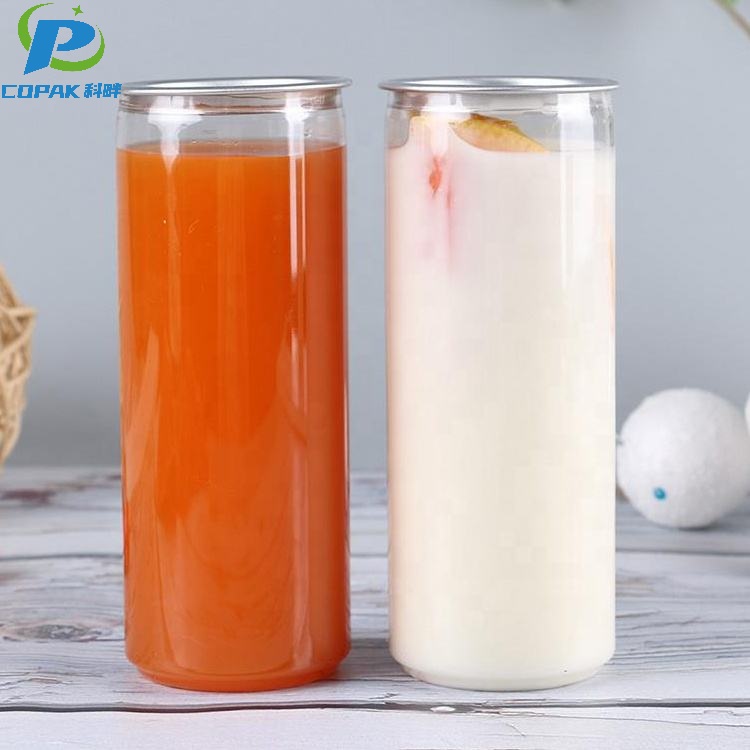
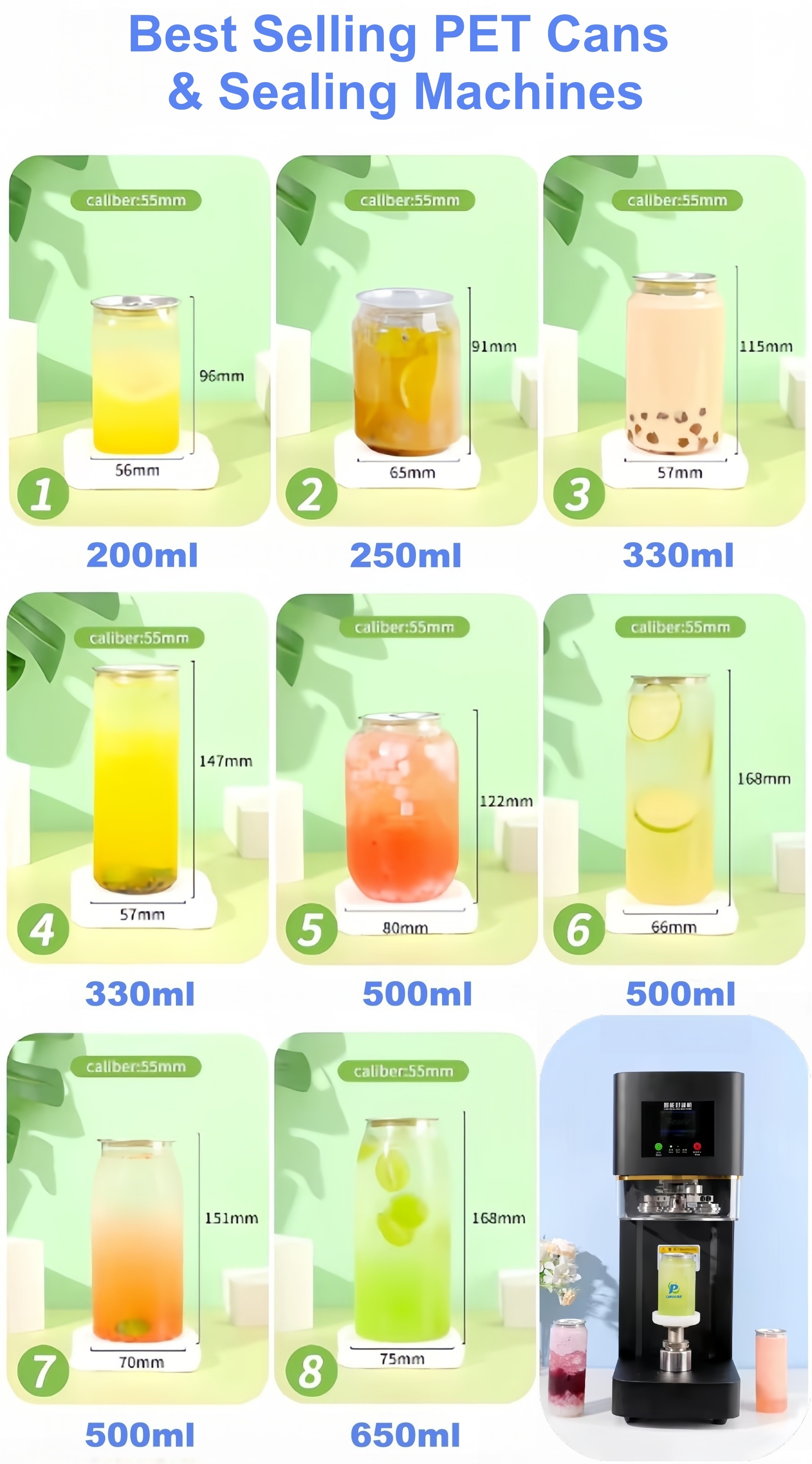
The higher price is due to advanced packaging materials, resealable lids for portability, specialized production processes like aseptic filling, and the fact that you receive more actual liquid compared to ice-filled cups.
Yes. PET cans are engineered with superior barrier properties and thicker walls to prevent oxygen from entering, which helps maintain the original flavor and aroma much better than thin plastic cups.
Absolutely. Unlike standard PET cups, PET cans feature screw-top or specialized sealed lids designed for portability, allowing you to reseal and store them in a bag safely.
Usually, yes. In a standard PET cup, a large portion of the volume is occupied by ice. PET cans are typically filled entirely with the beverage, providing more actual product volume.
PET cans are positioned as Ready-to-Drink (RTD) premium products. They feature higher-quality designs and are more durable, making them a sophisticated choice for modern "grab-and-go" lifestyles.
PET cans often undergo industrial processes such as aseptic filling or High-Pressure Processing (HPP) which eliminate bacteria while preserving flavor, significantly extending the product's shelf life compared to fresh-poured cups.