How We Manufacture Premium Quality PET Cups
To the casual observer, a plastic cup is a simple commodity. But to a manufacturer, it is a product of precision engineering and strict quality control. The difference between a "cheap" cup that cracks and a "premium" cup that performs lies in the manufacturing process. As a leading factory, we utilize advanced thermoforming technology to produce containers that meet the highest global standards.
Step 1: 100% Virgin Material
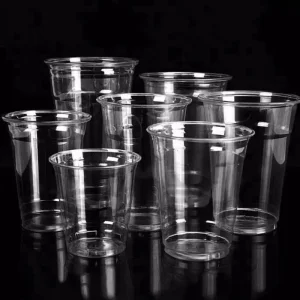
Quality starts with the raw material. We use only 100% Virgin PET Resin (unless specifically producing rPET orders). We do not mix in unknown fillers or low-grade industrial scraps. This ensures that every cup has consistent clarity, strength, and safety. Virgin resin guarantees that the plastic is free from black specks, haziness, or yellowing, resulting in that crystal-clear, glass-like finish our clients demand.
Step 2: Precision Extrusion and Thermoforming
Our production line begins with extrusion, where raw pellets are melted into a uniform plastic sheet. This sheet is then fed into high-speed thermoforming machines. Here, the plastic is heated and formed into molds using a combination of vacuum and pressure.
Uniform Wall Thickness: A common defect in cheap cups is thin, weak spots in the sidewalls. Our advanced machinery ensures even distribution of plastic throughout the cup, creating a sturdy container that feels solid in the hand.
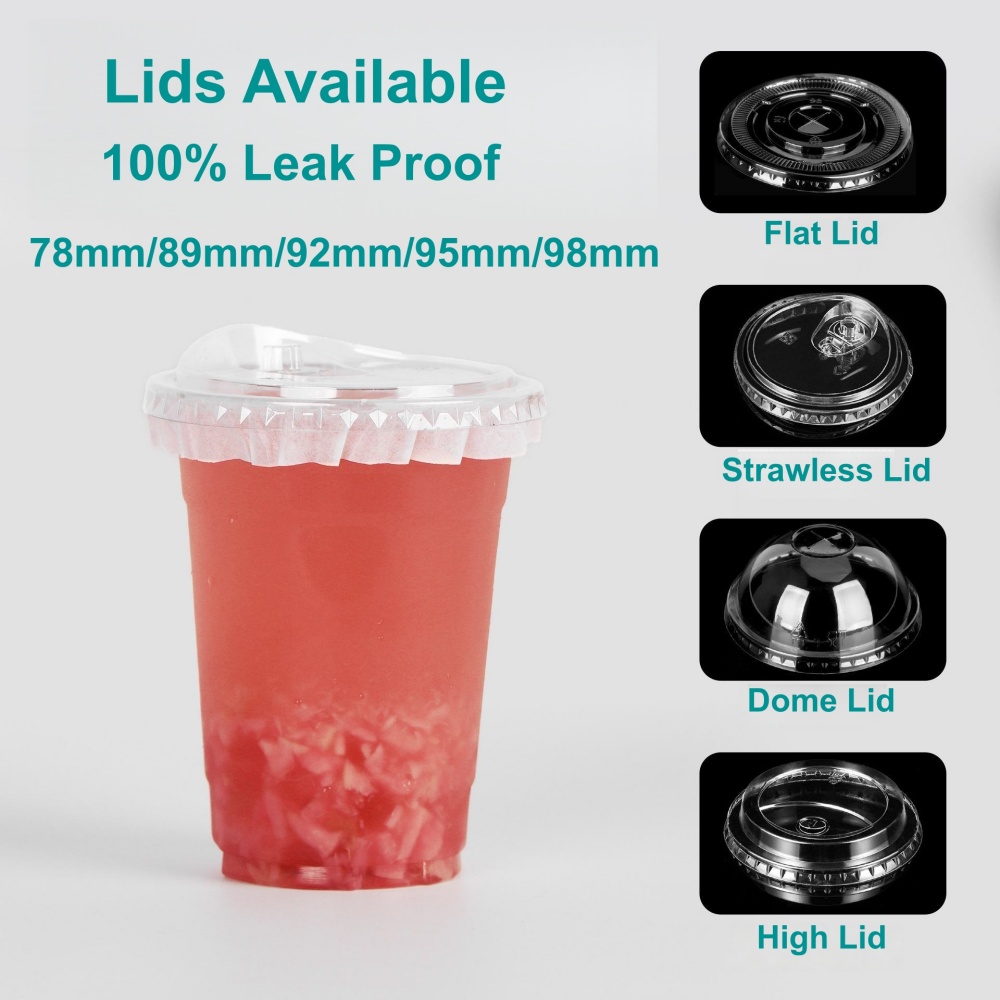
Smooth Rolled Rims: The rim of the cup is the most critical contact point. It needs to be smooth for the lips and precise for the lid. Our secondary rolling process creates a perfectly round, smooth rim that guarantees a tight lid fit every time.
Step 3: Automated Quality Control
Human inspection is important, but machine vision is flawless. Our production lines are equipped with automated camera systems that scan cups at high speed. These cameras detect microscopic defects such as cracks, bubbles, or foreign particles. Any cup that does not meet our strict tolerance levels is automatically rejected and recycled back into the process.
Step 4: Hygiene and Certification
We understand that our products touch food. Our manufacturing environment is a Dust-Free Workshop that adheres to strict hygiene protocols including hairnets, sanitization, and enclosed lines. We hold major certifications including ISO 9001 (Quality Management), BRC (British Retail Consortium), and FDA compliance documentation.
Frequently Asked Questions
What materials are used in your PET cups?
We use 100% Virgin PET Resin to ensure the highest clarity, strength, and food safety. We can also provide rPET (recycled PET) upon request.
How do you ensure the cups don't have thin or weak spots?
Our advanced high-speed thermoforming machinery ensures uniform wall thickness by precisely distributing the plastic sheet during the molding process.
Are the cup rims comfortable for drinking?
Yes, we implement a secondary rolling process that creates a smooth, rounded rim for a comfortable drinking experience and a secure lid fit.
How is the quality of each batch verified?
We use automated high-speed camera systems that scan every cup for microscopic defects like bubbles or cracks, automatically rejecting any that fail our standards.
Are your manufacturing facilities food-safe?
Absolutely. Our production takes place in a dust-free workshop following strict hygiene protocols and holds ISO 9001, BRC, and FDA certifications.
Do your cups meet international standards?
Yes, our products comply with global standards including FDA documentation, making them suitable for major international supermarket chains and brands.