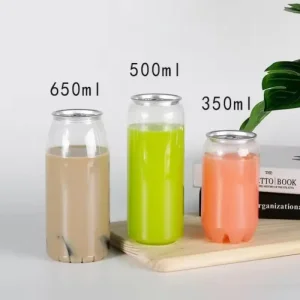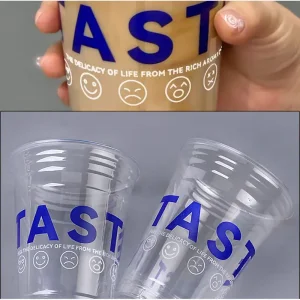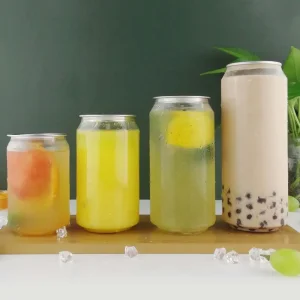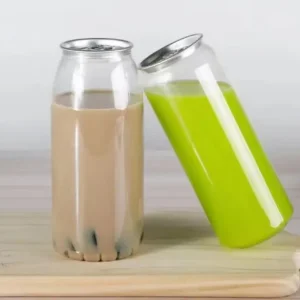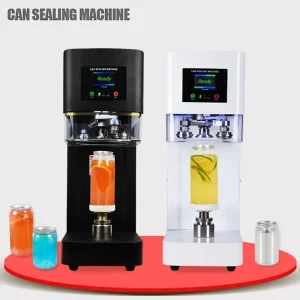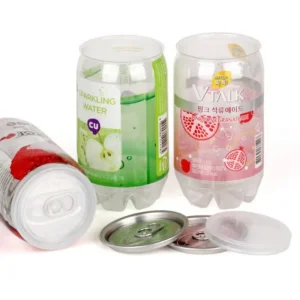
Explore our high-performance rigid packaging products engineered to deliver hermetic barriers and optimize shelf life.
In the hyper-competitive beverage sector, the integrity of a sealed container directly dictates product quality, flavor profile retention, and overall brand equity. For craft brewers, RTD (Ready-To-Drink) cocktail manufacturers, and contract beverage packagers, selecting the right beer can sealer manufacturer is the foundation of structural quality control. The mechanics of double-seaming involve precise, high-speed deformation of metal to create a hermetic seal. Understanding the technology roadmap from mechanical-cam configurations to smart, servo-driven automation provides high-capacity fillers with a major efficiency edge.
Traditionally, standard can seamers rotated the entire can assembly during the double seaming cycle. In modern beverage packaging, specifically for carbonated beverages like beer, this rotation induces centrifugal forces that can cause product spillage and oxygen pickup. Non-rotary systems feature stationary cans with orbiting seaming rollers. This ensures zero spill rates, minimizes dissolved oxygen (DO), and guarantees high-efficiency seaming for both thin-wall aluminum cans and custom PET pop cans.
The industry is moving away from mechanical gearboxes towards direct-drive servo motors controlling the seaming rollers. Servo control allows real-time adjustment of seaming pressure and profiles via software. This means packaging lines can seamlessly switch between aluminum and PET substrates without downtime, optimizing seamer speed, mechanical wear, and double-seam precision.
Integrating edge computing sensors into seamer tooling heads enables real-time force measurement. These sensors detect deviations in seam thickness, chuck pressure, and roller wear. The system flag anomalies, preventing batch errors, minimizing product loss, and predicting tool wear patterns before a catastrophic failure occurs on the production line.
| Performance Parameters | Semi-Automatic Series | Fully Automatic Rotary Series | Advanced High-Speed Servo Systems |
|---|---|---|---|
| Canning Speed (CPM) | 15 - 25 Cans Per Minute | 30 - 60 Cans Per Minute | 100 - 300+ Cans Per Minute |
| Stationary Seaming Type | Stationary Can / Rotating Head | Non-Rotary (Stationary Can) | Multi-head Rotary Carousel |
| Can Height Flexibility | 39mm - 150mm (Adjustable) | 39mm - 200mm (Toolless Adjust) | Fully Automated Dynamic Height adjustment |
| Applicable Can Materials | Aluminum, Tinplate, PET, Paperboard | Aluminum, Tinplate, PET Cans | Aluminum & high-barrier thin-wall PET Cans |
| Double Seam Tolerances | Within 0.05 mm | Within 0.02 mm | Within 0.01 mm (Closed-loop monitored) |
Modern beverage companies face a shift in consumer demand. From the rise of microbreweries and hard seltzers to specialty RTD mocktails and canned cold brew, packaging formats are fragmenting. As a custom beer can sealer manufacturer, we supply both the mechanical hardware and complete end-to-end integration designs to match these evolving needs. Our solutions handle multiple configurations:
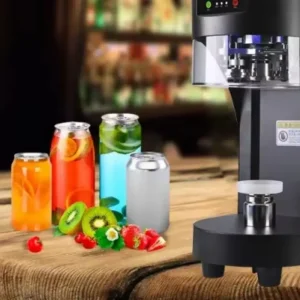
Small footprint, easy sanitization, and minimal oxygen intake. Our systems are engineered to integrate with counter-pressure and gravity fillers, ensuring optimal carbonation retention without high capital expenditure.
Due to the presence of highly corrosive ingredients (such as citrus acids and high sugar content), seamer heads must be manufactured using grade 316 stainless steel with titanium nitride (TiN) coated rollers.
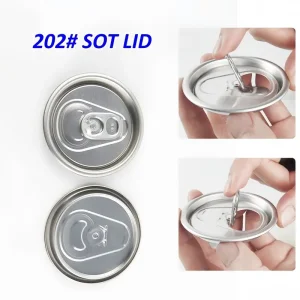
The interface between metal lids (202# SOT or EOE) and PET can walls requires modified seaming contours. Normal metal-on-metal pressure profiles would crush PET. We supply custom profile rollers designed specifically for plastics.
Modular integration with upstream rinsing, filling, and gas dosing (Liquid Nitrogen injection) systems. Dynamic communication protocols via Modbus/Ethernet ensure smooth packaging line operations.
At Shanghai COPAK Industry Co., Ltd., we combine the speed of Shanghai's engineering hub with the capacity of our advanced Guangdong manufacturing plant. This hybrid operational structure offers significant advantages to global procurement managers:
Unlike simple assembly shops, we control the entire lifecycle of our packaging materials (PET cups, PET can bodies) and sealing machines. This reduces compatibility friction and optimizes the double-seam contact interface.
All seamer chucks, rollers, and mechanical cams are machined in-house using high-end multi-axis CNC machines. We ensure dimensional accuracy within a few microns, keeping double-seam profiles consistent across millions of cycles.
Our direct proximity to Guangdong's metalworking hubs and Shanghai's global logistics infrastructure guarantees reliable parts supply, rapid prototype delivery, and cost-effective ocean and air shipping.
Exporting beverage equipment internationally requires strict adherence to regional safety and hygiene directives. As an ISO 9001:2015 certified manufacturer, we verify that every custom beer can sealer meets critical regulatory frameworks:
COPAK ensures reliable operations through international supply channels. We provide comprehensive documentation, complete CAD integration drawings, PLC logic backups, and ready-to-ship replacement wear parts (rollers, lifter springs, and seaming chucks) to minimize operational downtime.
Direct Engineering Consultations
Established in 2021, Shanghai COPAK Industry Co., Ltd. maintains a sales office in Shanghai and an associated factory in Guangdong Province. As a professional supplier of eco-friendly food and beverage packaging solutions, our product portfolio includes PET cups, PET cans, and sealing machines, among other related items.
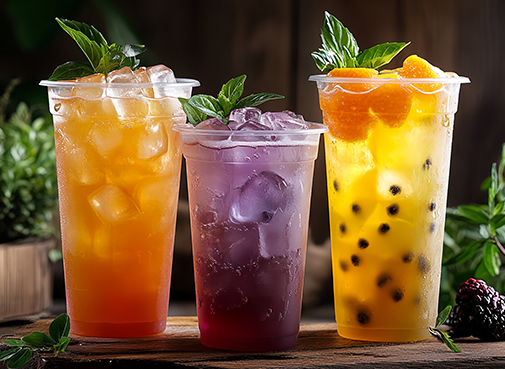
Committed to staying ahead of market trends through continuous innovation, COPAK delivers high-quality yet cost-effective packaging solutions. Our product range covers PET cups and cans in diverse shapes and capacities—from 1oz to 32oz—available in both plain finishes and custom printed designs. As a long-term strategic partner and trusted supplier, we dedicate ourselves to designing and manufacturing reliable, premium-quality, and stylish PET cups and cans for our clients.
Comprehensive Packaging Solutions
Having supplied PET cup and PET cans to numerous renowned brands, our products are now distributed globally.
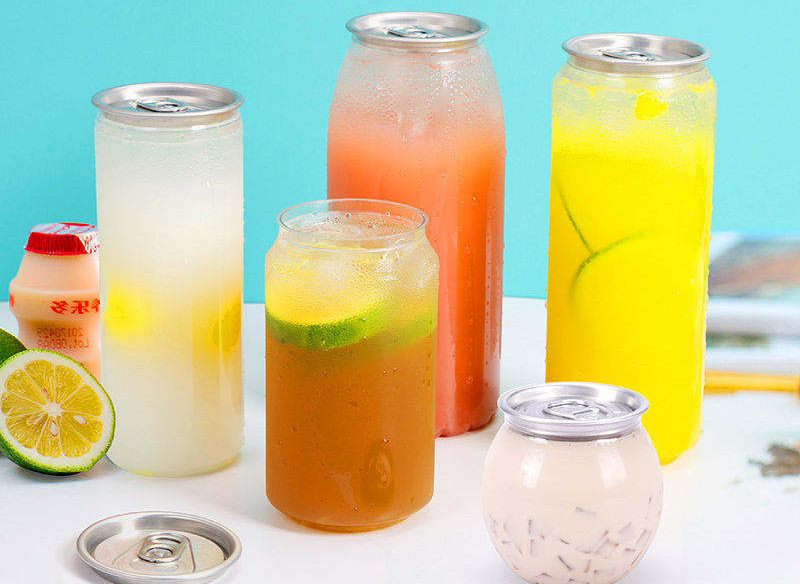
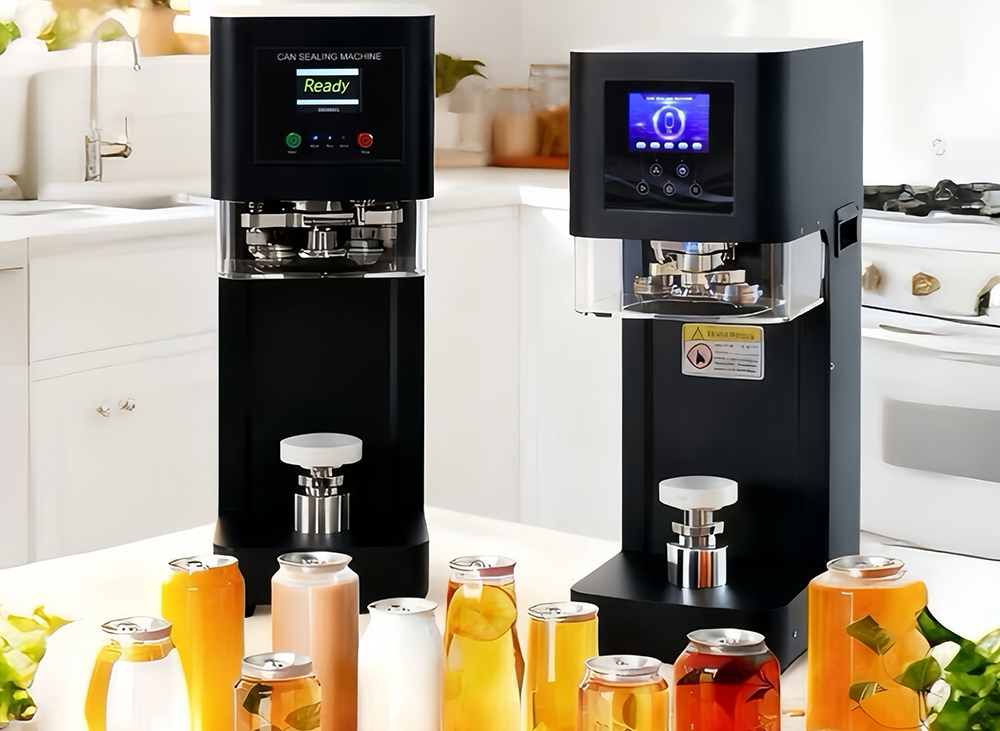
We provide customers with green Eco-friendly high-quality products.
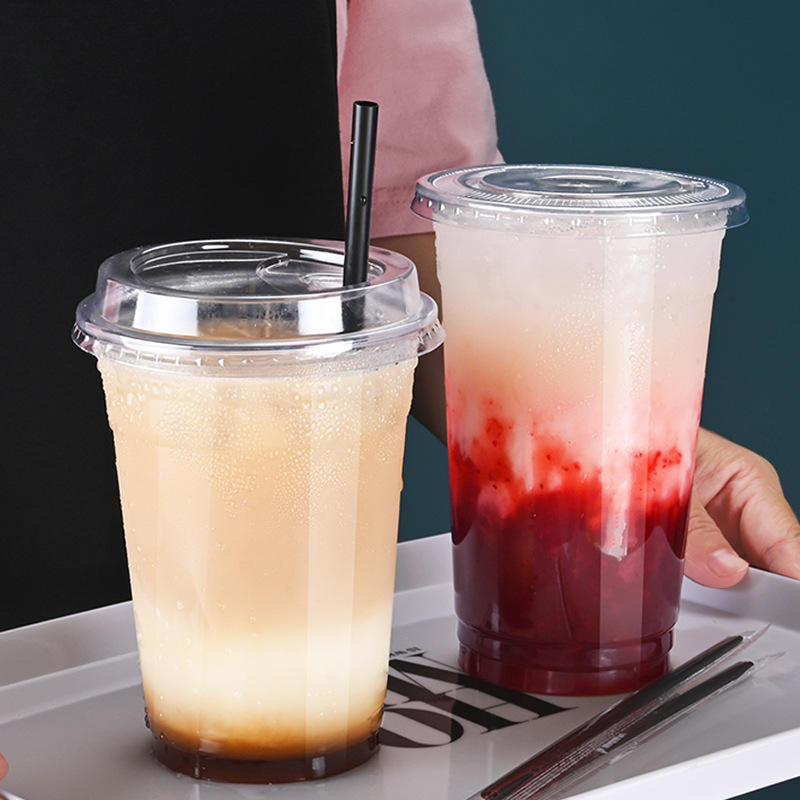
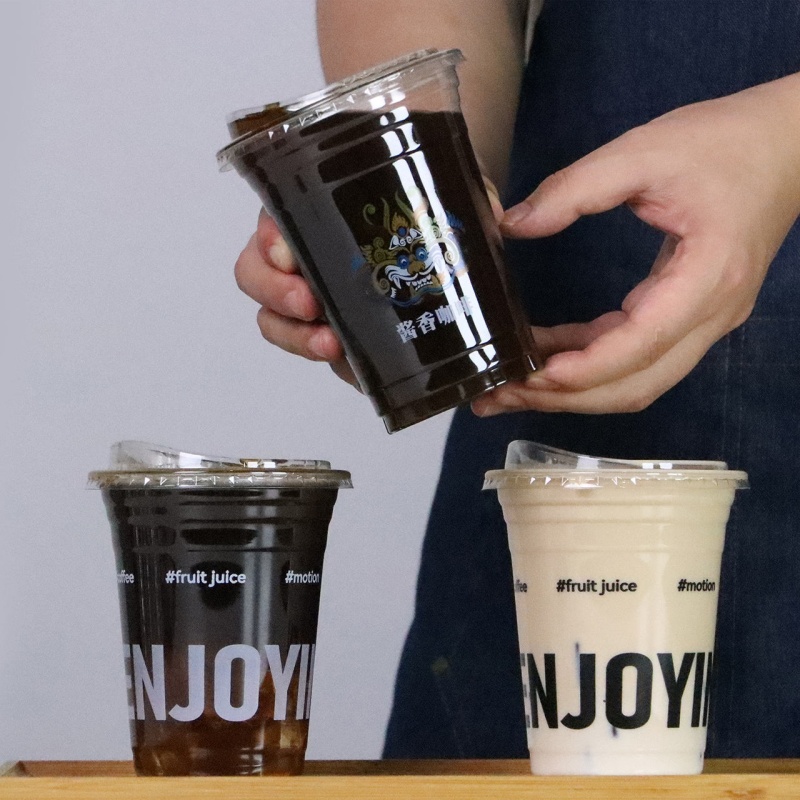
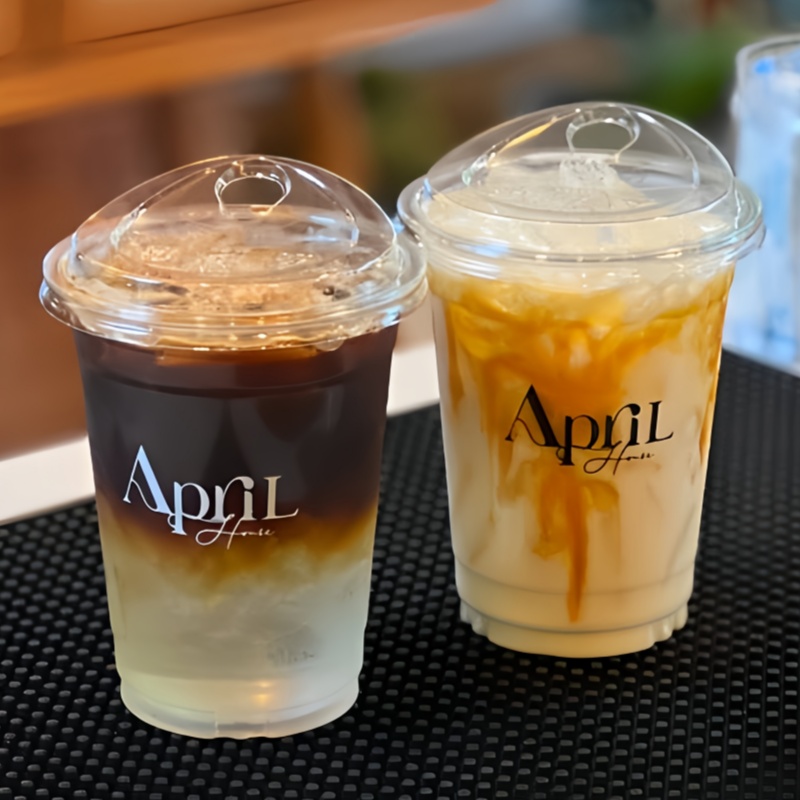
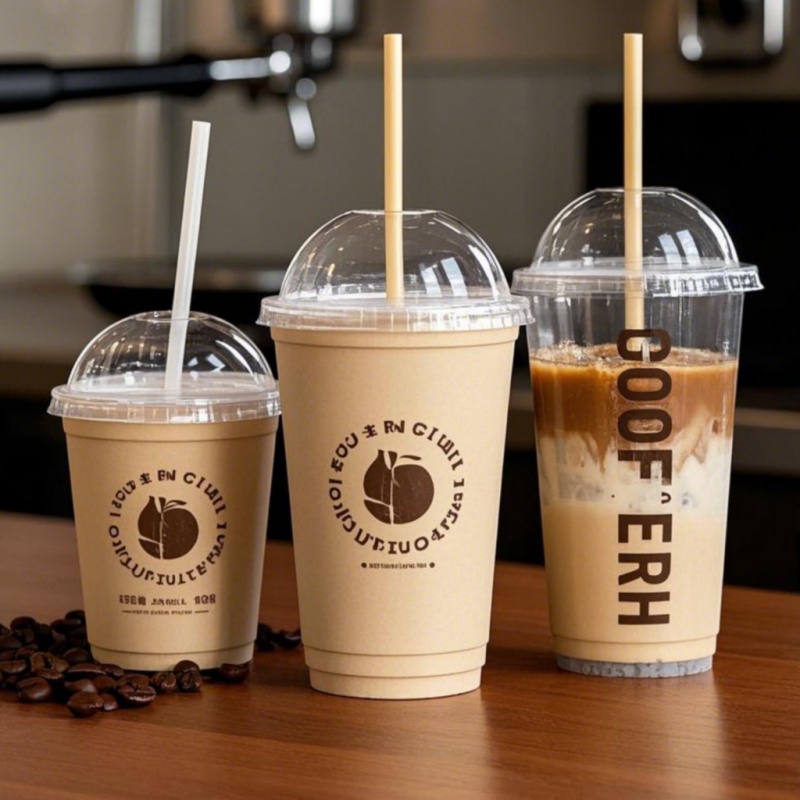
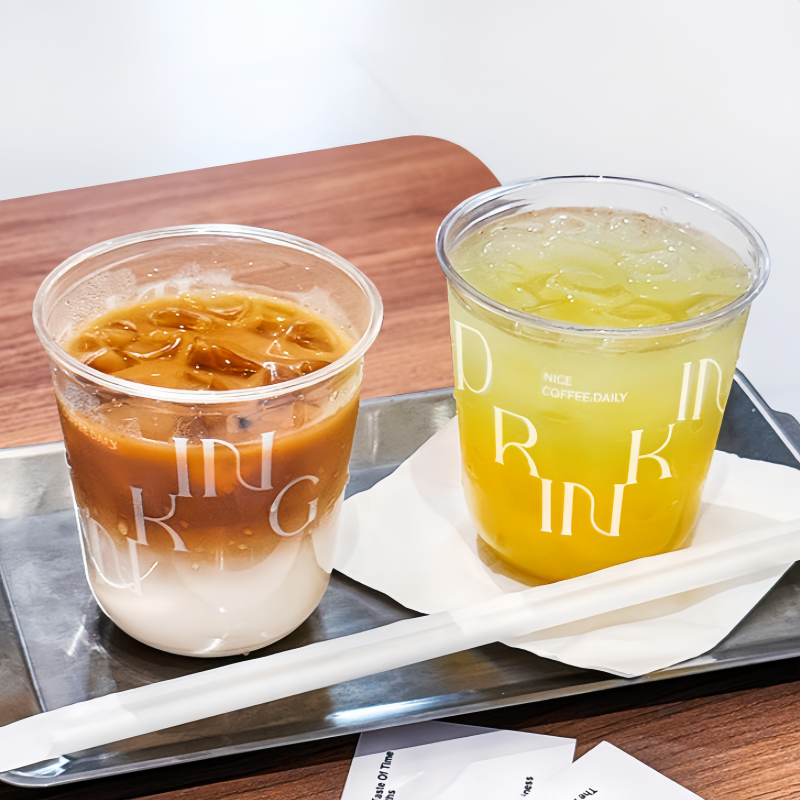
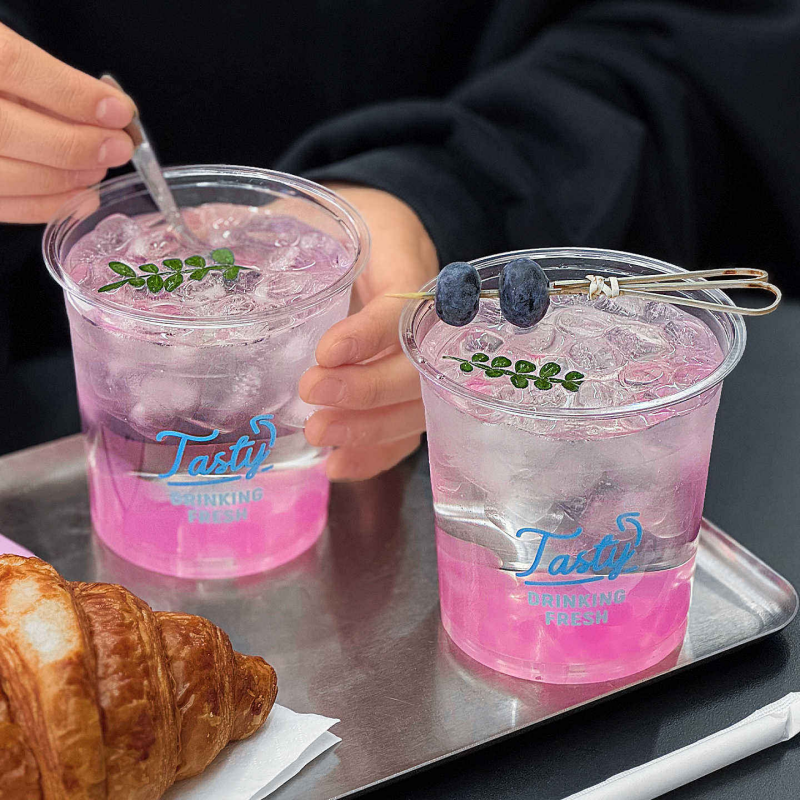
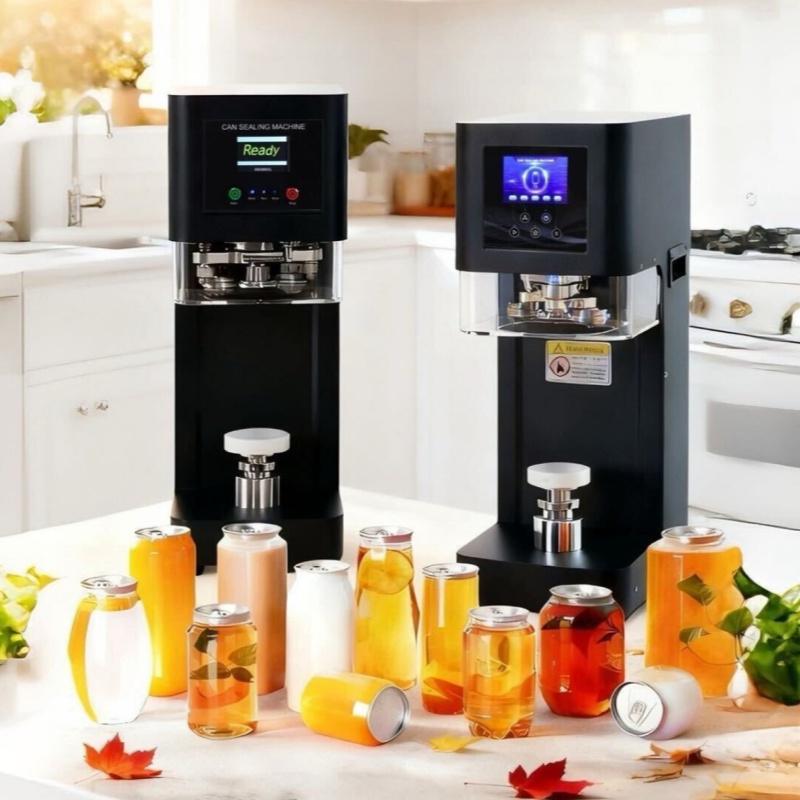
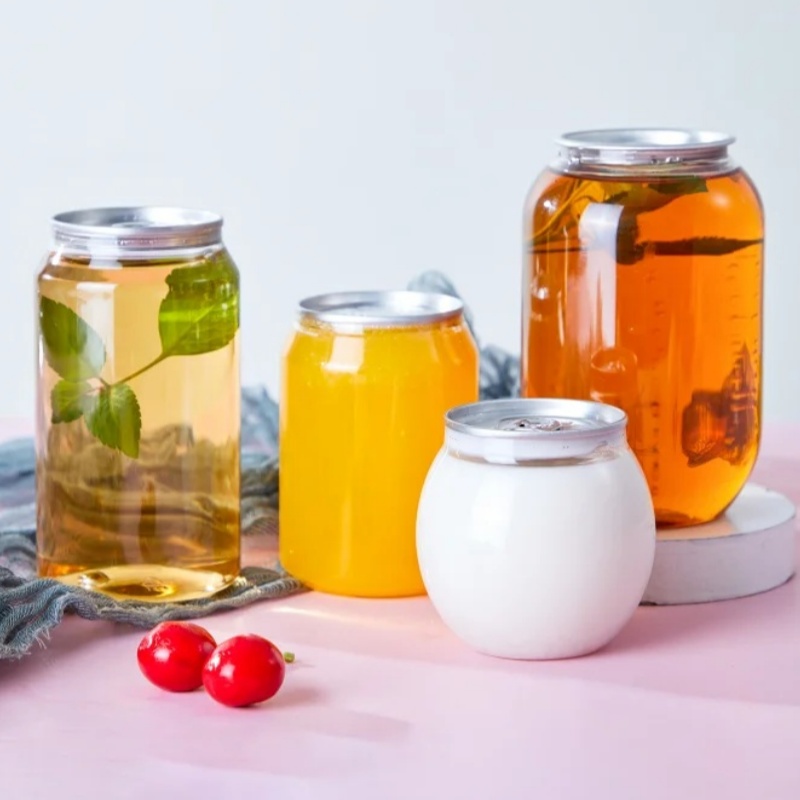
Detailed answers to critical mechanical and operational queries faced by packaging engineers and procurement directors.
In a rotary can sealer, the can plate and can chuck rotate at high speed while seaming rollers apply lateral pressure. In a non-rotary (stationary) beer can sealer, the can sits stationary on the lifter plate while the seaming head with rollers orbits the stationary can. Non-rotary systems are highly recommended for liquids, especially carbonated beverages like beer, because they eliminate centrifugal force, preventing liquid sloshing and spillage. This maintains low dissolved oxygen levels and keeps the environment clean.
DO pickup is minimized through two primary methods: CO2 under-cover gassing (UCG) and liquid nitrogen dosing. The gassing unit sweeps away ambient oxygen from the headspace right before the lid is pressed on. Integrating a high-precision gassing system with a stationary seaming mechanism ensures the protective carbon dioxide blanket is not disturbed, keeping DO levels below 30 parts per billion (ppb).
Yes, but it requires changing the seaming rollers and chucks. Aluminum cans are rigid and can withstand high vertical and lateral sealing pressures. PET cans, however, have lower axial load resistance and require customized seaming profiles with lower pressure settings to avoid crushing the plastic neck. We supply interchangeable roller profiles (typically 202# and 206#) to support smooth production runs across both materials.
Double seam inspections assess several critical measurements to ensure a proper seal:
We provide complete technical documentation, step-by-step video installation guides, and direct PLC support over IP. We maintain a stock of wearing parts, such as seaming chucks, first-operation rollers, and second-operation rollers, ready to ship globally. For complex system integrations, our engineering team offers remote configuration support to sync the sealer with upstream fillers.
Stay informed on the latest trends in canning technology, barrier properties, and industrial automation.
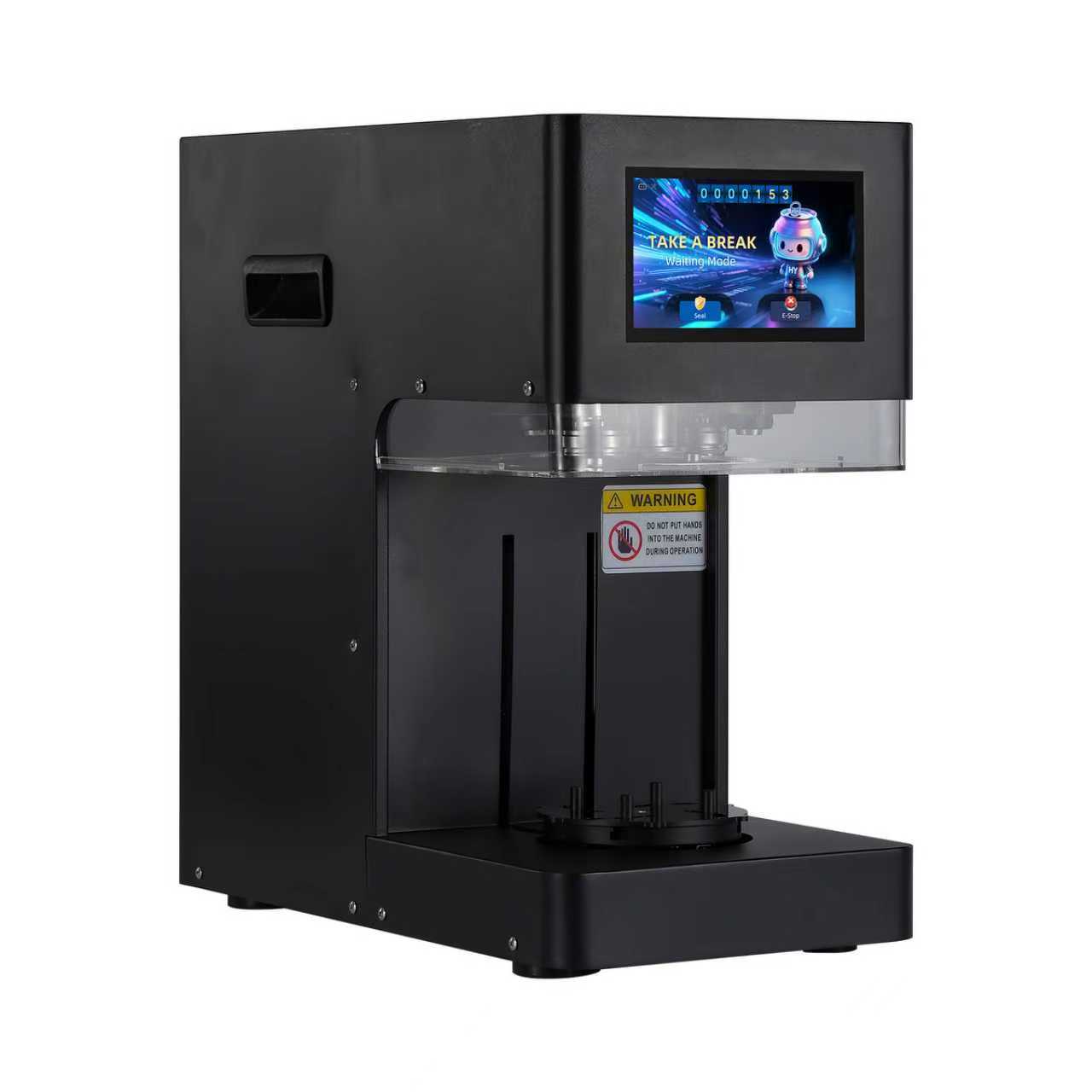
Discover our latest smart seamer series featuring servo-driven controls, real-time pressure monitoring, and toolless changeovers.
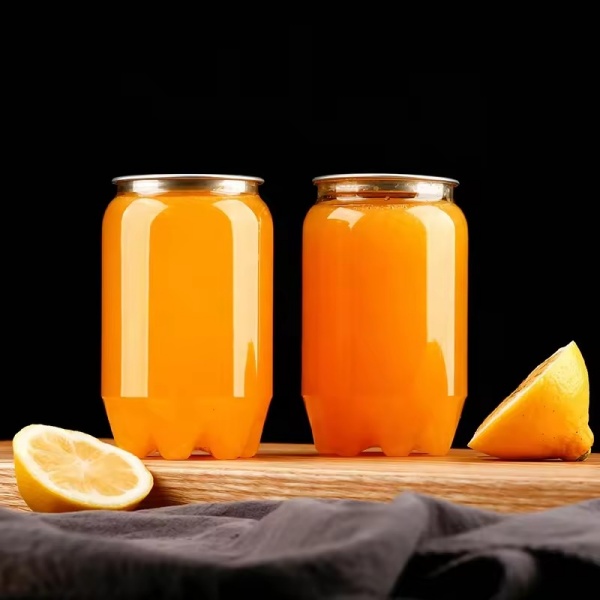
An in-depth review of gas transmission rates, UV blockers, and mechanical barrier performance in modern PET beverage packaging.
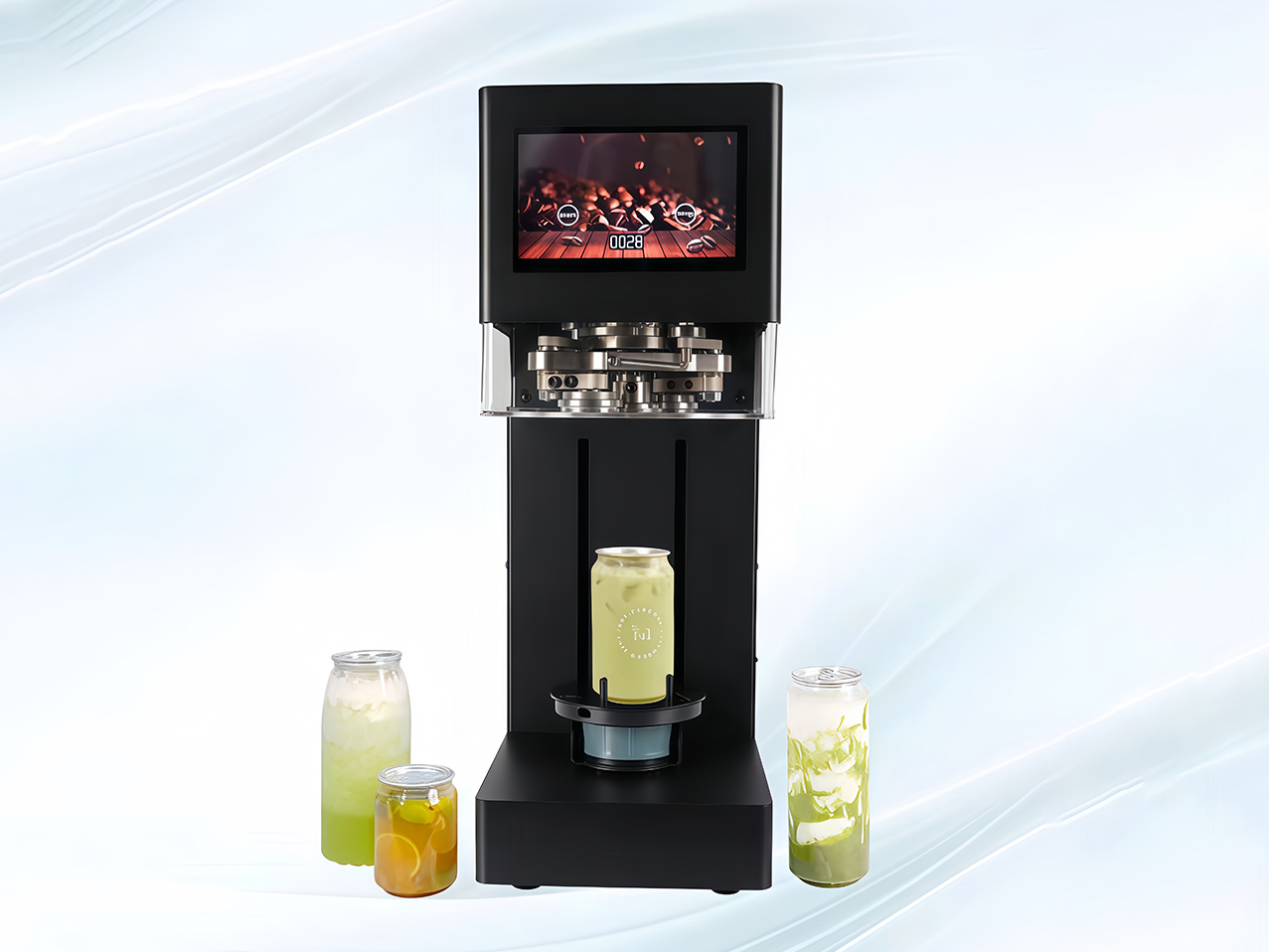
Exploring the mechanical history and design of automatic double-seam sealers for cold-chain PET can packaging.
Select from our range of PET packaging materials and sealing equipment designed for modern filling operations.