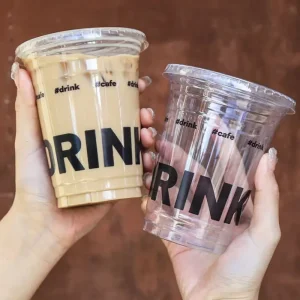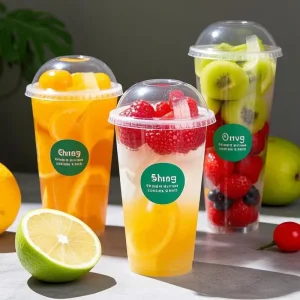
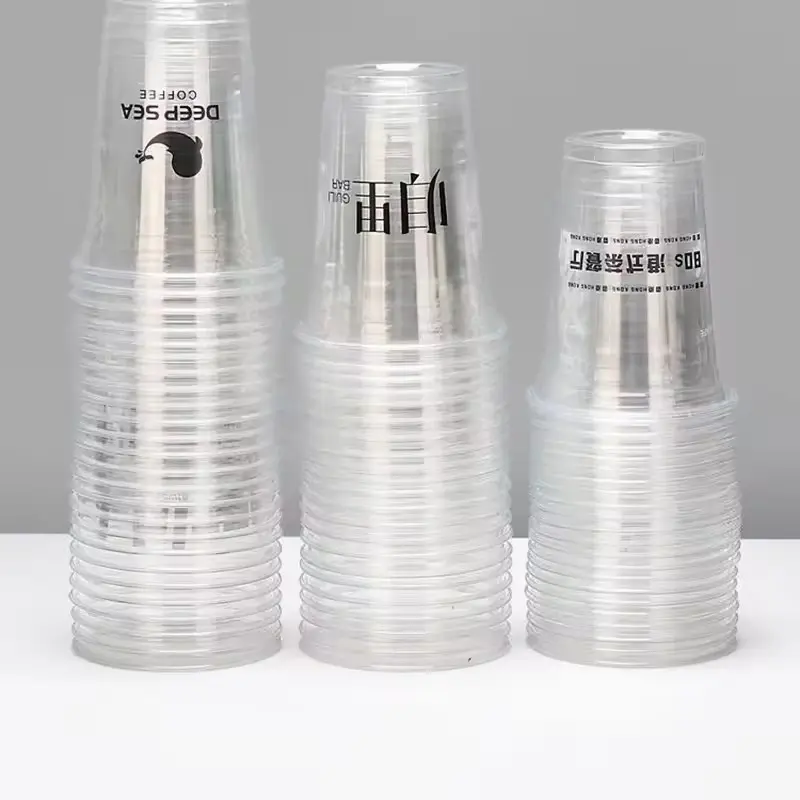


Navigating the world of plastics can be confusing, with various acronyms like PET, PP, and PS used interchangeably. However, for food and beverage packaging, these materials are far from equal. Making the right choice impacts not only the appearance and durability of your product but also its safety, recyclability, and ultimately, your brand's reputation. We specialize in PET (Polyethylene Terephthalate), and here's why we believe it's the superior choice compared to Polypropylene (PP) and Polystyrene (PS).
By understanding these fundamental differences, you can see why PET stands out as the premium material for clear, durable, and safe food and beverage packaging, offering the best overall value for your business and your customers.
Frequently Asked Questions
Why is PET plastic clarity superior to PP and PS?
PET delivers a glass-like optical clarity that showcases the vibrant colors and layers of food items like salads and desserts. PP tends to look hazy or translucent, while PS can appear rigid and brittle, lacking the clean look of PET.
Is PET plastic safe for food and beverage contact?
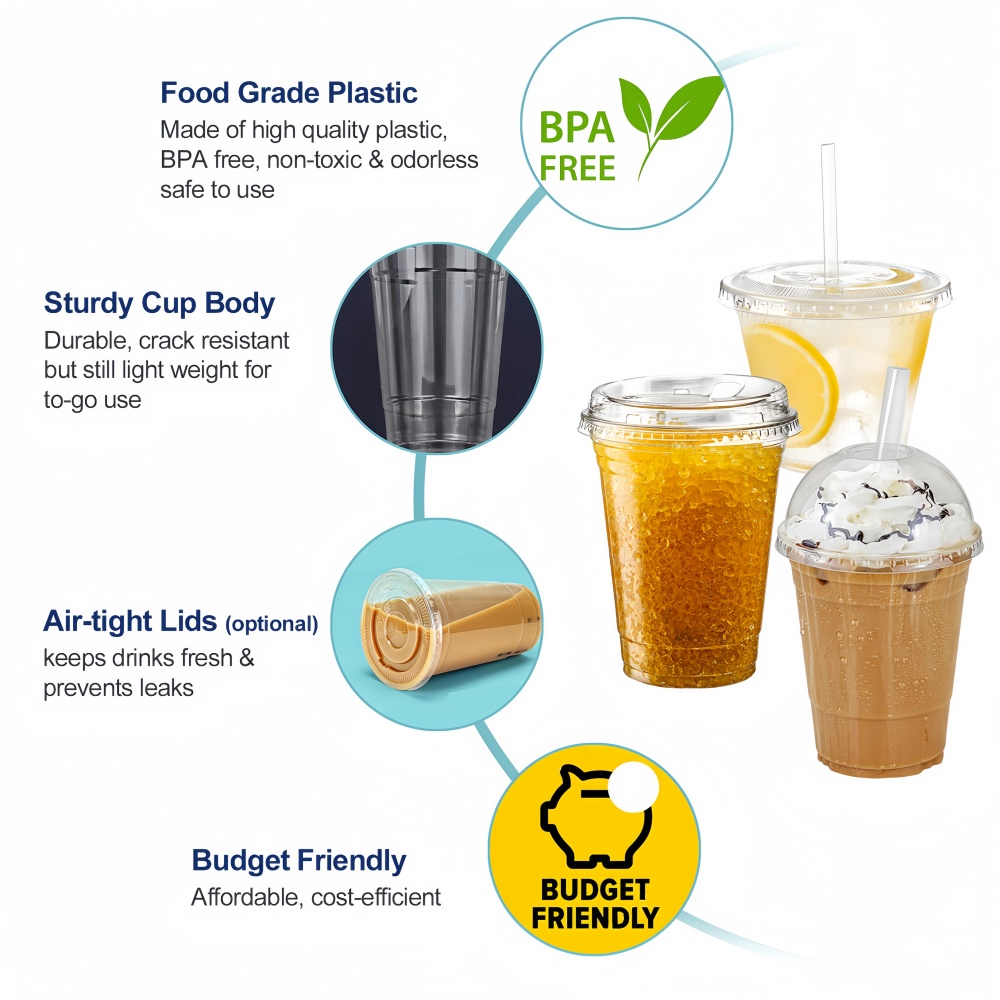
Yes, PET is a chemically inert material, meaning it does not react with foods or affect their taste. It is entirely BPA-free and approved for direct food contact by major global regulatory groups, including the FDA.
Can PET food packaging handle cold temperatures?
Absolutely. PET performs exceptionally well in cold and freezing environments without turning brittle or cracking, making it perfect for cold beverage bottles, refrigerated deli foods, and freezer storage.
How does the durability of PET compare to PS?
PET is highly flexible and resistant to cracking during shipping and handling. PS, on the other hand, is notoriously brittle and prone to shattering under stress or when exposed to low temperatures.
Which plastic is more eco-friendly: PET or PP?
PET (recycling code #1) is the most widely recycled plastic in the world, with highly established recycling infrastructures. PP (recycling code #5) is also recyclable, but has lower recycling rates globally due to limited demand.