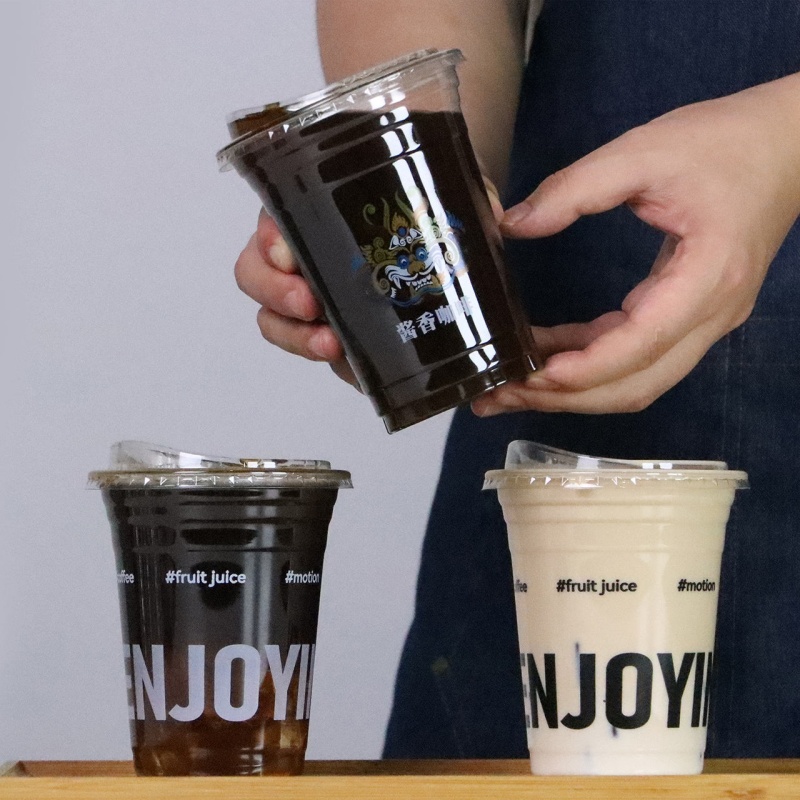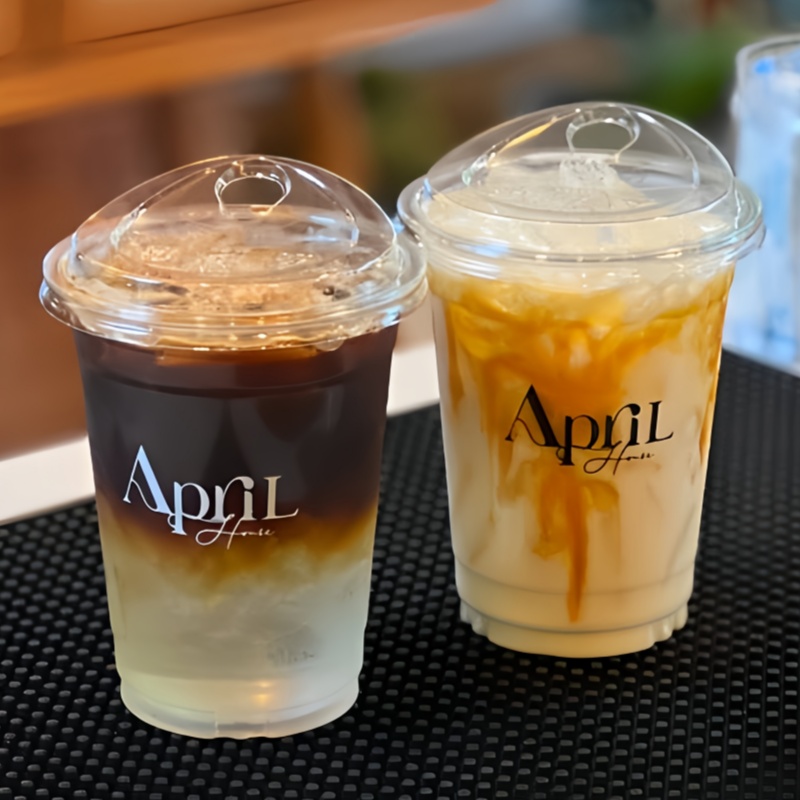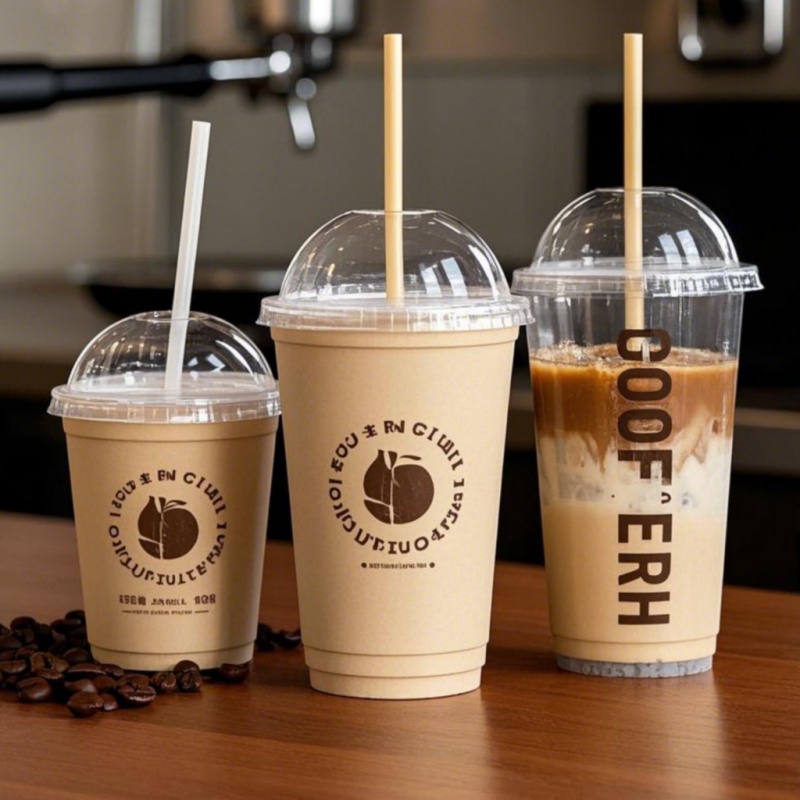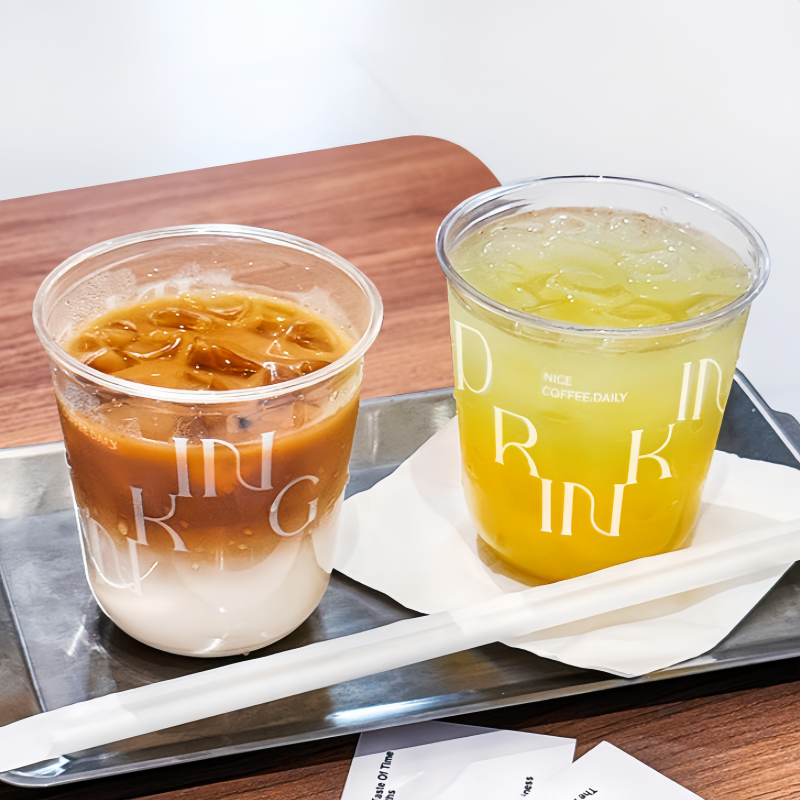
Explore our high-performance PET plastic containers, custom lids, and smart sealing line assemblies.
In the food, beverage, and chemical packaging sectors, the integrity of the seal is the primary determinant of shelf life, product quality, and safety. The modern double seam technology used in tin and PET container sealing machines is a mechanical marvel designed to yield an airtight (hermetic) joint. By mechanically interlocking the cover/lid flange and the container body flange, a multi-layered structure is formed.
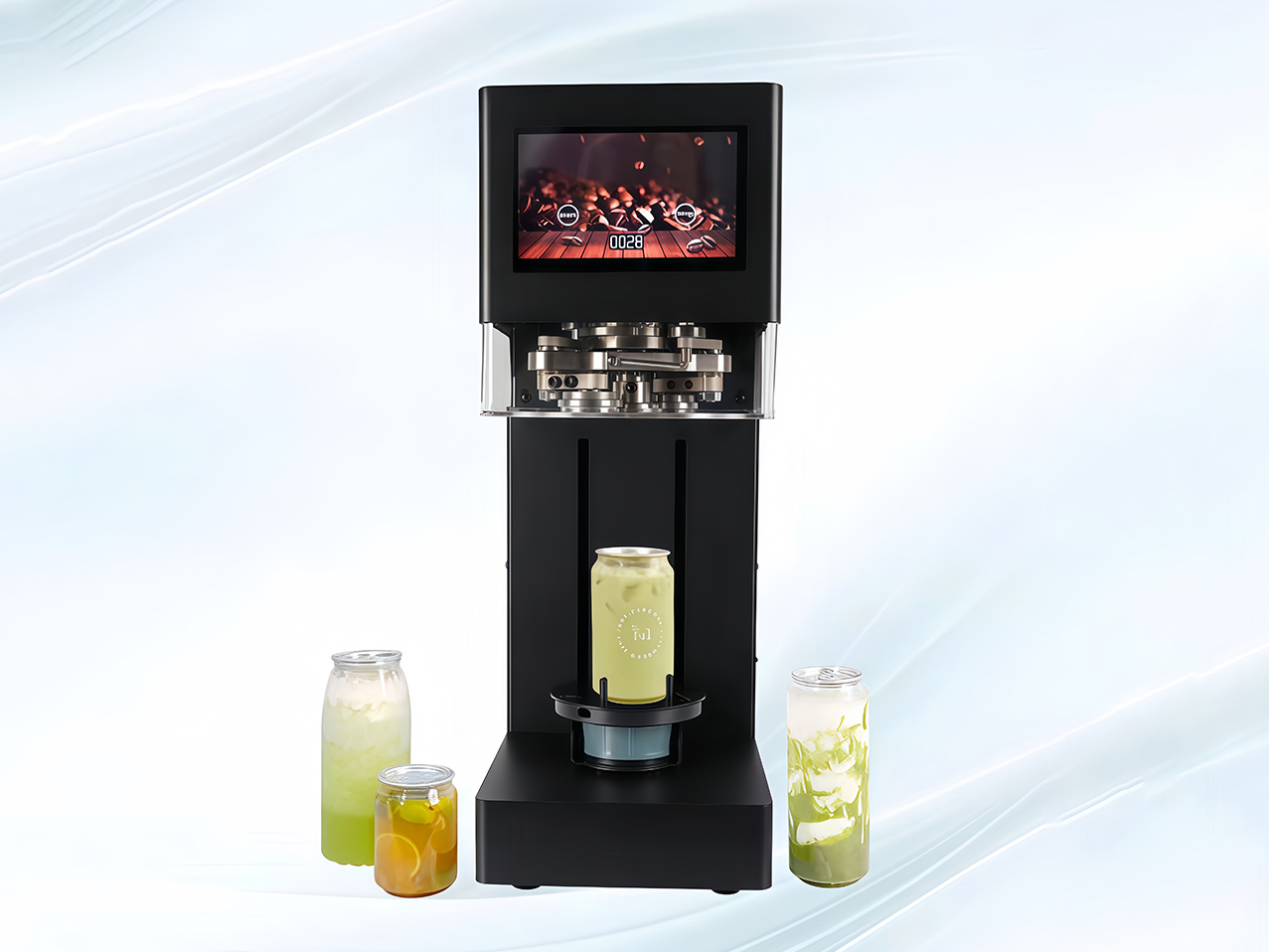
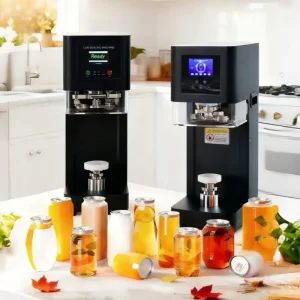
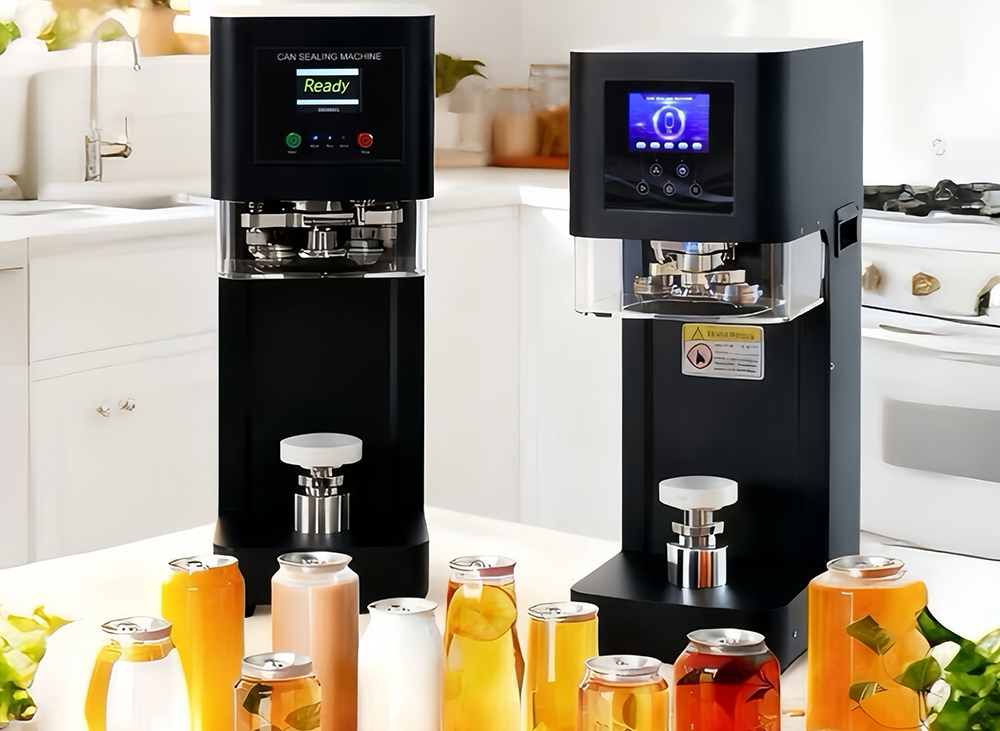
As a premier Tin Container Sealing Machine Manufacturer & Supplier, COPAK integrates cutting-edge CNC precision-machined seaming chucks and heavy-duty titanium alloy seaming rollers to minimize tool wear, ensuring repeatable double-seam perfection over millions of cycles.
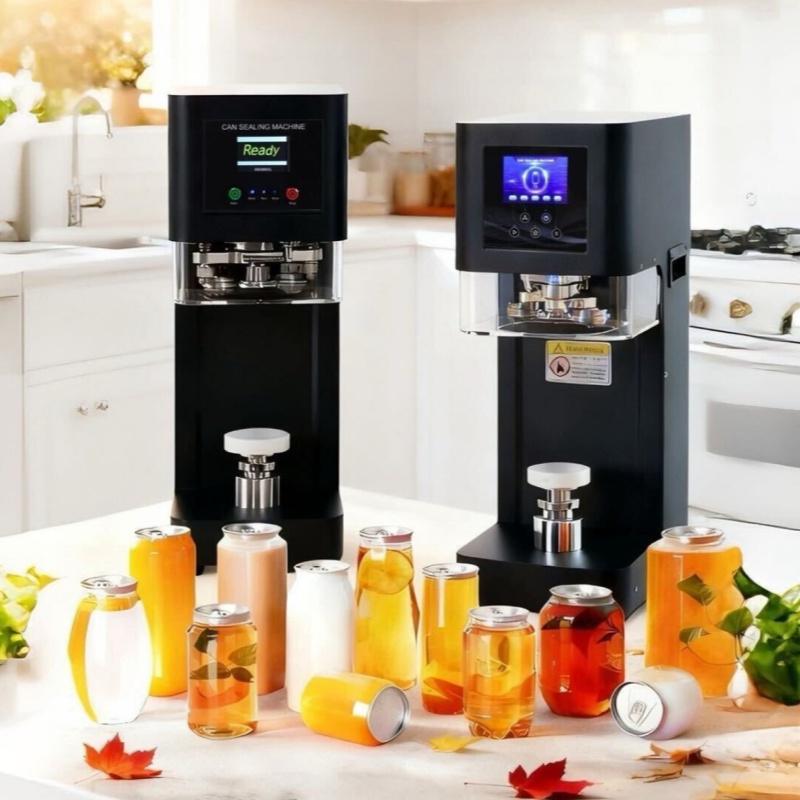
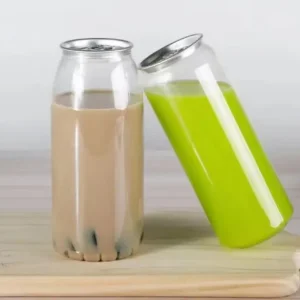
Traditionally, tin container sealing machines focused solely on heavy tinplate cans. Today, modern industrial packaging lines require high adaptability. Modern machinery handles:
This hybrid capability allows packaging plants to minimize capital expenditure by using the same base seaming platform, swap-out chucks, and guide plates to switch between rigid tin containers and flexible PET cans.
Analyzing key structural factors that global manufacturing procurement officers use to evaluate high-volume machinery suppliers.
Global production lines demand uptime figures upwards of 98%. Our smart can seamers feature low-maintenance planetary drives, computerized auto-lubrication, and quick-change tooling to reduce changeover downtime from hours to minutes.
Improper sealing roll profiles lead to container neck damage or flange fractures. We utilize chromium steel (Cr12MoV) rollers with PVD coatings, matching exact material profiles to prevent friction wear and oxidation degradation.
Modern smart factories require machinery that speaks Ethernet/IP or Modbus TCP protocols. Our sealing lines integrate seamlessly with upward conveyor networks, filling valves, nitrogen gas dosing stations, and central SCADA platforms.
Leveraging China's manufacturing clusters provides significant commercial advantages. Specifically, the integration of Shanghai COPAK Industry Co., Ltd.'s corporate sales network in Shanghai with our specialized associated factory in Guangdong Province forms a dynamic dual-hub setup.
This strategic synergy translates directly to competitive pricing models, highly shortened lead times, rapid custom tooling turnaround (often within 7-10 working days), and a direct route to major international sea routes. By owning and coordinating this vertical integration, COPAK removes intermediary markups, passing the direct cost advantage to the customer.
| Parameters | Traditional Local Sourcing | COPAK China Supply Chain |
|---|---|---|
| Lead Time (Custom Lines) | 16 - 24 Weeks | 6 - 10 Weeks |
| Custom Tooling Cost | Premium ($$$$) | Optimized Cost (High Precision) |
| Protocol Standard | Variable | CE / FDA Certified Materials |
| Support Availability | Time Zone Constrained | 24/7 Digital Remote Monitoring |
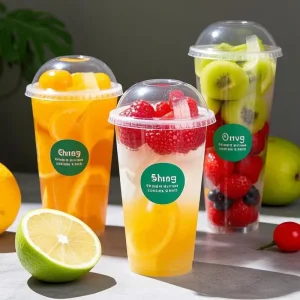
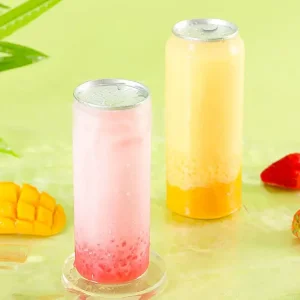
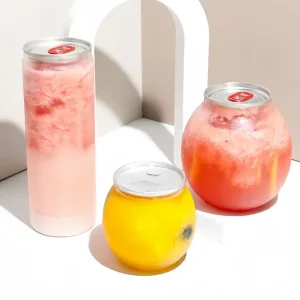
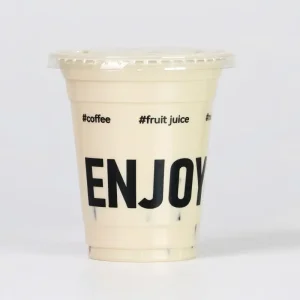
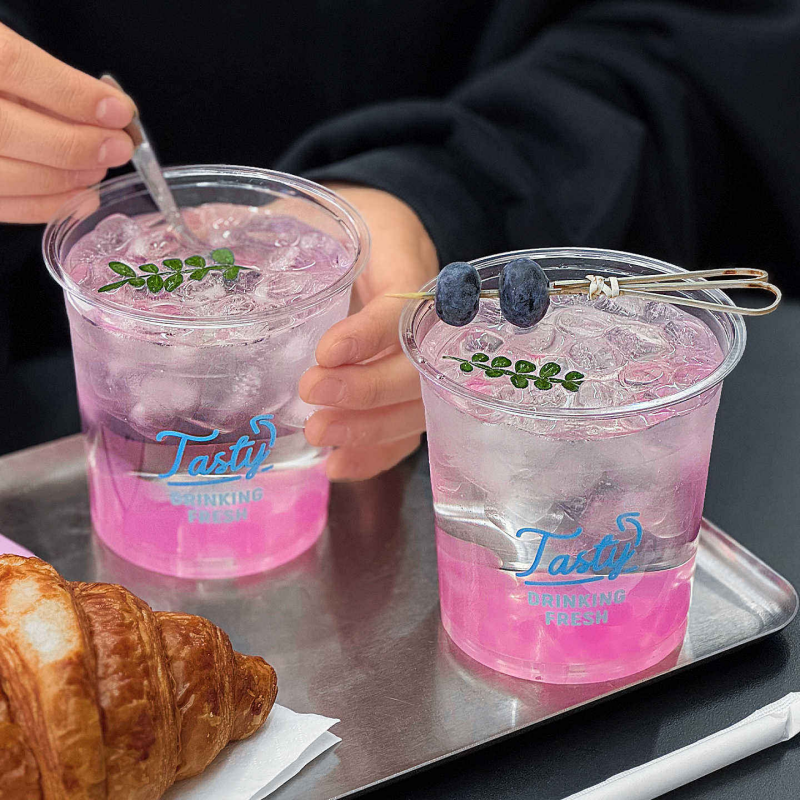
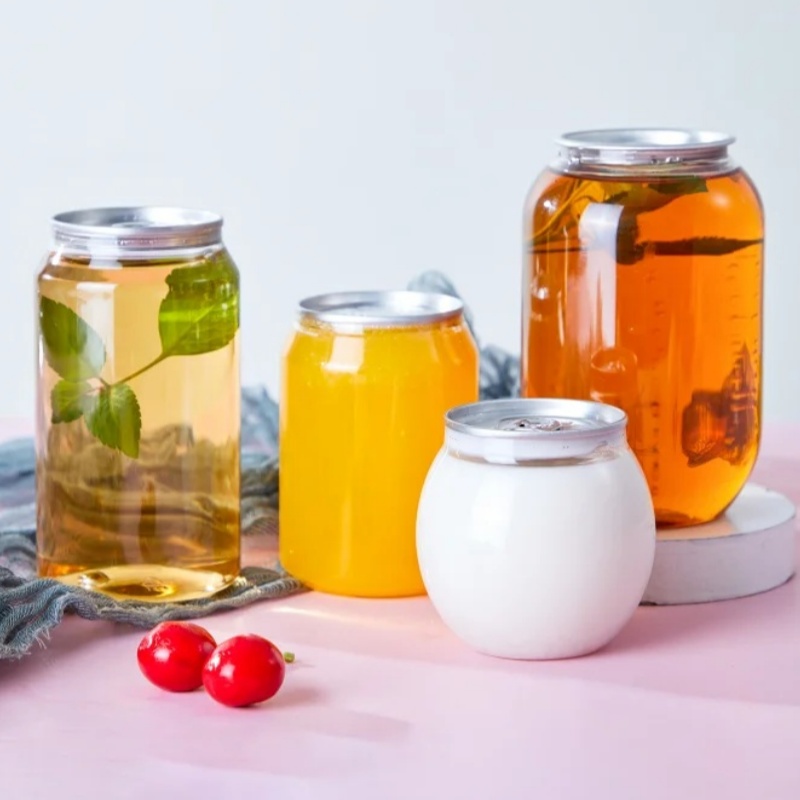
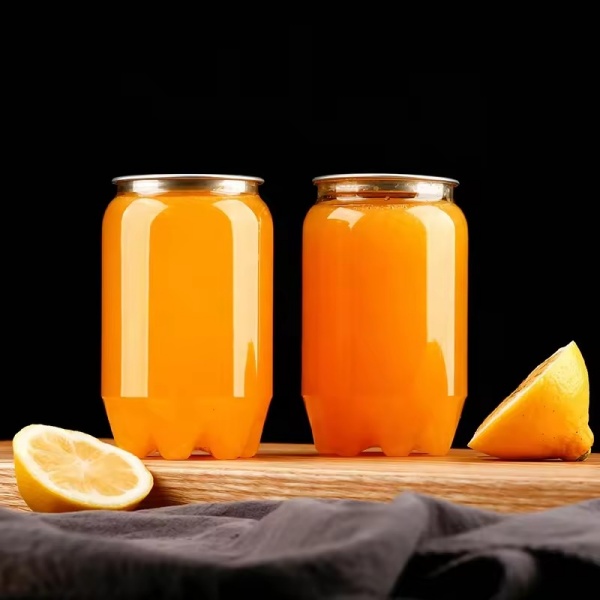
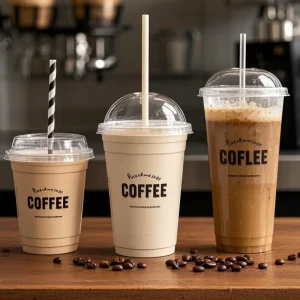
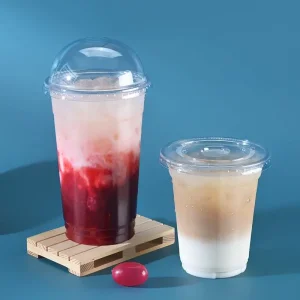
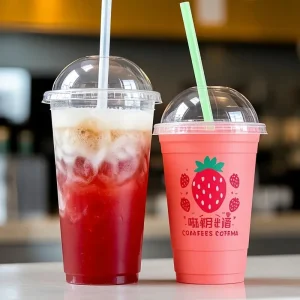
Having supplied PET cup and PET cans to numerous renowned brands, our products are now distributed globally.
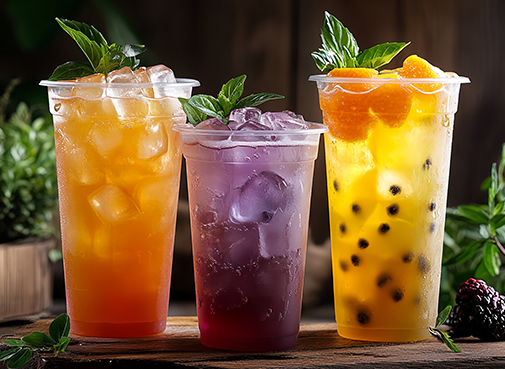
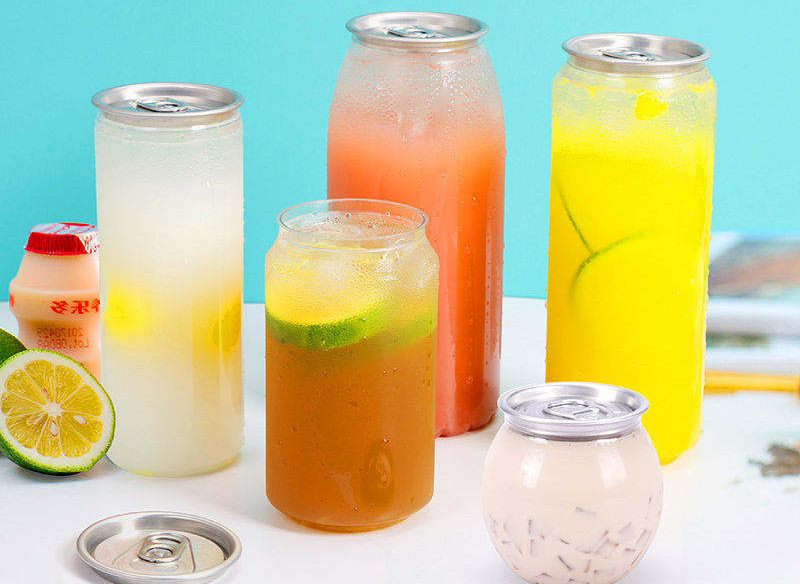
Established in 2021, Shanghai COPAK Industry Co., Ltd. maintains a sales office in Shanghai and an associated factory in Guangdong Province. As a professional supplier of eco-friendly food and beverage packaging solutions, our product portfolio includes PET cups, PET cans, and sealing machines, among other related items.
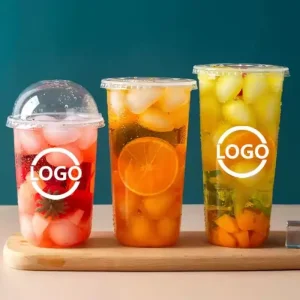
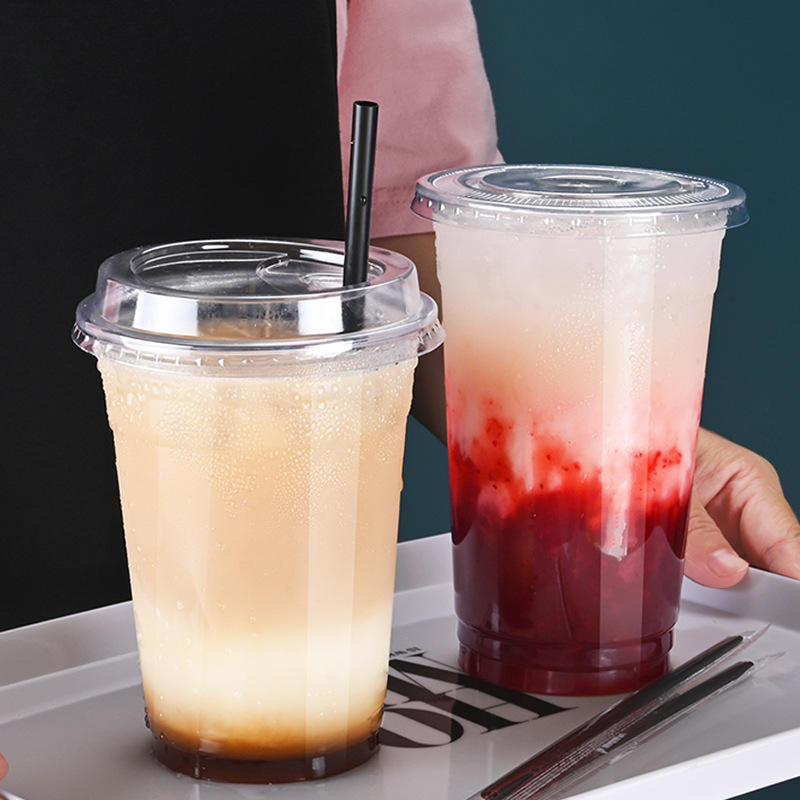
Committed to staying ahead of market trends through continuous innovation, COPAK delivers high-quality yet cost-effective packaging solutions. Our product range covers PET cups and cans in diverse shapes and capacities—from 1oz to 32oz—available in both plain finishes and custom printed designs. As a long-term strategic partner and trusted supplier, we dedicate ourselves to designing and manufacturing reliable, premium-quality, and stylish PET cups and cans for our clients.
Ensuring that machinery imports comply perfectly with your local regulatory framework and electrical codes.
All machines shipped to the European Union comply with the CE Machinery Directive (2006/42/EC). For North American buyers, electrical cabinets are configured with UL 508A components, meeting local CSA and OSHA regulations.
We deploy remote configuration tools via secure industrial VPN connections (Siemens or Delta PLCs). By partnering with regional service shops across North America, Western Europe, and Southeast Asia, we ensure fast local support.
Our SLA guarantees a 24-hour response time for technical queries. Essential wearing parts—including spring rollers, ejectors, and custom limit switches—are dispatched via DHL Express within 48 hours to minimize production line delays.
How an automated can seamer creates an airtight seal step-by-step.
The container is moved by the star wheel or conveyor onto the base lifter plate, centering under the seaming chuck.
The base plate rises, pressing the container lid flange firmly against the chuck. The pressure is adjusted based on tin or PET specifications.
The first operation roller curls the lid flange under the can body flange, interlocking the two surfaces.
The second operation roller compresses the joint, creating a tight hermetic seal.
Discover how COPAK's customized container sealing systems are utilized across distinct global industries.
With the rise of on-demand canning, microbreweries and specialty soda makers rely on small-footprint, automatic sealing machinery to package carbonated drinks in aluminum or PET cans. Quick setup changes prevent loss of carbonation and preserve freshness.
Exporting nuts, tea leaves, and premium confectionery requires packaging that preserves texture and prevents moisture ingress. High-speed vacuum gas flushing is integrated before seaming to purge residual oxygen from the container.
Industrial tin plate packaging prevents light ingress and protects structural stability. Our customized chemical-resistant sealing rollers are built to withstand exposure to harsh compounds, lubricants, and solvents.
The container sealing machine industry is shifting rapidly toward intelligence and environmental sustainability. Traditional setups required manual tooling adjustments and guesswork to correct micro-defects. Today, smart sensors and IoT interfaces are redefining efficiency standards on the factory floor.
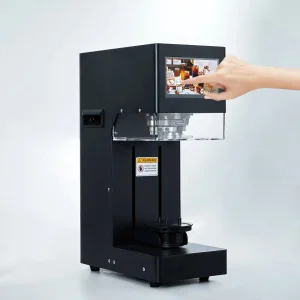
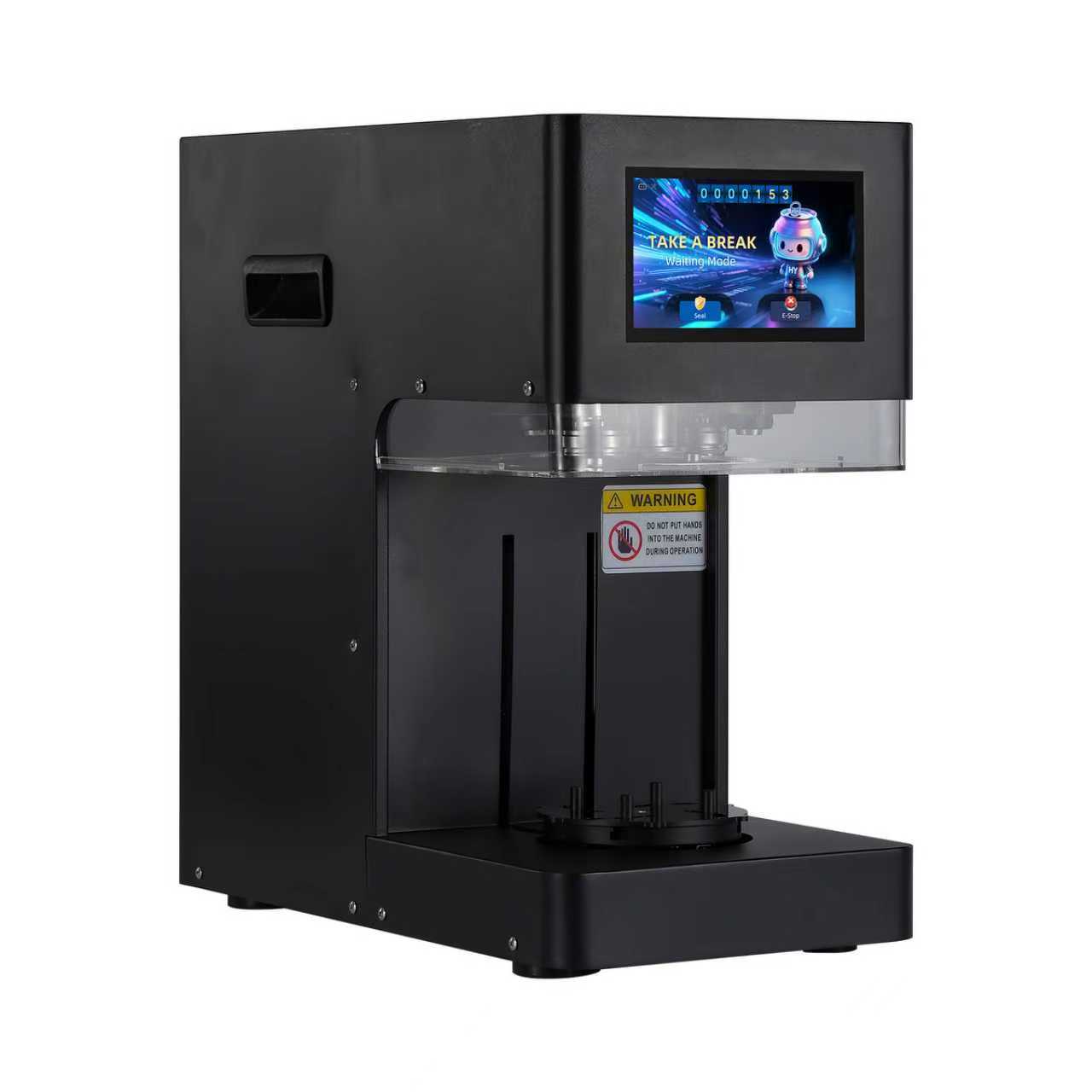
COPAK leads this shift by developing sealing machines featuring touch-screen PLC controllers, servo-driven seaming mechanisms, and real-time seal quality monitoring systems. These advancements ensure consistent quality, reduce energy consumption, and simplify routine maintenance.
We provide customers with green Eco-friendly high-quality products.
Browse detailed answers to frequently asked technical and commercial questions about container sealing machinery.
We have integrated research and development, manufacturing, and sales together.
Premium PET cups, lids, and custom containers tailored for global brands.