What Factors Influence the Price of PET Cans?
When purchasing PET (Polyethylene Terephthalate) cans for beverage or food packaging, buyers often notice price variations between suppliers or different batches. Understanding the cost structure is crucial for budgeting and procurement strategies. Several key factors determine the final price of a PET can.
1. Raw Material Costs (Resin Fluctuations)
The primary driver of PET can pricing is the cost of PET resin, which is a petroleum-based product. Therefore, global crude oil prices directly impact the cost of raw materials. When oil prices rise, the cost of manufacturing virgin PET increases, leading to higher unit prices. Conversely, stability in the petrochemical market allows for more consistent pricing.
2. Weight and Thickness (Grammage)
The amount of plastic used in each can—measured in grams—significantly affects the cost. Heavier cans with thicker walls (higher grammage) offer better durability, crush resistance, and a more premium feel, but they consume more raw material. A "heavy-duty" PET can will naturally cost more than a lightweight, standard version designed for quick consumption.
3. Customization and Craftsmanship
Standard clear cans are the most economical option. However, customizations add value and cost:
- Coloring: Adding dyes to create colored or tinted cans increases material costs.
- Printing: Direct screen printing or offset printing on the can surface involves additional labor, ink, and plate-making fees.
- Special Finishes: Features like UV coating or matte finishes also contribute to a higher final price.
4. Production Volume (MOQ)
Economies of scale play a massive role in manufacturing. High-volume orders allow factories to optimize machine run times and reduce waste, lowering the cost per unit. Small orders often incur higher setup fees and operational costs, resulting in a higher price per can.
5. Neck Finish and Lid Compatibility
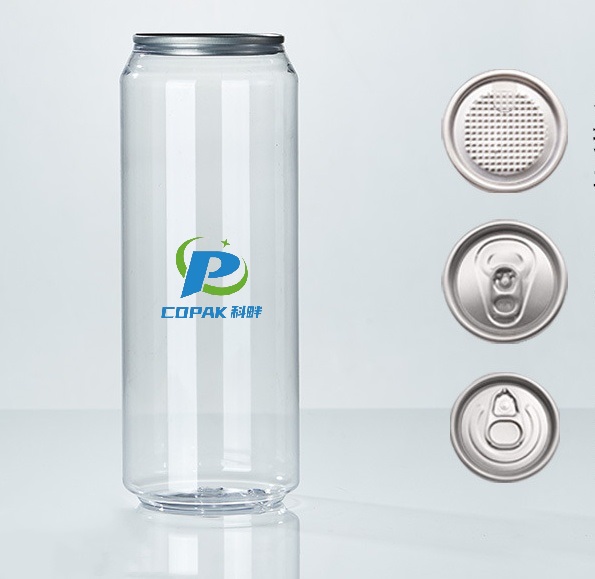
The design of the can's neck (e.g., standard 202, wide-mouth) dictates the type of mold used. While common sizes are mass-produced cheaply, non-standard neck sizes may require specialized molds, amortizing the tooling cost into the unit price. Additionally, the type of lid required (aluminum easy-open end vs. plastic screw cap) influences the total package cost.
6. Logistics and Packaging
Finally, shipping costs are a factor. PET cans are lightweight but voluminous (bulky). The method of packing—whether stacked efficiently to maximize container space or loose-packed—affects the freight cost per unit, especially for international shipments. By balancing these factors—such as optimizing the grammage for your specific needs or ordering in larger quantities—you can effectively manage your packaging costs without compromising on quality.
Frequently Asked Questions
Why does the price of PET cans fluctuate?
The price is primarily tied to PET resin costs, which fluctuate based on global crude oil market prices and supply chain availability.
Does a higher MOQ always mean a lower price?
Generally, yes. Bulk orders allow for economies of scale, reducing the setup and operational costs per individual unit.
How does grammage affect the final cost?
Higher grammage means more raw plastic resin is used to make the can thicker and more durable, which increases the material cost.
Are custom colored PET cans more expensive than clear ones?
Yes, custom colors require specific dyes and machine cleaning processes, which add to the total production cost compared to standard clear cans.
Do different lid types change the overall package price?
Absolutely. Aluminum easy-open ends, plastic screw caps, and specialized seals all have different manufacturing costs that impact the total price.
Why is shipping a major factor in PET can pricing?
Because PET cans are bulky, they take up significant space in shipping containers. Efficient packing and shipping distances greatly influence the landed cost per unit.