
1 / 3

Keywords: Beverage logistics, shipping glass vs plastic, e-commerce packaging, reduce breakage, lightweight packaging
For beverage distributors and e-commerce brands, the "hidden killer" of profit margins is logistics. Shipping heavy fluids is expensive, and dealing with breakage is a nightmare. This is where PET Cans offer a distinct operational advantage over glass bottles, directly impacting your bottom line.
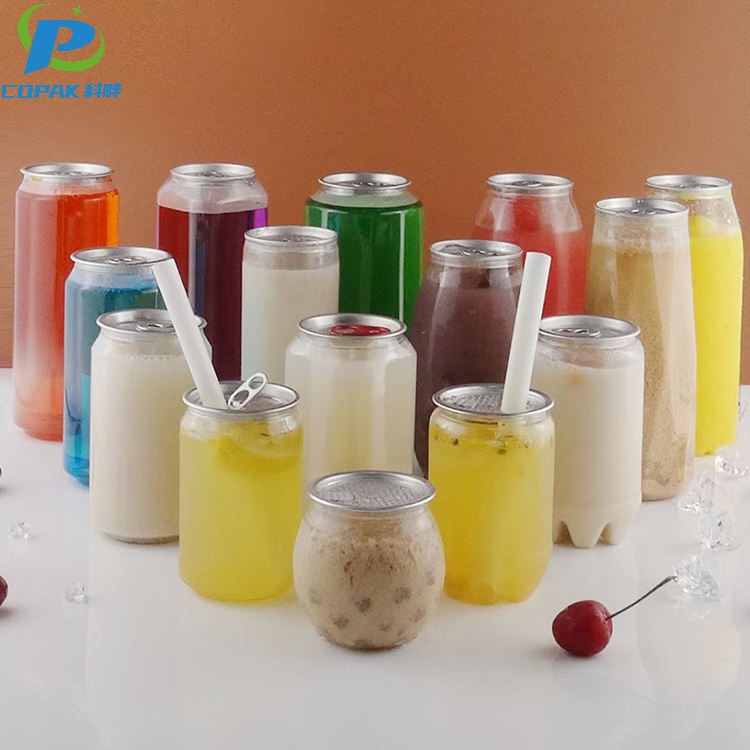
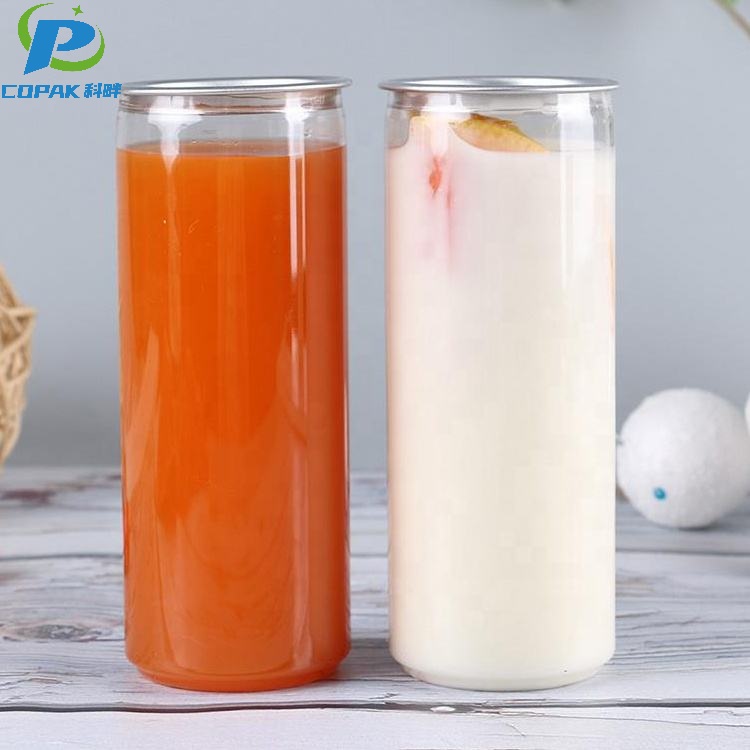
A standard 330ml glass bottle weighs approximately 200g to 300g empty. A 330ml PET can weighs approximately 15g to 25g. When you are shipping a container load of 50,000 units, this weight difference is astronomical. With glass, you are paying to ship tons of packaging material. With PET, you are paying to ship the product. This drastic reduction in weight significantly lowers fuel surcharges and freight costs.
Selling beverages online (Direct-to-Consumer) is a growing trend. Shipping glass via courier (FedEx/UPS) requires expensive protective packaging—bubble wrap, dividers, and double-boxing. Even then, breakage happens. PET cans are virtually indestructible in transit. They do not shatter if dropped. You can pack them tightly in simple cardboard boxes without excessive padding. This reduces packing material costs and eliminates the headache of processing refunds for customers.
Many high-volume venues—stadiums, festivals, beaches, and pool clubs—have strict "No Glass" policies due to safety liabilities. By packaging your drink in PET cans, you automatically qualify your brand to be sold in these lucrative, exclusive locations where glass-bottled competitors are banned.
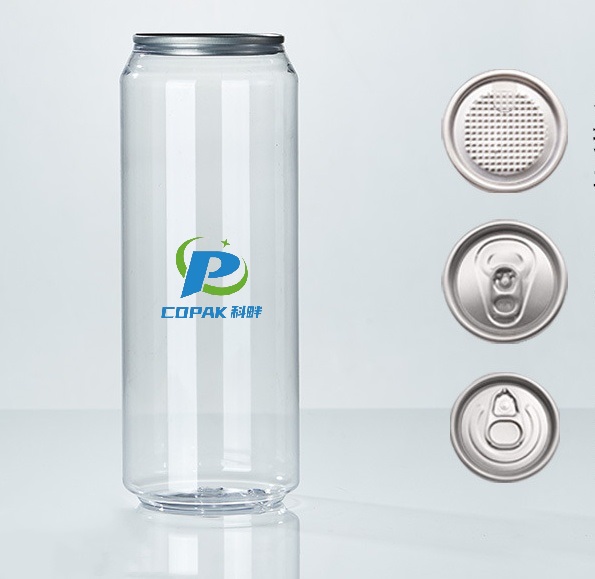
Switching to PET cans is not just a marketing decision; it is a supply chain optimization strategy. It lowers your shipping costs, eliminates breakage, and opens up new retail environments that are off-limits to glass.