1 / 3

Sparkling water (seltzer) is currently the fastest-growing beverage category. It’s healthy, refreshing, and profitable. If you are looking to start a craft soda or sparkling water business, using PET Soda Cans is the most cost-effective way to enter the market. Here is how to handle the carbonation process.
The Carbonation Methods: You cannot just pour sparkling water from a bottle into a can; it will go flat instantly. You have two main options for small-scale production:
Fill a sanitized keg with filtered water and your flavorings. Hook it up to a CO2 tank. Crank up the pressure (PSI) and chill the keg. Cold liquids absorb gas better. Shake the keg to help absorption.
Use a "Counter-Pressure Filler" or a "Beer Gun" to transfer the carbonated water from the keg into the PET can. This tool purges the can with CO2 first, then fills the liquid gently to prevent foaming.
Note: This requires precise calculation. Some hobbyists add a tiny, measured chip of food-grade dry ice into the liquid and seal it immediately. As the dry ice melts, it becomes CO2 gas. Warning: Do not attempt without safety training.
Sparkling water relies on subtle flavors. Whether you use natural fruit extracts or essential oils, mix them thoroughly with your water base before carbonating.
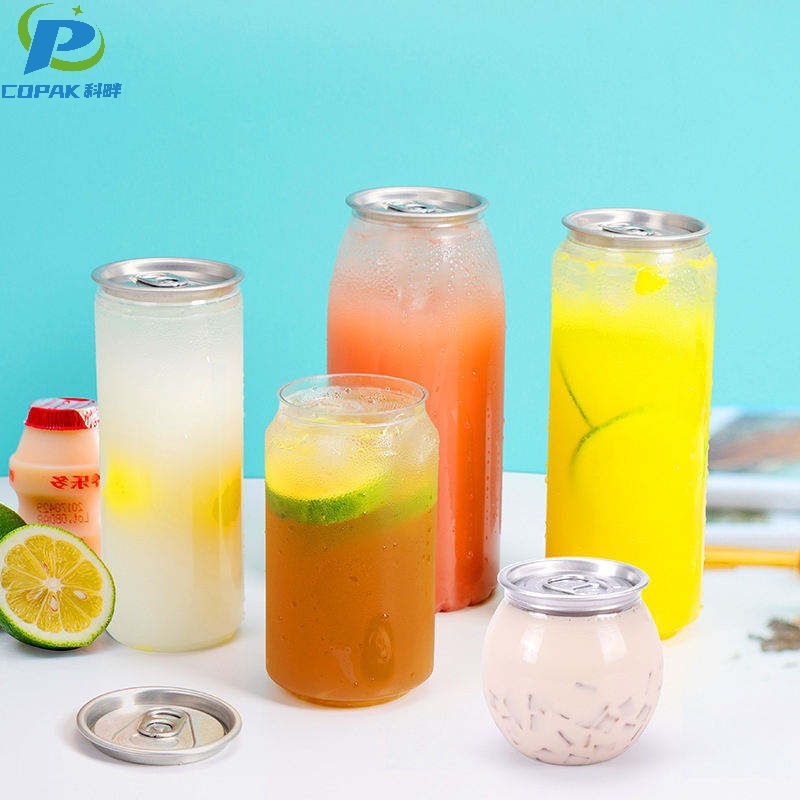
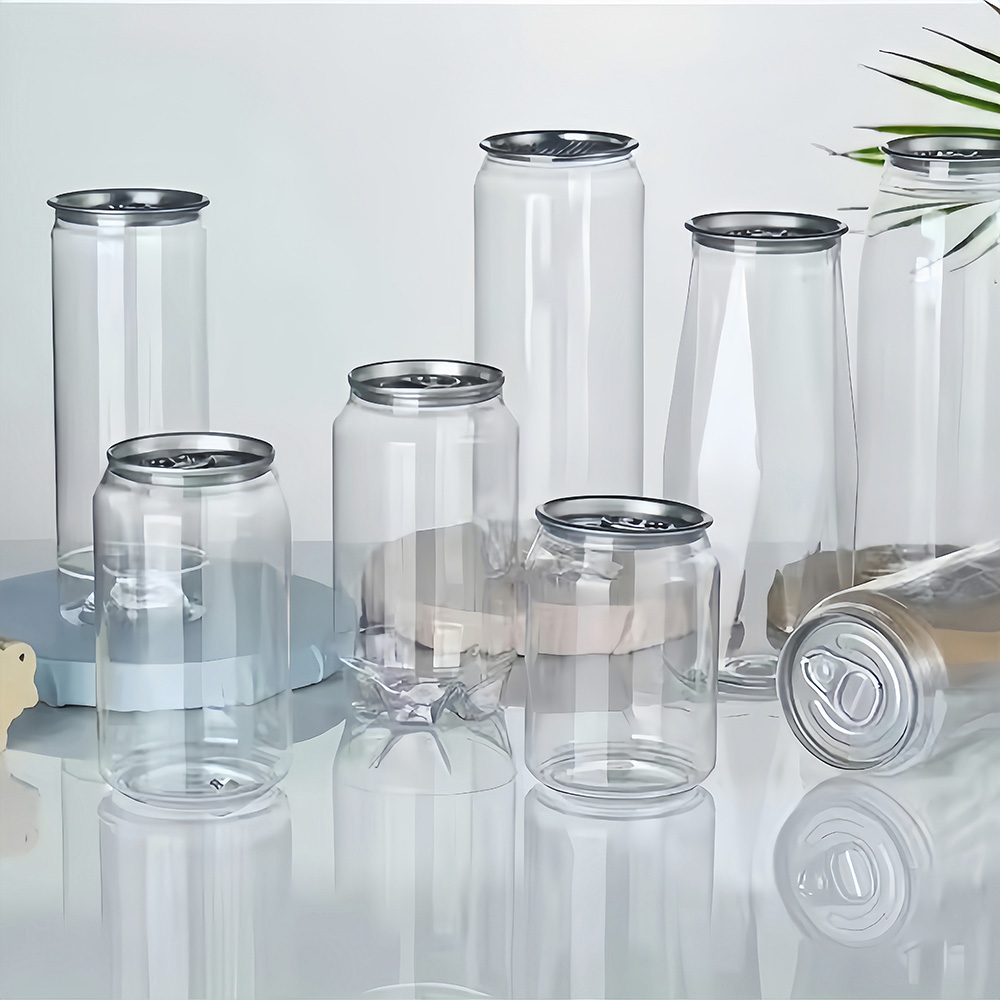
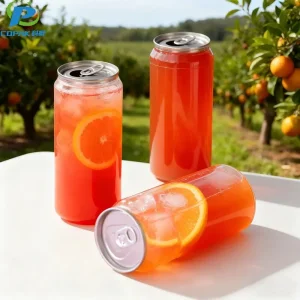
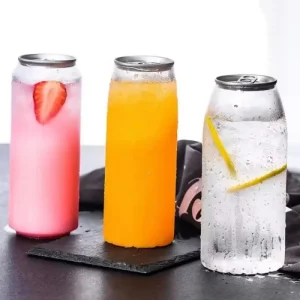
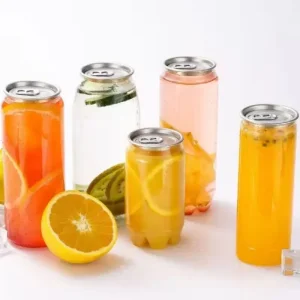
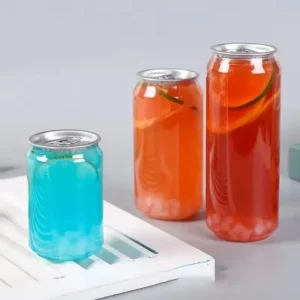
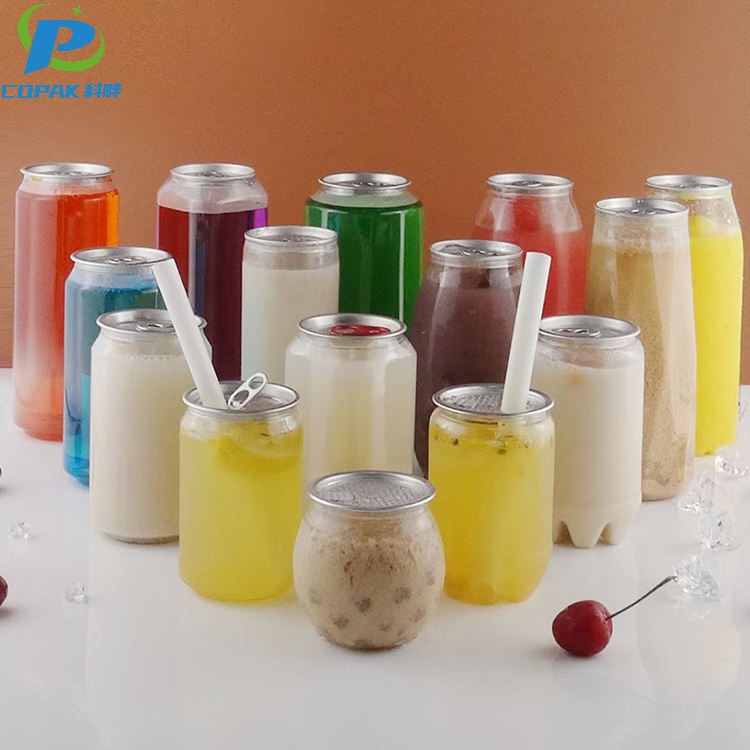
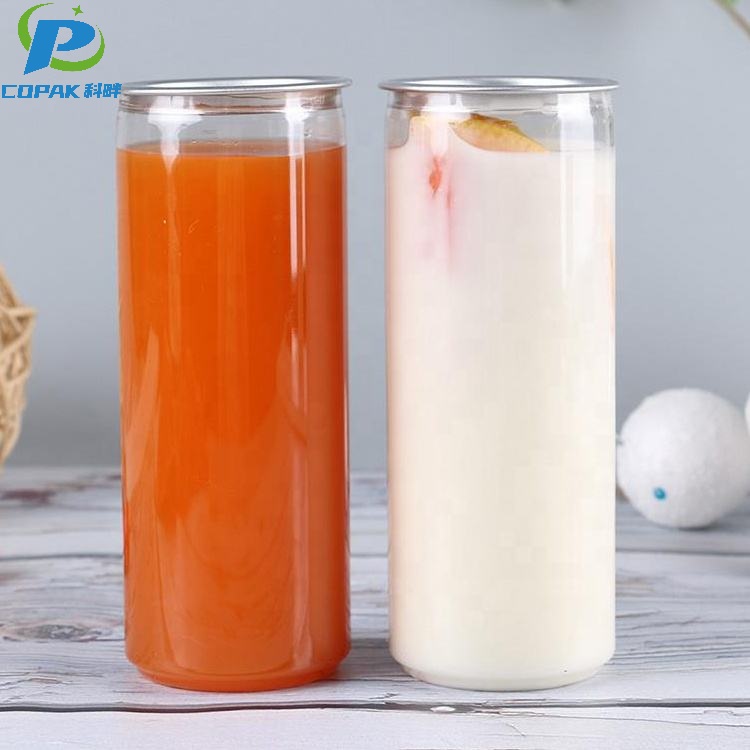
Why Clear Cans? If you infuse your water with real fruit slices (like lemon or cucumber), a Clear PET Can turns the drink into a visual masterpiece.
Using your keg and filler, fill the cans. The liquid must be as close to freezing (0-2°C) as possible. Warm water foams excessively and loses bubbles.
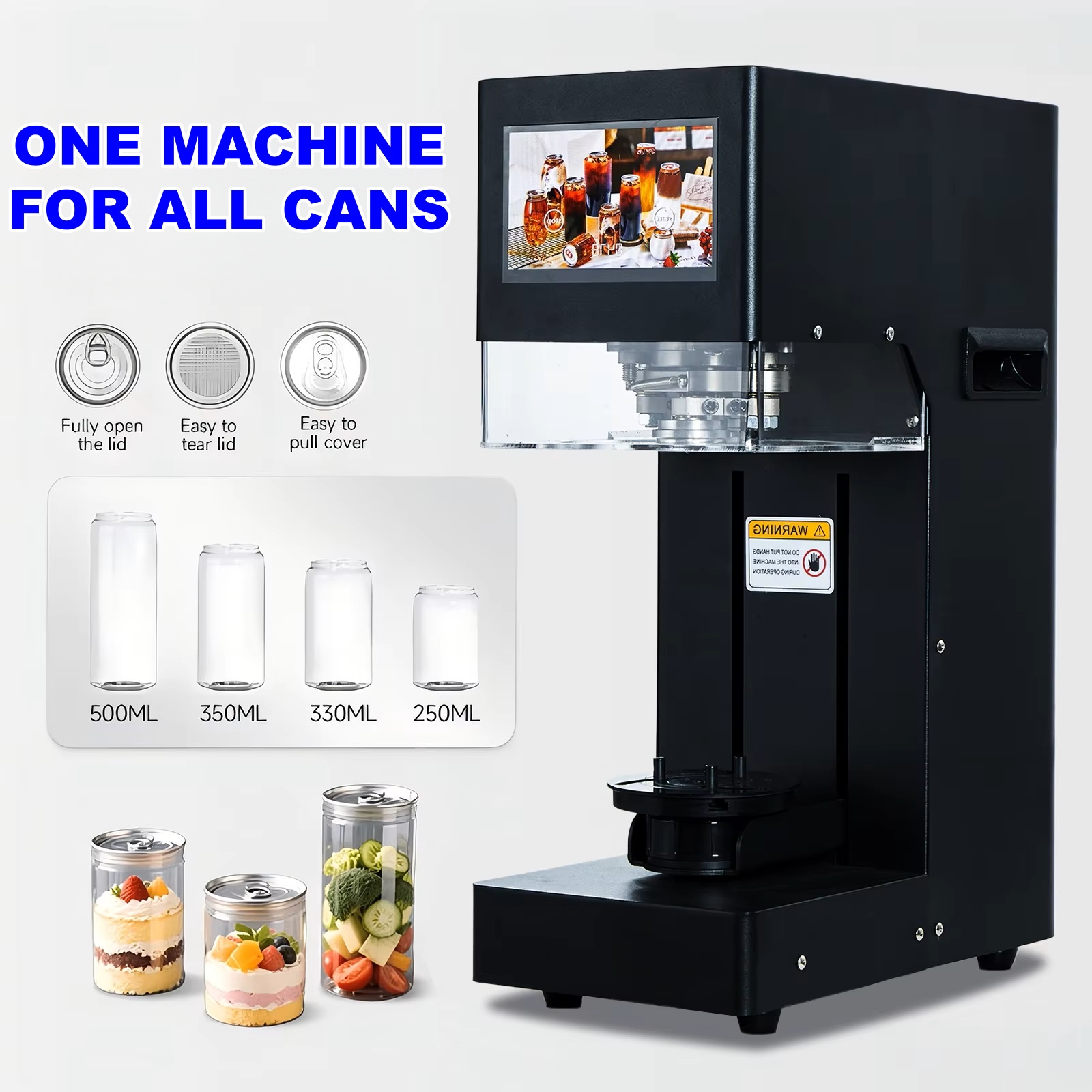
Speed is crucial. As soon as the filler is removed, place the lid and seam the can. Every second you wait, CO2 escapes.
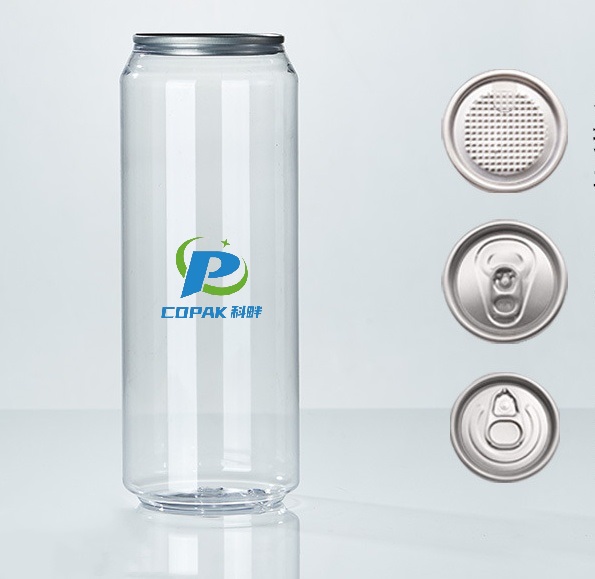
Lid Choice: Use a standard Aluminum Easy Open End. It’s the industry standard for pressurized drinks and holds the pressure seal perfectly against the PET rim.
Wait 24 hours, then open a test can. Pour it into a glass. Does it fizz? Is the carbonation bite sharp enough? Adjust your PSI settings on the keg if needed.