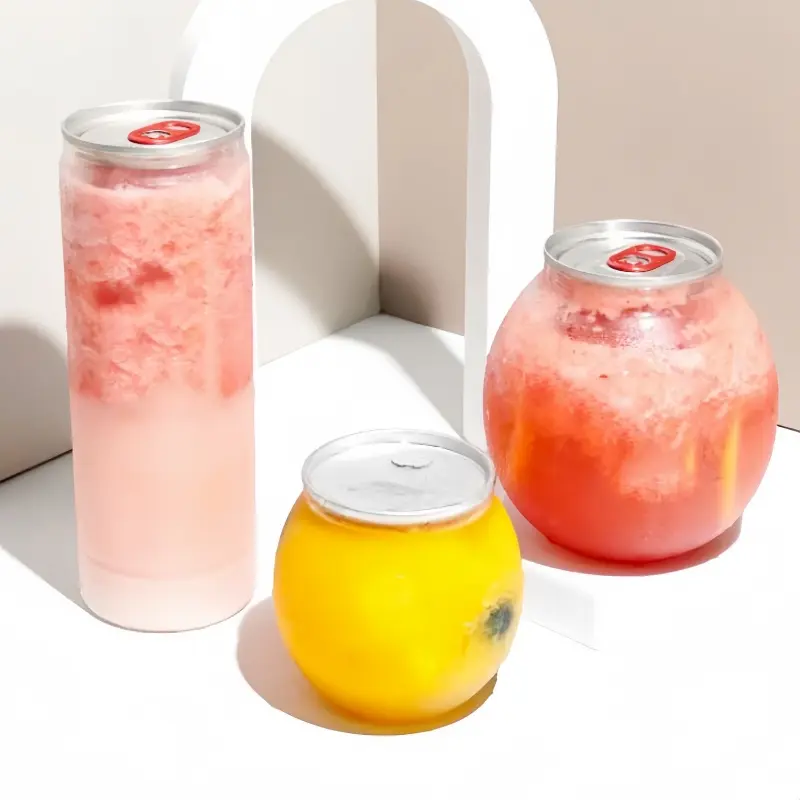
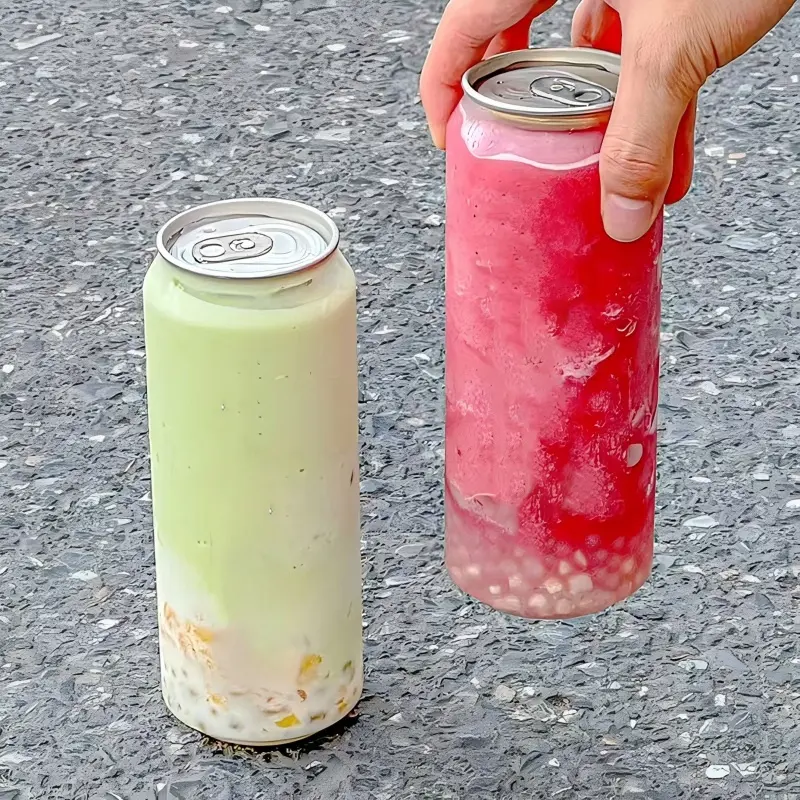
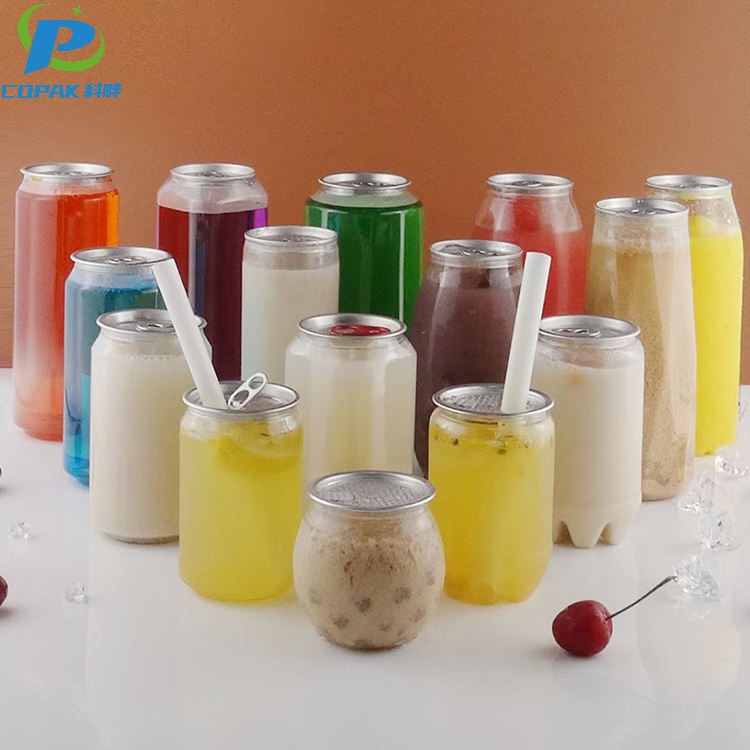
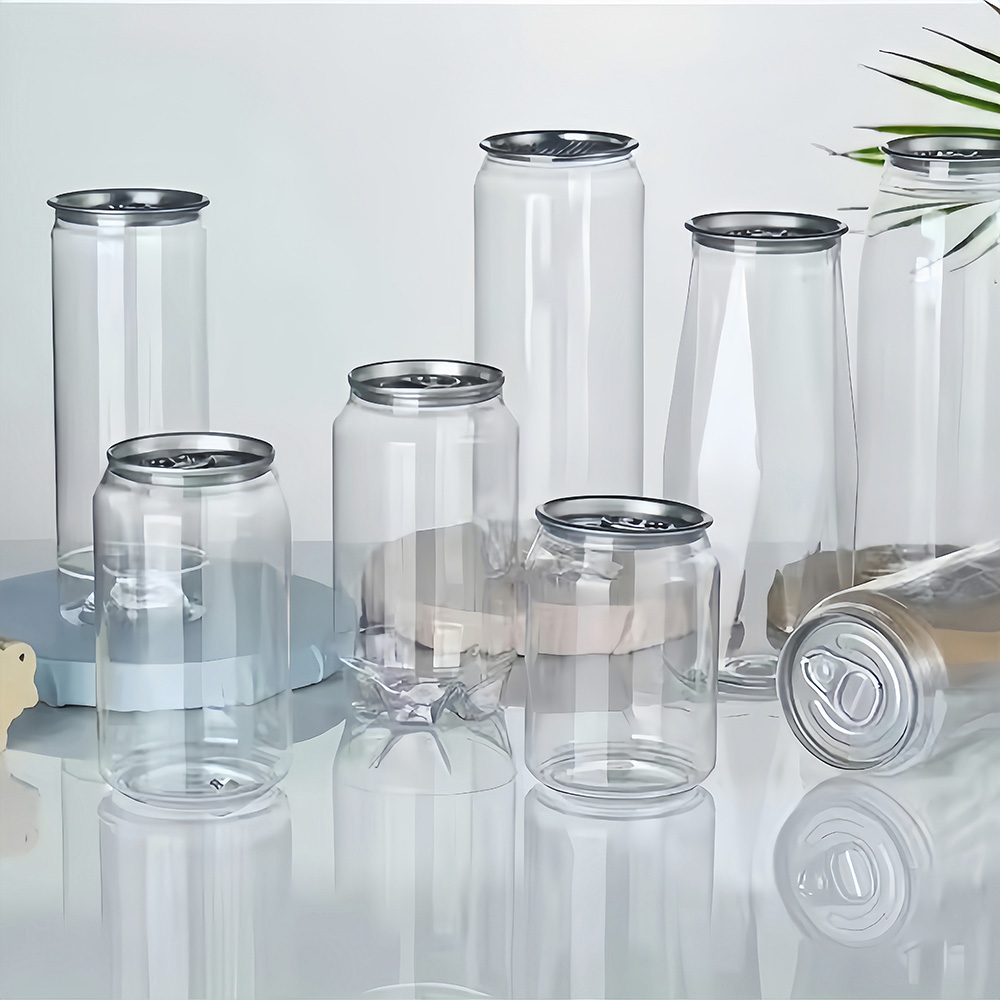
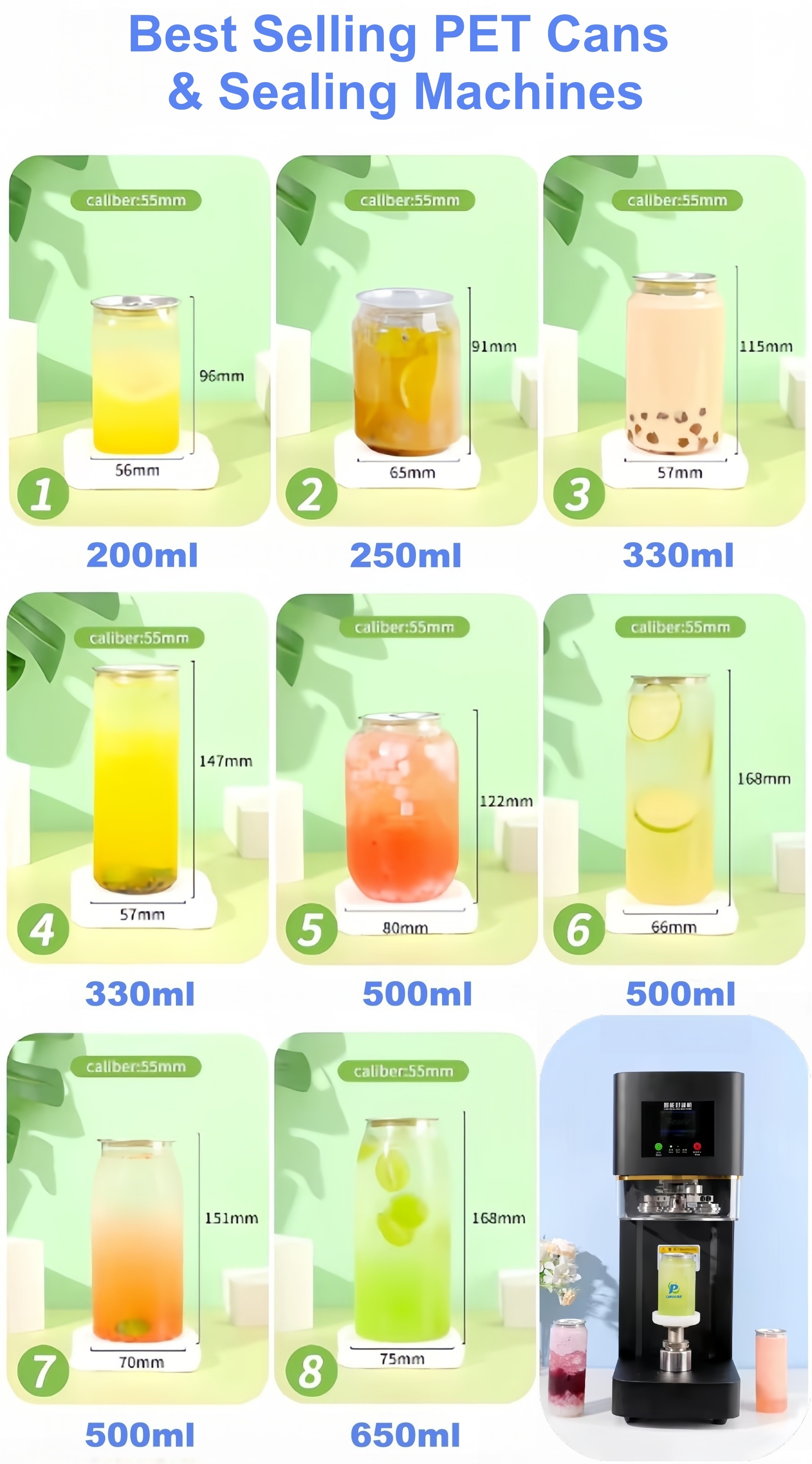
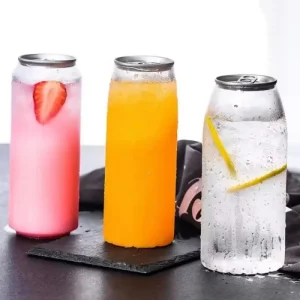
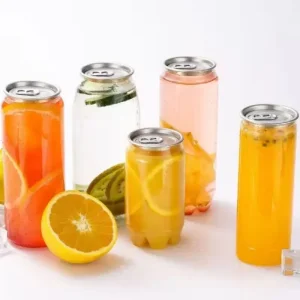
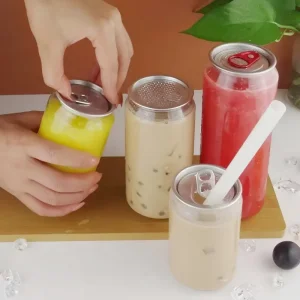
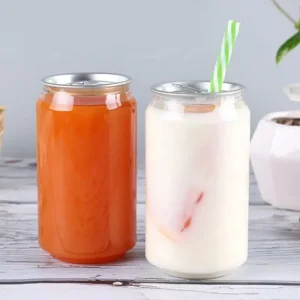
In the debate about sustainable packaging, plastic often gets a bad reputation. However, not all plastics are created equal. As a beverage brand owner, it is crucial to understand the difference between single-use, non-recyclable plastics and PET (Polyethylene Terephthalate)—the material we use for our cans.
What Makes PET Different?
PET (labeled with the #1 recycling code) is widely recognized globally as the most recyclable plastic on the planet. Unlike complex, multi-layered pouches or mixed-material cartons that clog up recycling streams, PET is a mono-material. It can be melted down and reformed repeatedly without losing its core properties.
The "Bottle-to-Bottle" Loop
The recycling infrastructure for PET is mature and efficient. When a consumer recycles one of our clear PET cans:
1
Collection: It is easily identified by sorting machines.
2
Processing: It is cleaned and shredded into flakes.
3
Rebirth: These flakes are melted into rPET (Recycled PET) pellets, which can be used to make new cans, bottles, or even polyester fiber for clothing.
Why Clear Matters
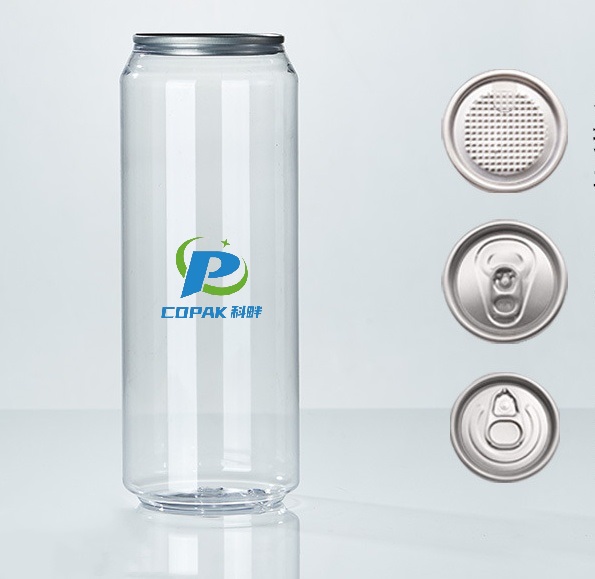
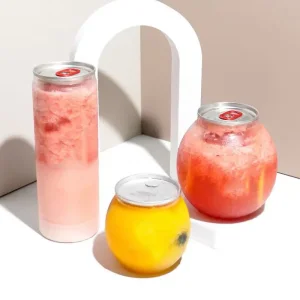
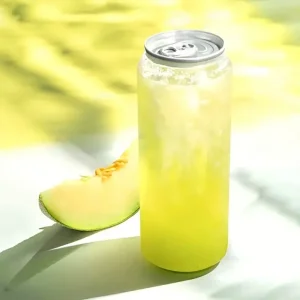
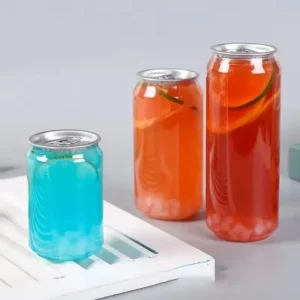
We specifically manufacture clear PET cans because they have the highest recycling value. Colored plastics can be harder to process, but clear PET is the "gold standard" for recyclers because it can be dyed any color in its next life.
Choosing PET cans isn't "choosing plastic"—it's choosing a valuable resource that fits into the circular economy. By educating your customers to recycle, you ensure that your packaging lives on, reducing waste and carbon footprint.
Frequently Asked Questions
What is PET and why is it preferred for beverage cans?
PET (Polyethylene Terephthalate) is a high-quality, lightweight, and 100% recyclable plastic. It is preferred because it is durable, food-safe, and has a well-established global recycling infrastructure.
Are these PET cans truly sustainable?
Yes, because they are made of mono-material PET. Unlike multi-layer packaging, PET can be efficiently recycled back into new containers, supporting a circular economy and reducing the need for virgin plastic.
What makes clear PET better than colored PET?
Clear PET is considered the "gold standard" for recycling because it has the highest market value. Recyclers can process it more easily and repurpose it into products of any color.
Can these PET cans be used for food products?
Absolutely. PET is a globally approved material for food contact. It is commonly used for soda, juices, desserts, and even dry snacks due to its clarity and safety.
How does the "Bottle-to-Bottle" loop work?
It is a circular process where used PET containers are collected, cleaned, and shredded into rPET flakes. These flakes are then melted down to create new cans or bottles, preventing waste from entering landfills.
Does recycling PET lose its material properties?
Unlike many other plastics, PET can be processed and reformed multiple times while maintaining its strength and transparency, making it one of the most efficient materials for long-term use.