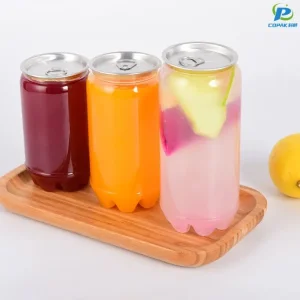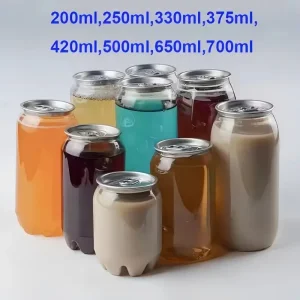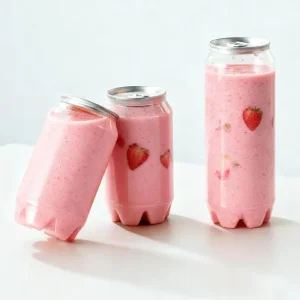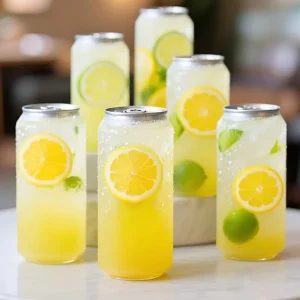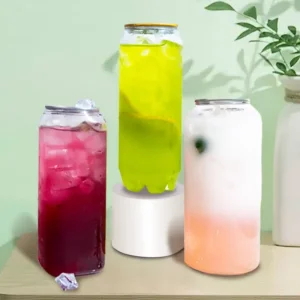
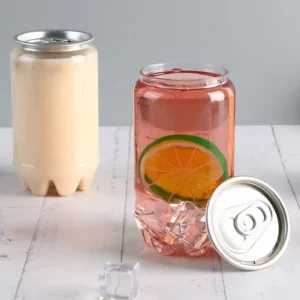

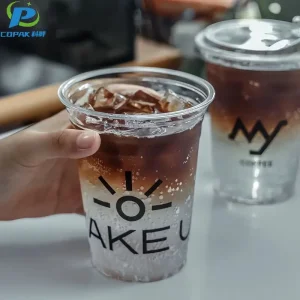




The packaging landscape is undergoing a significant transformation. Across the globe, food, beverage, and chemical manufacturers are shifting away from manual or semi-automatic operations toward high-capacity automatic tin can sealing machines. This evolution is driven by the necessity for hermetic seal security, continuous high-throughput output, and reduction in human labor errors. Whether processing traditional metal containers, aluminum beer cans, or modern lightweight PET plastic pop-top containers, automated seaming guarantees consistent seam thickness, overlap percentage, and seam height.
A perfect double-seam requires mechanical precision. The sealing head works in two critical operations: the first operation roll folds the cover hook over the body hook, and the second operation roll compresses the seam flat. Automatic tin can sealing machines use precise PLC-controlled cams and servo drives to modulate force parameters dynamically. This is crucial for avoiding structural failures such as sharp seams, false seams, and side-seam droops, particularly in thin-walled PET cans that require delicate pressure control compared to hard tinplate.
Today's smart can packaging lines go beyond basic mechanics. Advanced integration includes nitrogen flushing (MAP), vacuum-assisted sealing, and inline inspection systems. The alignment of container design with machine seaming parameters is vital. That is why industry leaders prefer specialized suppliers like Shanghai COPAK Industry Co., Ltd., who offer integrated systems: matching high-performance PET cans with high-precision seaming heads.
China has solidified its position as the premier manufacturing hub for industrial packaging machinery. Sourcing from Chinese specialized factories offers strategic advantages for global procurement managers:
With key sales operations in Shanghai and advanced manufacturing bases in Guangdong Province, Chinese suppliers optimize supply chain networks. By nesting machine factories and packaging container plants close to high-grade raw material sources, logistics costs and production lead times are significantly reduced.
Advanced CNC milling and standardized machine designs allow Chinese OEM factories to supply universal sealing heads. This enables quick swaps between container diameters (e.g., from 53mm to 73mm) on the same machine, reducing downtime to less than 15 minutes.
High-end OEM sealing machine plants comply with CE, UL, and ISO 9001 standards. Factory inspection protocols require over 10,000 continuous seaming test runs with zero structural failures before delivery, ensuring reliable operation upon global integration.
This structural efficiency is reflected in COPAK's manufacturing approach. Established in 2021, Shanghai COPAK Industry Co., Ltd. coordinates sales in Shanghai with an production facility in Guangdong. This synergy provides global clients with both standard eco-friendly containers and custom-engineered mechanical solutions under one single OEM/ODM supplier.
Established in 2021, Shanghai COPAK Industry Co., Ltd. maintains a sales office in Shanghai and an associated factory in Guangdong Province. As a professional supplier of eco-friendly food and beverage packaging solutions, our product portfolio includes PET cups, PET cans, and sealing machines, among other related items.
Committed to staying ahead of market trends through continuous innovation, COPAK delivers high-quality yet cost-effective packaging solutions. Our product range covers PET cups and cans in diverse shapes and capacities—from 1oz to 32oz—available in both plain finishes and custom printed designs. As a long-term strategic partner and trusted supplier, we dedicate ourselves to designing and manufacturing reliable, premium-quality, and stylish PET cups and cans for our clients.


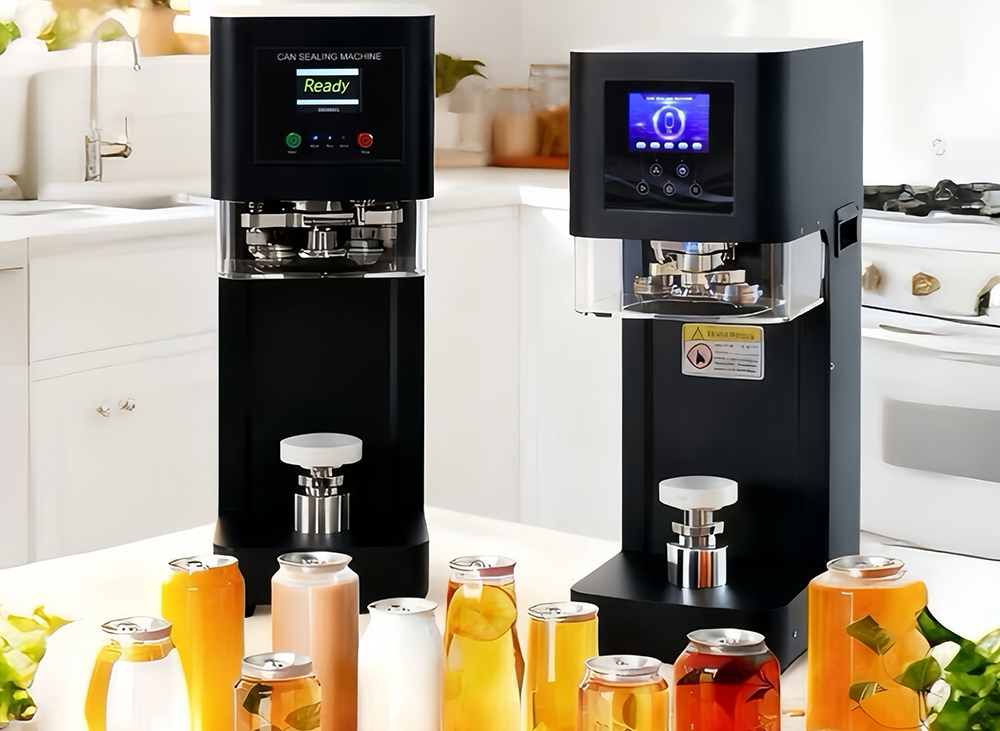
The application of automatic tin and PET can sealing machines spans various sectors. Depending on the geographical target and production scale, these systems are customized to match local market regulations and consumer habits:
In North America and Europe, Ready-To-Drink (RTD) cocktails, cold-brew coffees, and craft sodas are increasingly packed in PET cans with aluminum easy-open ends. Automatic seamer systems configured for this sector prioritize gas flushing to reduce dissolved oxygen levels (DO), extending product shelf life.
For baby formula, organic nutritional powders, and premium roasted coffee beans, maintaining a dry, oxygen-free atmosphere is essential. Heavy-duty vacuum-capping stations extract ambient air, replacing it with an inert nitrogen layer prior to final seaming.
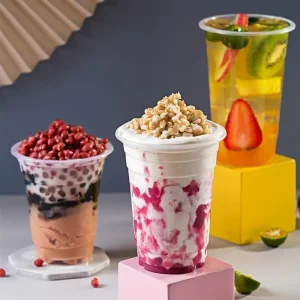
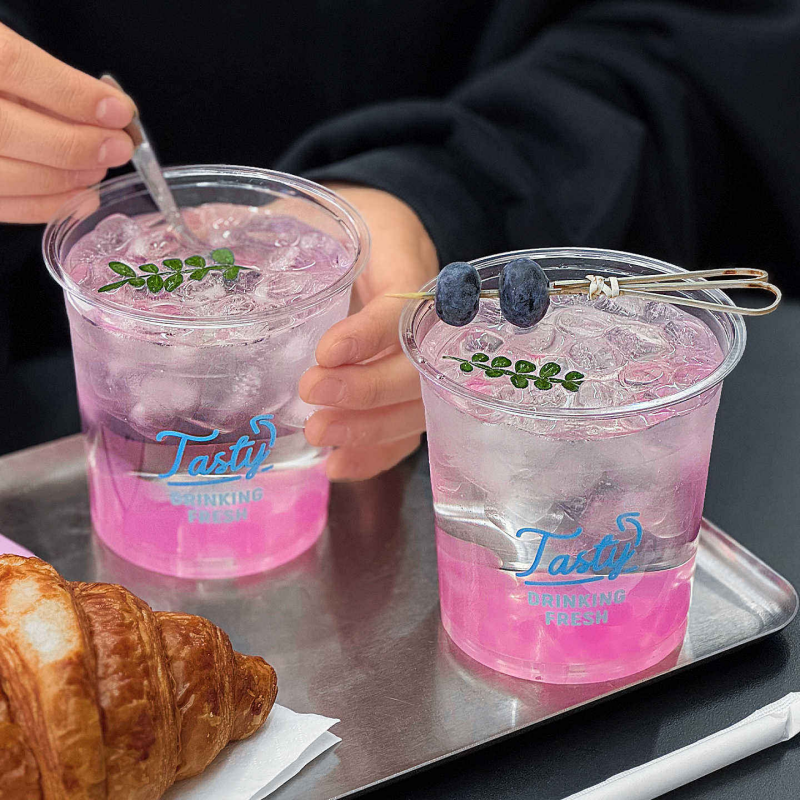
Across Asia Pacific countries, bakeries, boba tea chains, and dessert lounges are replacing conventional plastic cups with clear PET cans. These require compact, high-speed automated sealers capable of sealing diverse sizes instantly to meet on-the-spot takeaway demands.
The future of can sealing lies in smart monitoring. Advanced IoT-enabled sealing machinery integrates load cells on the seaming rollers. Real-time data captures any pressure deviations during seaming, automatically identifying and rejecting structural flaws. This step towards zero-waste packaging prevents defective cans from entering distribution channels.
We provide customers with green eco-friendly high-quality products.

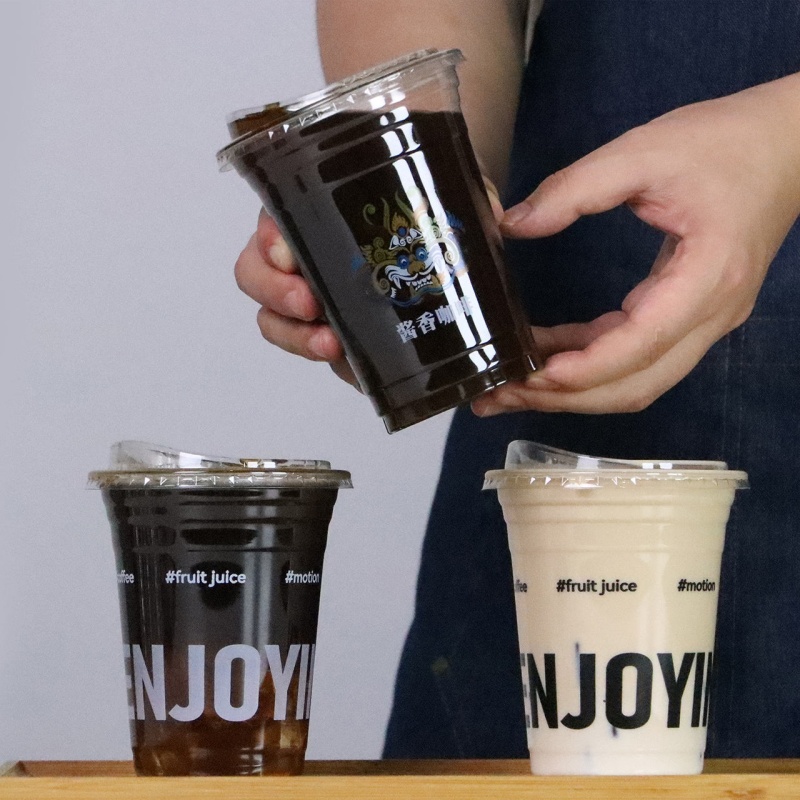
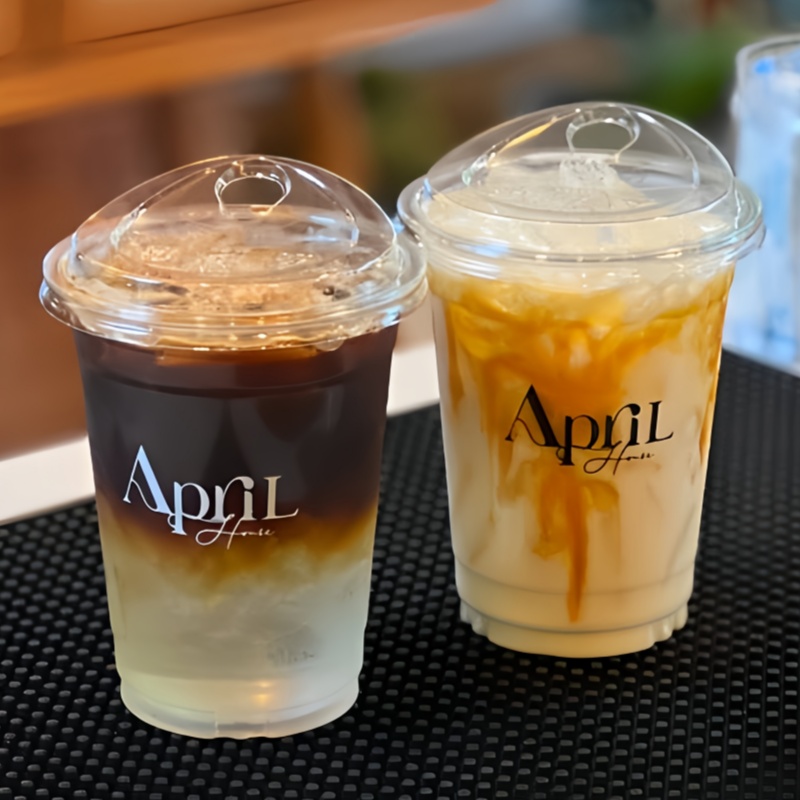


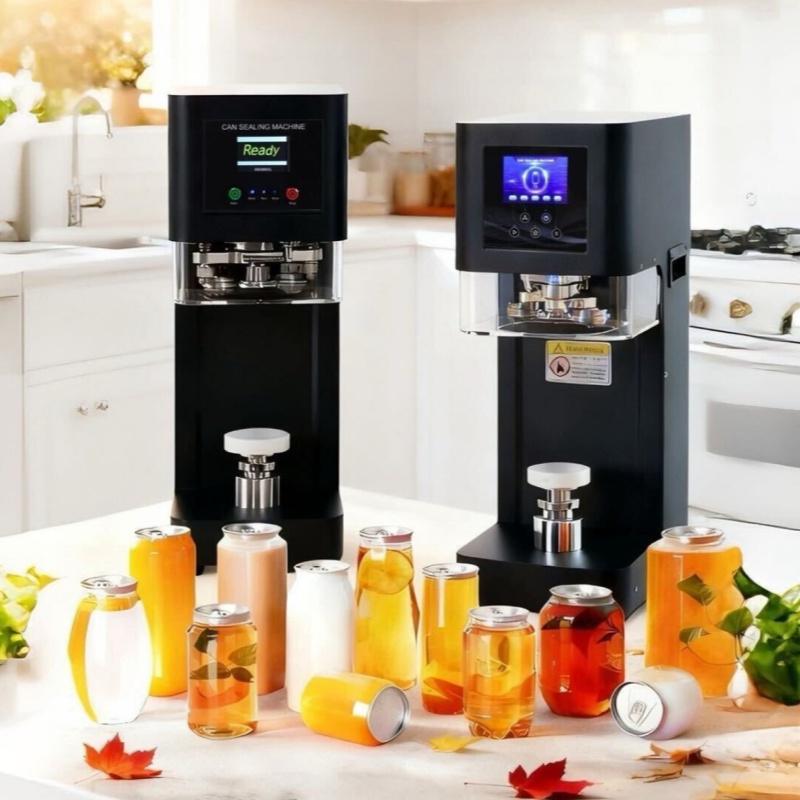

When evaluating automatic tin can sealing machine manufacturers, procurement leads and project engineers should focus on these performance matrices to secure optimal ROI:
Assess the target Cans Per Minute (CPM) of your plant. Rotary automated systems operate from 30 CPM up to 120+ CPM. Ensure the machinery matches upstream filling velocities to avoid processing bottlenecks.
Verify seamer compatibility with diverse body materials. Tinplate, aluminum, and PET require distinct seaming profiles. Dual-purpose machinery with quick-change tooling offers long-term flexibility.
Ensure the manufacturer provides double-seam test reports, optical profile projectors, and seam micrometer toolkits for onsite daily QA calibration.
We integrate research and development, manufacturing, and sales to bring you the latest innovations in packaging.