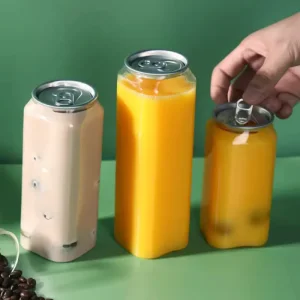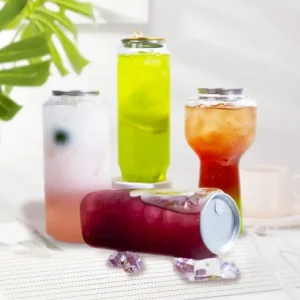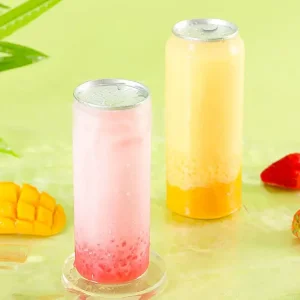
The global beverage industry is undergoing a paradigm shift towards On-the-Go (OTG) consumption and fresh-lock technology. Wholesale manual beer can sealers have emerged as a critical pivot point for SMEs, craft breweries, and high-end juice bars. Unlike massive industrial lines, these sealers provide the agility required for seasonal batches, limited editions, and pop-up retail experiences.
At Shanghai COPAK Industry Co., Ltd., we recognize that a sealer is not just a tool; it is a guarantee of product integrity. Our manual beer can sealers are engineered to bridge the gap between artisanal craft and industrial standards, ensuring that carbonation is preserved, oxidation is prevented, and the consumer experience remains premium from the factory to the first sip.
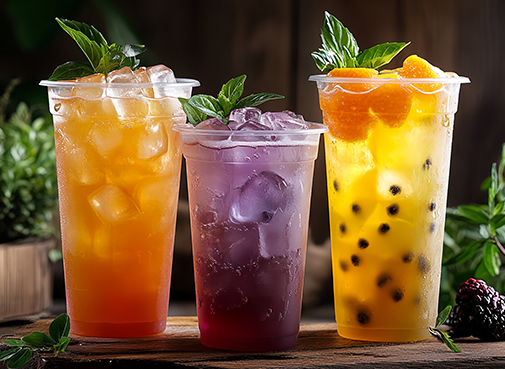
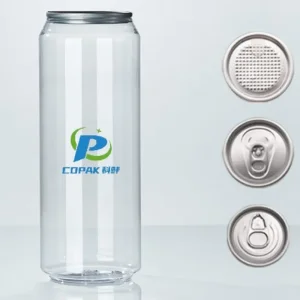
Precision-engineered PET Sealing Interface
Utilizing high-grade stainless steel with specialized heat treatment, our rollers ensure a consistent double seam (the industry standard) for both PET and aluminum cans, preventing leaks at the microscopic level.
Our latest manual models feature an ergonomic lever system designed to provide maximum sealing pressure with minimal physical effort, achieving up to 600 cans per hour in skilled hands.
Designed for the "202#" standard but adaptable for 1oz to 32oz capacities. Whether it's a PET soda can or a craft beer aluminum tin, the interchangeability is seamless.
Future-ready manual sealers integrate simple digital counters and maintenance alerts, bringing "Industry 4.0" insights to even the smallest production floors.
The market for Manual Beer Can Sealers is projected to grow at a CAGR of 6.4% over the next five years. This growth is driven by the explosion of "Ghost Kitchens" and the "To-Go" cocktail movement in North America and Western Europe. As an established exporter, Shanghai COPAK identifies three key global trends:
| Market Segment | Current Demand Status | Strategic Advantage of Manual Sealers |
|---|---|---|
| Craft Micro-Breweries | High demand for small-batch canning. | Low CAPEX, allows for ultra-fresh canning at the taproom. |
| Fresh Juice & Smoothies | Rapid shift from open cups to sealed cans. | Increases shelf life and improves delivery hygiene (no spills). |
| Emerging Markets (SEA/LATAM) | Growing middle class demanding premium packaging. | Easily maintainable without high-tech service teams. |
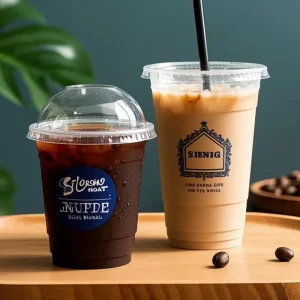
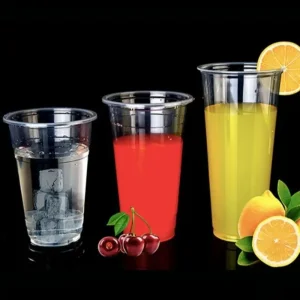
Established in 2021, Shanghai COPAK Industry Co., Ltd. maintains a sales office in Shanghai and an associated factory in Guangdong Province. As a professional supplier of eco-friendly food and beverage packaging solutions, our product portfolio includes PET cups, PET cans, and sealing machines, among other related items.
Committed to staying ahead of market trends through continuous innovation, COPAK delivers high-quality yet cost-effective packaging solutions. Our product range covers PET cups and cans in diverse shapes and capacities—from 1oz to 32oz—available in both plain finishes and custom printed designs.
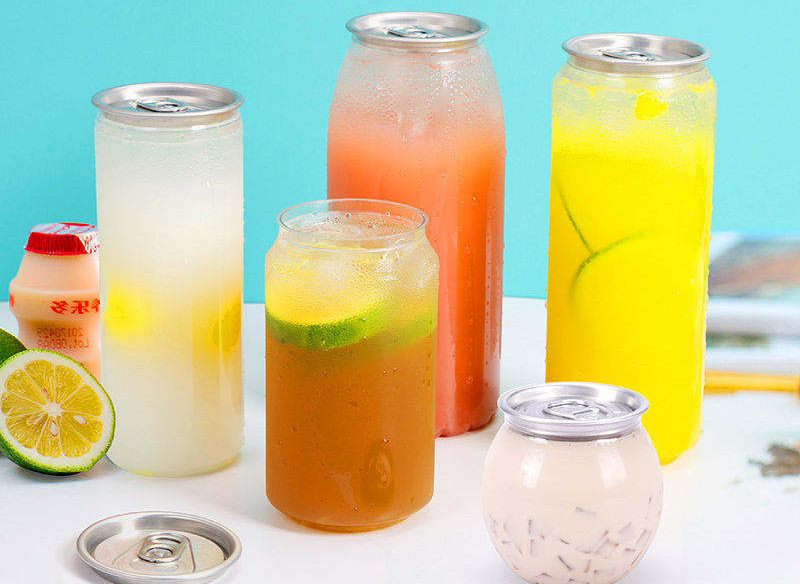
All COPAK sealers and PET containers are manufactured under strict ISO 9001:2015 standards. Our materials are 100% BPA-free and FDA-compliant for direct food contact, ensuring your brand meets local health regulations globally.
We provide localized motor configurations for electric-manual hybrid sealers (110V/220V, 50/60Hz) to ensure plug-and-play functionality in any region, from New York to Sydney.
We lead the way in RPET (Recycled PET) support. Our sealers are optimized for the slightly different structural properties of recycled plastics, supporting the circular economy.
Where does a manual beer can sealer create the most "Information Gain" for a business owner? We look at real-world deployments:
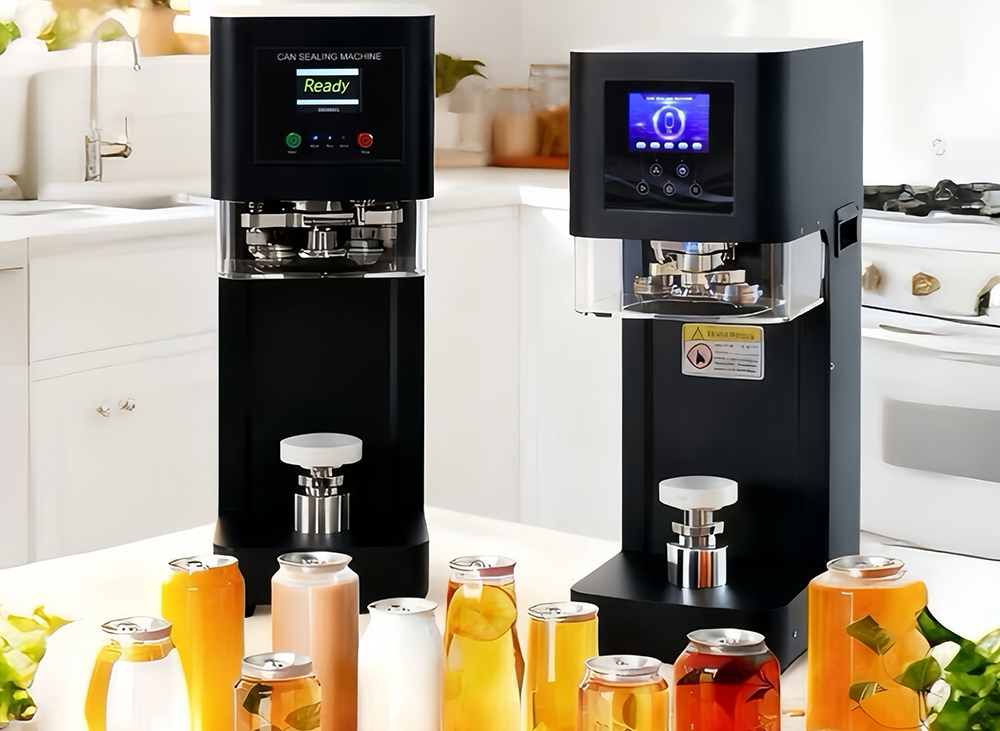
As we look toward 2030, the integration of AI and IoT into manual sealing equipment is inevitable. COPAK is currently researching "Smart Seams" where the machine can detect the optimal pressure based on the material density of the can. This reduces human error and ensures a 100% success rate even for untrained staff. Additionally, the move toward 100% biodegradable polymers will require sealers with variable temperature and pressure profiles—a roadmap COPAK is already following.