1 / 3

In the modern food industry, the journey from production to consumption is rarely direct. Food is prepped in central kitchens, transported in refrigerated trucks, stored in walk-in coolers, and finally displayed in open-air fridges. This journey, known as the "cold chain," puts immense stress on packaging. While some plastics become brittle and crack at low temperatures, PET (Polyethylene Terephthalate) is engineered to excel in these challenging environments.
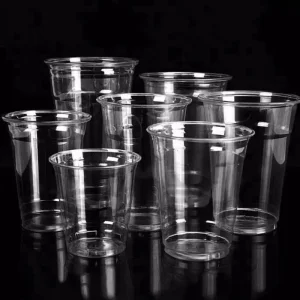
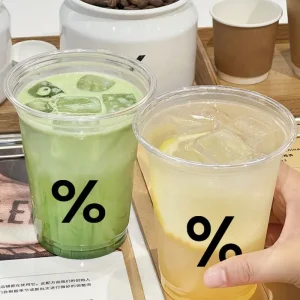
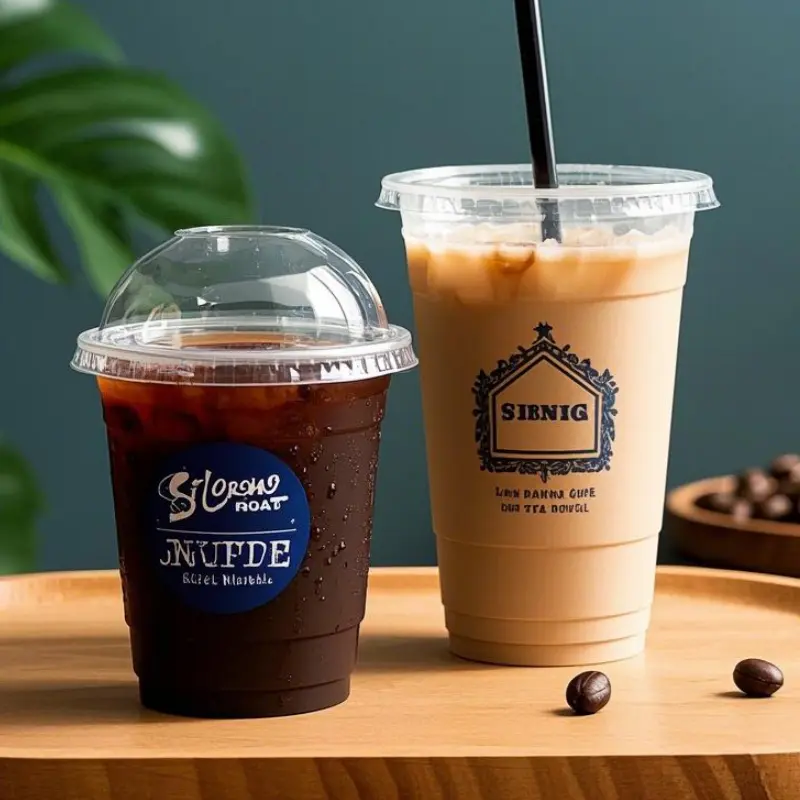
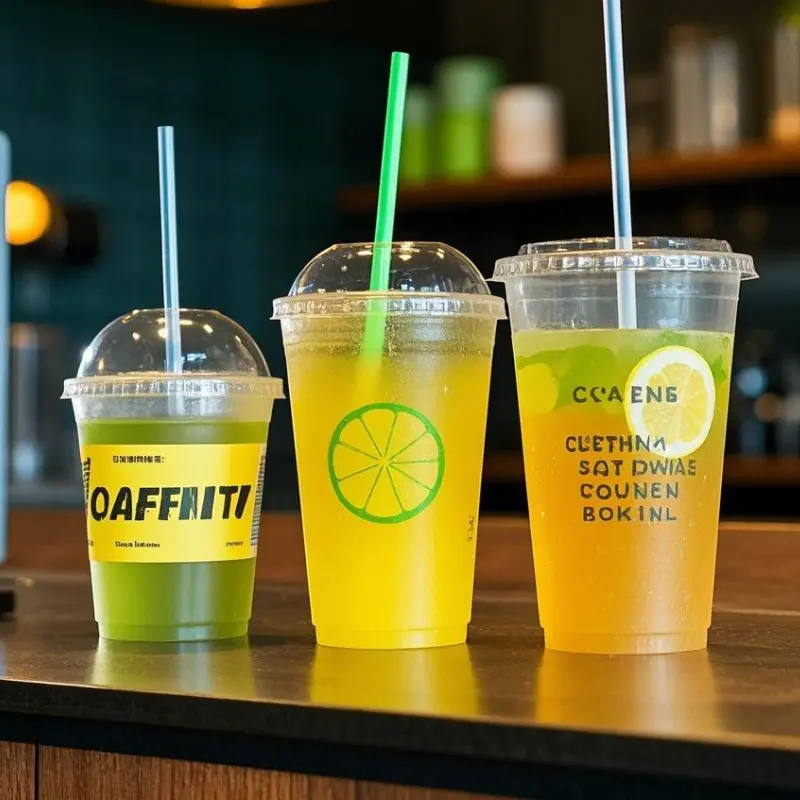
One of the primary failures of lower-grade plastic packaging (like Polystyrene/PS) is that it loses flexibility when cold. A simple bump in the freezer can cause a PS container to shatter. PET, however, retains its durability even at freezing temperatures (down to approximately -20°C / -4°F). This makes PET cups and deli containers the ideal choice for businesses that pre-freeze smoothie packs, acai bowls, or frozen desserts. You can stack them in the freezer with confidence, knowing they won't crack upon retrieval.
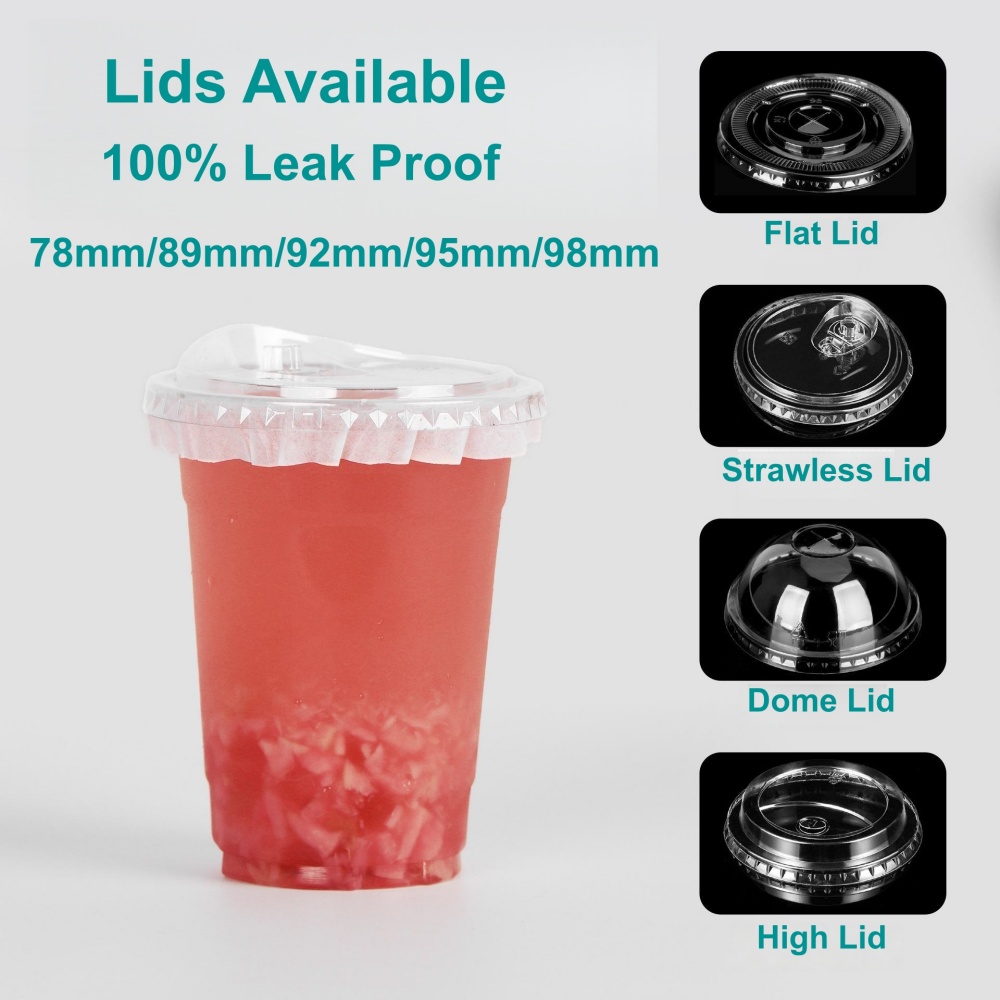
The cold chain often involves temperature fluctuations—moving a pallet from a cold truck to a slightly warmer loading dock, and then back into a cooler. Materials that expand and contract significantly can cause lids to pop off. PET cups and matching lids are designed with precise dimensional stability. The snap-fit seal remains tight and secure despite these minor temperature shifts, preventing messy leaks in retail distribution.
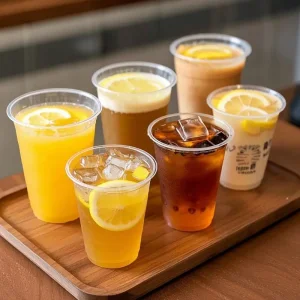
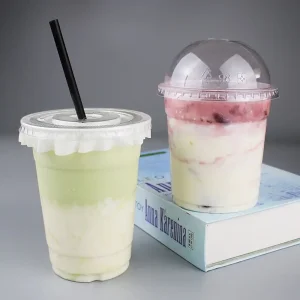
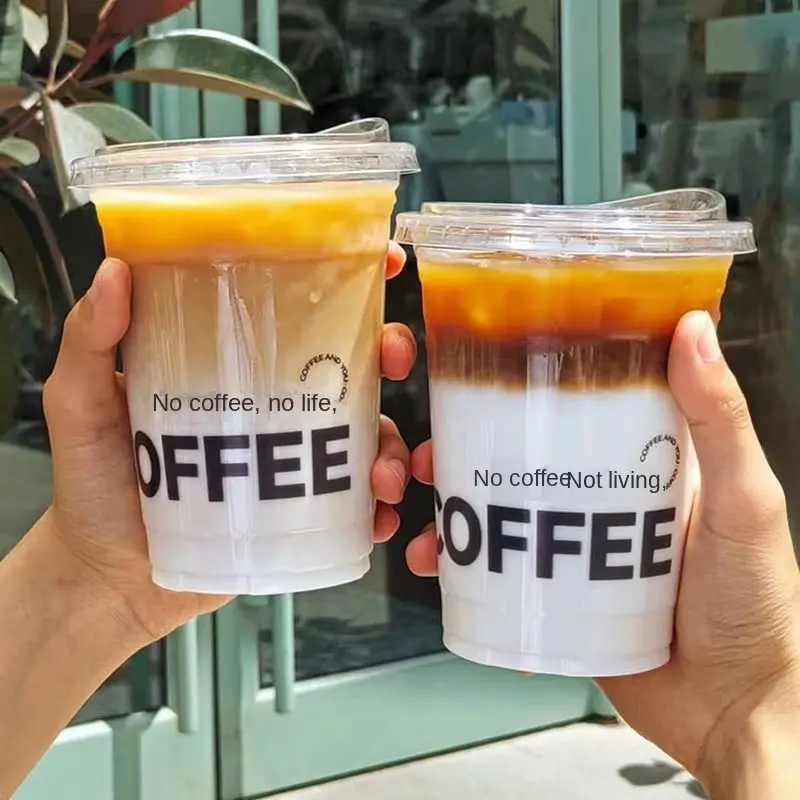
Condensation is a natural occurrence in refrigerated displays. When a customer opens a fridge door, warm air hits the cold cup, creating fog. While no plastic is immune to physics, PET’s inherent surface properties and high clarity help minimize the "foggy" look better than cloudy plastics like PP. Because PET is naturally glossy, it helps products shine under typical supermarket lighting, making salads and yogurts look highly appetizing.
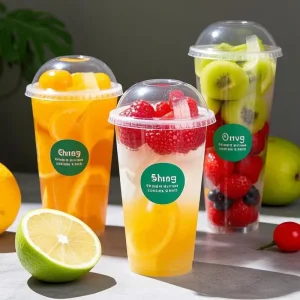
The cold chain isn't just about temperature; it's about time. Pre-packaged foods need to stay fresh for days. PET provides a superior gas barrier compared to other common plastics. It effectively slows down the transmission of oxygen, which prevents oxidation in products like guacamole (browning), keeps cut fruits crisp, and maintains the potency of juices, extending the overall shelf life.