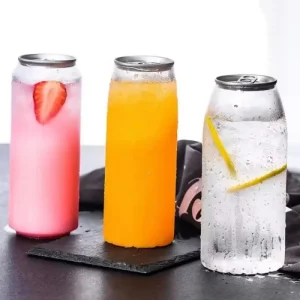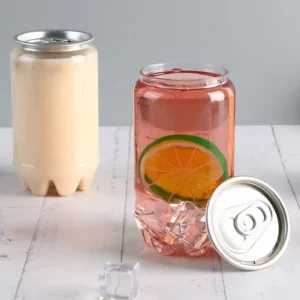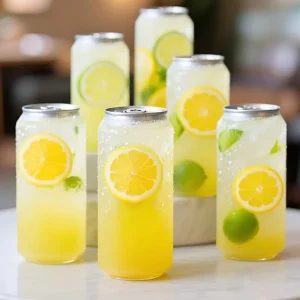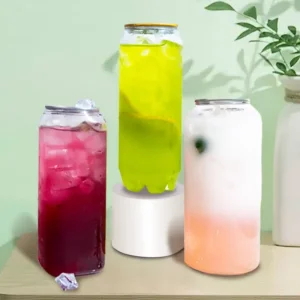
Explore our state-of-the-art PET, R-PET, and aluminum can sealing machinery configured for high-capacity packaging lines.
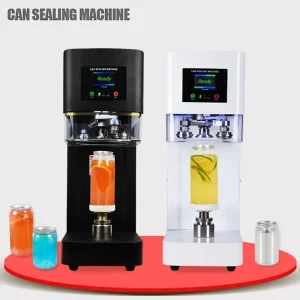


How advanced production infrastructure and double-seam technology guarantee structural package integrity.
In modern packaging technology, the physical seal of a container is the single most critical factor in determining product shelf-life, safety, and brand reliability. As leading wholesale industrial can sealer manufacturers, we merge scientific design with robust hardware to produce mechanical systems that cater to complex packaging requirements. Industrial can sealers are tasked with creating a hermetic barrier that protects beverages, food items, chemical compounds, and pharmaceutical supplies from external contamination, ingress of oxygen, and volatile organic compounds (VOCs).
At the center of this process is the mechanical science of double seaming. The procedure involves compressing the end/lid flange and the can body flange together using precise rolling operations. Standard systems employ first and second operation seamer rollers, typically fabricated from high-grade alloy steel or tungsten carbide to reduce thermal fatigue and physical wearing over millions of cycles. In our state-of-the-art Chinese manufacturing facilities, we execute automated tooling alignments that operate at tolerances down to ±0.01 mm, maintaining exact standards across high-volume production schedules.
Moreover, the integration of non-rotary sealing technology has marked a major advancement in the machinery sector. Unlike traditional rotary models where the container rotates at high speeds—potentially causing liquid disruption or foaming in carbonated drinks—our non-rotary systems keep the can body stationary. The seaming head revolves around the static container, maintaining liquid stability and preventing spillage, making it an excellent solution for cold brews, craft beers, and ready-to-drink (RTD) dairy products.
Utilizes dual-roller configurations to create a physical interlock between the lid and body, ensuring leakproof performance and optimal gas retention.
Maintains stationary container positioning during seaming. Essential for carbonated beverages, delicate liquids, and precise fills.
Constructed using SUS304 and SUS316 stainless steel components, extending equipment longevity in humid or high-acid food processing environments.
Pioneering sustainable, cost-efficient, and globally integrated packaging machinery solutions.
The industrial landscape in Guangdong, China, offers a highly optimized supply chain that integrates component sourcing, raw material processing, and advanced electronic engineering. When sourcing sealing machines and PET packaging systems directly from our factory, global purchasers gain structural and commercial advantages:
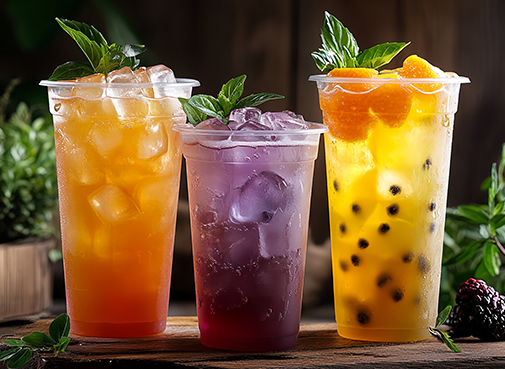
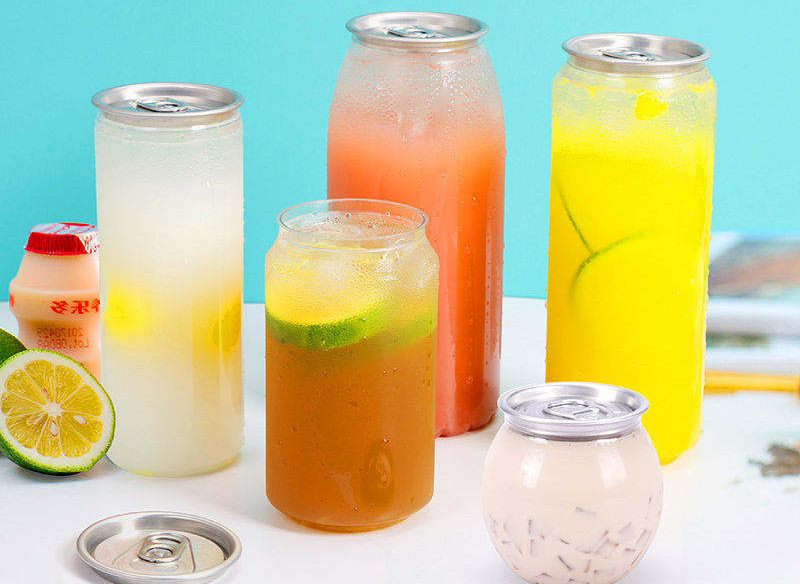
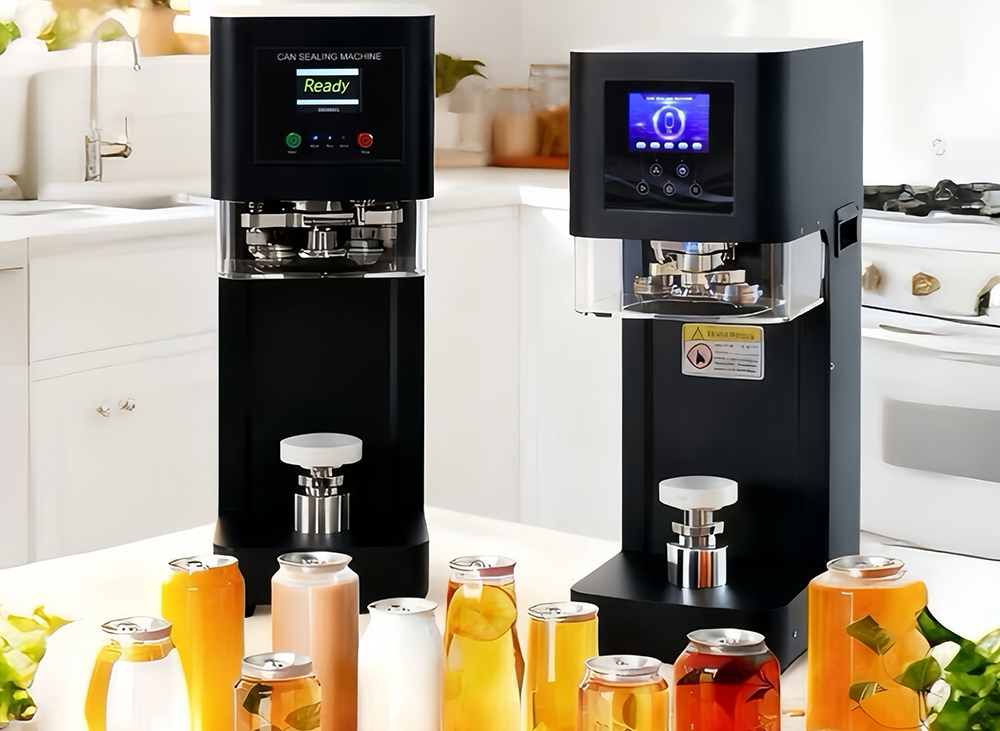
Adapting to diverse sector demands, from small-scale cold brew stations to high-output industrial packing plants.
Industrial can sealers operate across multiple market verticals, each with specific sanitation, line integration, and throughput demands. Recognizing these distinct needs, COPAK designs tailored machinery and material combinations to optimize efficiency:
The global surge in cold brew coffee, kombucha, and nitro-beverages requires gas-tight packaging capable of preserving dissolved nitrogen or carbon dioxide. Our sealers feature gas-flushing systems that replace ambient oxygen with inert nitrogen gas prior to seaming. This drops residual oxygen to under 0.5%, keeping cold brew flavors stable and preventing product oxidation.
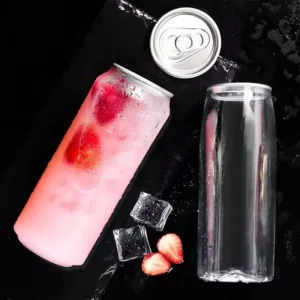
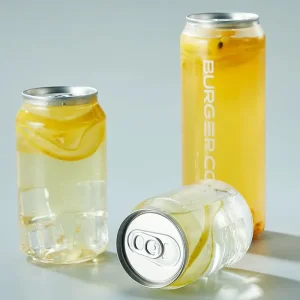
With consumers prioritizing sustainable and transparent packaging, PET and Recycled PET (RPET) clear cans have grown in popularity. The challenge of sealing PET cans lies in the material's structural elasticity. Unlike aluminum, PET can deform under heavy vertical load. Our machines apply dynamic pressure regulation, using soft-clamping technologies to create a high-quality double-seam without warping the clear plastic body.
In high-end dessert packaging, fast-casual dining, and food preparation centers, quick-change tooling is essential. Operators often swap container heights and diameters multiple times per shift. Our modular seaming heads allow tooling adjustments in under five minutes, reducing downtime and supporting diverse product lines.
Leveraging smart controls and energy-efficient designs to prepare operations for future packaging demands.
As smart manufacturing gains traction globally, the industrial can seamer segment is transitioning from manual, purely mechanical systems to intelligent, interconnected hardware. We are focusing our research and development on several key technological trends:
Modern production facilities require minimal unscheduled downtime. By integrating vibration, temperature, and torque sensors directly into the seaming spindles, our smart sealers track performance metrics in real time. Predictive maintenance alerts notify operators of component wear before a failure occurs, keeping operations running smoothly.
Rising global energy costs and net-zero carbon goals are driving the adoption of electric-servo drives over pneumatic cylinders. Servo-actuated seaming systems consume up to 40% less energy, provide precise speed adjustments, and remove the risk of oil-mist contamination from compressed air systems.
Sourcing materials from multiple vendors can lead to minor variations in can wall thickness and metal temper. Next-generation sealing heads adjust roller pressure automatically using digital force feedback, accommodating varying container tolerances and materials (such as aluminum, tinplate, PET, and composite paperboard) on a single machine.
Key considerations for international buyers sourcing automated sealing machinery and packaging materials.
Procuring capital equipment from overseas requires close attention to design specifications and regulatory standards. For commercial buyers, we recommend verifying the following points before finalizing a purchase order:
By operating structured sales offices in Shanghai and dedicated manufacturing facilities in Guangdong, COPAK simplifies global sourcing. We coordinate shipping logistics, handle export documentation, and run extensive factory acceptance testing (FAT) to ensure all machinery arrives ready for installation.
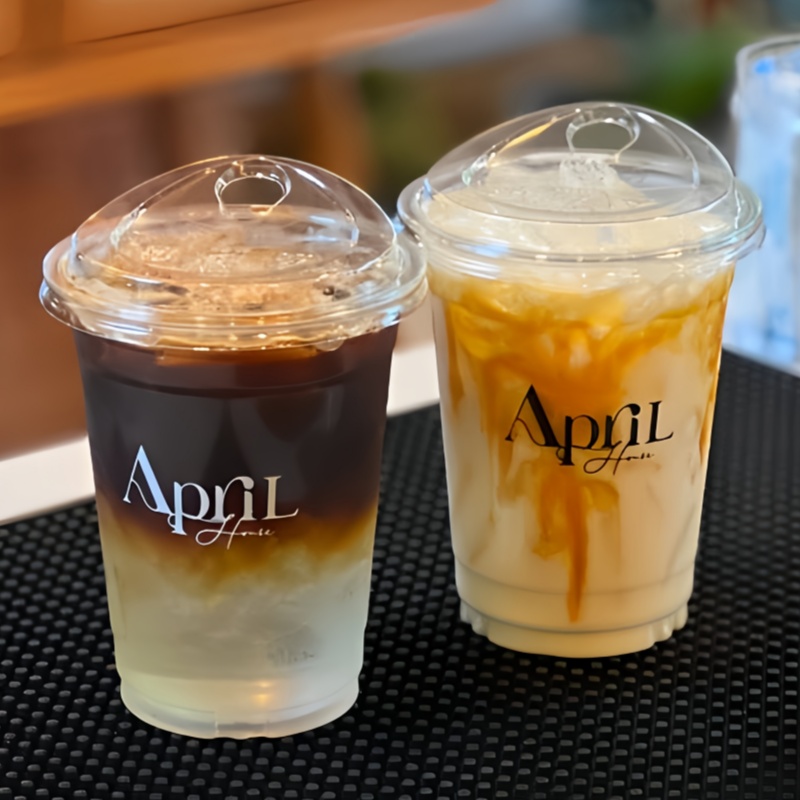
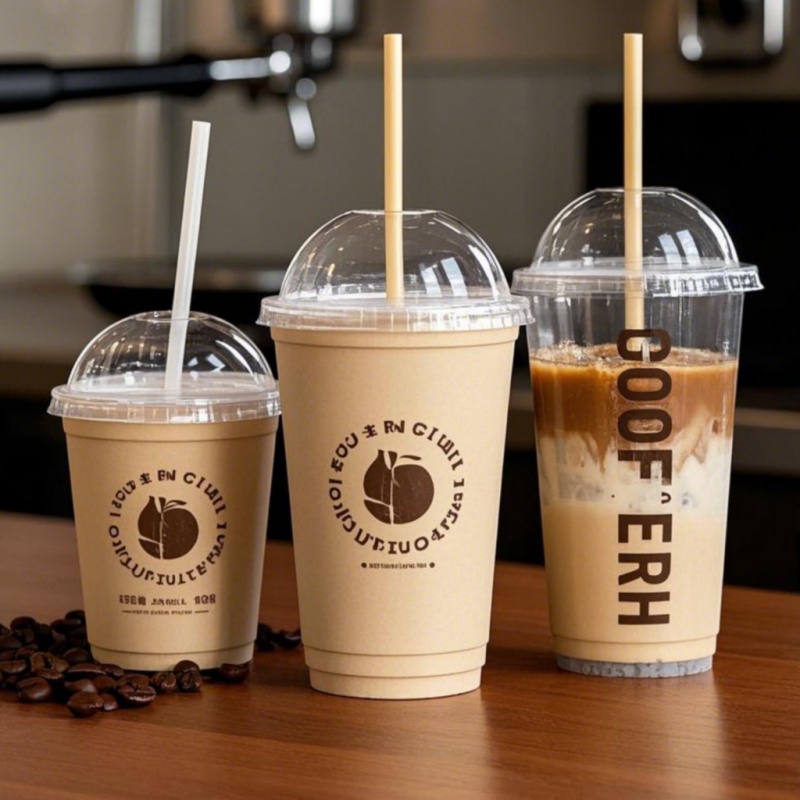
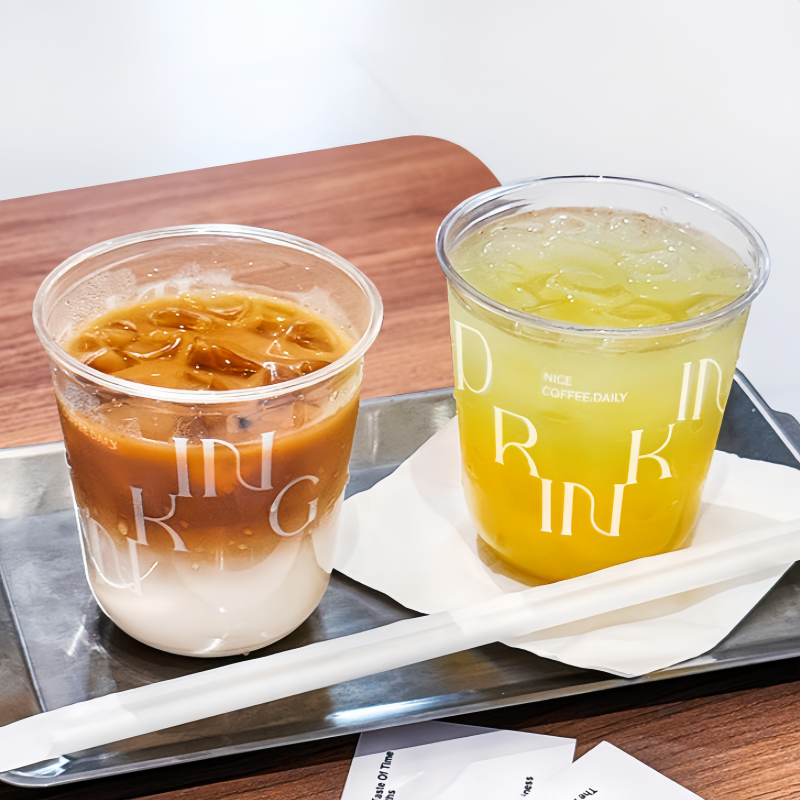
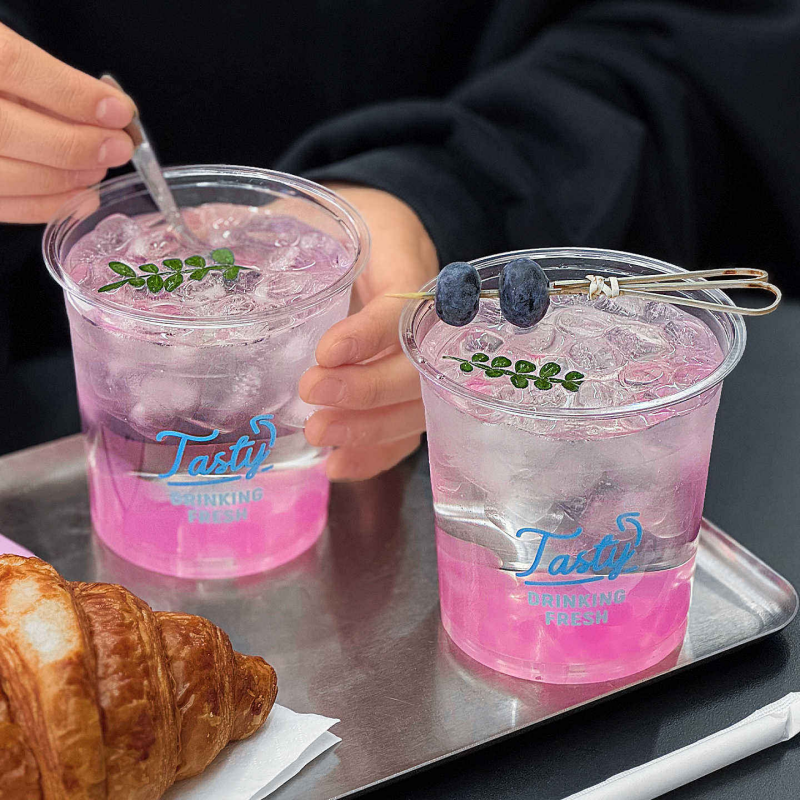
Explore our most popular eco-conscious packaging styles and high-performance automated sealing solutions.
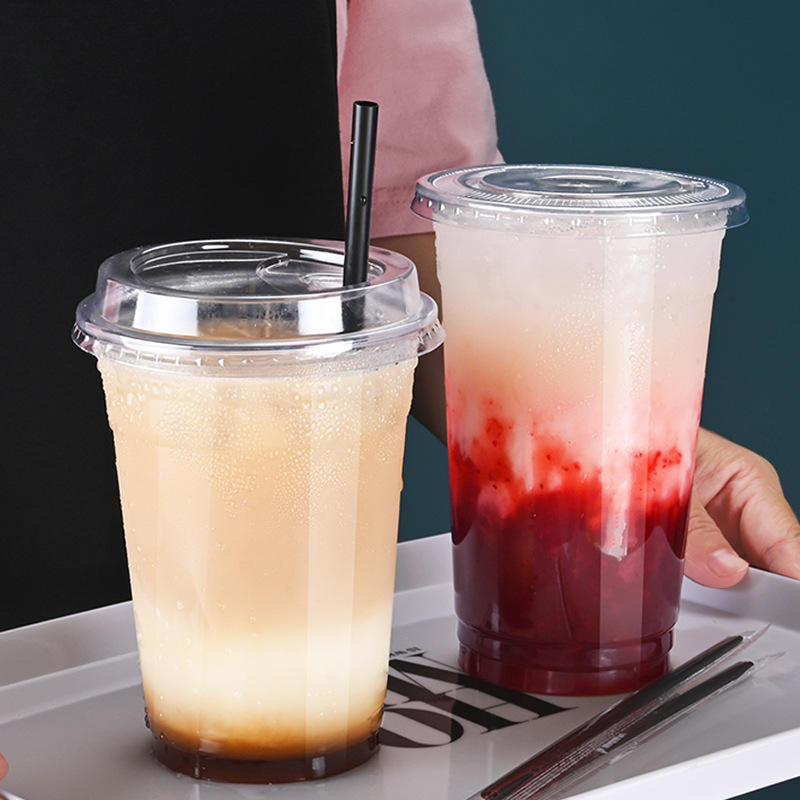
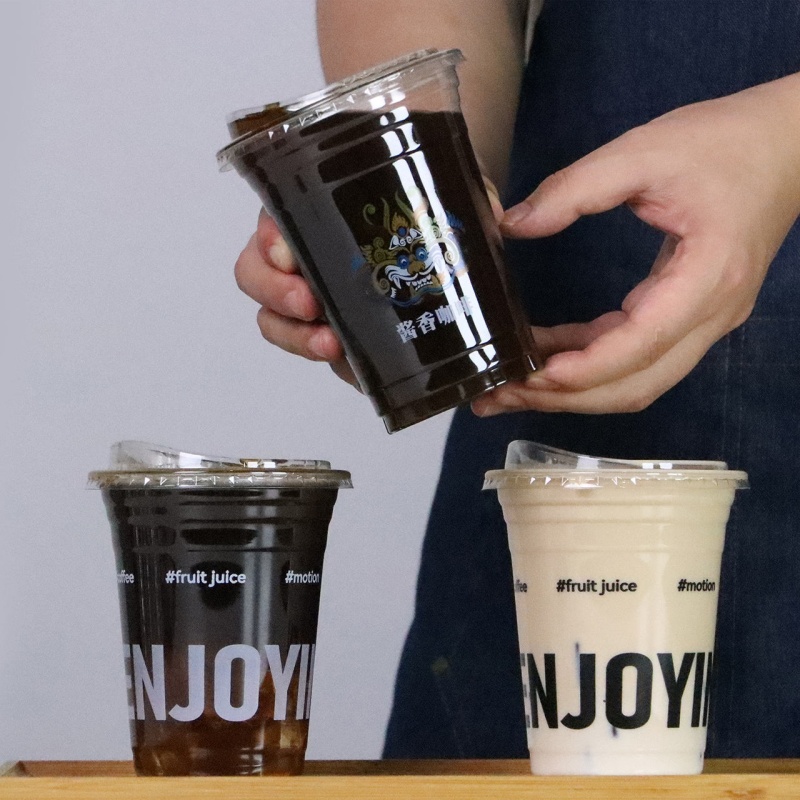
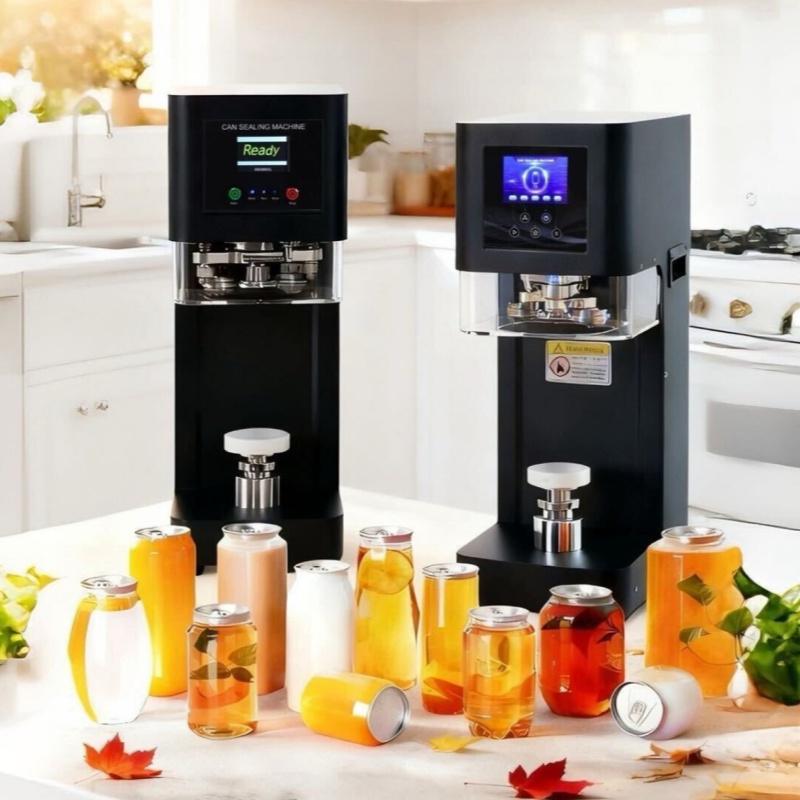

Answers to common technical, operational, and procurement questions about industrial can sealers.
Stay up to date with the latest product launches, material developments, and engineering articles from COPAK.
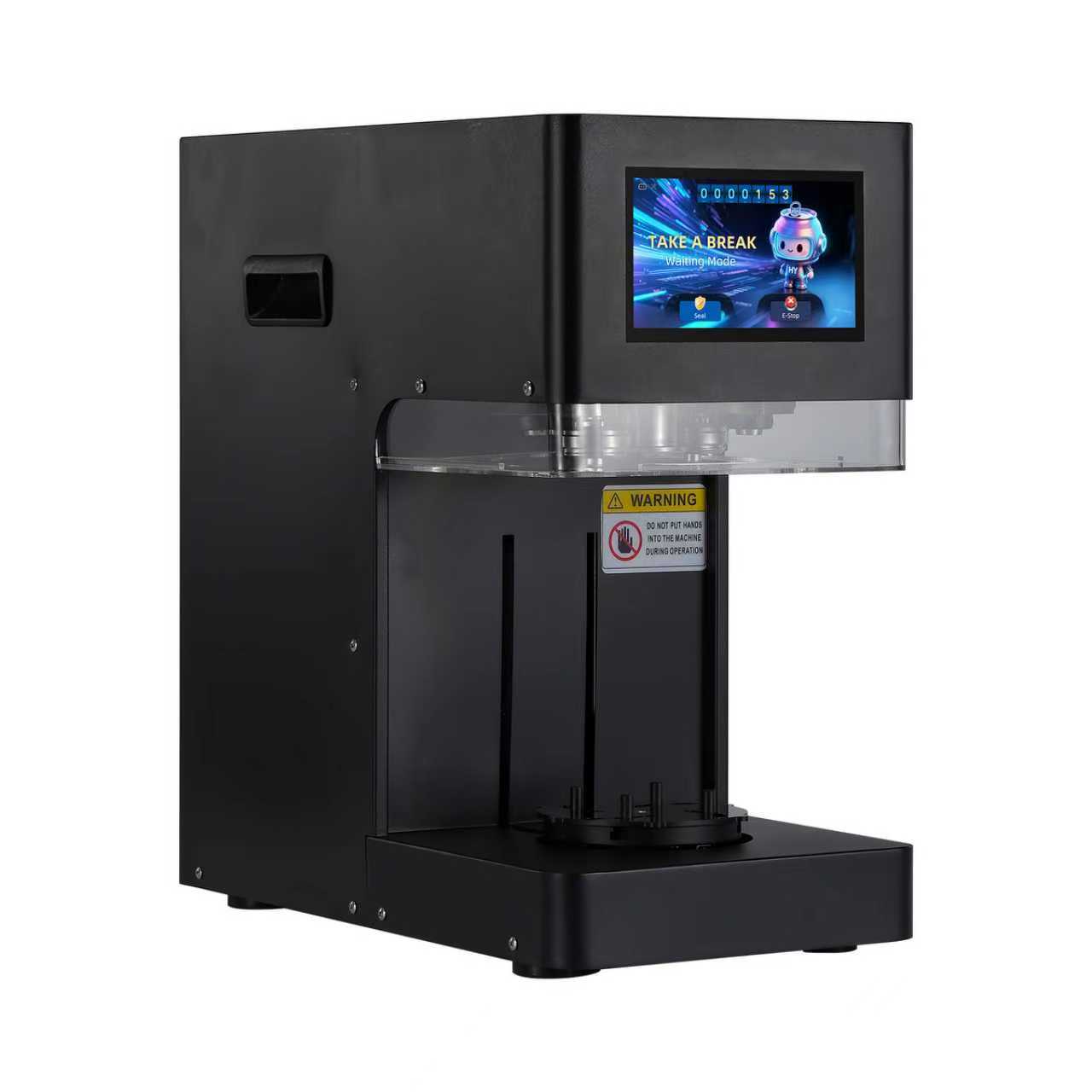
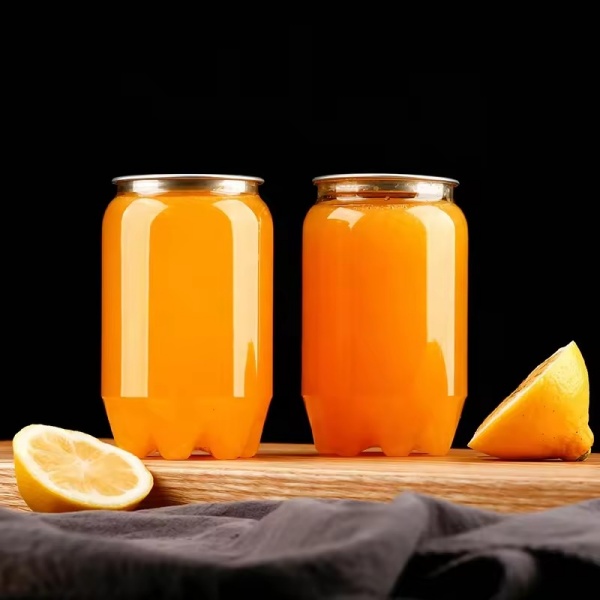
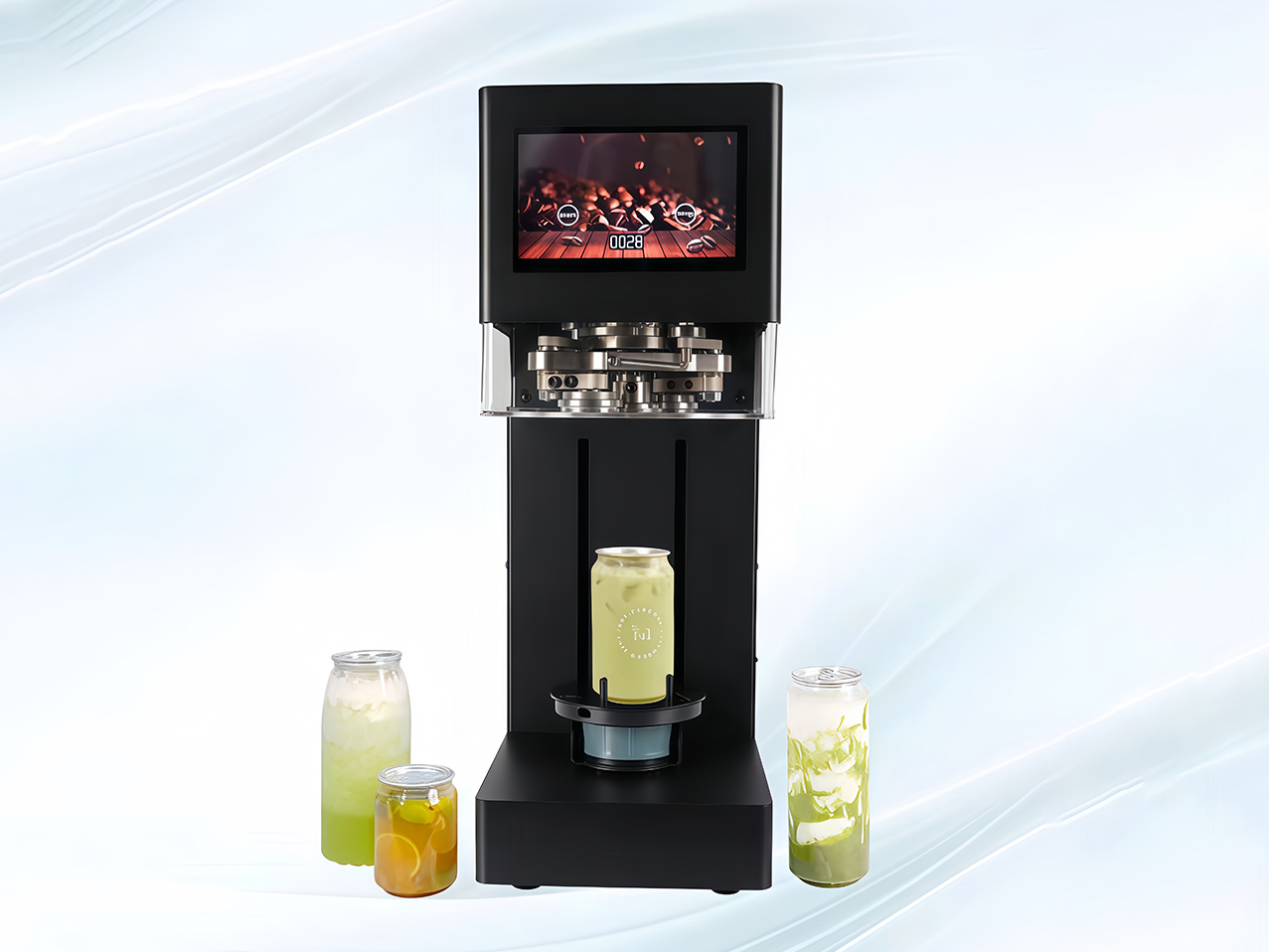
Browse our selection of food-grade cans, customized soda packaging, and eco-friendly cold drink cups.