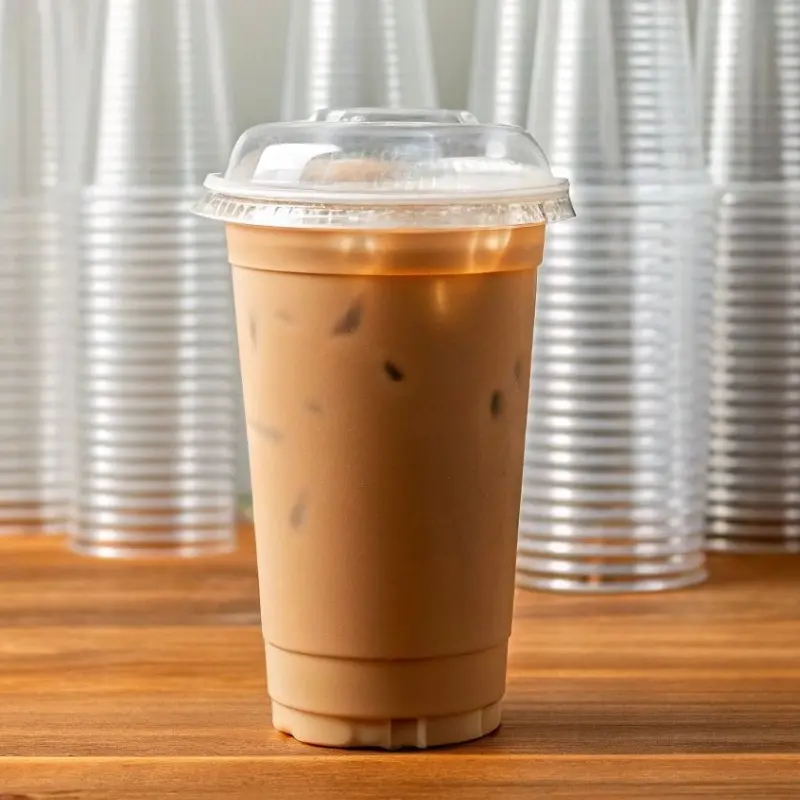
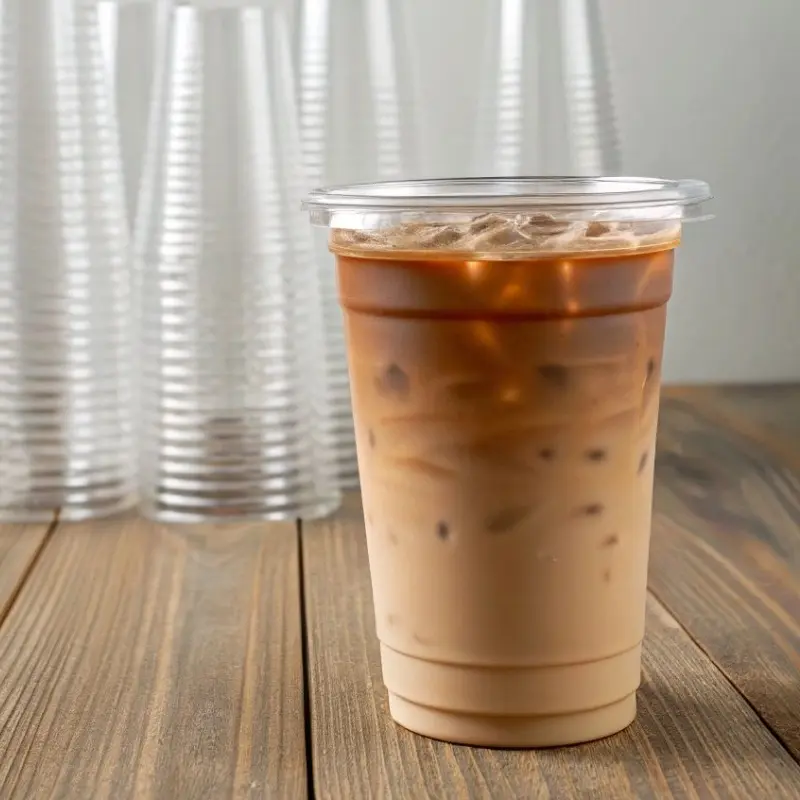
High-Quality PET Cold drink cup for coffee Exporter, Exporters

Product Description

PET vs. PP Cups: Why PET is Better for Premium Cold Beverages
!

When sourcing plastic cups, buyers often decide between PET (Polyethylene Terephthalate) and PP (Polypropylene). While both have their uses, PET is the superior choice for premium cold beverages, while PP is typically used for hot drinks or lower-cost, sealed boba teas. Understanding the difference is key to positioning your brand correctly.

Clarity Comparison

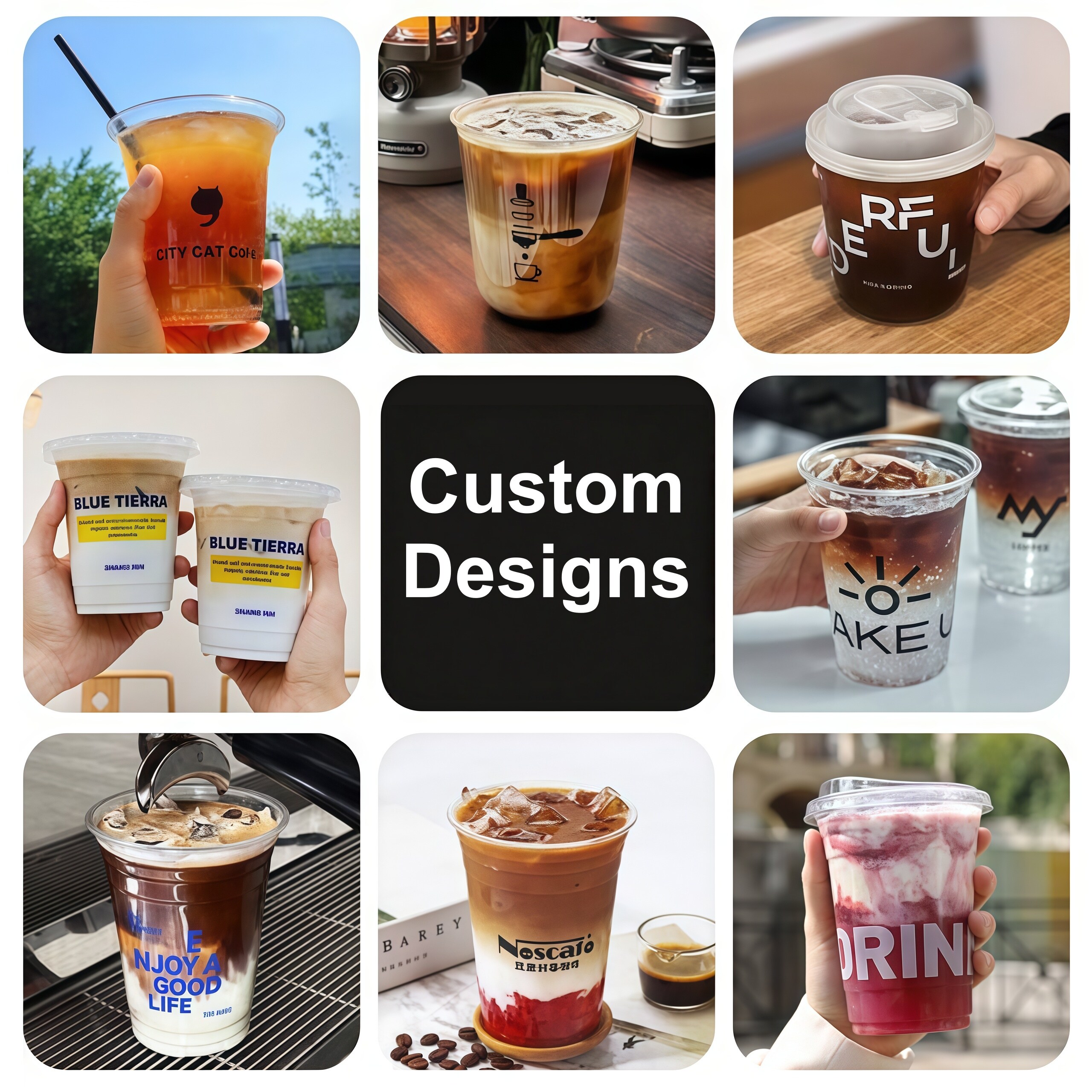
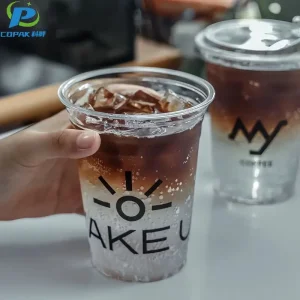
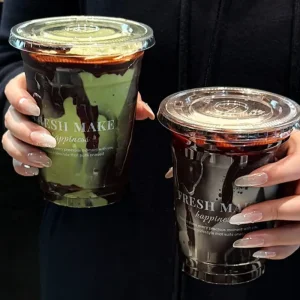
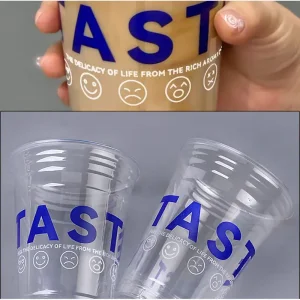
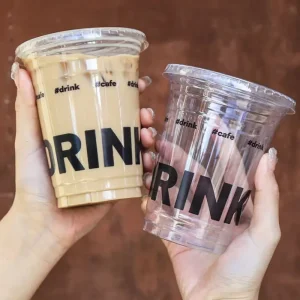
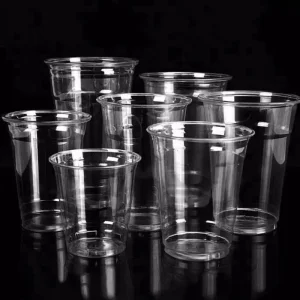
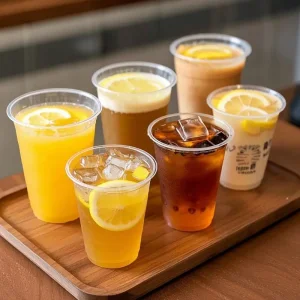
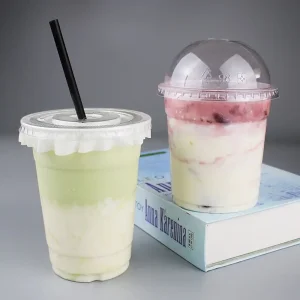
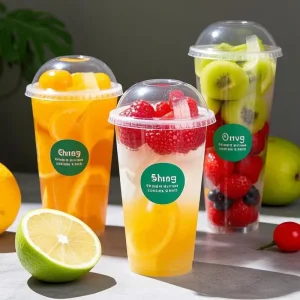
The most visible difference is clarity. PET is crystal clear, offering a glass-like finish. PP, on the other hand, is naturally translucent or hazy. If you are serving a colorful layered drink, a fruit salad, or a visually appealing smoothie, PP will dull the colors and make the product look less appetizing. PET enhances the visual appeal.
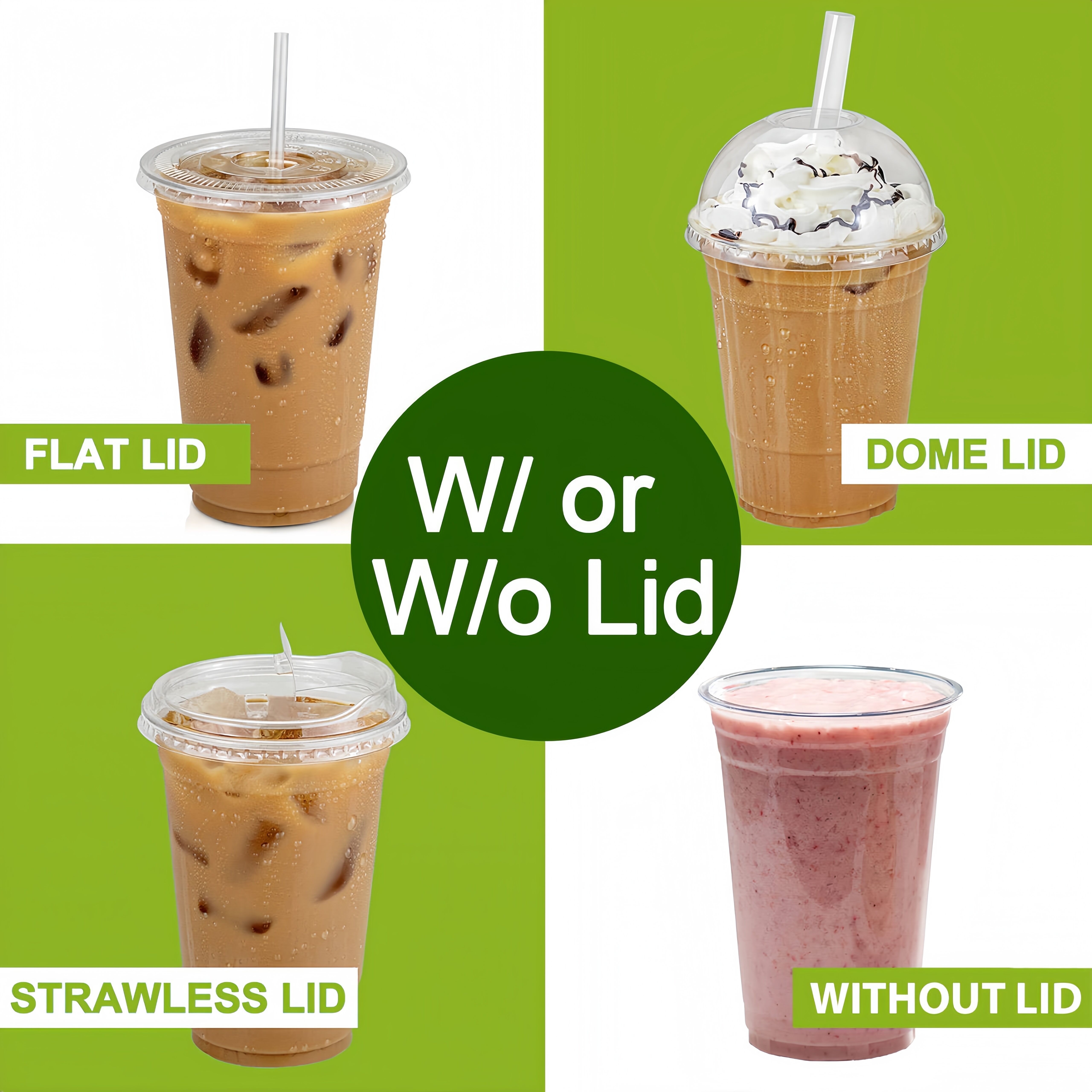
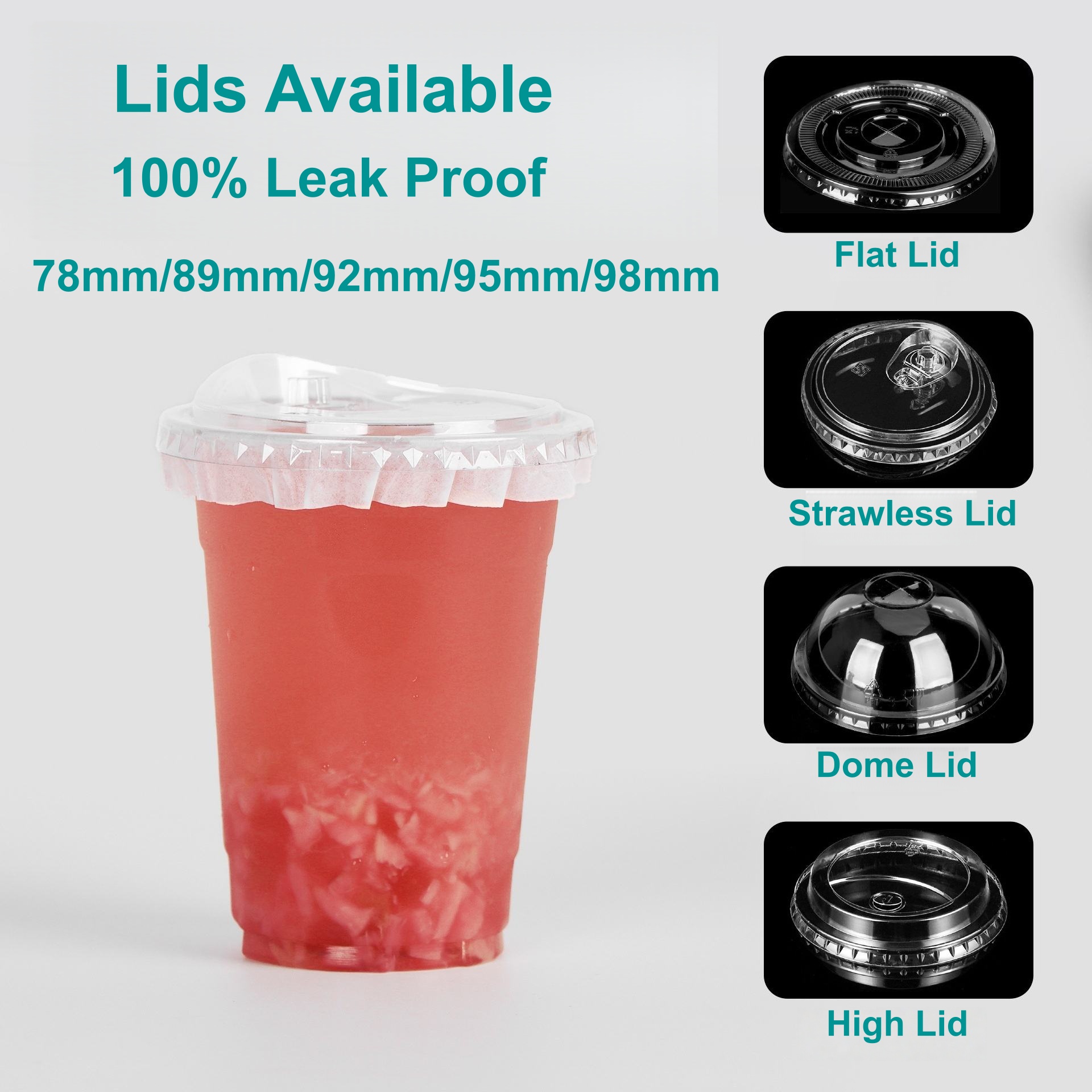
PET Cup Clarity Display
Plastic Cup Comparison
Texture and Rigidity

PET: Feels firm, rigid, and premium in the hand. It resists deformation when held.

PP: Feels softer and more "squishy." While it has high heat resistance (making it microwaveable), this softness can feel cheap for cold drink applications.

Temperature Limitations

PET: Perfect for cold drinks (-20°C to 60°C). Not suitable for hot drinks.

PP: Can handle boiling temperatures (up to 120°C).

If you are sealing hot soy milk, choose PP. But if you are selling iced coffee, smoothies, or bubble tea where visual appeal and a premium hand-feel are paramount, PET is the undisputed winner.
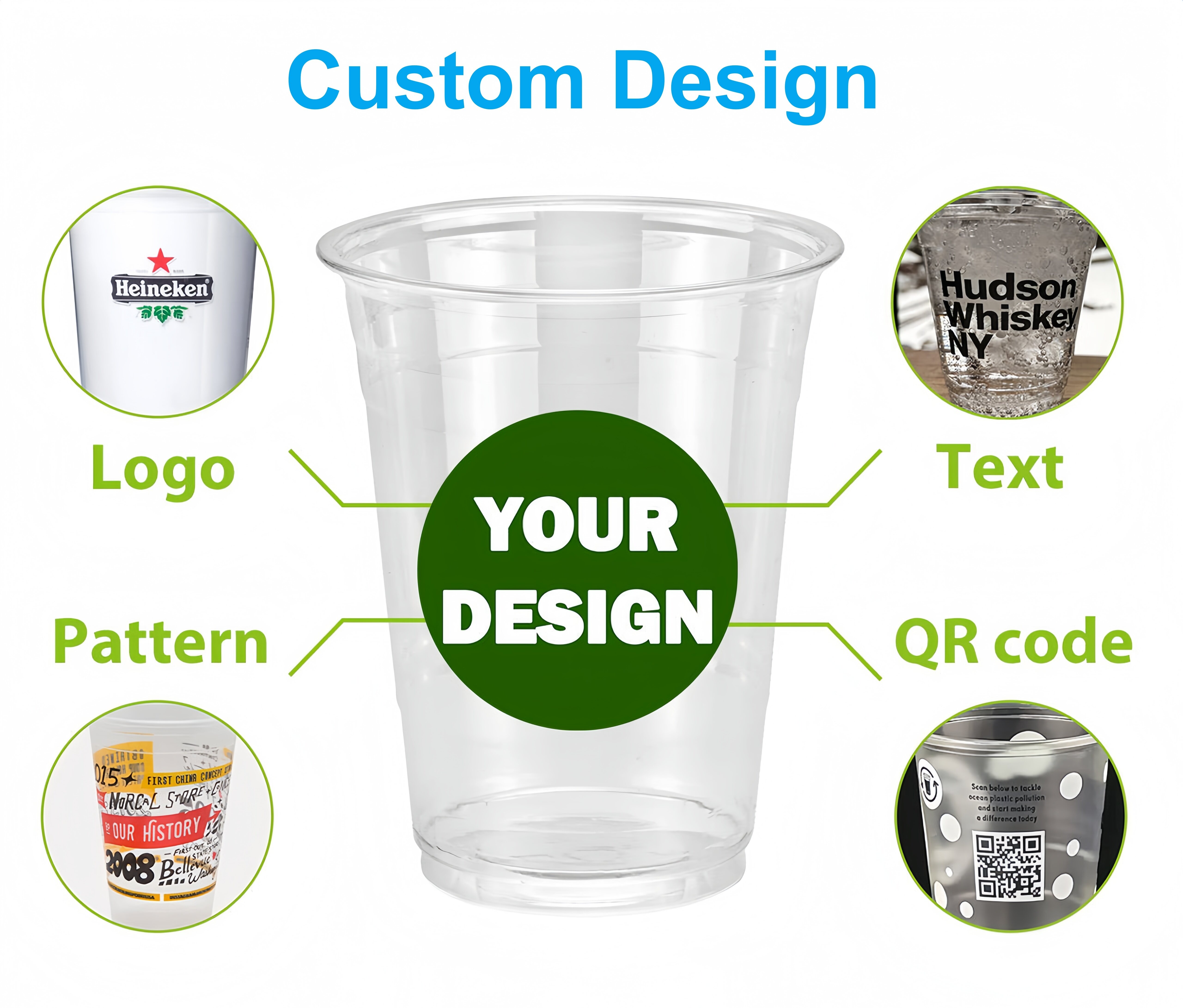
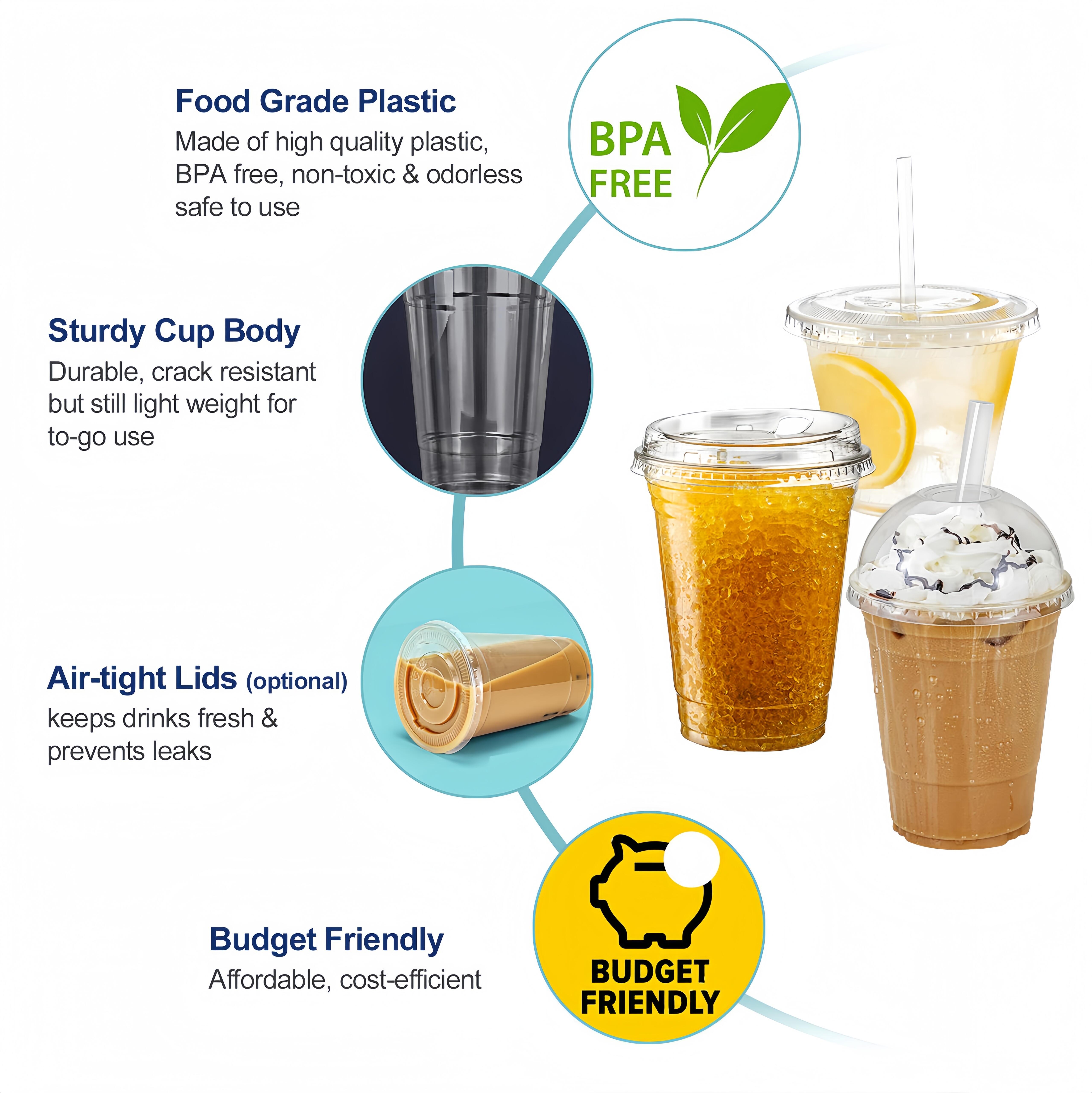
Premium Cold Beverage PET Cup
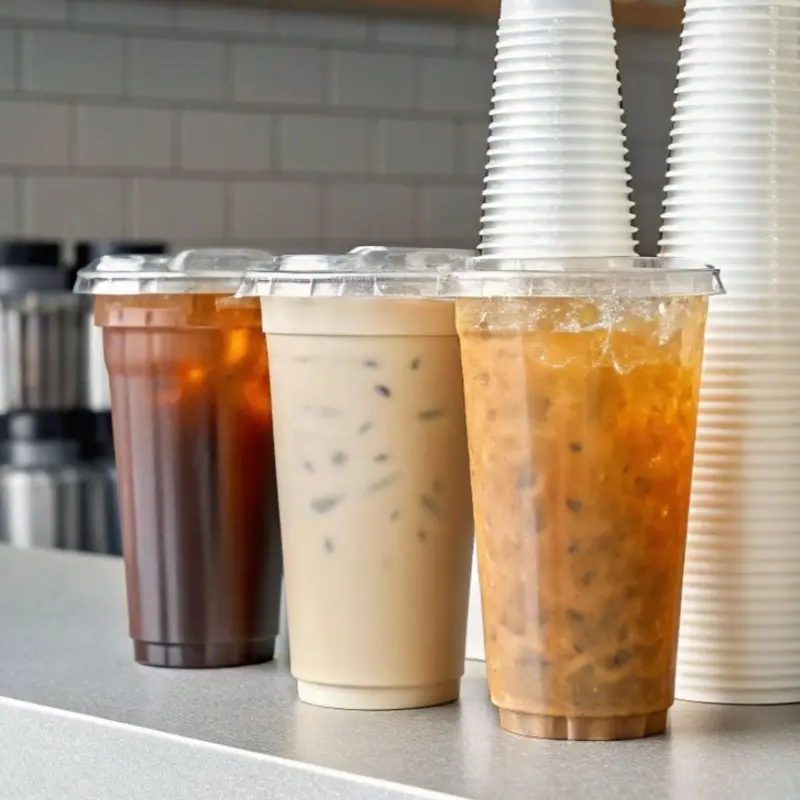
Iced Coffee PET Packaging
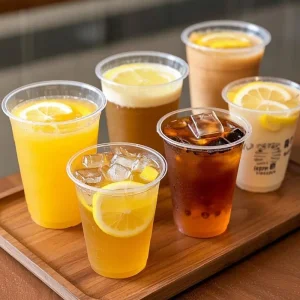
Cold Drink Cup Variety
Frequently Asked Questions
Why is PET preferred for iced coffee over PP?
PET provides crystal-clear visibility and a rigid, premium feel that enhances the presentation of colorful iced beverages, whereas PP is translucent and softer.
Can PET cups be used for hot beverages?
No, PET cups are designed for cold applications with a temperature range of -20°C to 60°C. For hot drinks, PP is the suitable material as it can withstand up to 120°C.
Are PP cups microwave-safe?
Yes, PP (Polypropylene) has high heat resistance, making it suitable for microwave use and hot sealing applications.
How does the hand-feel of PET compare to PP?
PET feels firm and sturdy, resisting deformation when held. PP is more flexible or "squishy," which is often perceived as a lower-cost option for cold drinks.
Which material is better for showing off layered drinks?
PET is the undisputed winner for layered drinks because its glass-like clarity perfectly showcases the colors and textures of the beverage.
What is the best use case for PP cups?
PP is ideal for hot soy milk, hot teas, or lower-cost sealed bubble tea products where heat resistance is more important than visual clarity.

Related Products