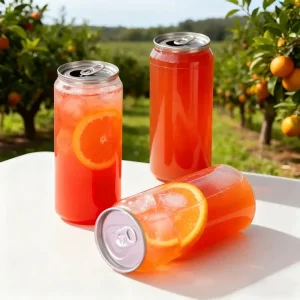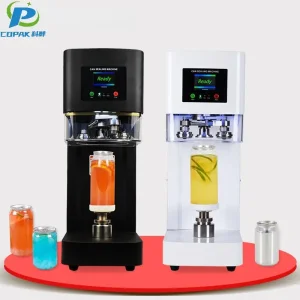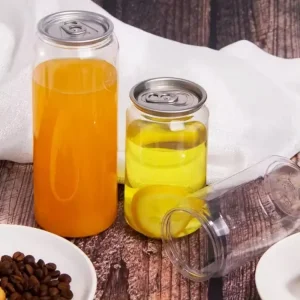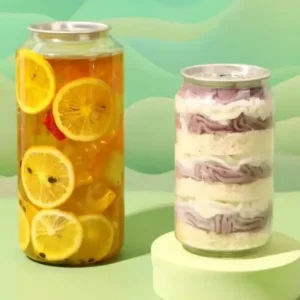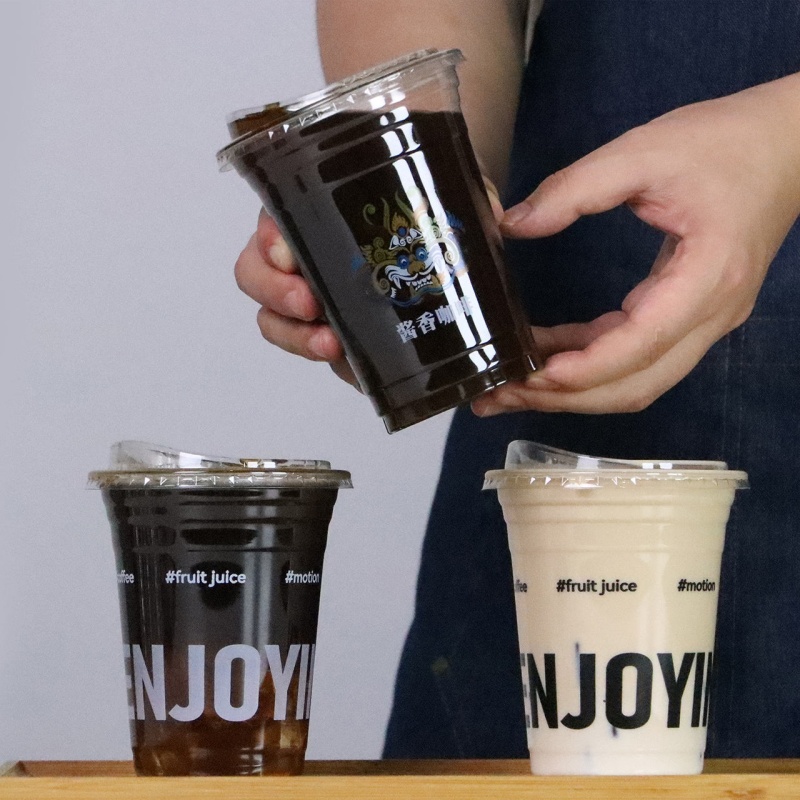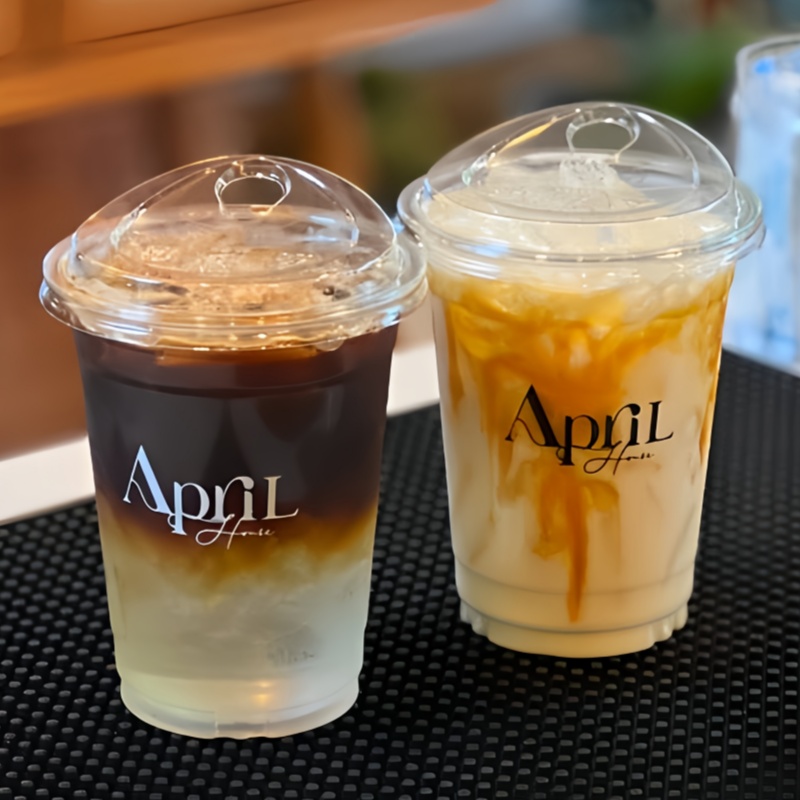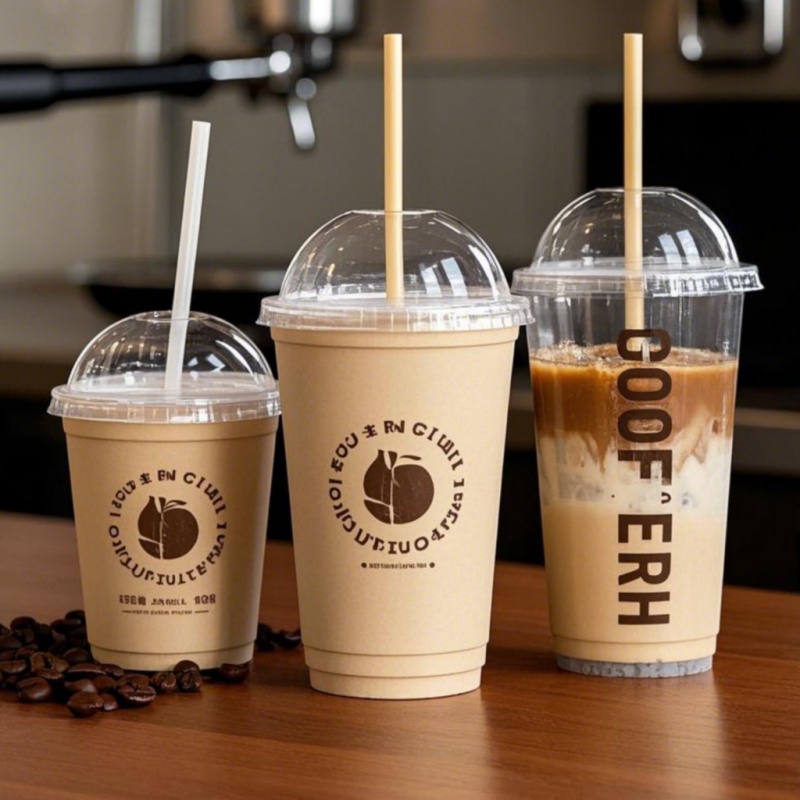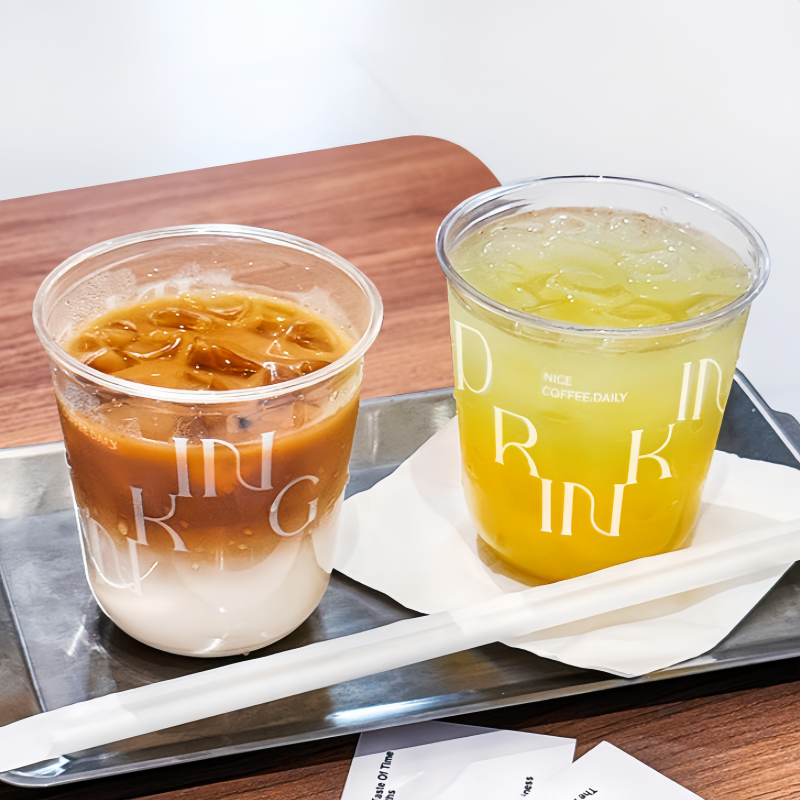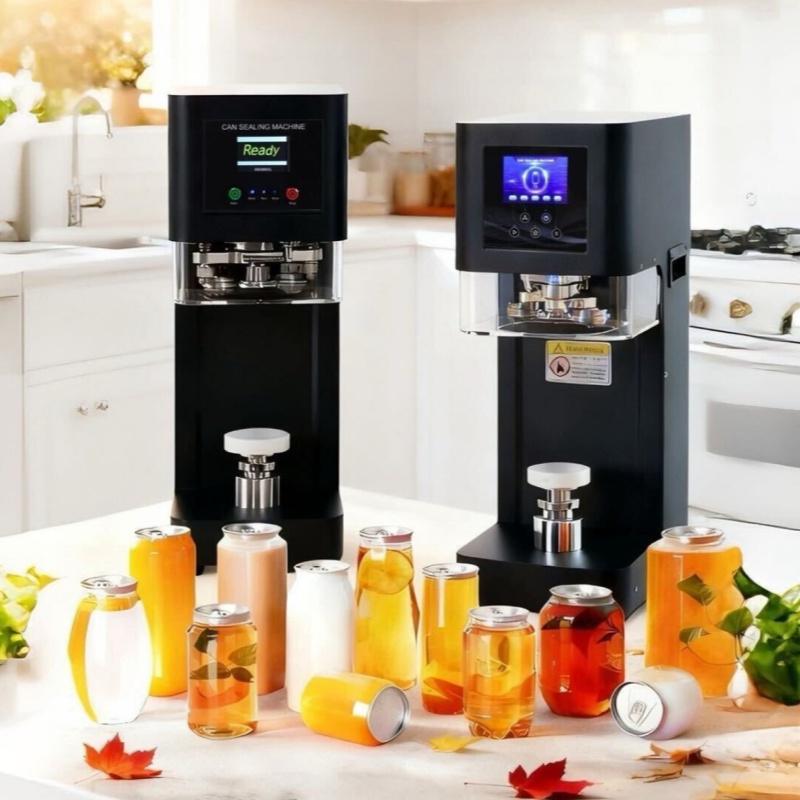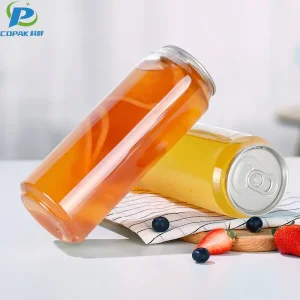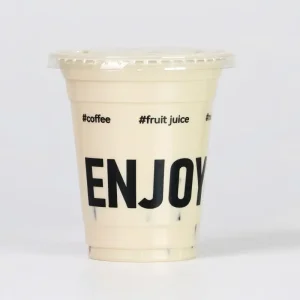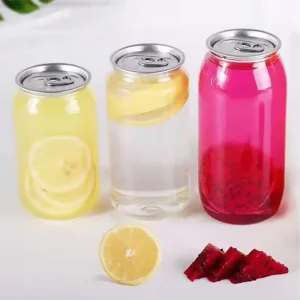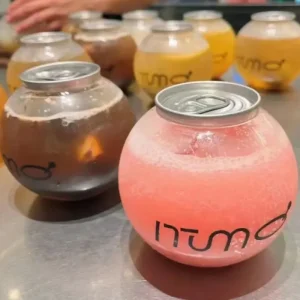
The global packaging market is undergoing a seismic shift toward automation and material hybridization. As a leading Metal Can Sealing Machine Supplier, we recognize that the demand for 202# and 55mm lid diameters is no longer limited to traditional soda cans. The rise of craft beverages, cold brew coffee, and high-end PET-packaged snacks has necessitated a new generation of sealing machines that offer hermetic precision with minimal downtime.
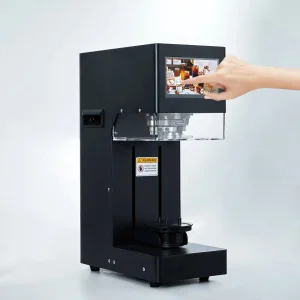
Modern factories are transitioning from manual hand-cranked sealers to Intelligent Touch Screen Can Seamers. This evolution is driven by the need for consistent torque and pressure, which manual machines simply cannot replicate. Our factory integration solutions utilize PLC (Programmable Logic Controller) systems to ensure that every can—whether PET or metal—is sealed with the exact same specifications, reducing leakage claims to near zero.
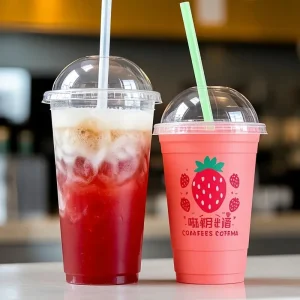
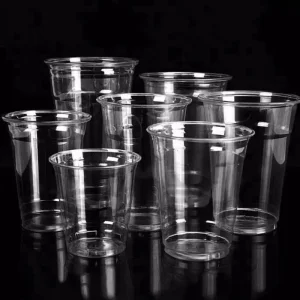
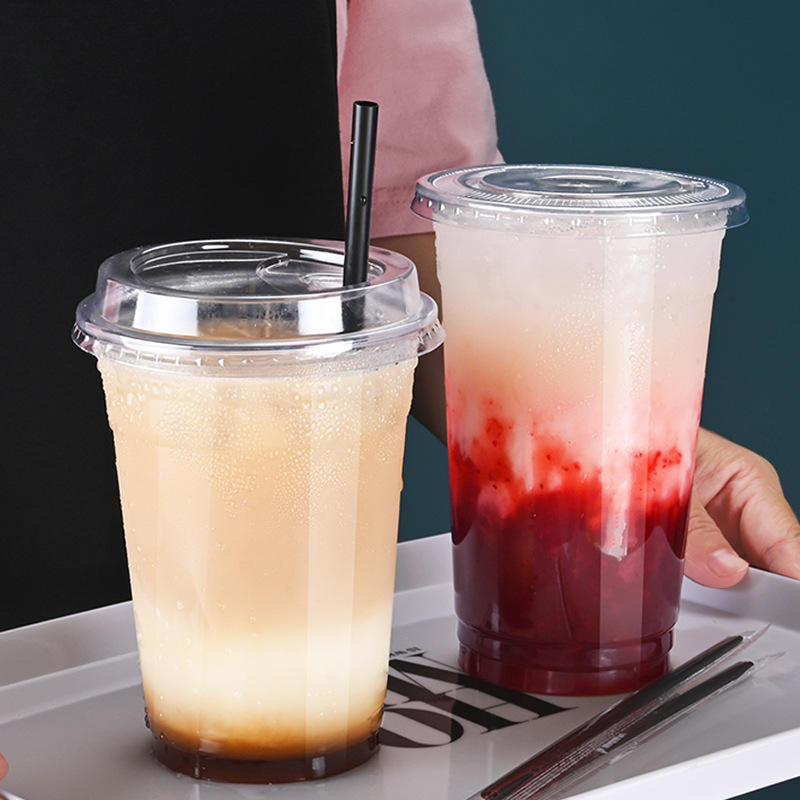
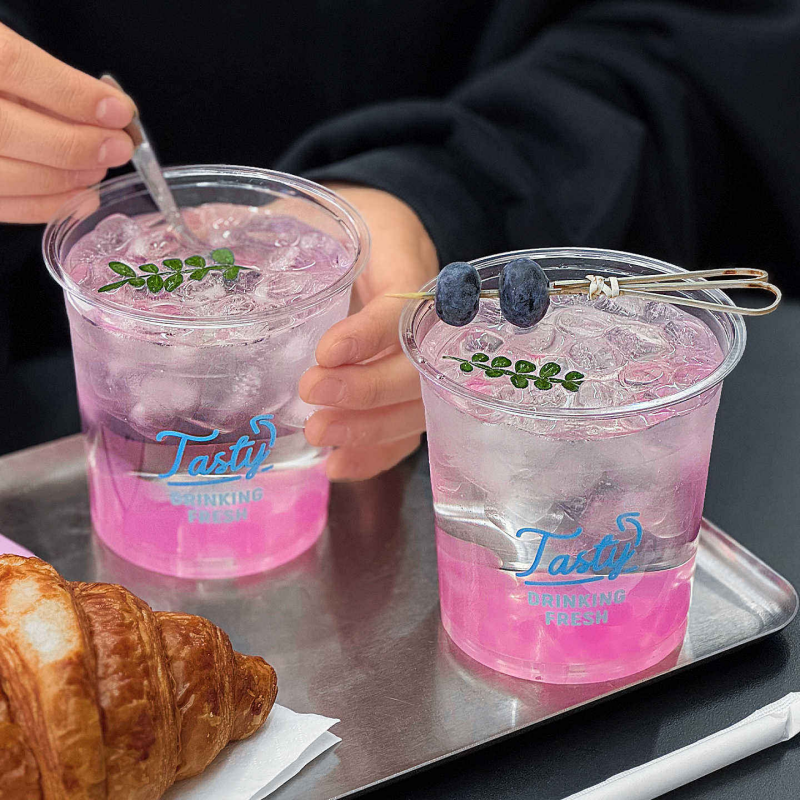
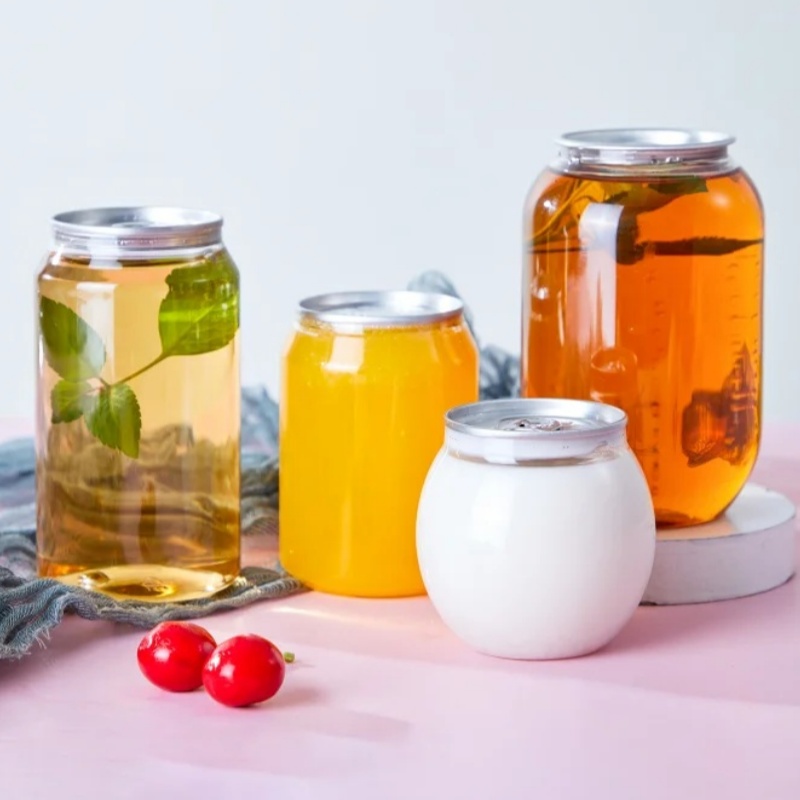
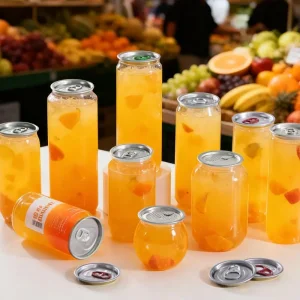
Established in 2021, Shanghai COPAK Industry Co., Ltd. maintains a sales office in Shanghai and an associated factory in Guangdong Province. As a professional supplier of eco-friendly food and beverage packaging solutions, our product portfolio includes PET cups, PET cans, and sealing machines.
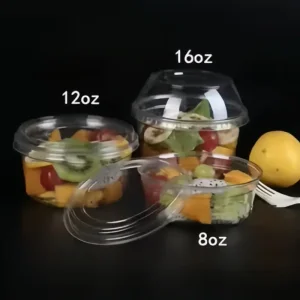
Committed to staying ahead of market trends through continuous innovation, COPAK delivers high-quality yet cost-effective packaging solutions. Our range covers diverse shapes and capacities from 1oz to 32oz.
As a long-term strategic partner and trusted supplier, we dedicate ourselves to designing and manufacturing reliable, premium-quality, and stylish PET cups and cans for our clients globally.
The future of metal can sealing machines lies in the intersection of IoT and mechanical precision. COPAK's R&D department is currently focusing on three key technical pillars:
Machines that automatically adjust sealing pressure based on the wall thickness of the PET or metal container, preventing deformation in ultra-lightweight eco-cans.
Cloud-connected seamers that allow our engineers to troubleshoot machine performance across continents, ensuring 24/7 production continuity for high-volume factories.
Developing "One-Click" mold changes that allow operators to switch between 200#, 202#, and 206# lid sizes in under 5 minutes without mechanical disassembly.
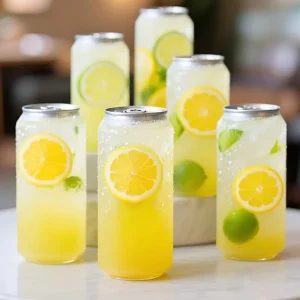
We provide customers with green Eco-friendly high-quality products. Having supplied PET cup and PET cans to numerous renowned brands, our products are now distributed globally.
Navigating the complex landscape of international food safety standards is a hurdle for many businesses. As a professional sealing machine factory, COPAK ensures all equipment and packaging materials meet stringent global requirements:
All PET cans and cups are manufactured using 100% BPA-free, food-grade virgin resins, fully compliant with US FDA and EU food contact regulations.
Our intelligent can sealing machines carry the CE mark, indicating compliance with health, safety, and environmental protection standards for products sold within the European Economic Area.
We partner with local distributors across Southeast Asia, North America, and Europe to provide on-site installation, training, and spare parts supply, minimizing wait times.
Semi-automatic machines require an operator to place the can and lid, and press a button or pedal. Fully automatic machines integrate into a conveyor belt system, handling the entire process from lid-feeding to seaming without human intervention—ideal for 1,000+ units per hour.
Yes, by changing the base mold and seaming chuck. Most of our machines are designed to be "modular," allowing for height and diameter adjustments to accommodate everything from a 1oz cup to a 32oz tall-boy can.
Our machines feature a "Double Seam" technology which mechanically folds the lid edge and the can body flange together with a precision seaming roller. We recommend using a seam micrometer to check dimensions periodically to ensure peak performance.
Daily cleaning of the seaming area, weekly lubrication of moving parts, and monthly inspection of the seaming rollers for wear. We provide a full maintenance kit and digital video guides with every purchase.
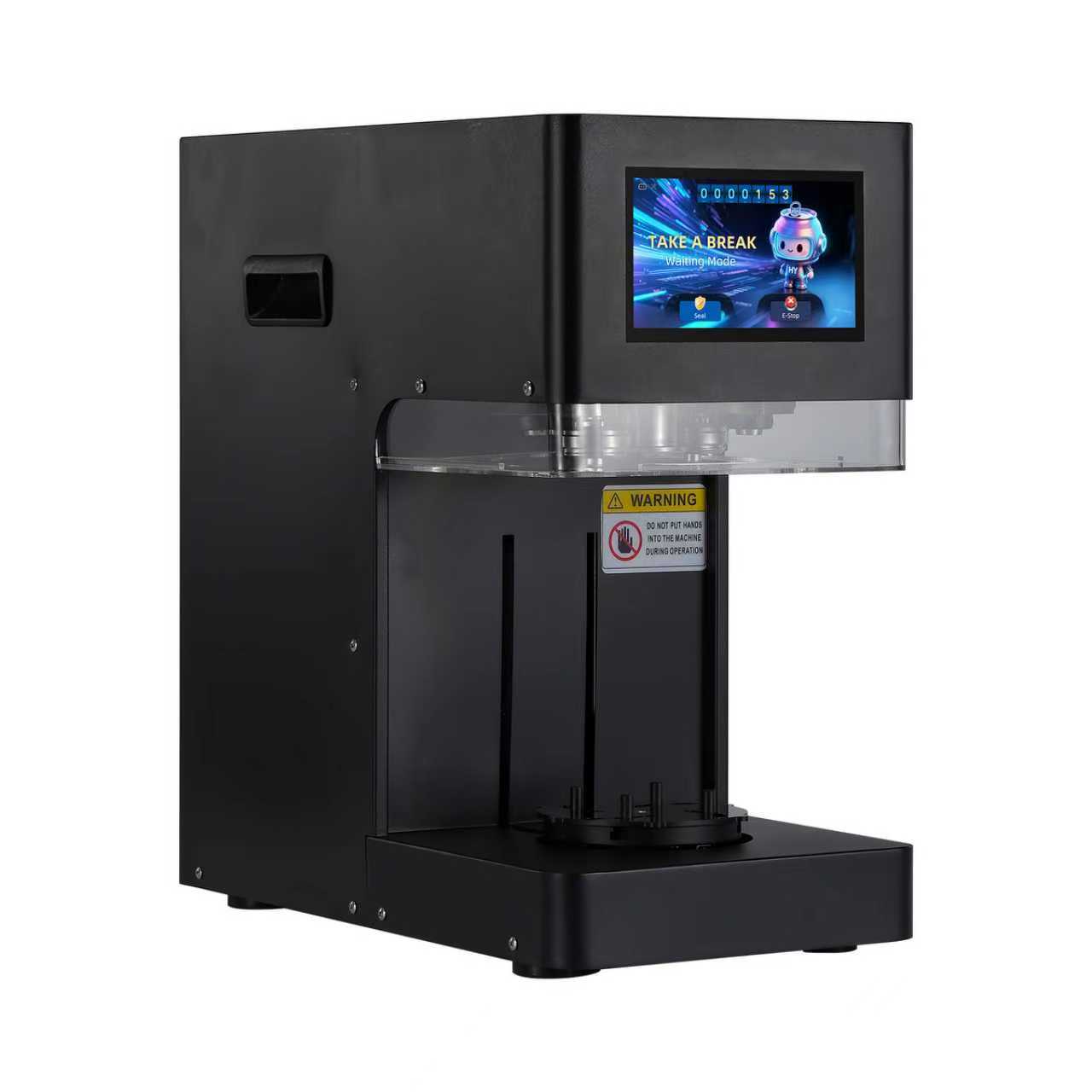
Discover the engineering behind our newest model that increases throughput by 40% while reducing energy consumption.
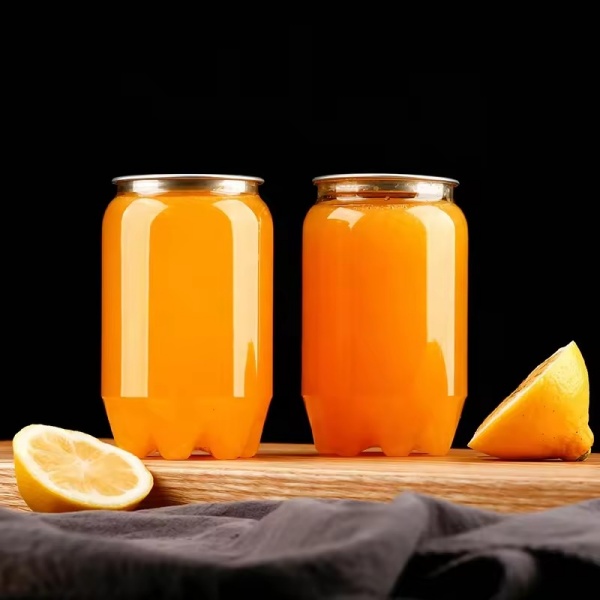
An in-depth study on the shelf-life stability of PET-packaged juices and the role of seam integrity in preservation.
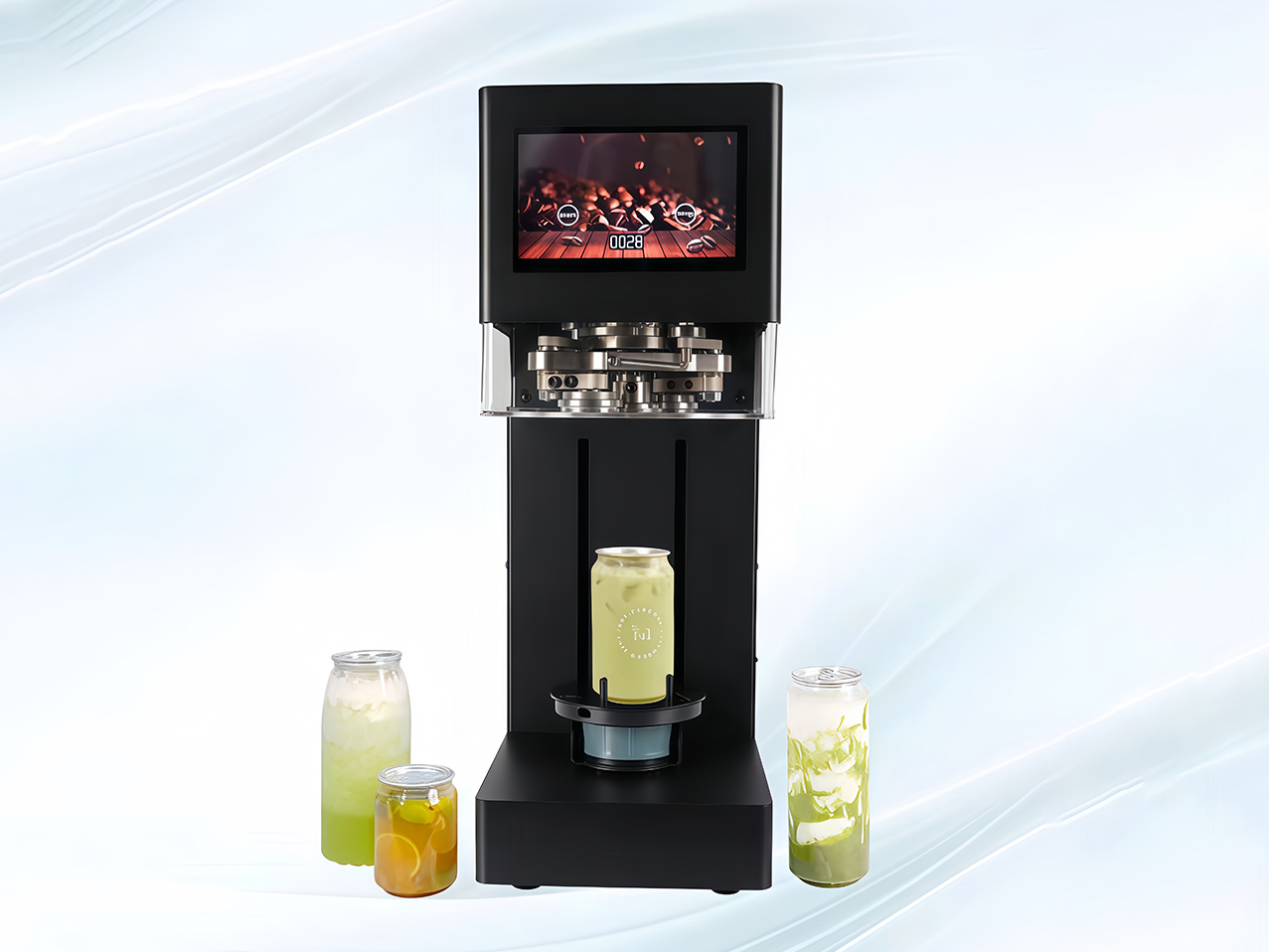
A whitepaper detailing the transition from the canning industry's origins to modern PET cold chain logistics.