
1 / 3
When launching a beverage brand, one of the first decisions you face is packaging. For premium drinks, the battle is often between the traditional Glass Bottle and the modern Clear PET Can. While glass has a long history, PET (Polyethylene Terephthalate) cans are rapidly gaining market share. Let's compare them side-by-side to help you decide.
Glass: Heavy and bulky. A significant portion of your shipping cost goes towards moving the weight of the packaging itself, not the drink.
PET Cans: Extremely lightweight. Switching to PET can reduce your shipping weight by over 80%. For wholesale distributors and exporters, this translates to massive savings on freight and fuel.
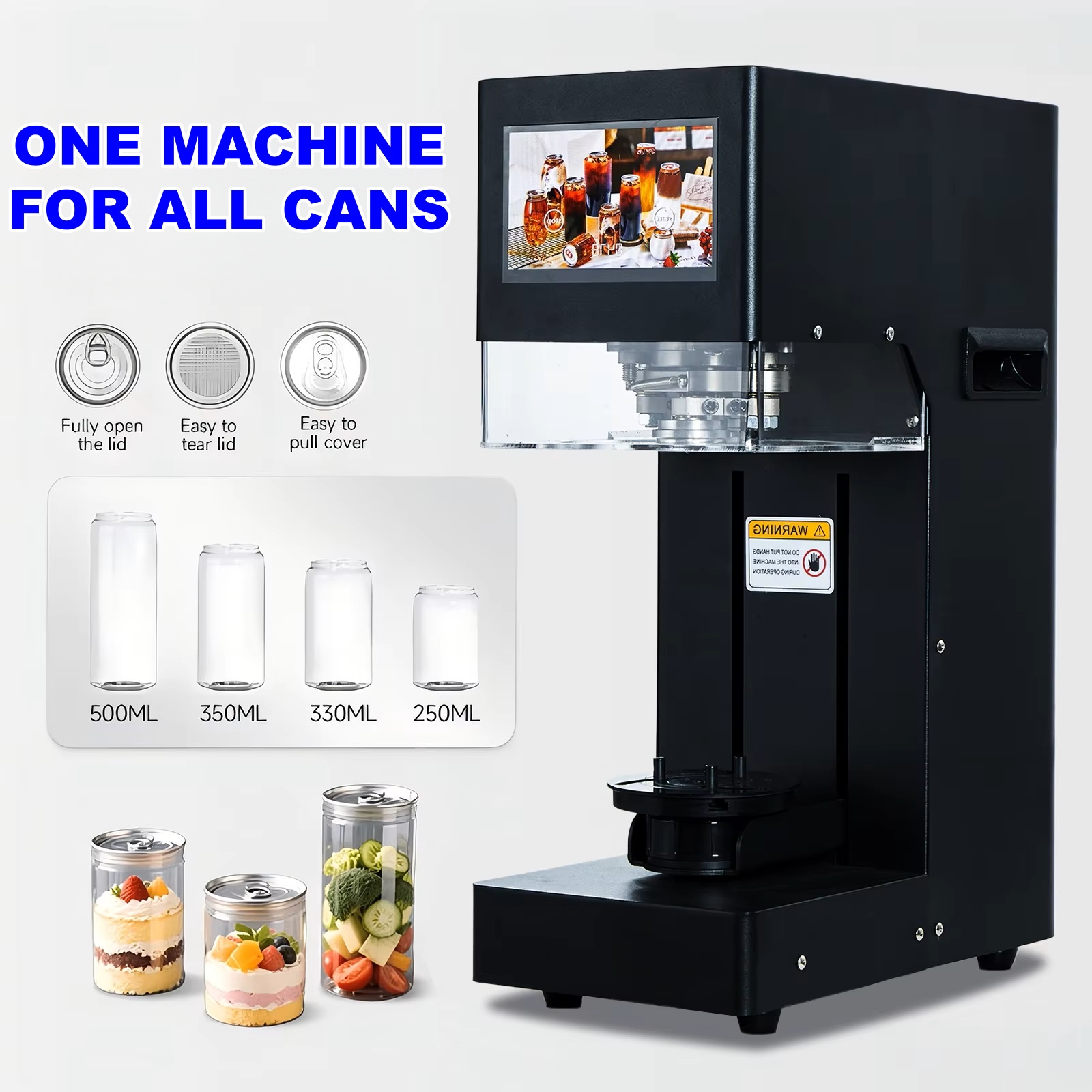
Glass: Fragile. Breakage during filling, shipping, or retail handling is an unavoidable cost of doing business. It also poses a safety hazard for customers.
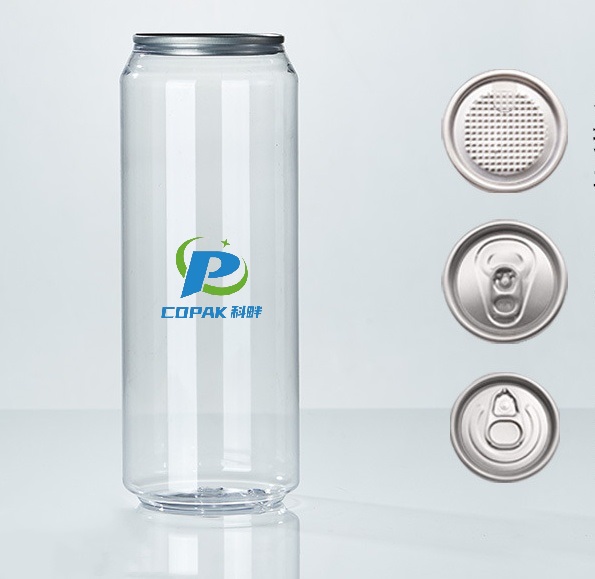
PET Cans: Virtually unbreakable. They bounce if dropped. This durability reduces waste and liability, making them safer for children and active environments.
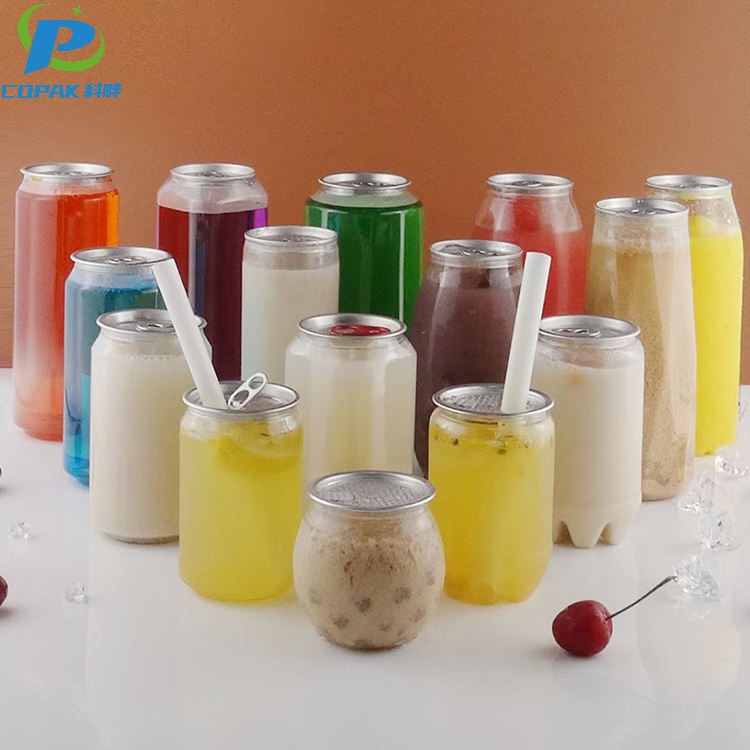
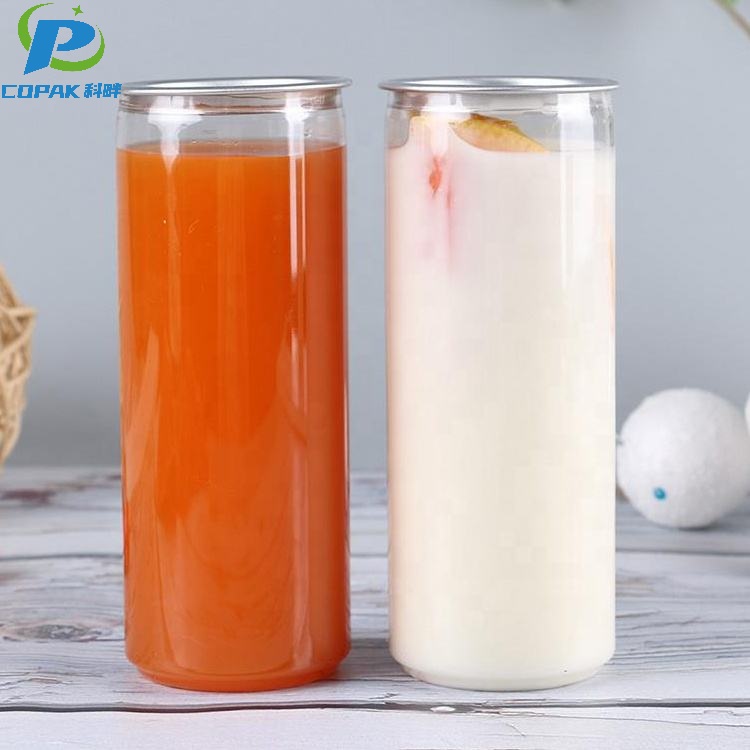
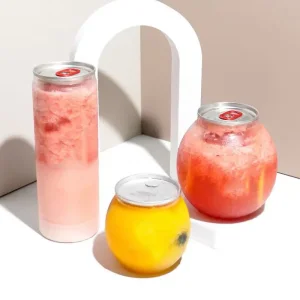
Glass: Offers transparency and a premium feel but limits shape variety unless you invest in expensive custom molds.
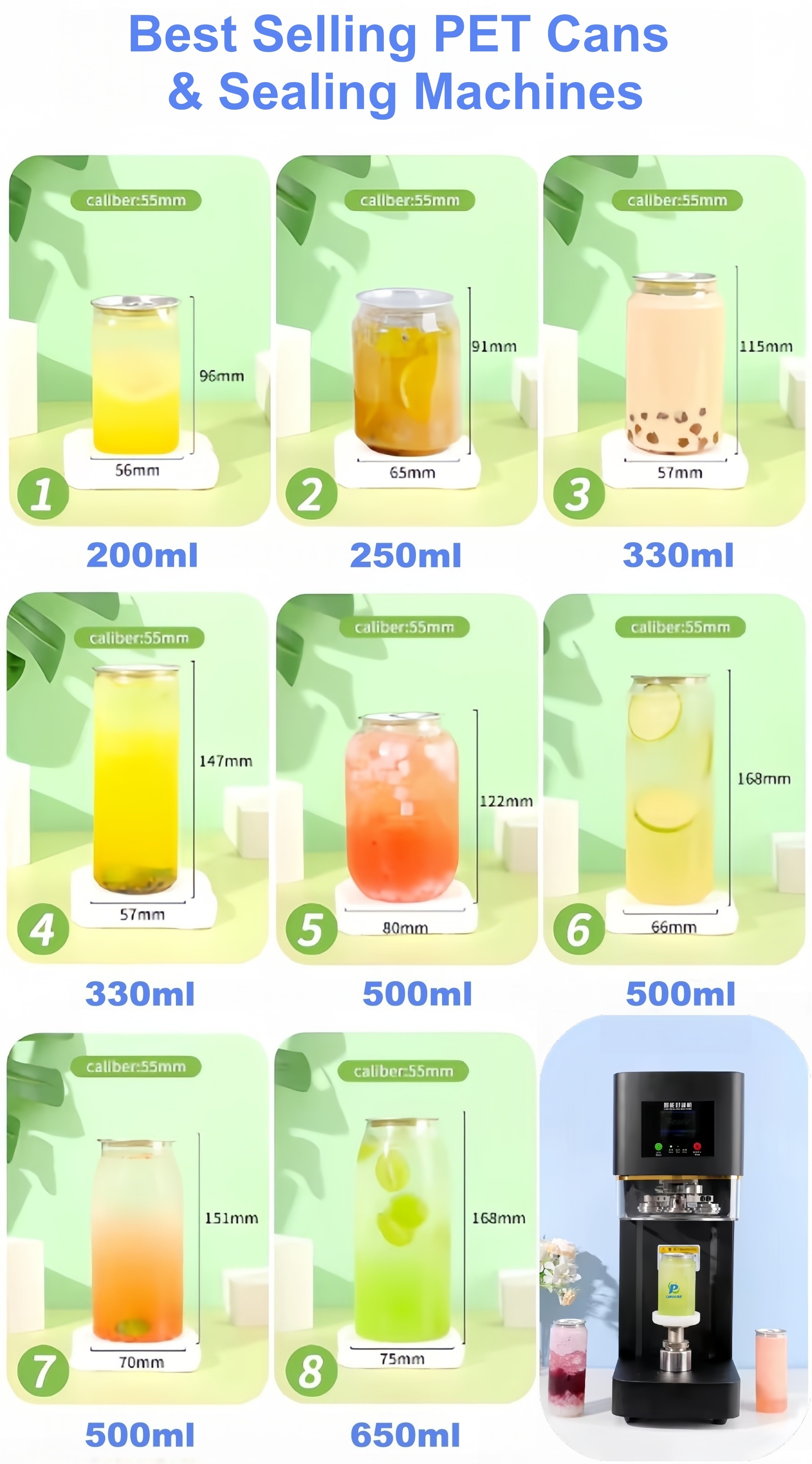
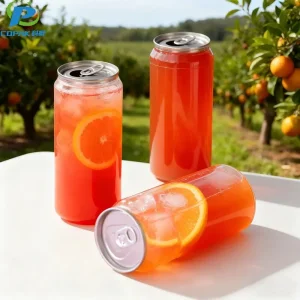
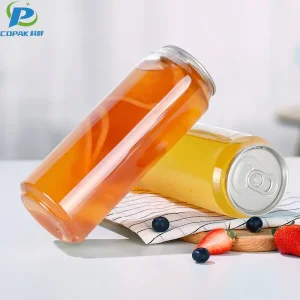
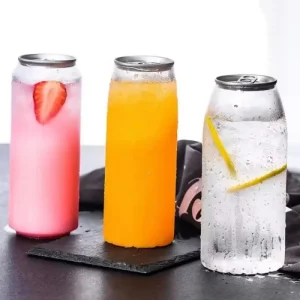
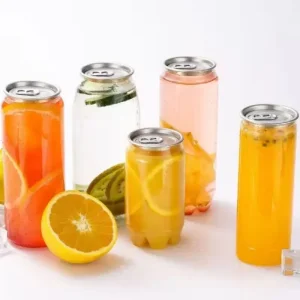
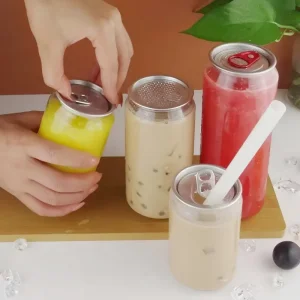
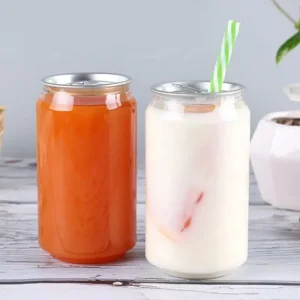
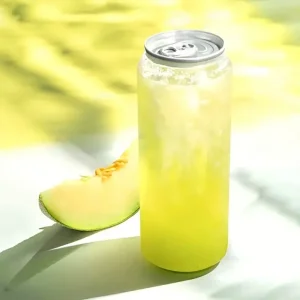
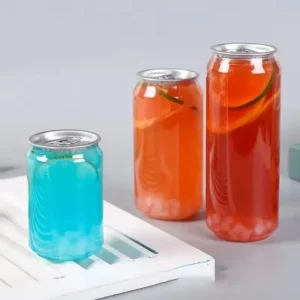
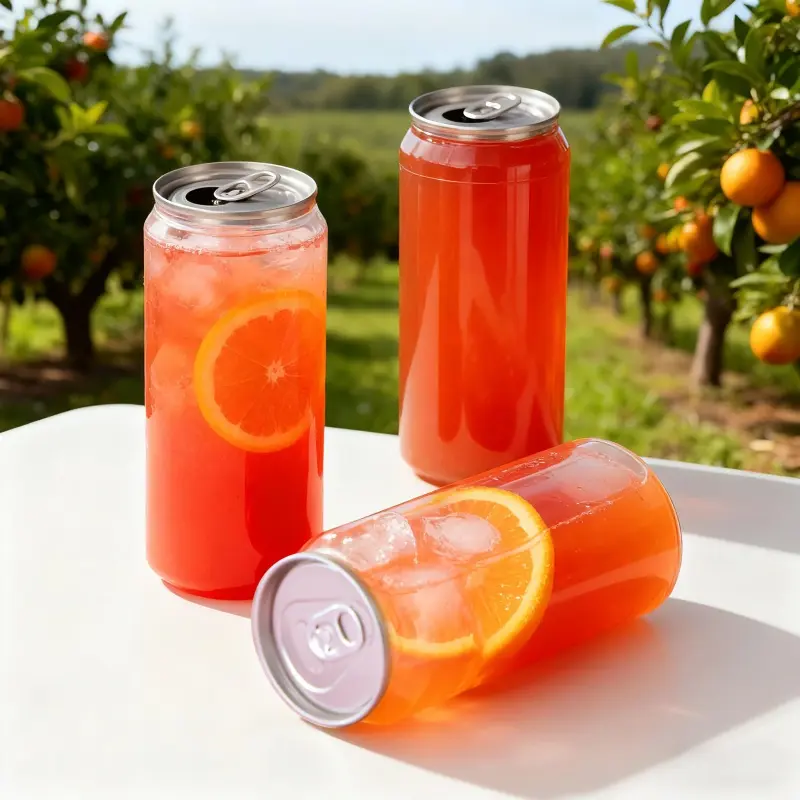
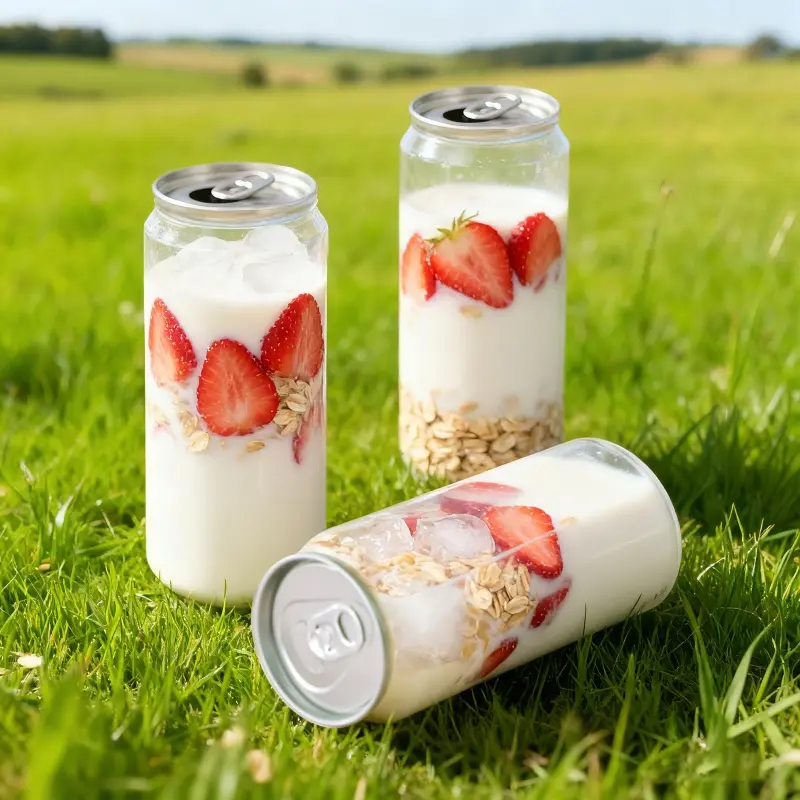
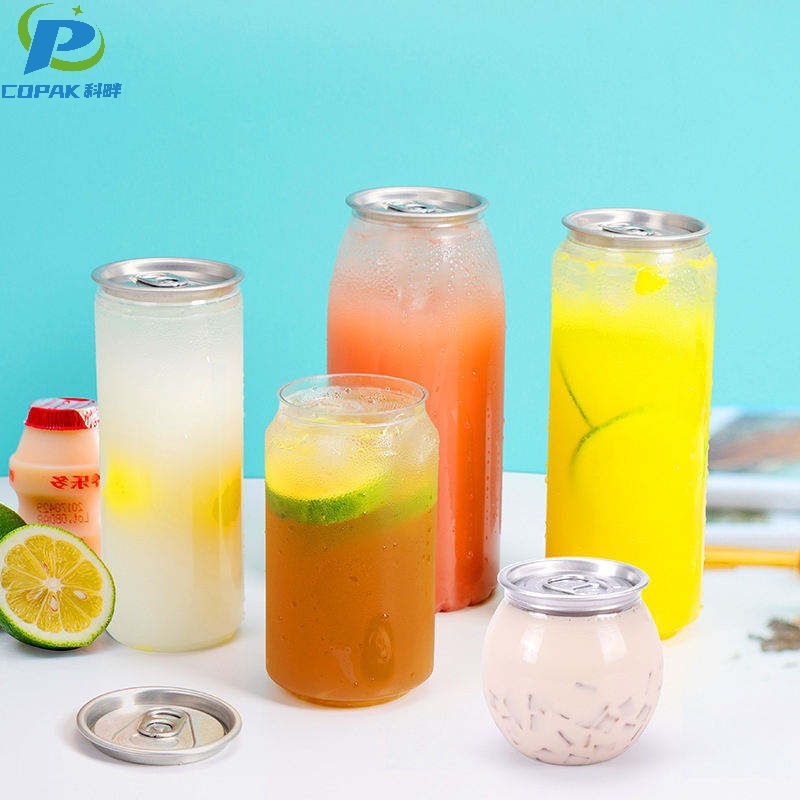
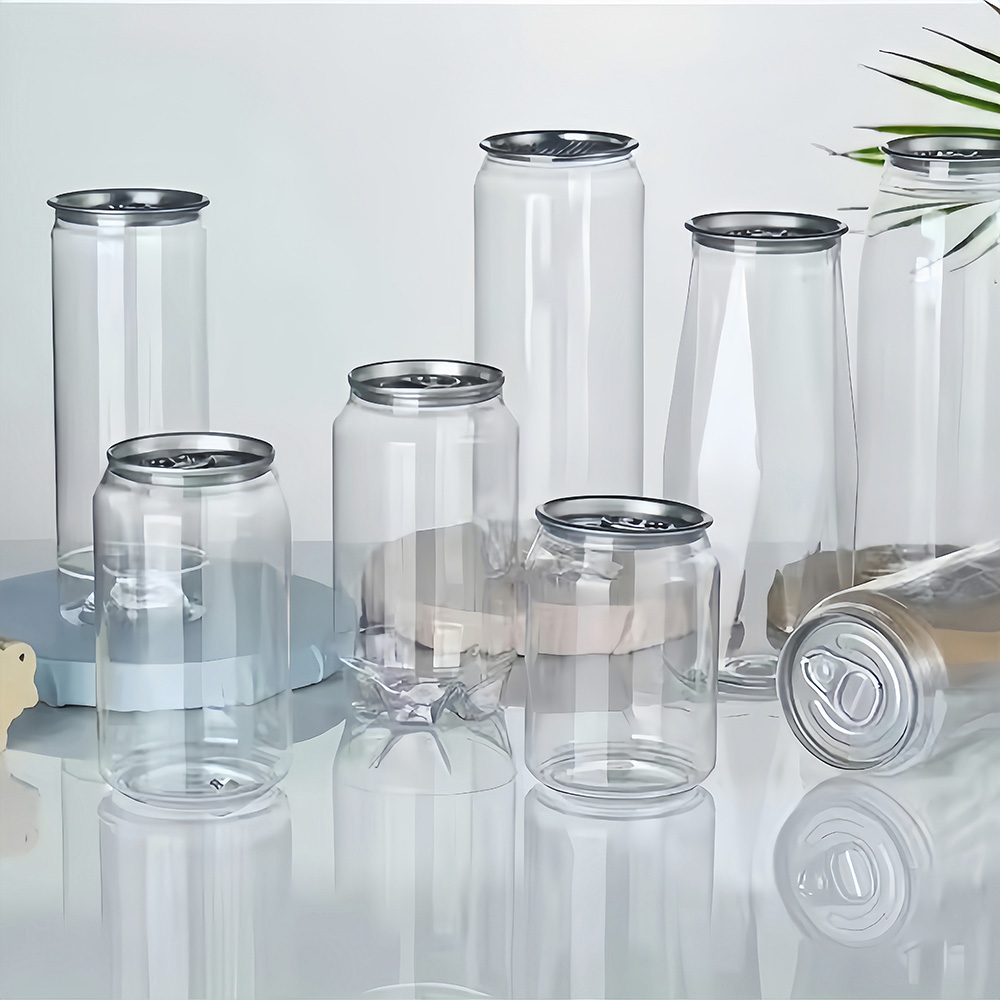
PET Cans: Offer the same crystal-clear transparency as glass but with a modern, trendy "soda can" silhouette. They appeal to younger demographics who value convenience and innovation.
Both materials are recyclable. However, PET recycling infrastructure is highly efficient, and the lower energy required to transport and recycle plastic compared to melting glass gives PET a surprising edge in total carbon footprint analysis.
If you want the premium look of glass but need the durability, lower cost, and portability of a can, PET Beverage Cans are the clear winner for the modern market.