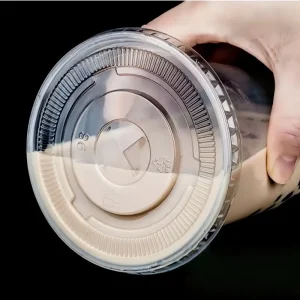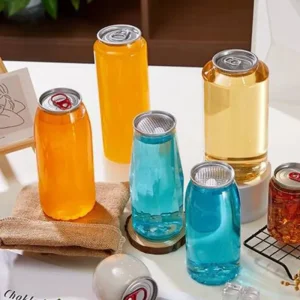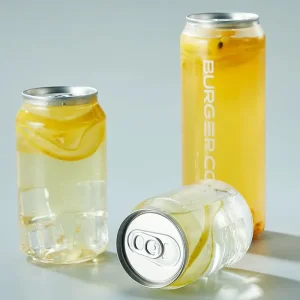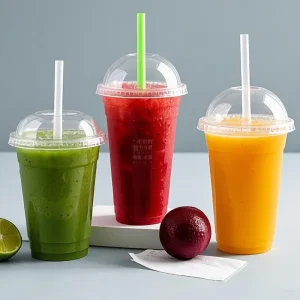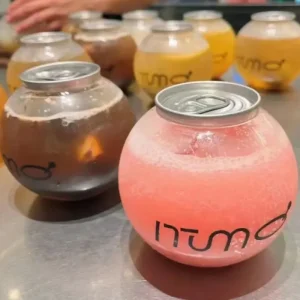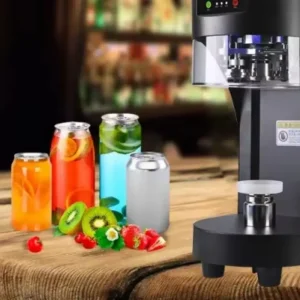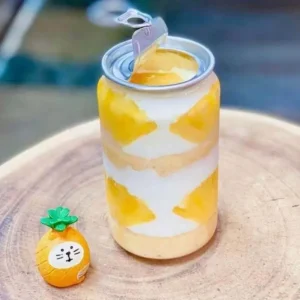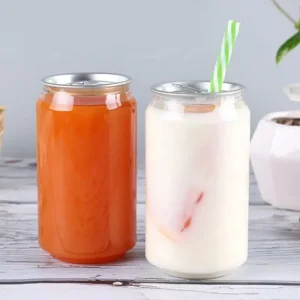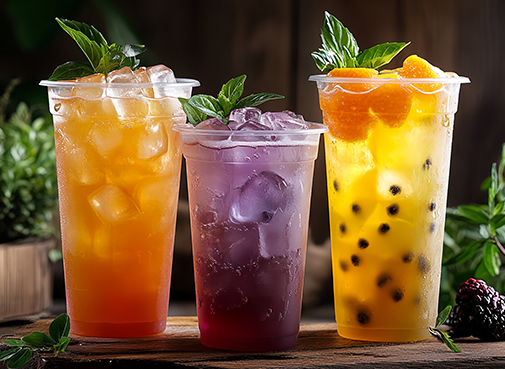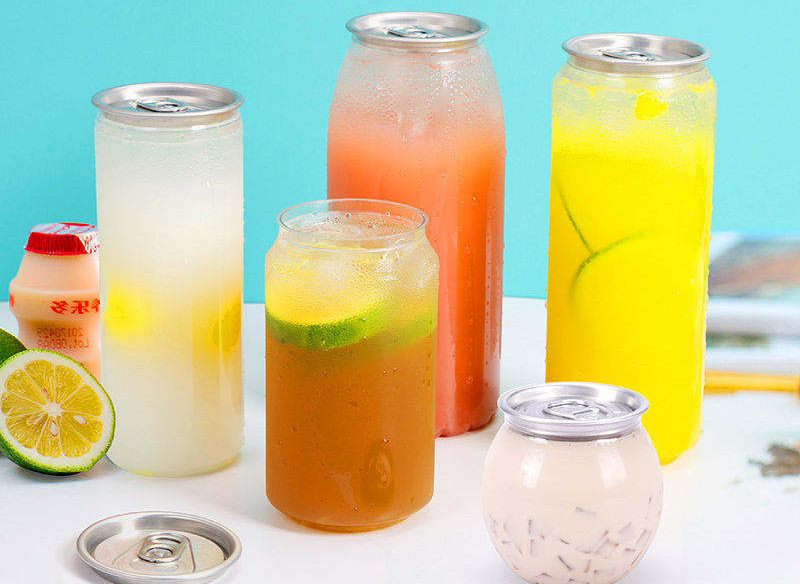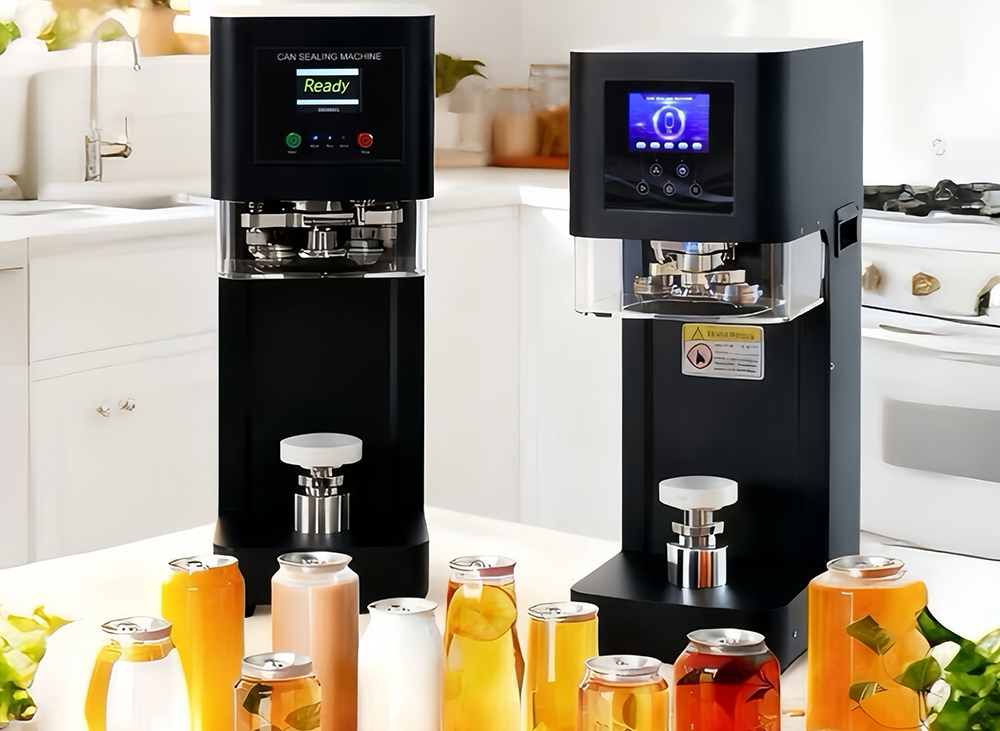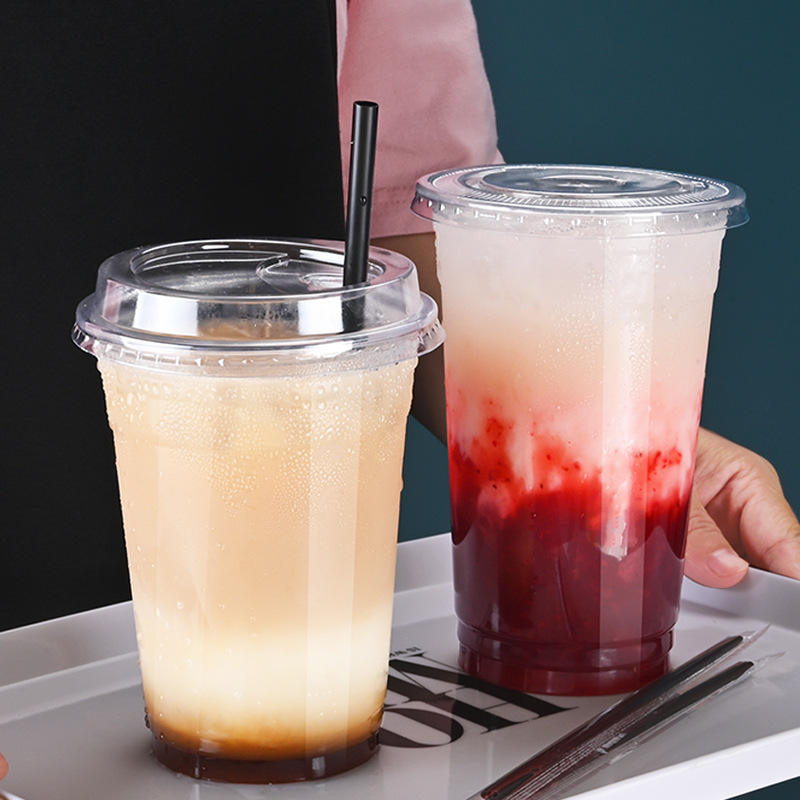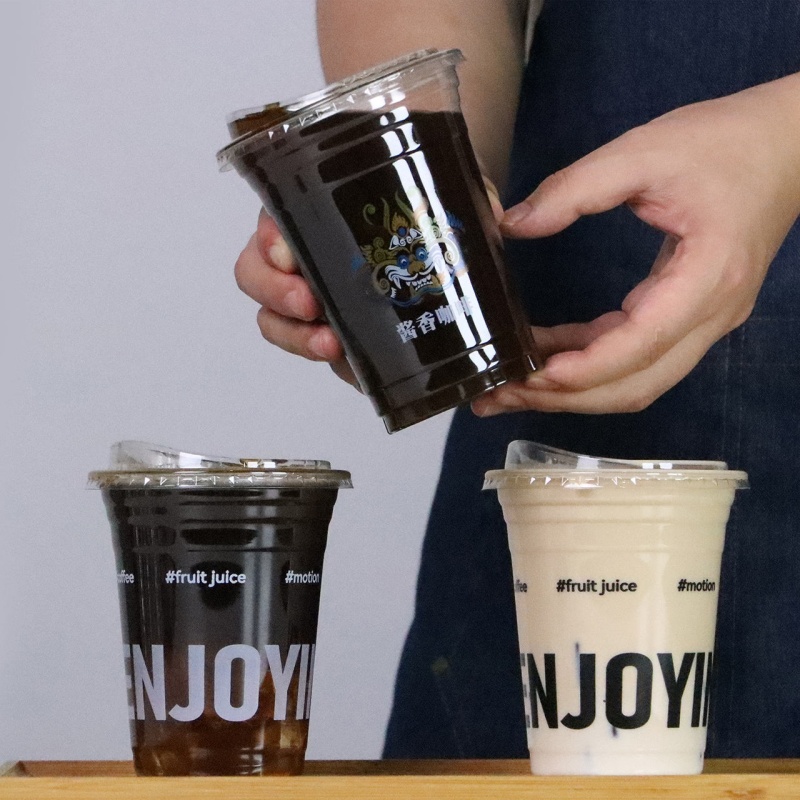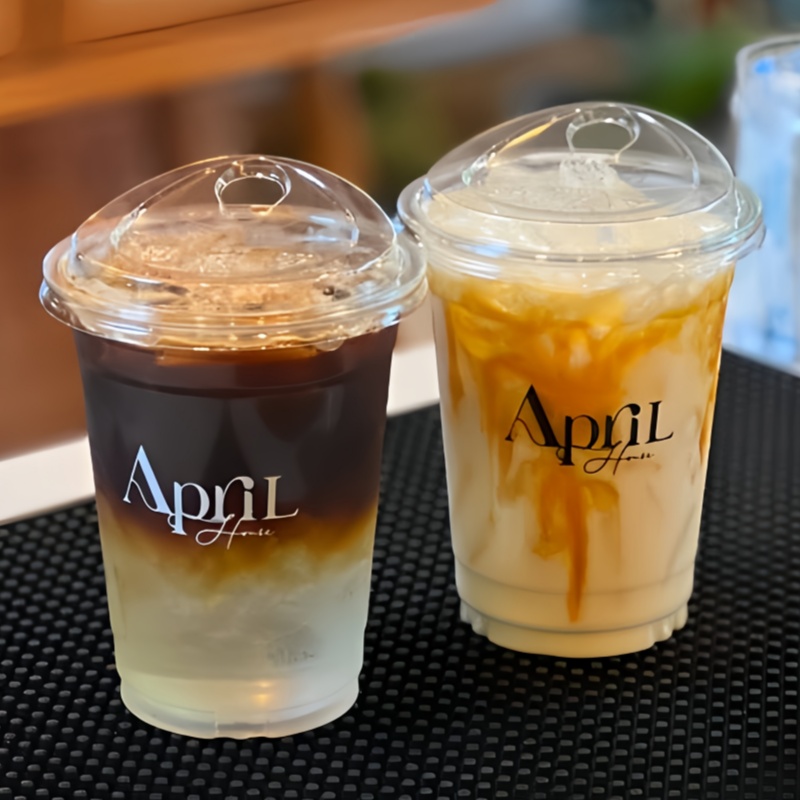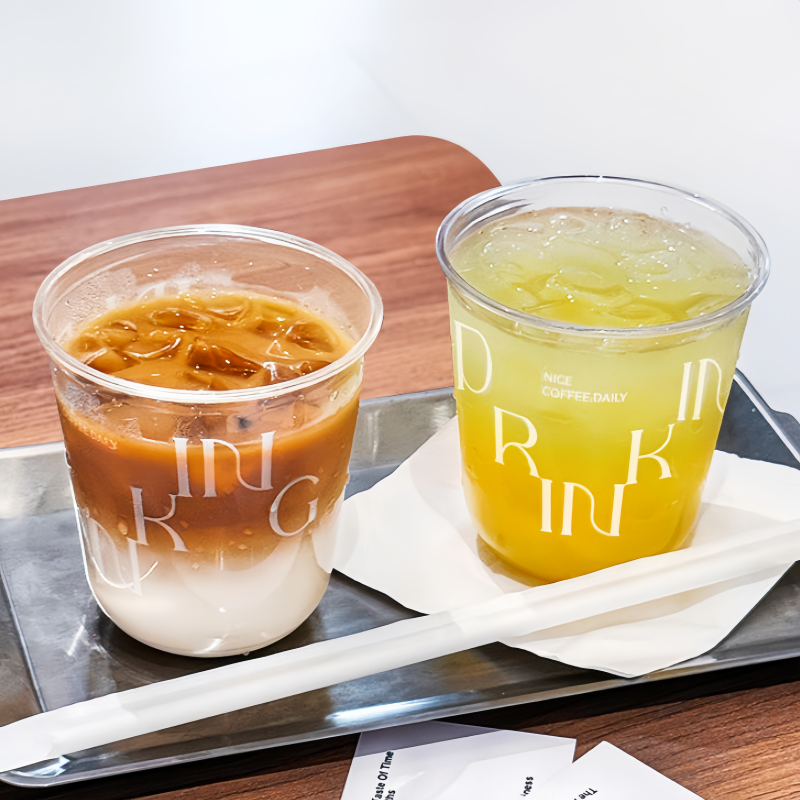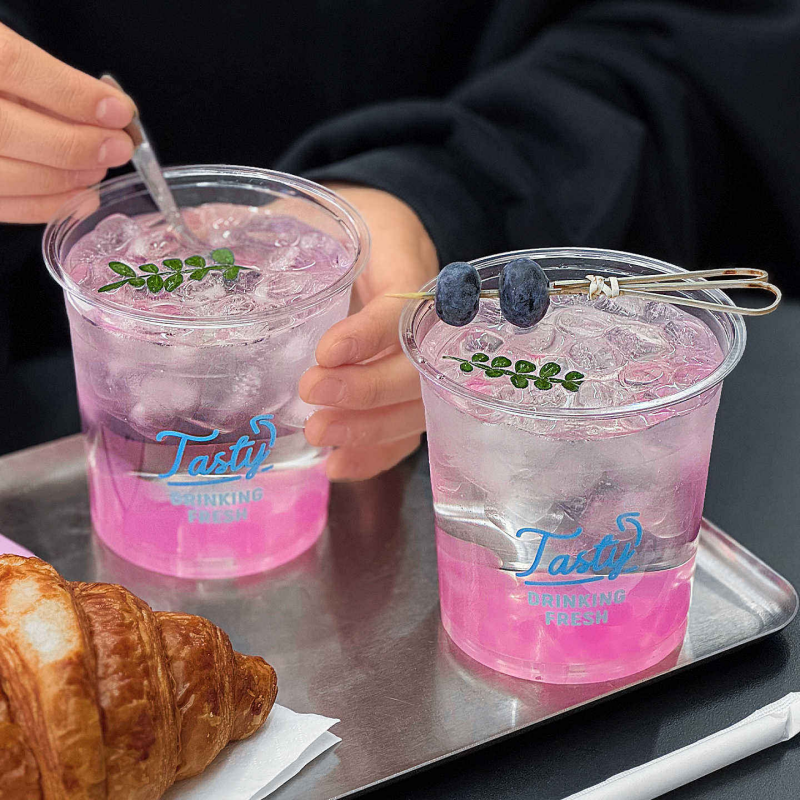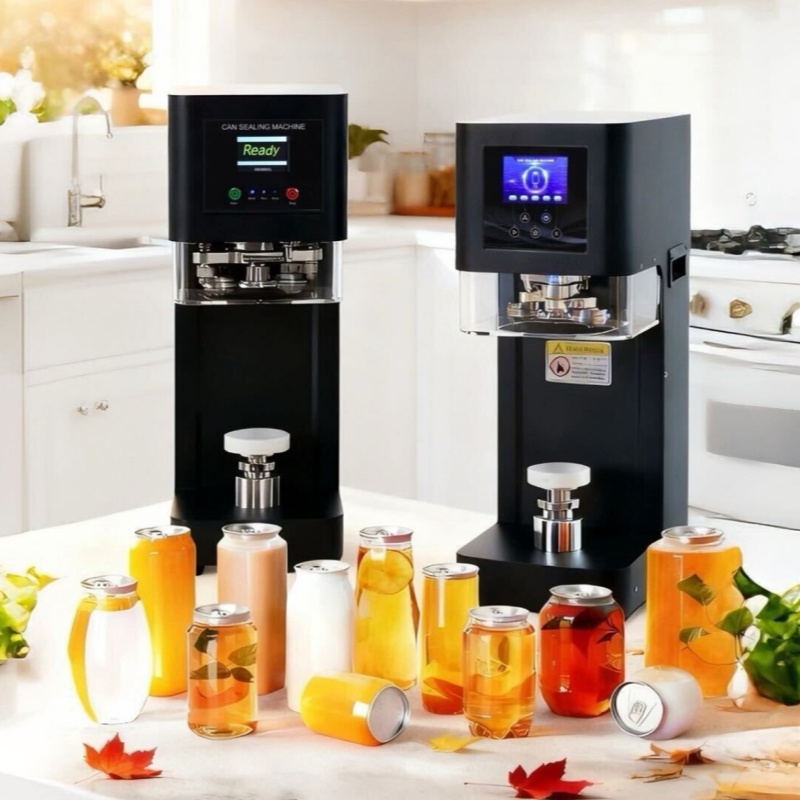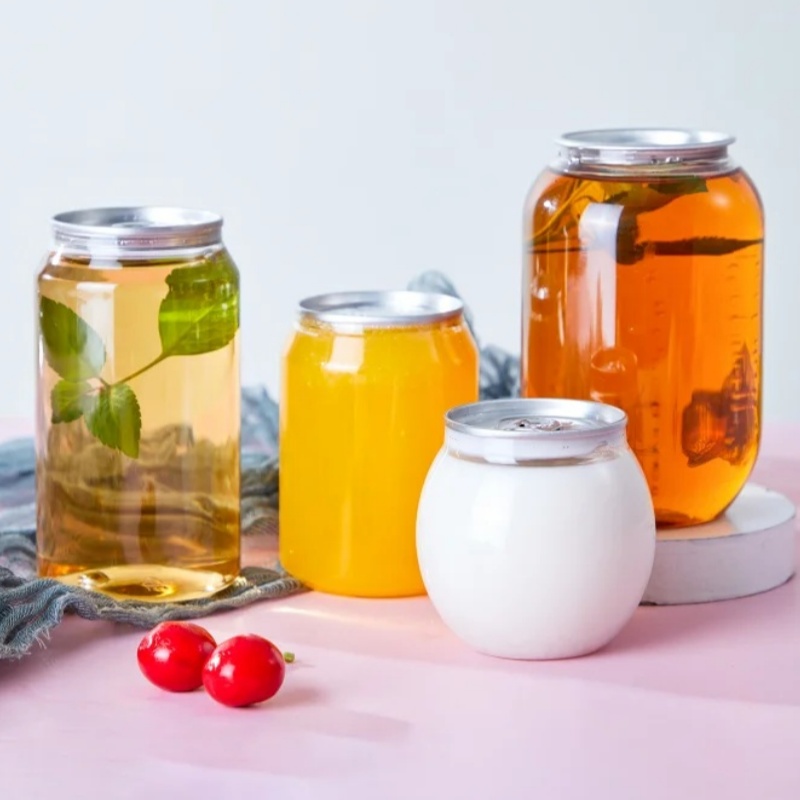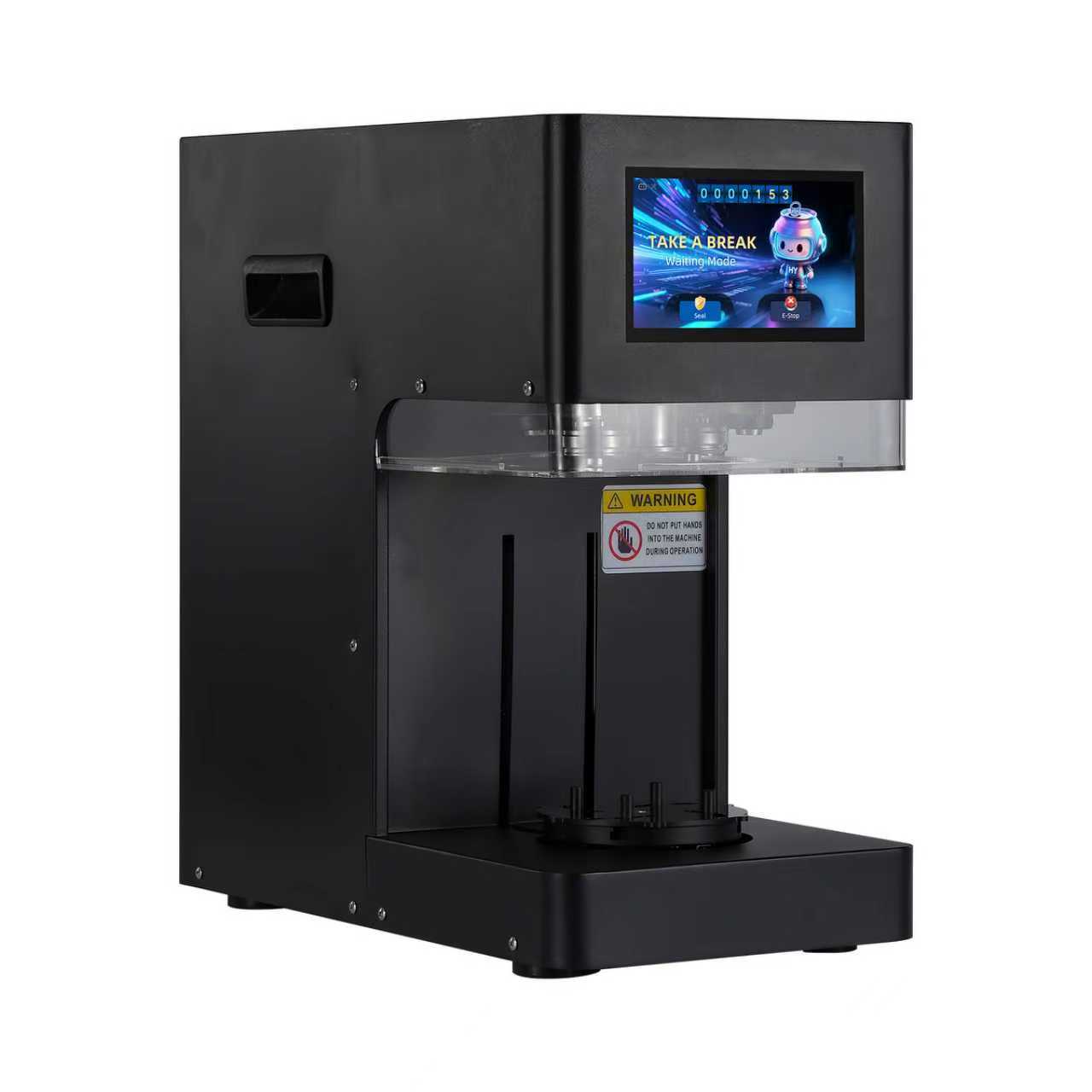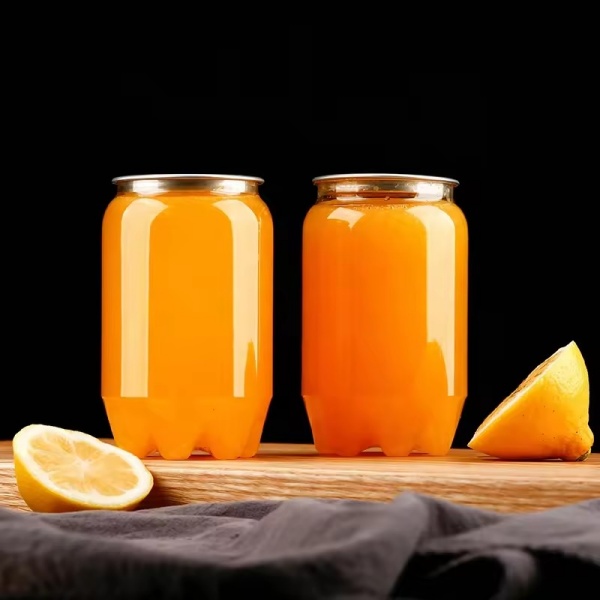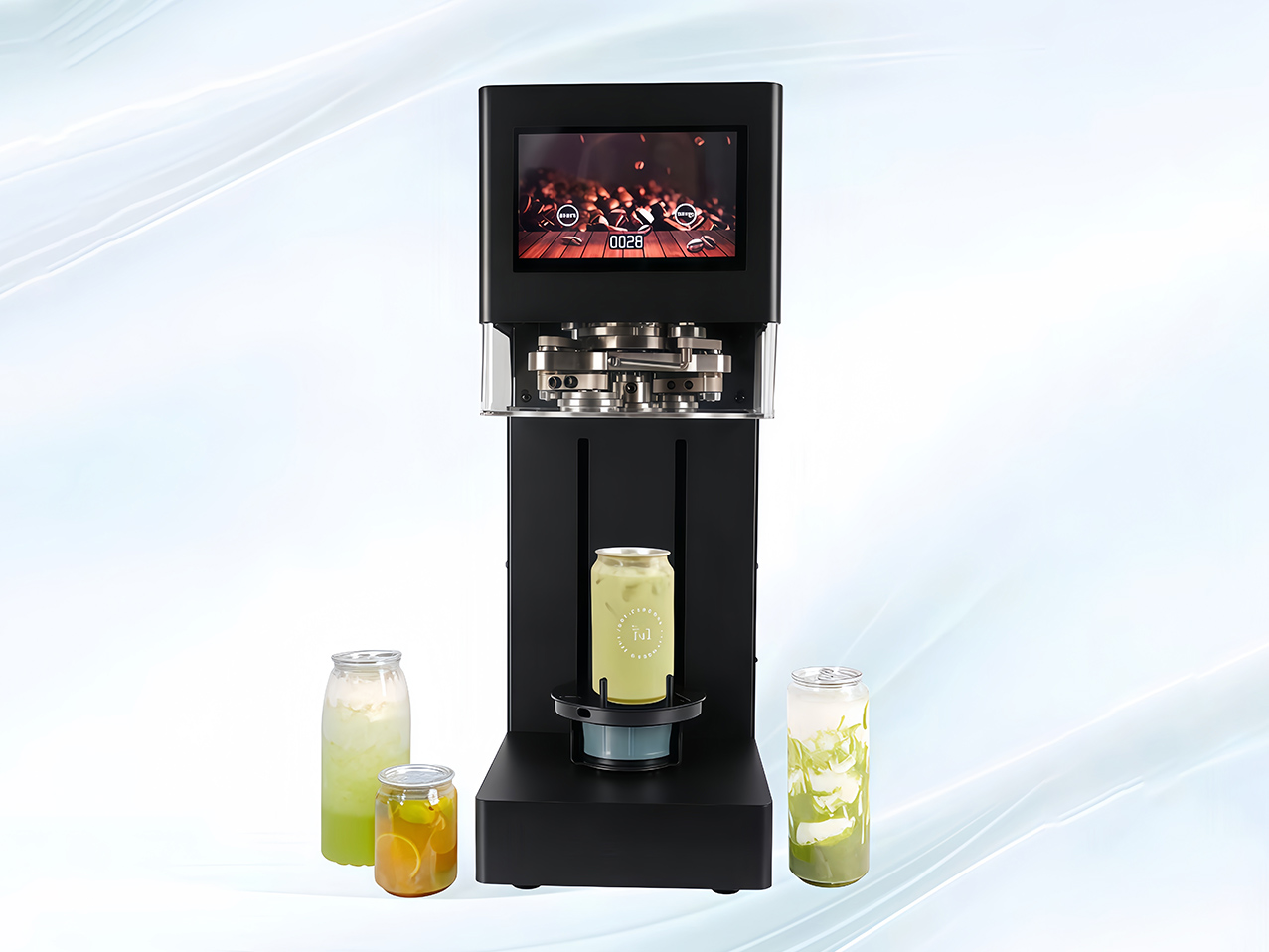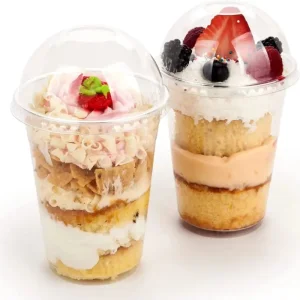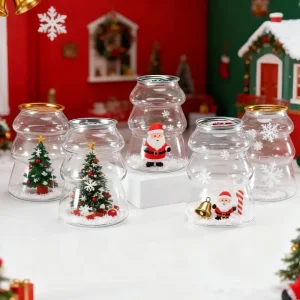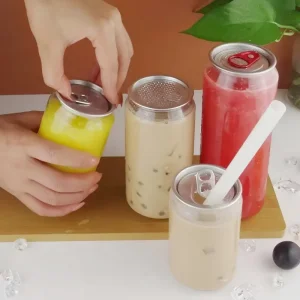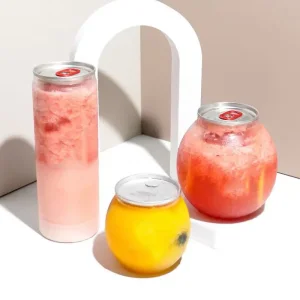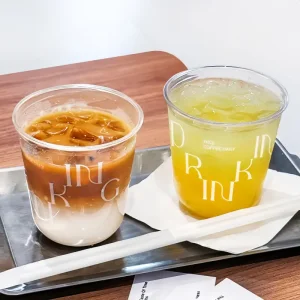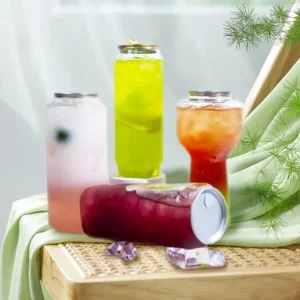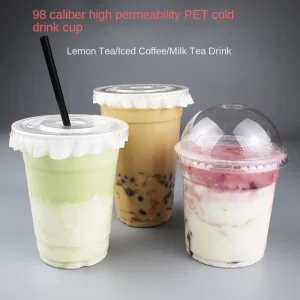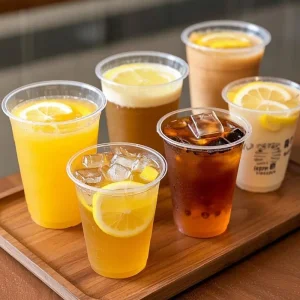
Engineered for durability, high clarity, and food-grade safety across multiple commercial verticals.
Established in 2021, Shanghai COPAK Industry Co., Ltd. maintains a sales office in Shanghai and an associated factory in Guangdong Province. As a professional supplier of eco-friendly food and beverage packaging solutions, our product portfolio includes PET cups, PET cans, and sealing machines, among other related items.
Committed to staying ahead of market trends through continuous innovation, COPAK delivers high-quality yet cost-effective packaging solutions. Our product range covers PET cups and cans in diverse shapes and capacities—from 1oz to 32oz—available in both plain finishes and custom printed designs. As a long-term strategic partner and trusted supplier, we dedicate ourselves to designing and manufacturing reliable, premium-quality, and stylish PET cups and cans for our clients.
Read moreIn the modern consumer packaging ecosystem, the demand for precision-engineered short plastic cups is driven by high-performance operational requirements and sustainability directives. Foodservice operators, dessert franchises, and FMCG brands require polymer structures that maintain high optical clarity, excellent tensile properties, and structural integrity. Polyethylene Terephthalate (PET) has emerged as the premier choice due to its high crystallinity, gas barrier characteristics, and post-consumer recyclability.
Short plastic cups, usually ranging from 1oz to 12oz in profile height, present unique production challenges. They require specialized thermoforming draft angles and uniform wall distribution. If wall distribution is uneven, the structural integrity of the cup compromises nesting stability and results in failure on automated denesting lines. By optimizing manufacturing processes via high-accuracy mold tooling, manufacturers achieve consistent top-load force tolerances and flange rigidity. This guarantees smooth compatibility with automated inline sealing machines.
Furthermore, the barrier characteristics of premium grade PET prevent moisture and volatile organic compound (VOC) migrations, safeguarding the product's flavor profile. This makes PET cups highly suitable for sensitive food formulations, including dairy-based yogurts, gelatins, artisanal puddings, and craft cold brews.
The global industrial demand for short plastic cups is undergoing a significant transition. Rising consumption of single-serving packaging in North America, Western Europe, and parts of the Asia-Pacific region is changing procurement dynamics. Enterprises are shifting away from traditional generalist vendors to secure partnerships with certified custom short plastic cups factories and exporters. These specialized manufacturers can offer both scalability and agility in product design.
From a logistics standpoint, custom short plastic cups factories must plan for density-optimized packaging structures. Nesting configurations must minimize empty volume during sea freight, reducing the carbon footprint of transport. This efficiency is critical as international freight rates and port congestions drive companies to seek strategic supply partners. Those partners must be capable of staging inventory and manufacturing with high volume consistency, keeping lead times predictable.
On the industrial scale, regional supply dynamics vary:
Regulatory compliance is a critical factor for food-contact packaging materials. When exporting to strict regulatory jurisdictions like the European Union and the United States, manufacturers must ensure compliance with food safety authorities. This requires strict adherence to FDA 21 CFR (Code of Federal Regulations) in the US and Regulation (EU) No 10/2011 in Europe regarding plastic materials intended to come into contact with food.
Ensuring compliance requires systematic testing of overall and specific migration limits (OML & SML). This testing ensures that substances do not transfer from the PET polymer matrix to food items in quantities that could endanger human health. Reputable exporters maintain comprehensive traceability systems, logging raw material batches, thermoforming temperature profiles, and packing conditions.
Furthermore, localization support entails matching regional environmental policies. For example, conforming to Germany's VerpackG registry or local plastic tax regulations in the UK requires clear documentation of rPET composition percentages. By providing verified certificates of analysis (COA) and third-party certifications (such as ISO 9001:2015, SGS, and BRCGS), factories demonstrate E-E-A-T. This builds trust with global corporate procurement officers.
We provide customers with green, Eco-friendly, high-quality products.
Custom short plastic cups serve a variety of specialized commercial environments:
Automated Dairy and Yogurt Packaging: High-speed filling lines run at rates of hundreds of cups per minute. In these setups, variations in flange thickness can disrupt seal integrity. This leads to micro-leaks, compromising food safety. By implementing tight tolerances (+/- 0.2mm) on the cup rim, we ensure compatibility with heat-sealing film equipment.
Airlines and Large-scale Institutional Catering: Space constraints require compact stackability. Short plastic cups are engineered with optimized nesting ratios to prevent vacuum lock. This allows ground crews or cabin attendants to easily separate individual cups.
Promotional Branding and High-Definition Printing: To support branding initiatives, advanced offset and flexographic printing systems apply logos with precise registration. This guarantees crisp corporate logos even on curved, short-stature cup profiles, supporting strong brand presentation.
The plastic processing industry is transitioning toward digitalized thermoforming and closed-loop recycling systems. The integration of high-resolution CCD camera vision systems on extrusion lines allows for real-time defect detection. This setup automatically rejects cups with deviations in thickness or clarity, ensuring consistent quality.
Regarding materials, the major focus is on expanding the usage of Recycled PET (rPET). Brands are moving away from virgin resins to satisfy consumer preference for sustainable options. The challenge is ensuring that rPET maintains the mechanical performance and optical clarity of virgin polymer material.
Advanced decontamination technologies process post-consumer waste to food-contact safety levels. This supports circular economy goals. Additionally, the development of biodegradable alternatives like Poly Lactic Acid (PLA) and polyhydroxyalkanoates (PHA) offers new opportunities. These plant-derived biopolymers provide comparable performance for specific shelf-life applications.
We integrate research, development, manufacturing, and sales to drive product innovation.
Addressing common technical, logistical, and compliance questions from international procurement buyers.
Completing our industrial portfolio with high-performance, thermoformed designs matching international standards.