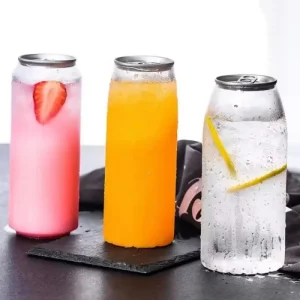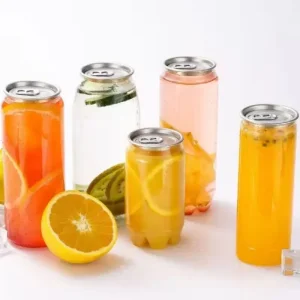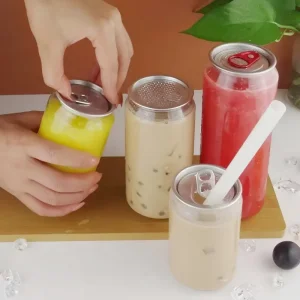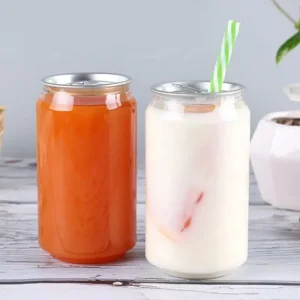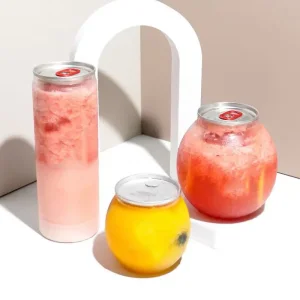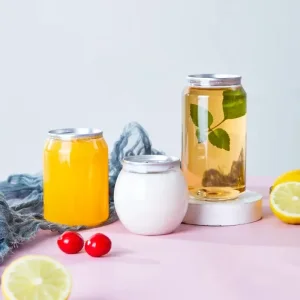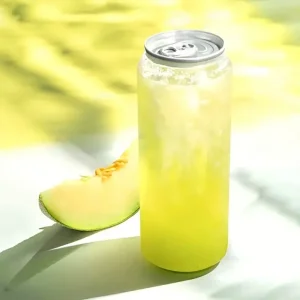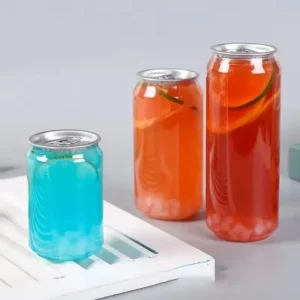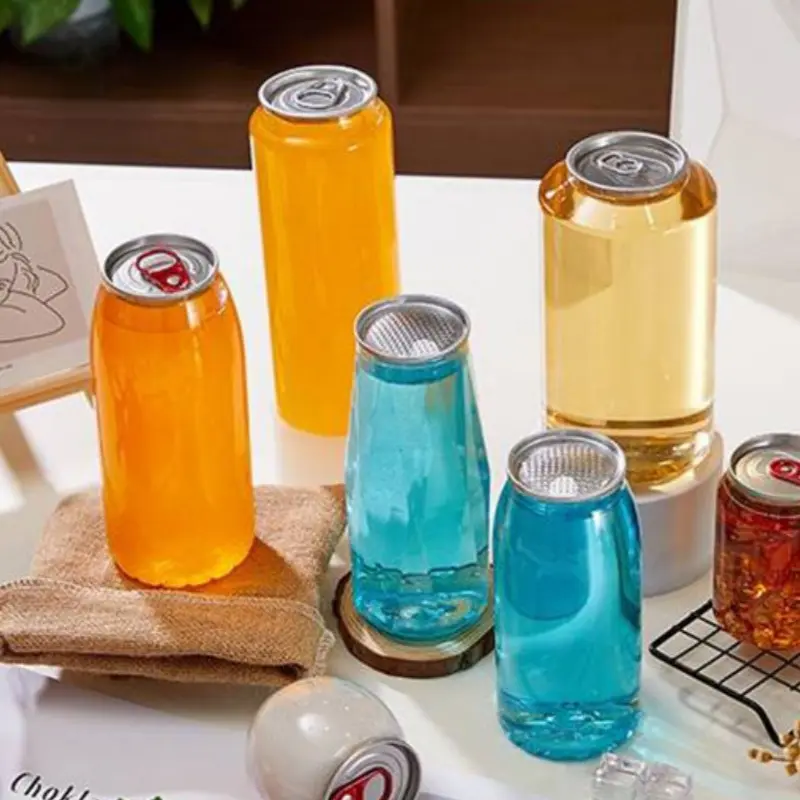
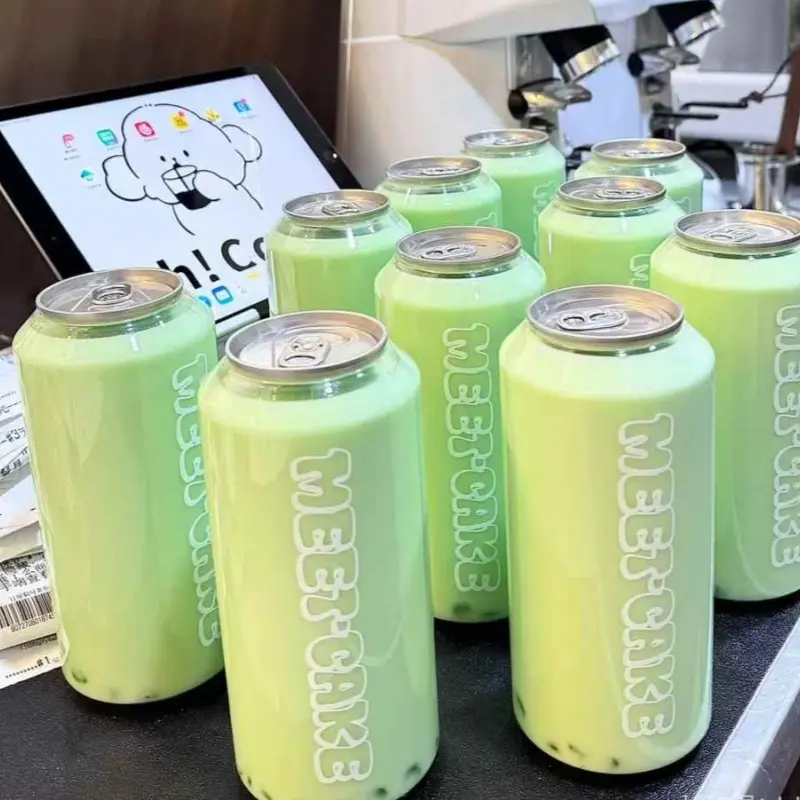
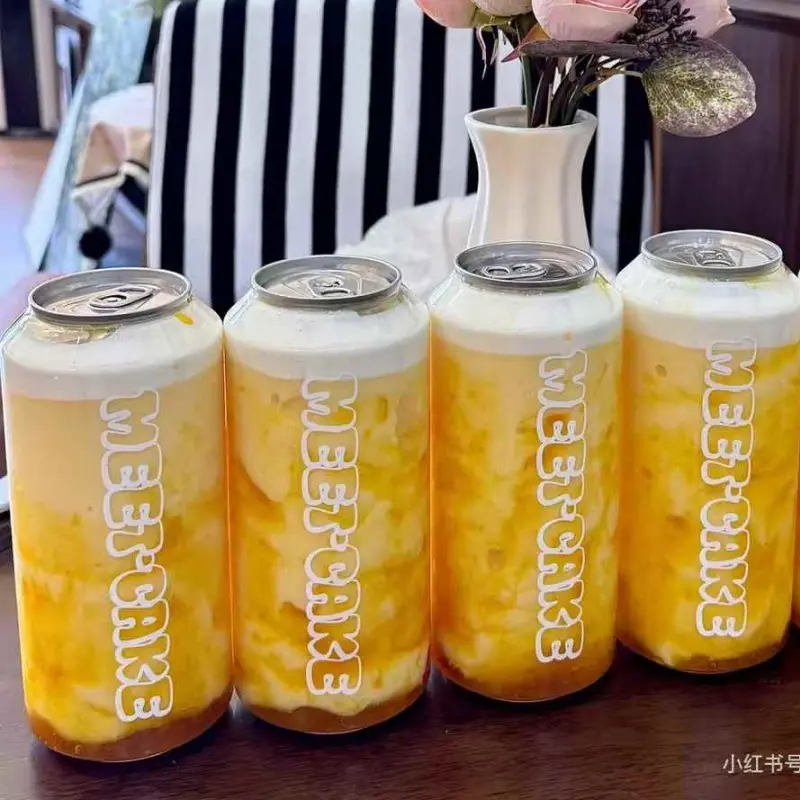

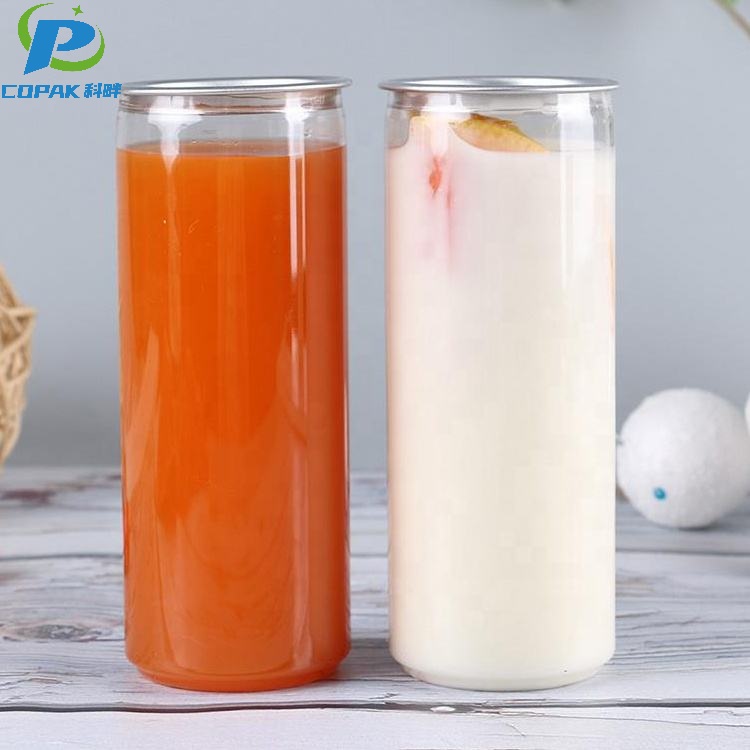
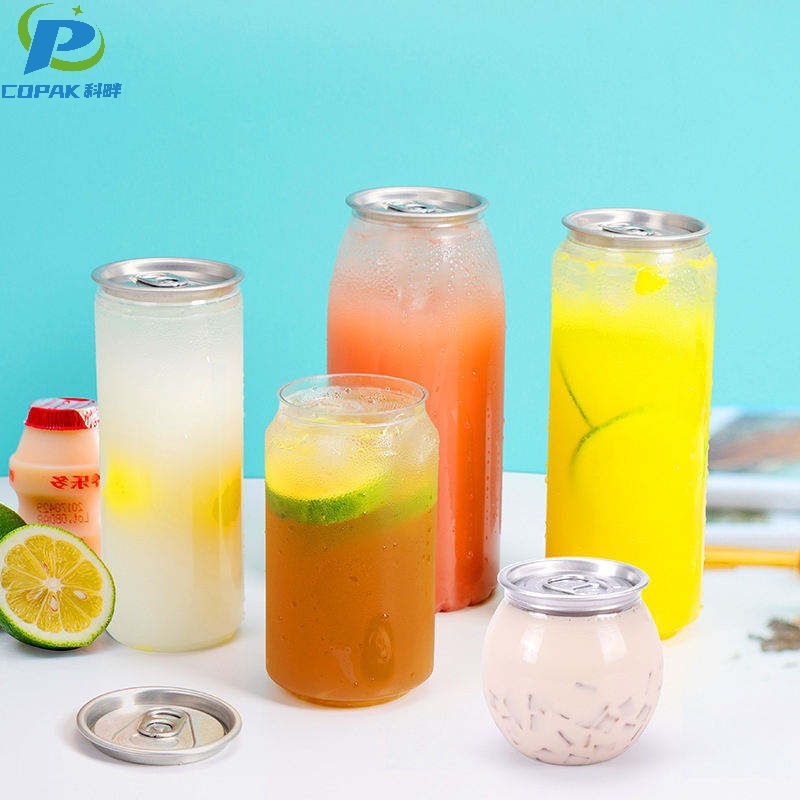
Custom 12oz clear plastic soda cans Manufacturers, Manufacturer

Item

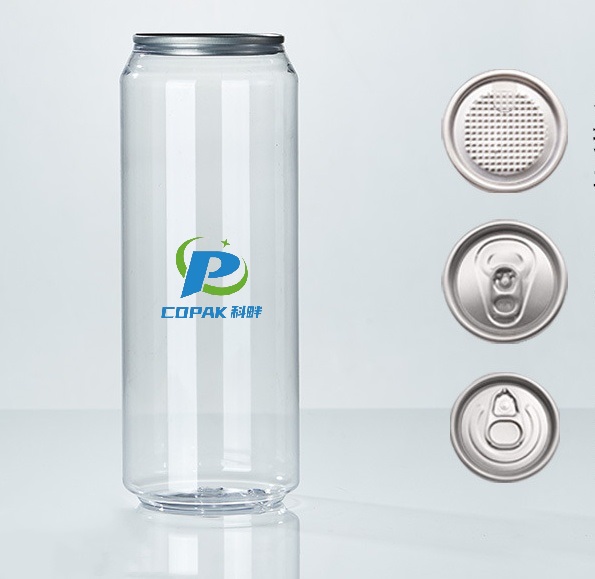
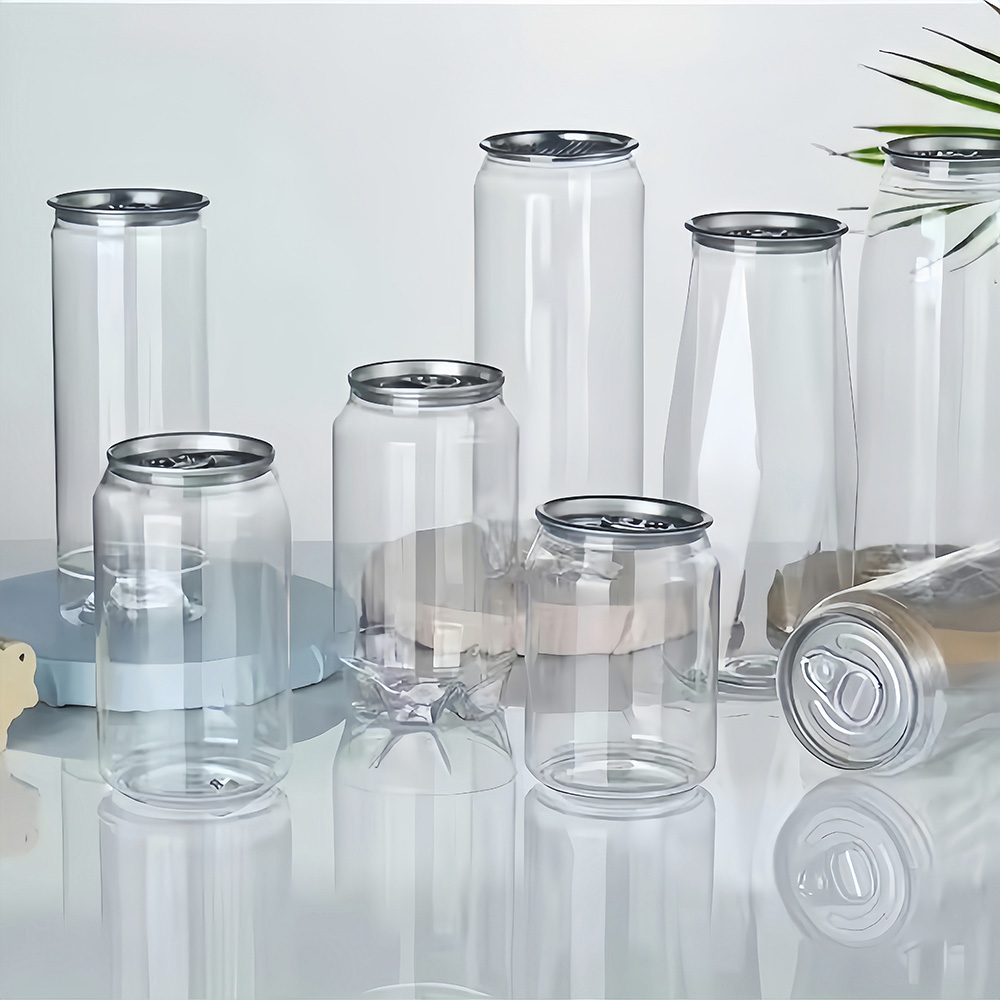
PET Cans

Material

PET

Color

Clear Transparent

Industrial Use

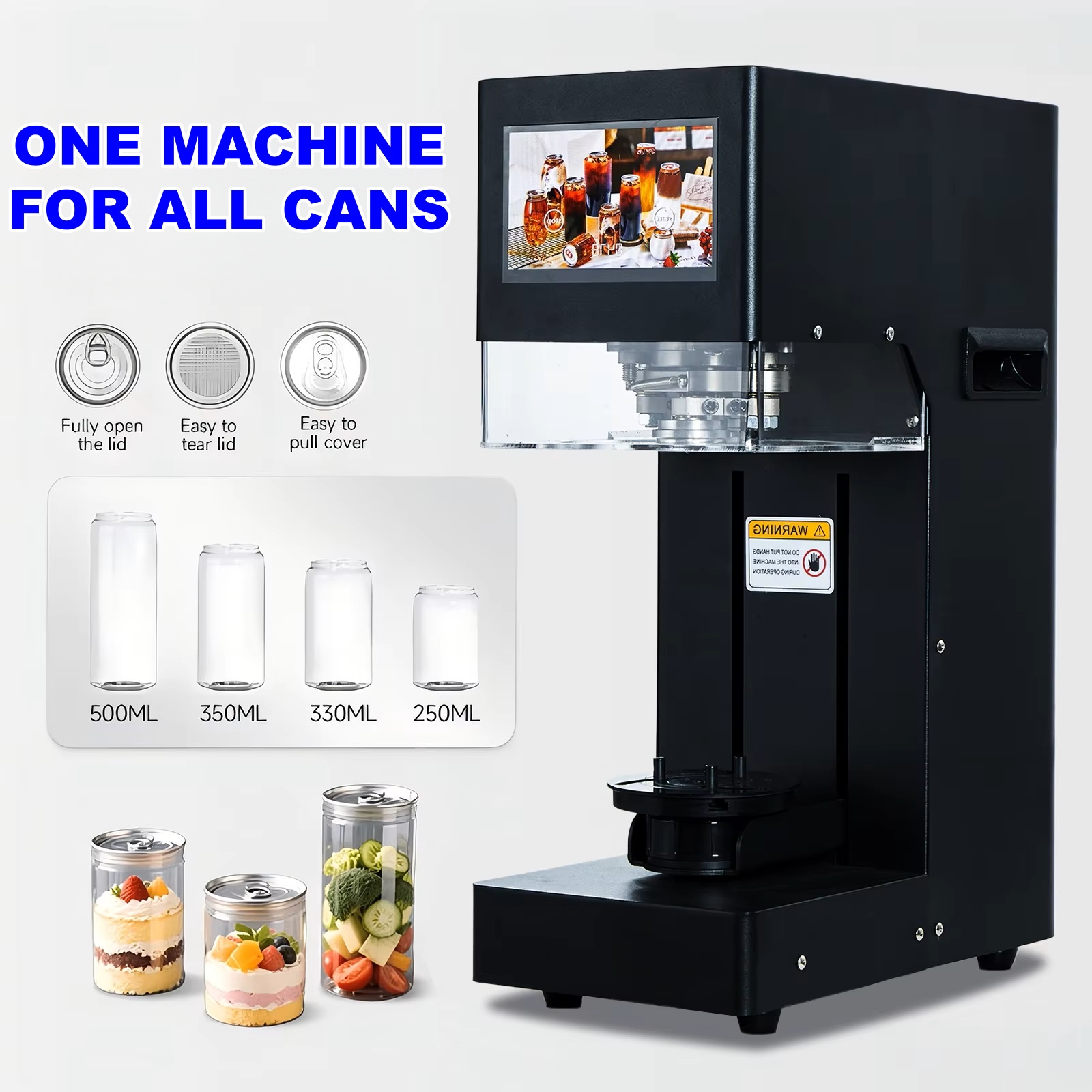
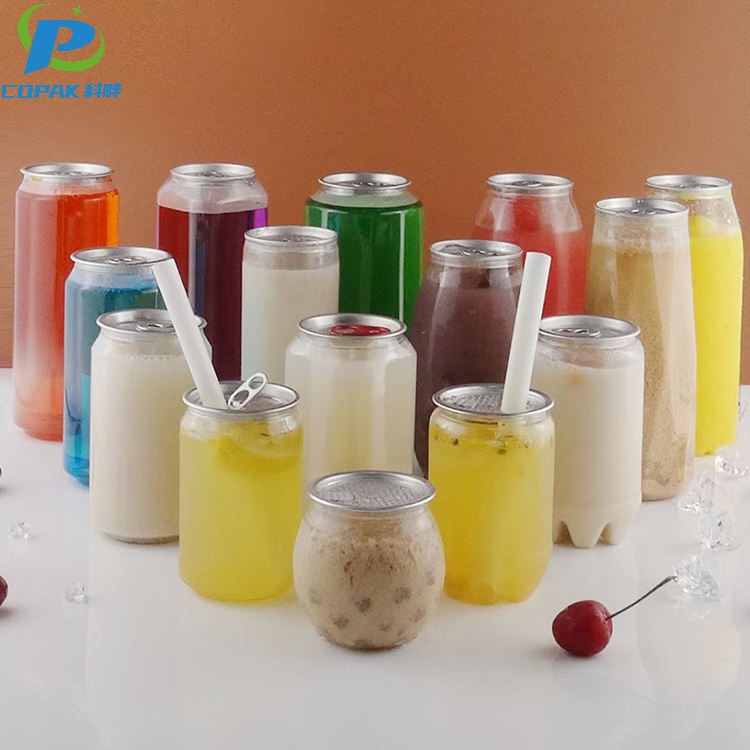
Food & Beverage Packaging(carbonated drinks, fruit juice, iced coffee, energy drinks, soda, smoothies, desserts)

Main Features

Superior Transparency & Visual Appeal, Lightweight & Easy to Handle, Custom Design

Sizes

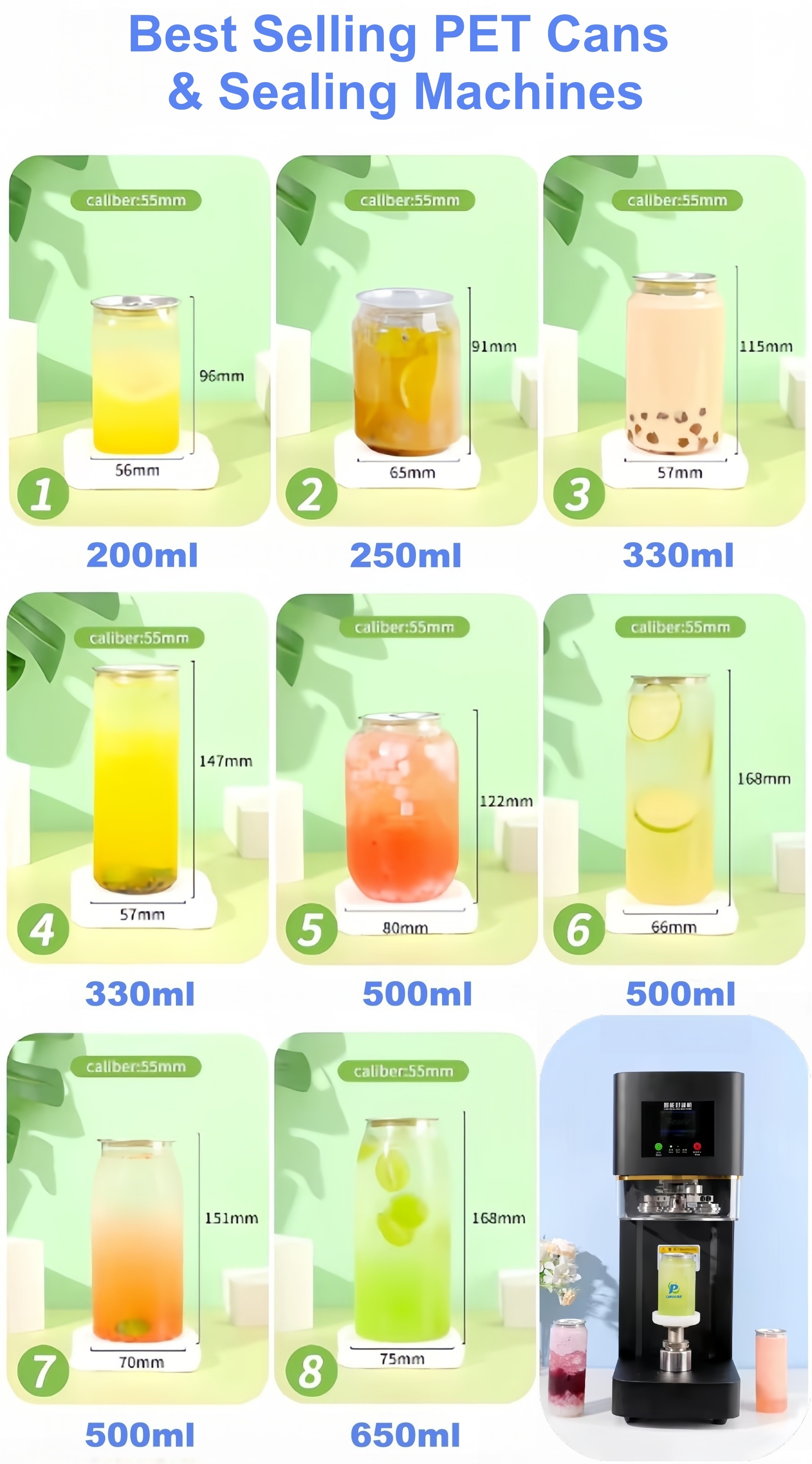
150ml, 180ml, 200ml, 210ml, 250ml, 300ml, 330ml, 350ml, 360ml, 400ml, 420ml, 500ml, 550ml, 600ml, 650ml, 700ml, 900ml, 1000ml and custom sizes

Samples

Free samples upon request

Custom Design

Accepted

Packaging Details

200pcs /carton

Delivery time

15-20 days

Product Description

Product Video

Why You Should Never Hot-Fill Standard PET Cans

In the world of beverage packaging, understanding material limitations is just as important as knowing its advantages. While PET (Polyethylene Terephthalate) cans offer unparalleled visual appeal and durability for cold drinks, they are not suitable for hot filling processes. Attempting to fill standard PET cans with high-temperature liquids can lead to disastrous results for your product and brand.

The Science of Temperature Sensitivity

The primary reason lies in the Glass Transition Temperature (Tg) of PET. For standard PET, this temperature is typically between 65°C to 70°C (149°F - 158°F). This is the point at which the plastic transitions from a rigid, solid state to a softer, more pliable, and even rubbery state.

Most hot-fill applications involve liquids heated to 85°C to 92°C (185°F - 198°F) for pasteurization or sterilization. When liquid at these temperatures comes into contact with a standard PET can, the plastic's structure rapidly destabilizes.
PET can deformation test
Thermal impact on PET

What Happens During Hot Filling?

1
Severe Deformation: The can will almost instantly lose its shape, shriveling, warping, or even collapsing entirely. This not only makes the product unmarketable but also creates waste.
2
Vacuum Collapse: Even if the can somehow retains some shape initially, as the hot liquid cools inside a sealed container, it creates a significant vacuum. Without specialized "hot-fill" PET bottles, a standard PET can will be crushed inwards by atmospheric pressure.
3
Compromised Integrity: The extreme heat can compromise the structural integrity of the can, making it susceptible to leaks or failure during transport or storage.
PET soda can with easy open lid
Clear PET beverage can

The Solution: Cold Fill or Ambient Fill

Our PET cans are specifically designed for cold-fill or ambient-fill processes where the liquid temperature is below 60°C (140°F). This ensures that the can maintains its intended shape, clarity, and structural integrity.

If your product requires hot processing, consider these alternatives:
🔹 Aseptic Filling: Sterilizing the product and container separately and then filling them in a sterile environment.
🔹 Post-Fill Pasteurization (Tunnel Pasteurization): Utilizing specially designed heat-tolerant containers.
🔹 Aluminum Cans or Glass Bottles: Materials that withstand much higher temperatures safely.
Custom design PET soda cans
Custom PET dessert can
High quality PET cans display

Frequently Asked Questions

1. What is the maximum temperature a standard PET can can handle?

Standard PET cans are designed for cold or ambient filling. The liquid temperature should ideally remain below 60°C (140°F) to avoid any structural changes.

2. Why does the PET can shrivel when I pour hot coffee or tea into it?

This is due to the Glass Transition Temperature (Tg) of PET, which is around 65°C-70°C. Once the liquid exceeds this temperature, the plastic softens and loses its rigid shape, resulting in deformation.

3. Can these PET cans be used for carbonated drinks?

Yes, PET cans are excellent for carbonated soft drinks, sodas, and sparkling water, provided they are filled using cold-fill processes.

4. What is "Vacuum Collapse" in PET packaging?

Vacuum collapse occurs when hot liquid inside a sealed can cools down. The cooling creates a pressure difference (vacuum) that sucks the walls of a standard PET can inward, crushing it.

5. Are there PET containers specifically made for hot filling?

Standard PET cans are not suitable, but there are specialized "heat-set" PET bottles with reinforced ribs and thicker walls designed to handle the thermal stress and vacuum of hot filling.

6. What should I use if my drink must be pasteurized at 90°C?

For high-temperature pasteurization, we recommend using aluminum cans or glass bottles, as these materials maintain structural integrity at much higher heat levels.
Related Products