1 / 3

One of the most common technical questions we receive is: "How long will my drink stay fresh in a PET can?" Managing shelf-life expectations is key to a successful product launch.
The Difference Between Metal and Plastic: Glass and aluminum are "impermeable"—gas cannot get in or out. PET, like all plastics, is "semi-permeable." Over time, microscopic amounts of CO2 (carbonation) can escape, and Oxygen can enter. This means PET cans generally have a shorter shelf life than aluminum ones, typically ranging from 3 to 6 months.
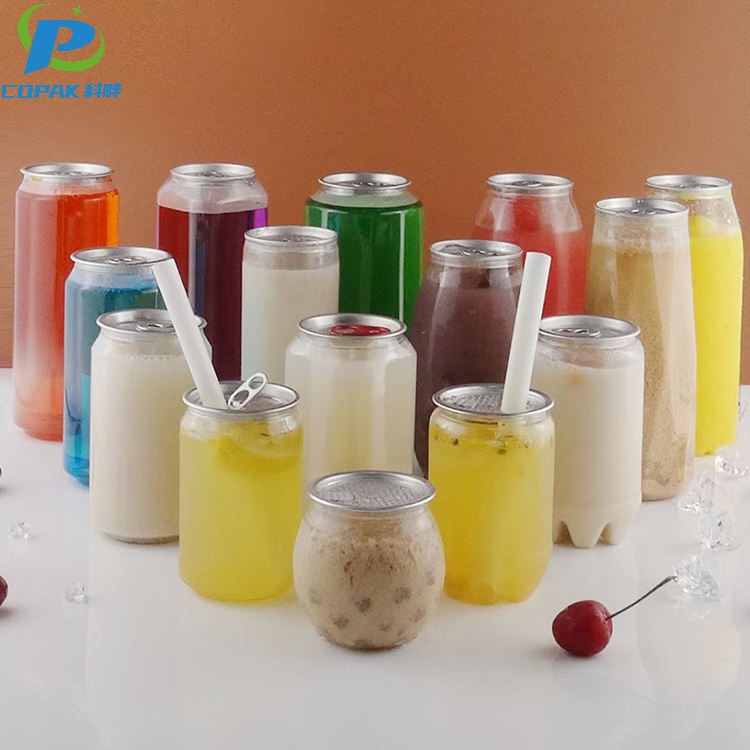
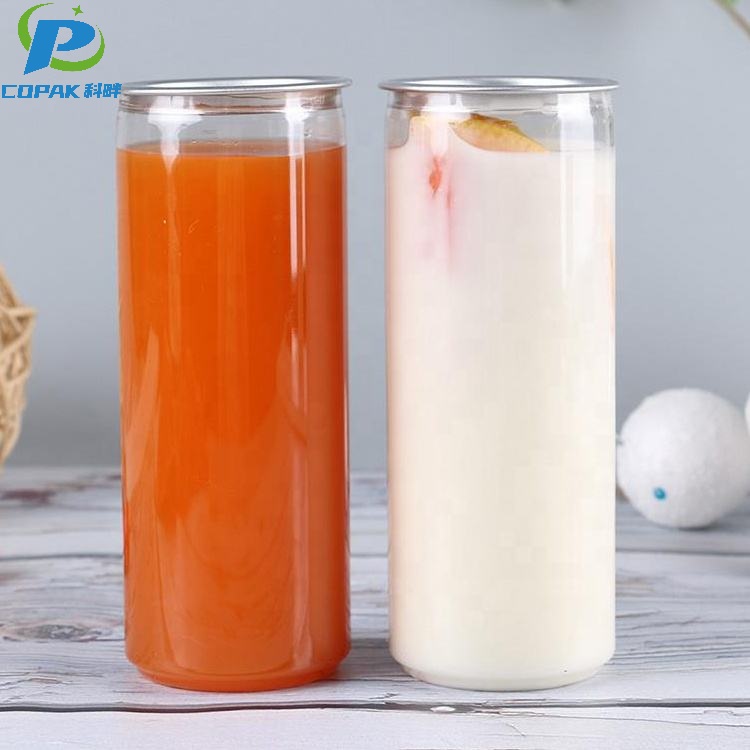
While 3-6 months is the standard, you can optimize this window by following these key strategies:
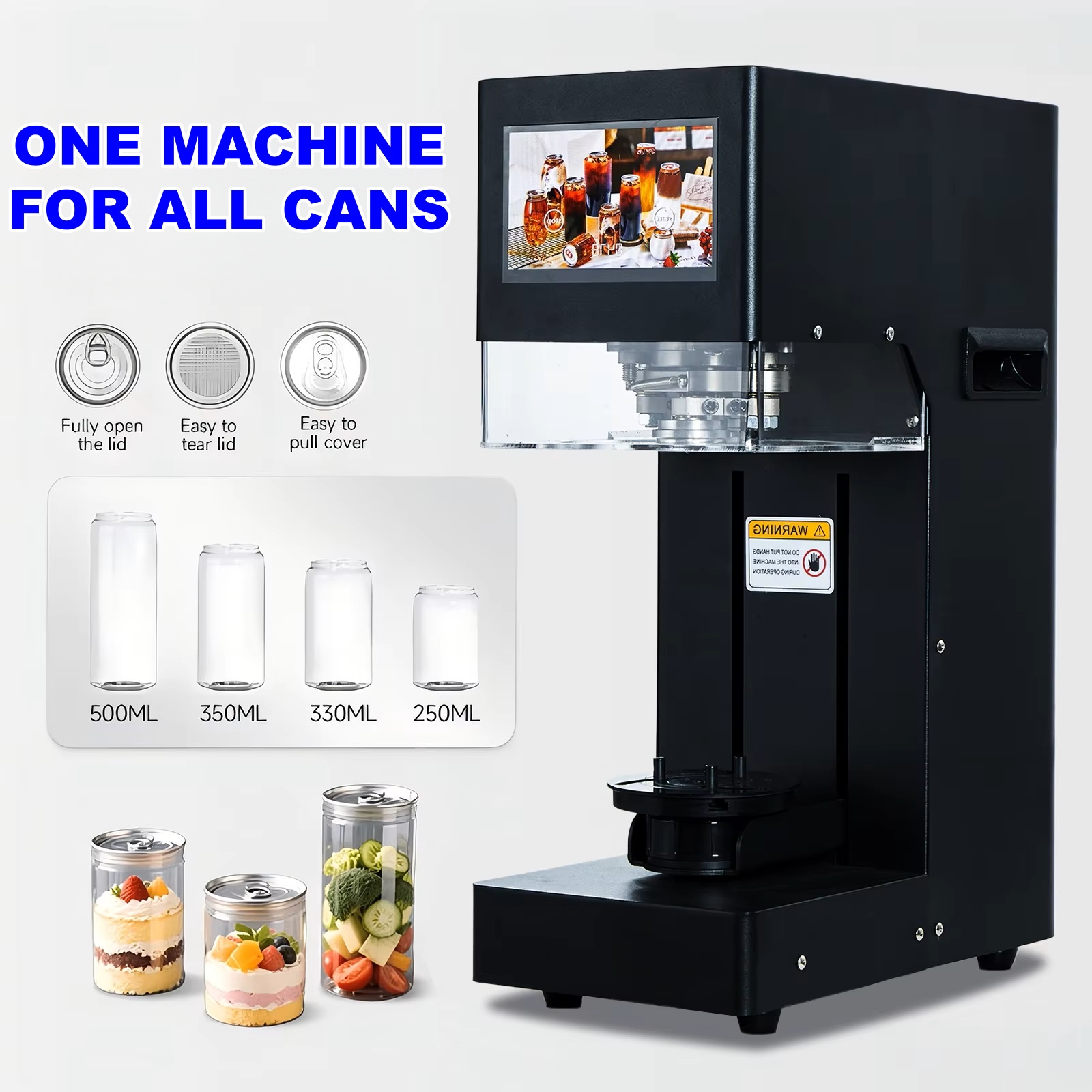
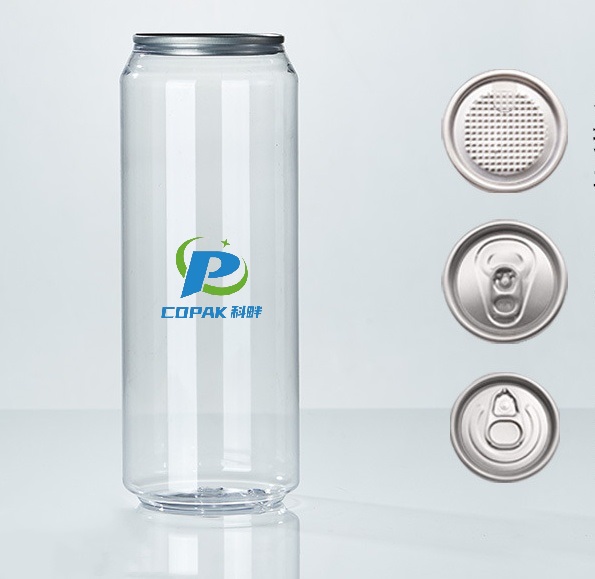
1. Dry Goods (Nuts/Candy): 6-12+ months (Gas exchange is less critical).
2. Non-Carbonated Drinks: 3-6 months (Focus on oxidation).
3. Carbonated Drinks: 3-4 months (Focus on carbonation loss).
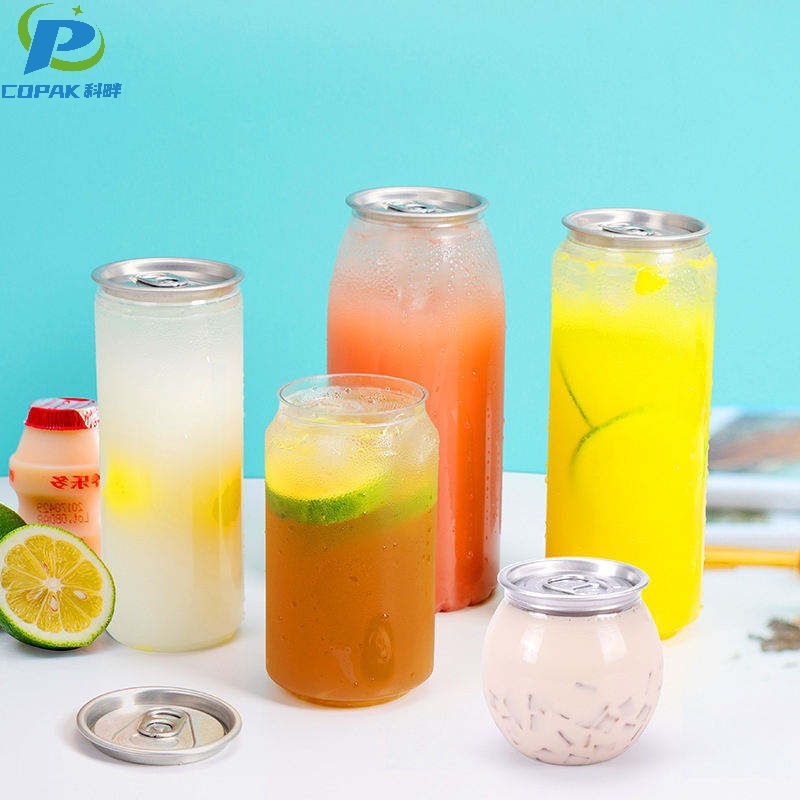
For the fast-moving consumer goods (FMCG) market—like fresh juices, craft sodas, and bubble tea—a 3-6 month window is perfectly sufficient. The trade-off for a slightly shorter shelf life is the massive marketing advantage of transparency. Your product is likely to sell out long before the shelf life becomes an issue!
A: The standard shelf life for beverages in PET cans typically ranges from 3 to 6 months, depending on the product type and storage conditions.
A: PET is a semi-permeable material, meaning microscopic amounts of CO2 can escape and Oxygen can enter over time. Aluminum and glass are impermeable, providing a more permanent gas barrier.
A: Maintaining a "Cold Chain" (refrigerated storage) is the most effective way to slow down gas exchange. Additionally, ensuring a perfect seal through regular seaming machine calibration is essential.
A: Yes, dry goods like nuts or candy can last 6 to 12 months or longer because gas exchange is less critical for these products compared to liquids.
A: For the fast-moving consumer goods (FMCG) market, such as fresh juices or bubble tea, 3-6 months is usually more than enough, as these products typically sell out quickly.
A: The primary advantage is transparency. Seeing the product inside provides a massive marketing benefit that often outweighs the slightly shorter shelf life compared to metal containers.