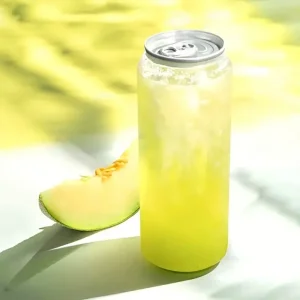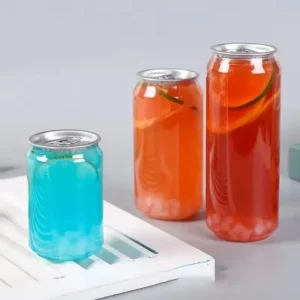
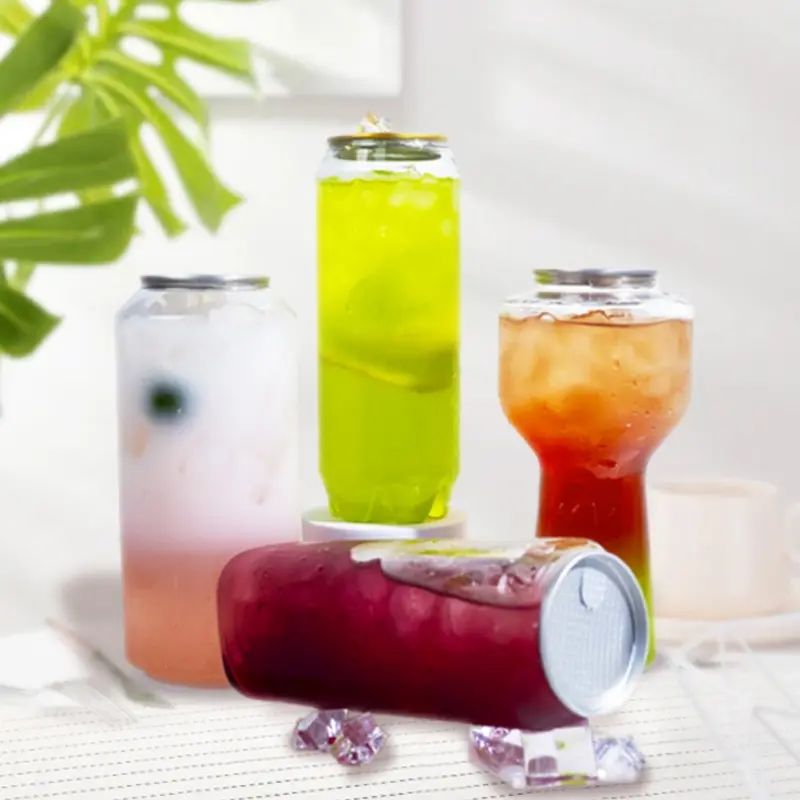
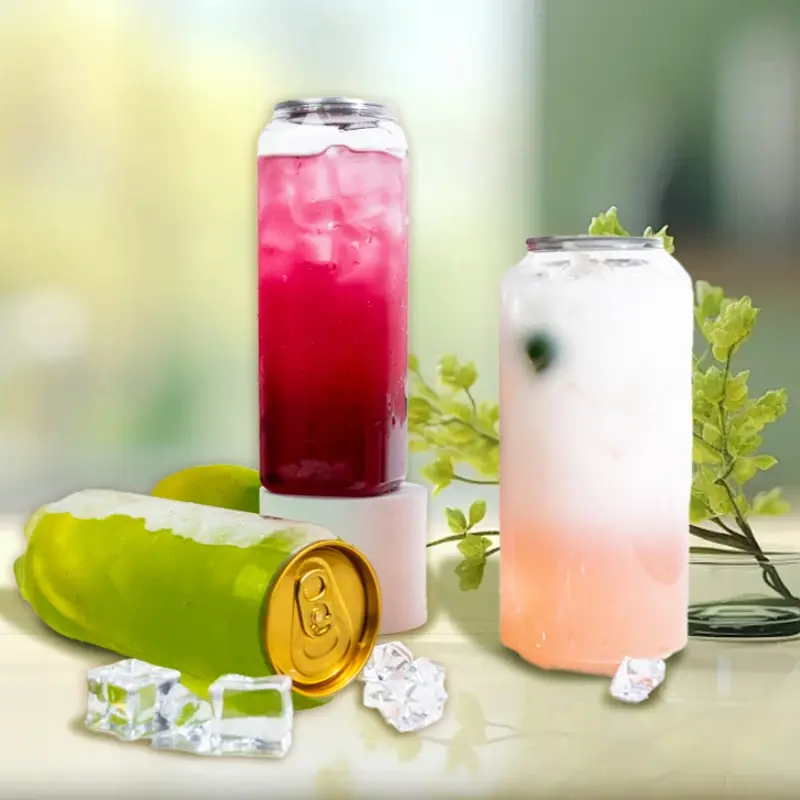
Sustainability is no longer a trend; it's a requirement. Consumers are increasingly conscious of their environmental footprint, and they demand responsible packaging from brands. The reality is nuanced, and PET (Polyethylene Terephthalate) is actually one of the most sustainable plastic options available when managed correctly.
Sustainability Focus
The Power of Recyclability (Resin Code #1)
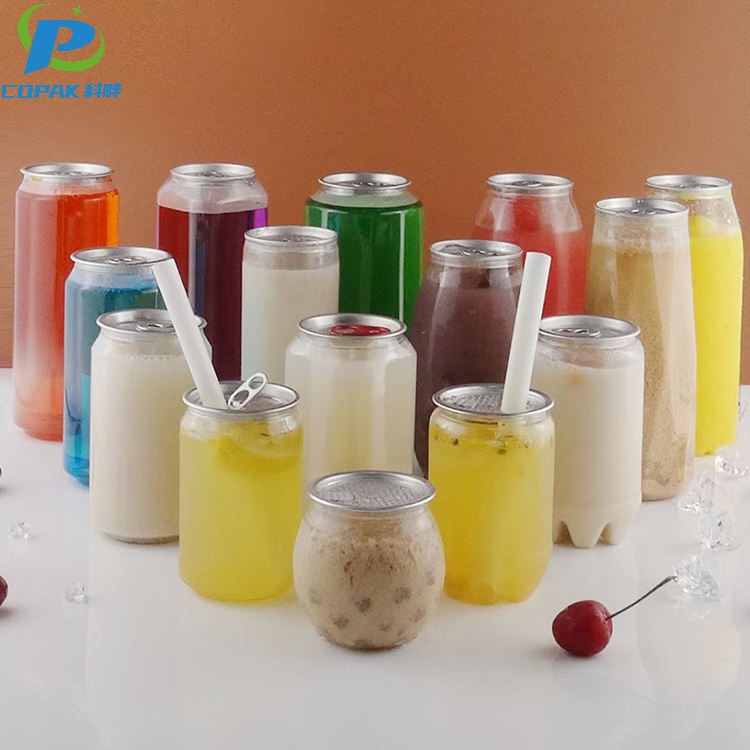
PET is globally recognized as the most recyclable plastic (Resin Identification Code #1). Unlike mixed plastics or multi-layer pouches that are destined for the landfill, PET beverage cans can be melted down and reformed into new products, fiber for clothing, or even new cans.
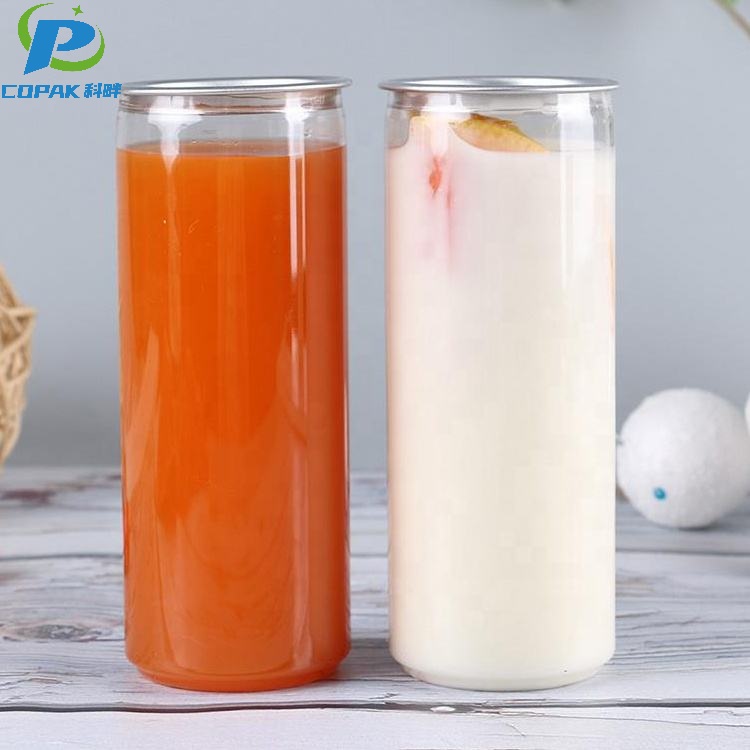
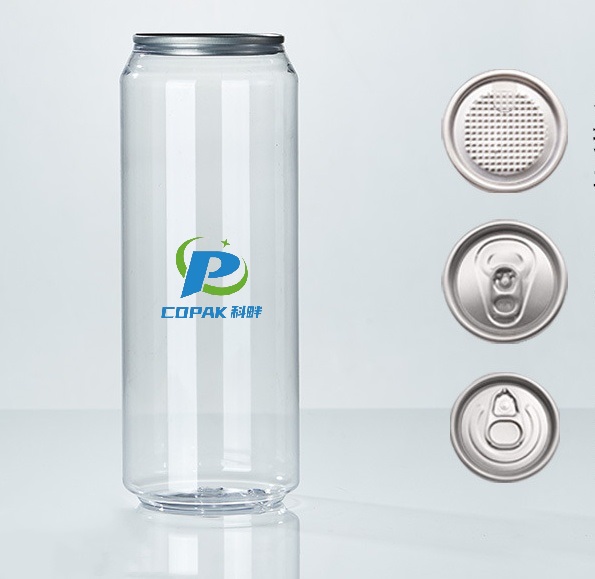
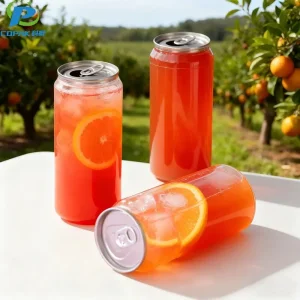
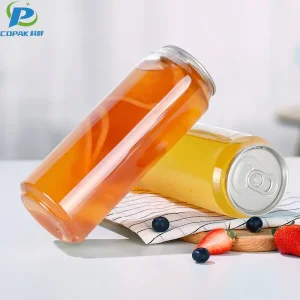
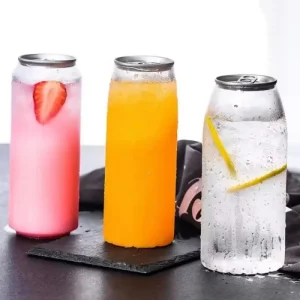
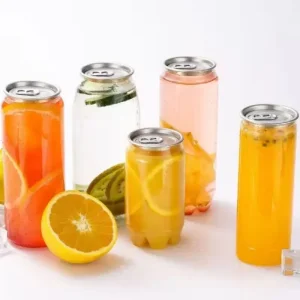
Clear is Better: Clear PET cans are highly valued by recyclers because they don't contain pigments that contaminate the recycling stream.
Lower Carbon Footprint in Transport
When analyzing the lifecycle of packaging, transportation is a huge factor in overall environmental impact.
Weight & Efficiency
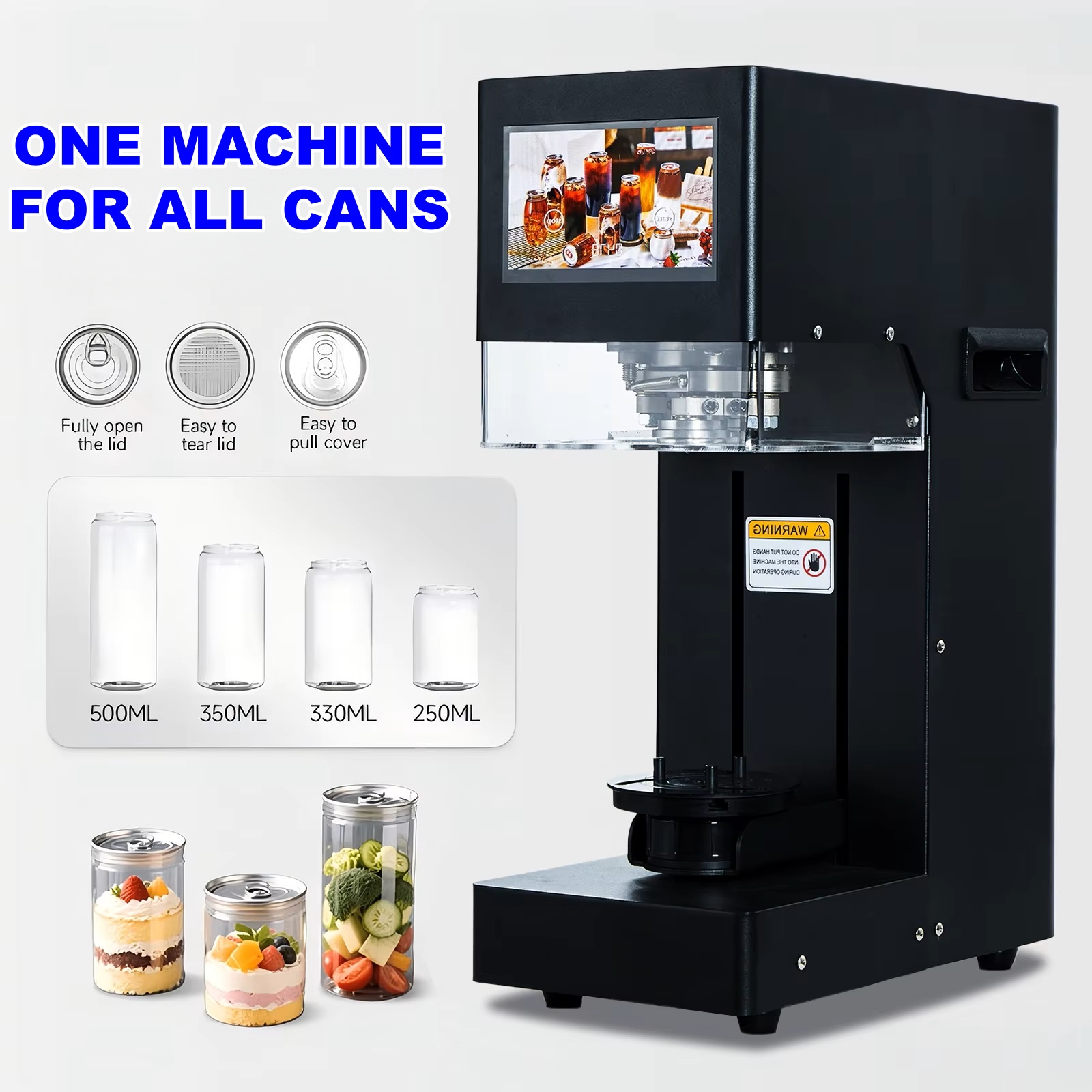
Weight: PET is significantly lighter than glass. Shipping a truckload of filled PET cans consumes far less fuel than shipping the same volume of glass bottles.
Efficiency: Because these cans are durable, they need less protective secondary packaging (like bubble wrap) during transit compared to fragile glass alternatives.
The Rise of rPET (Recycled PET)
Work is actively being done towards incorporating rPET content into the manufacturing process. This means using plastic that has already been used and recycled, closing the loop. By choosing PET cans, you are supporting a circular economy infrastructure that is already well-established worldwide.
Educating Your Customers
As a brand owner, you can play a part by encouraging recycling. These cans provide ample space to print "Please Recycle" instructions. By choosing Recyclable PET Cans, you offer consumers a lightweight, safe, and responsible way to enjoy their favorite drinks on the go.
Frequently Asked Questions
Are PET cans truly recyclable?
Yes, PET is the most globally recognized recyclable plastic, identified by Resin Code #1. It can be melted down and reformed into new containers, fibers, and other products.
How do PET cans compare to glass in terms of carbon footprint?
PET is significantly lighter than glass, which leads to lower fuel consumption during transportation. Additionally, its durability reduces the need for bulky secondary protective packaging.
Why is "Clear PET" considered better for the environment?
Clear PET does not contain pigments that can contaminate the recycling stream, making it highly valued by recyclers and more easily processed into new high-quality materials.
What is rPET?
rPET stands for Recycled Polyethylene Terephthalate. It refers to plastic that has been recovered, cleaned, and processed to be used again, supporting a circular economy.
Can I customize PET cans with recycling instructions?
Absolutely. PET cans provide ample surface area for custom printing, allowing brands to include clear "Please Recycle" instructions to help educate and encourage consumers.
Is PET packaging safe for food and beverages?
Yes, PET is a safe, non-toxic, and lightweight material that is widely used and approved for food and beverage packaging globally.