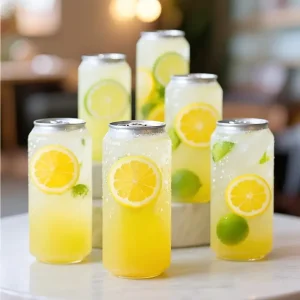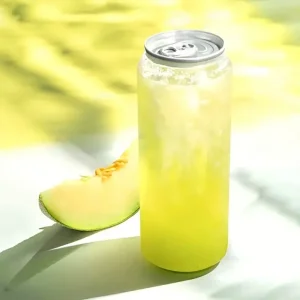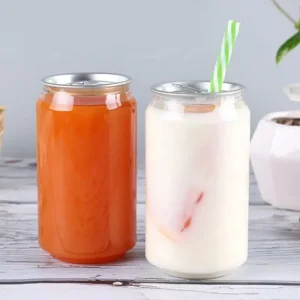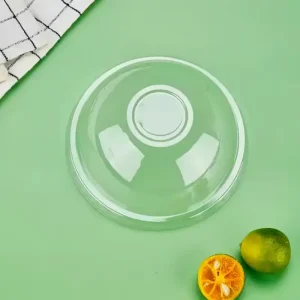
Explore our premium range of PET packaging and sealing components designed for industrial excellence.
A Comprehensive Analysis of Technological Evolution and Market Dynamics
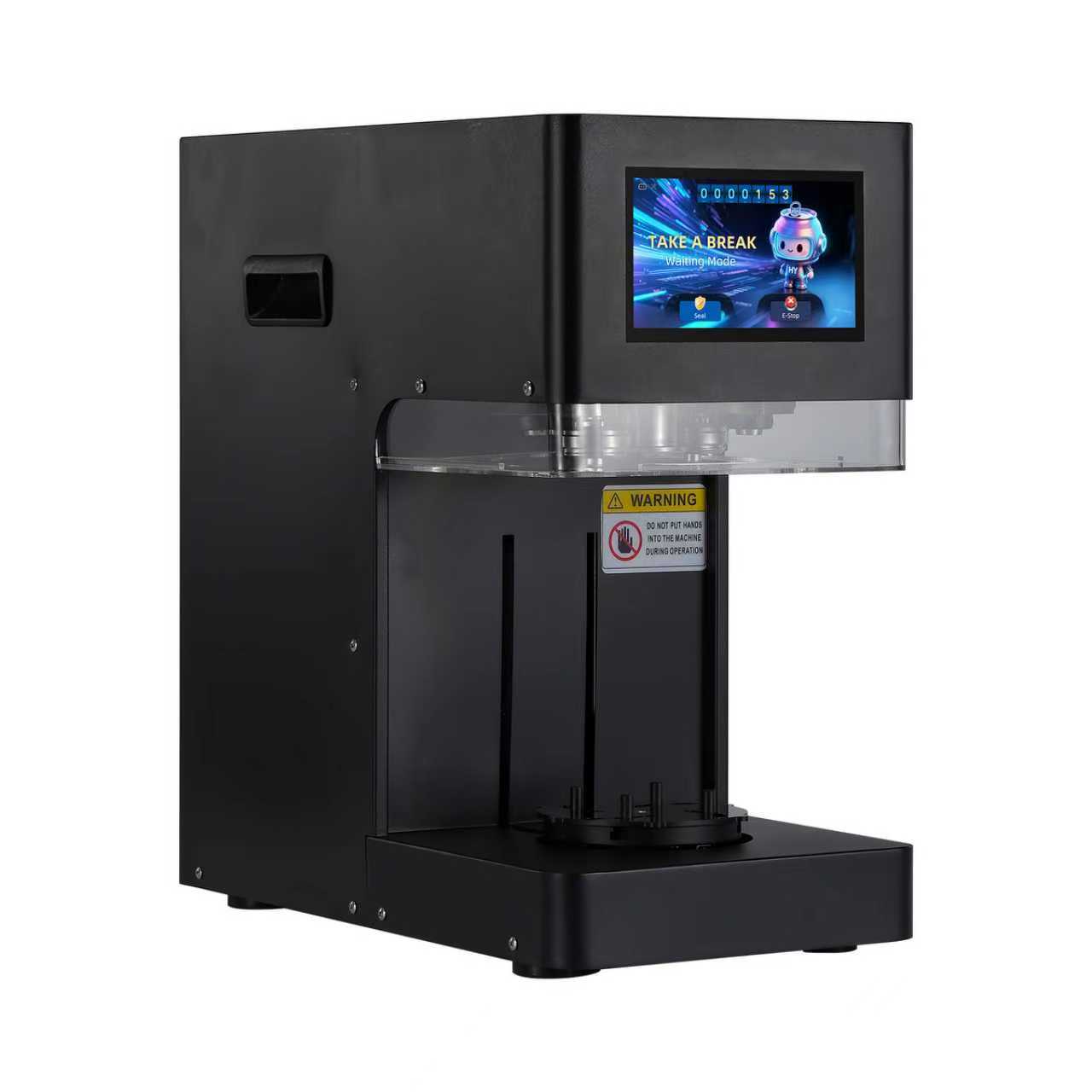
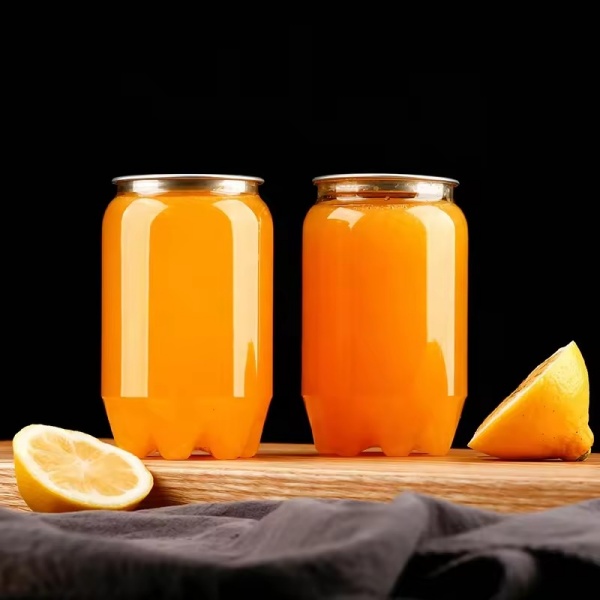
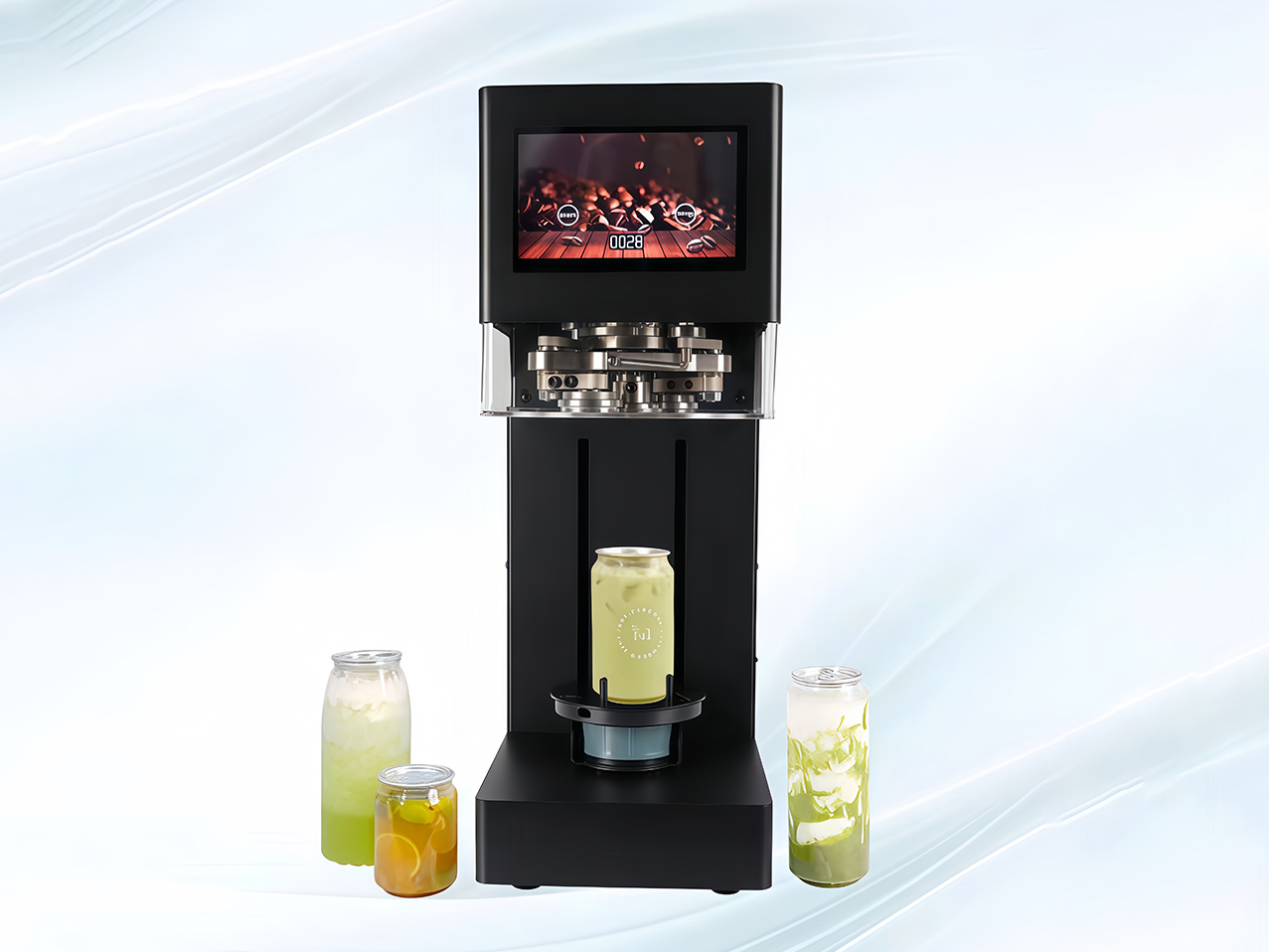
The global beverage and food packaging industry is undergoing a paradigm shift. As consumer preferences pivot toward transparency and sustainability, Custom Machine Can Sealer Factories are now at the epicenter of this transformation. Traditional aluminum canning remains robust, but the surge in PET (Polyethylene Terephthalate) cans has demanded a new generation of sealing technology. Today, a Custom Machine Can Sealer is not merely a mechanical device; it is a precision instrument that ensures product shelf-life, hermetic integrity, and brand prestige.
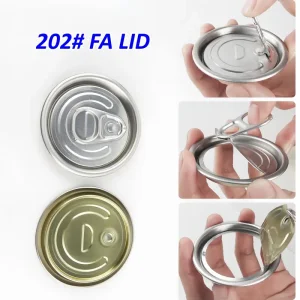
In the world of high-speed production, "leakage" is the enemy of growth. Modern seaming technology utilizes a double-seam process where the lid (end) and the can body are interlocked in two distinct operations. For PET cans, this requires calibrated pressure to avoid cracking the plastic while ensuring the aluminum Easy Open End (EOE) is perfectly crimped. Leading exporters now integrate Smart PLC Controllers that adjust torque in real-time based on material density variations.
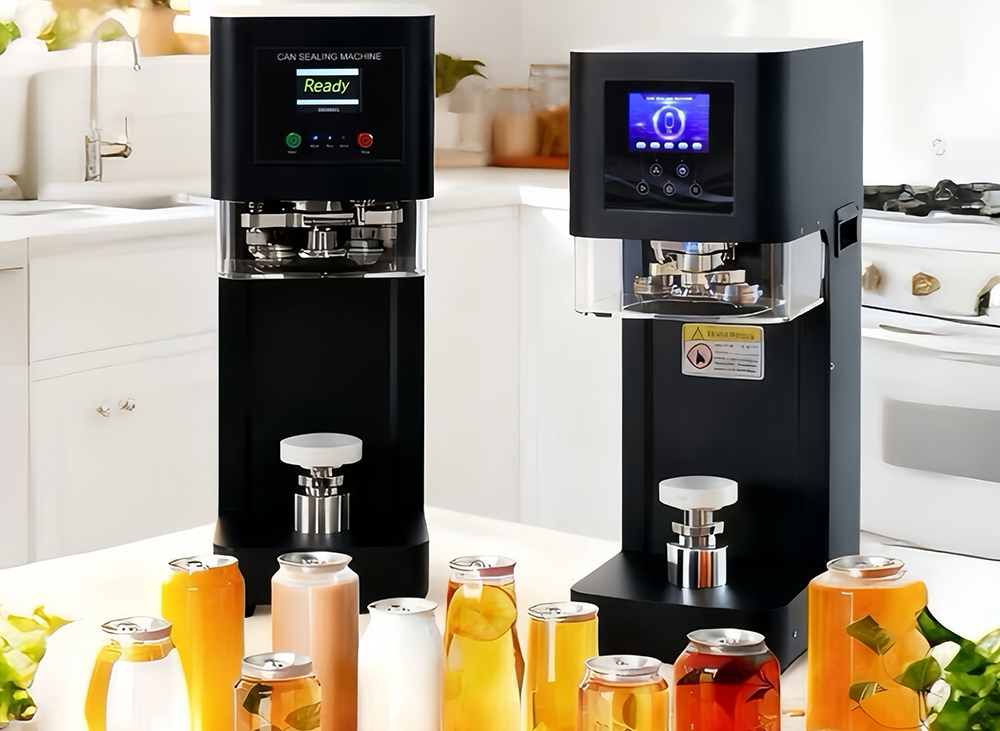
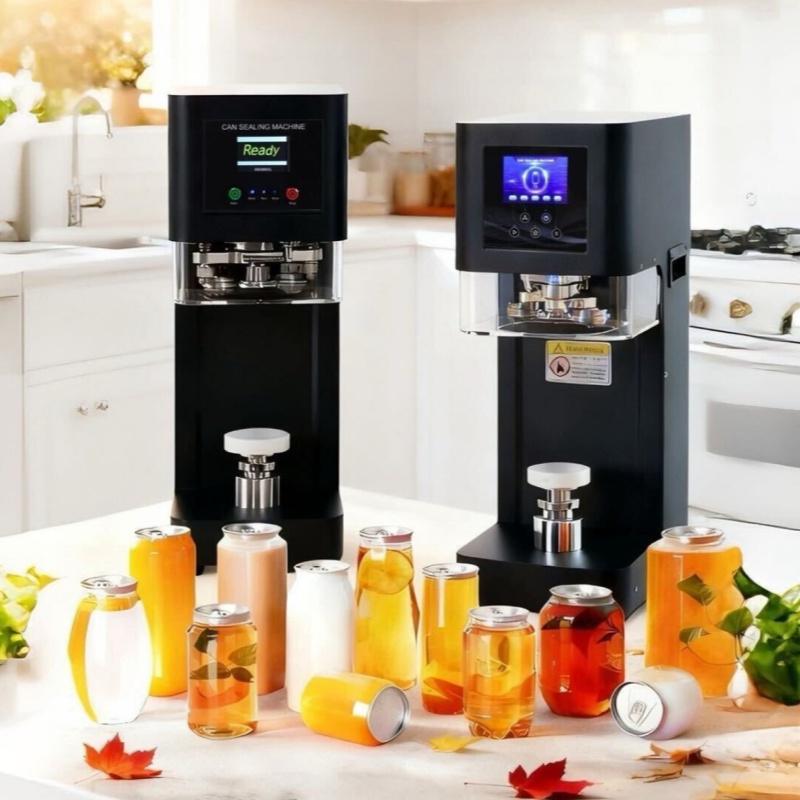
Currently, the Asia-Pacific region dominates the manufacturing of sealing machinery, with China leading as the primary exporter. The industrial status is characterized by a "Bimodal Growth Pattern": large-scale beverage conglomerates are investing in fully automated, 100+ cans-per-minute (CPM) lines, while the "New Retail" sector—including craft coffee shops and juice bars—is driving demand for semi-automatic, countertop-ready sealing solutions.
The technology roadmap for can sealers has evolved from manual hand-cranked devices to AI-driven automated systems. We are now entering the era of "Sealing 4.0," which features:
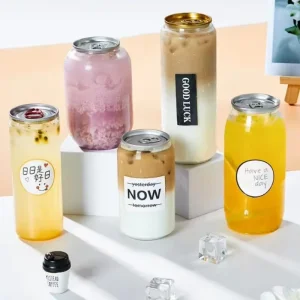
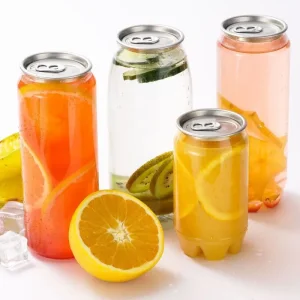
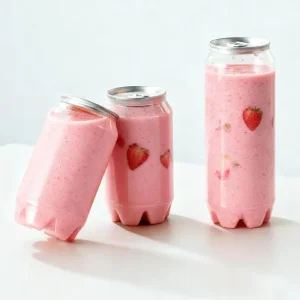
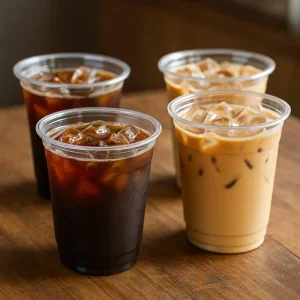
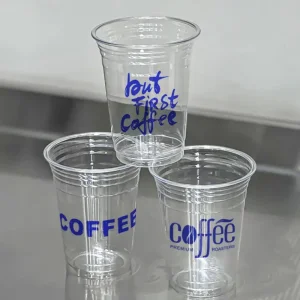
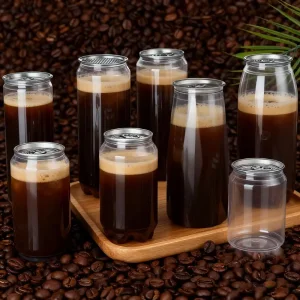
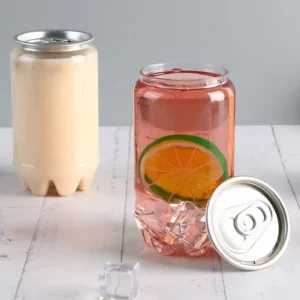
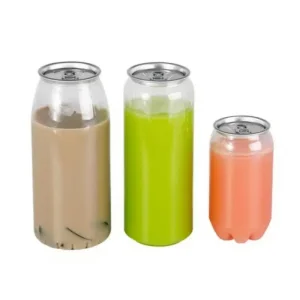
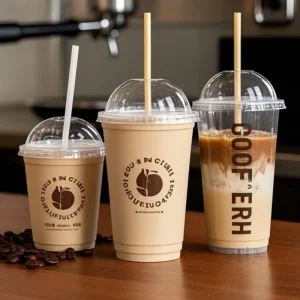
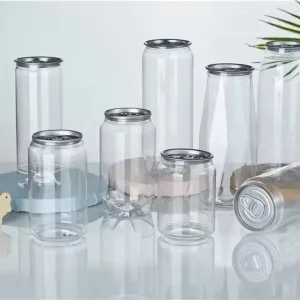
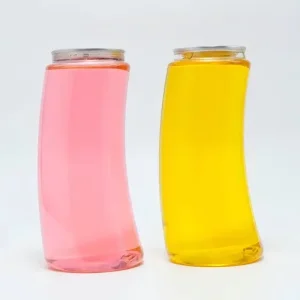
Established in 2021, Shanghai COPAK Industry Co., Ltd. maintains a sales office in Shanghai and an associated factory in Guangdong Province. As a professional supplier of eco-friendly food and beverage packaging solutions, our product portfolio includes PET cups, PET cans, and sealing machines, among other related items.
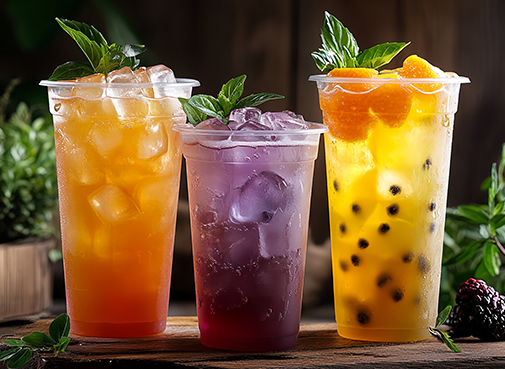
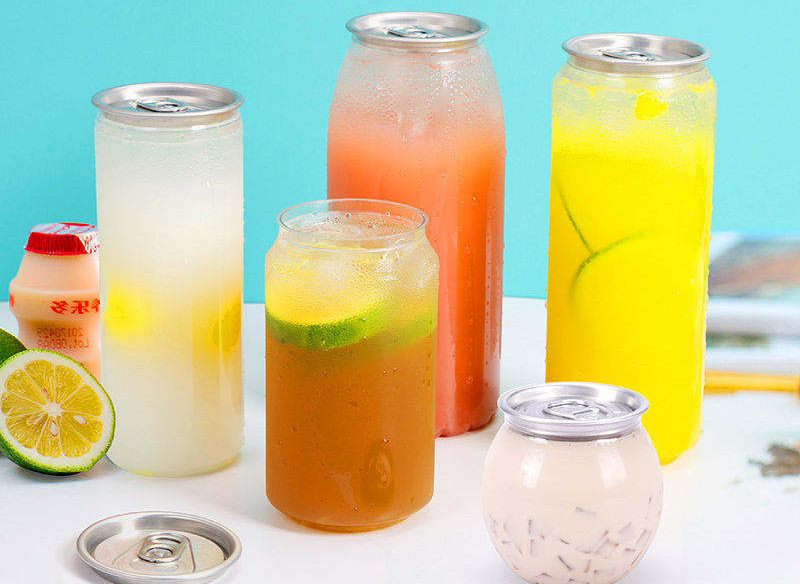
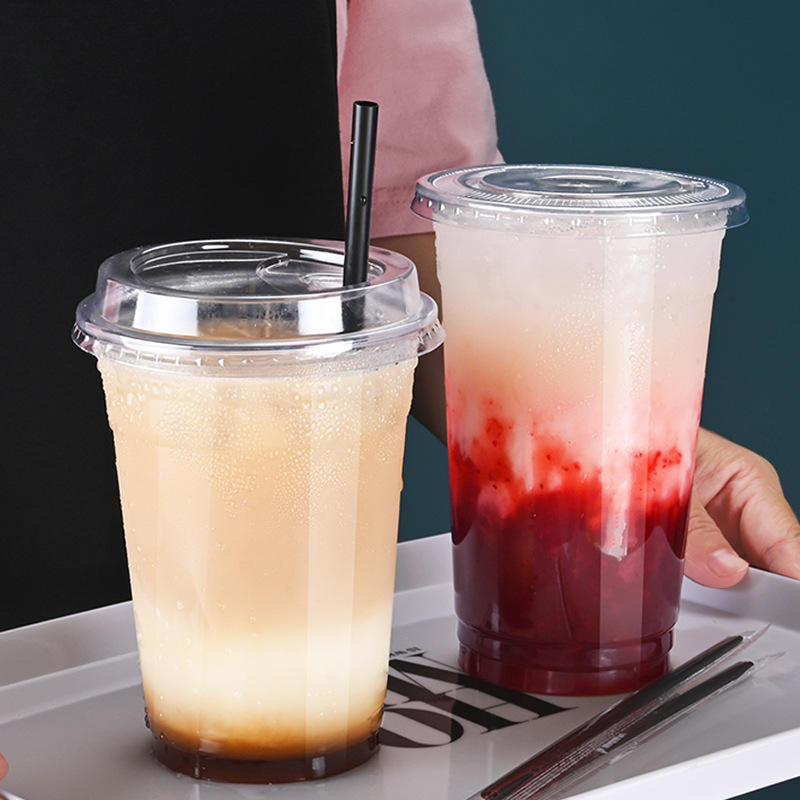
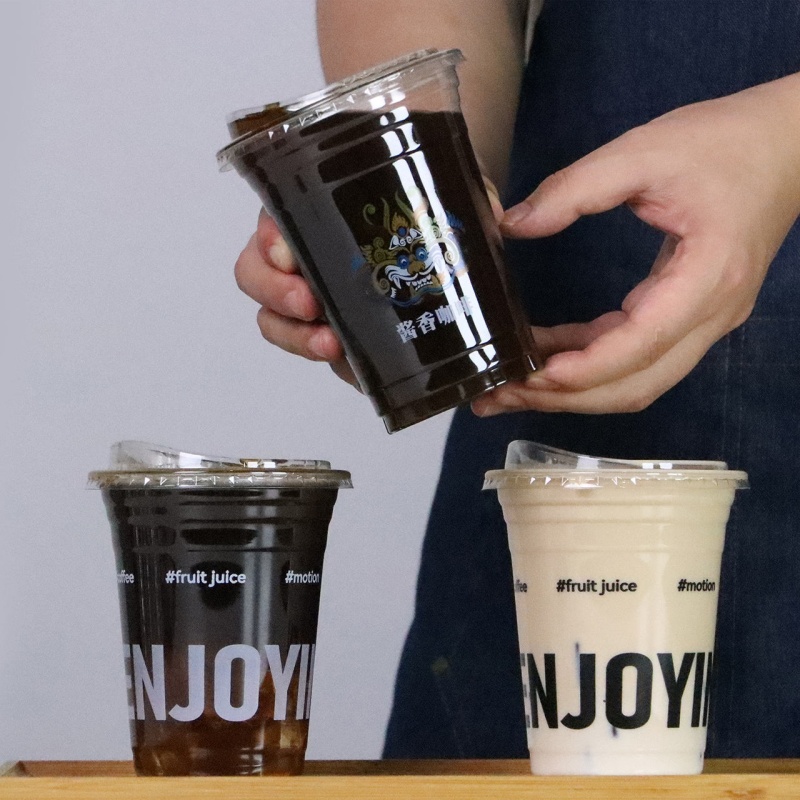
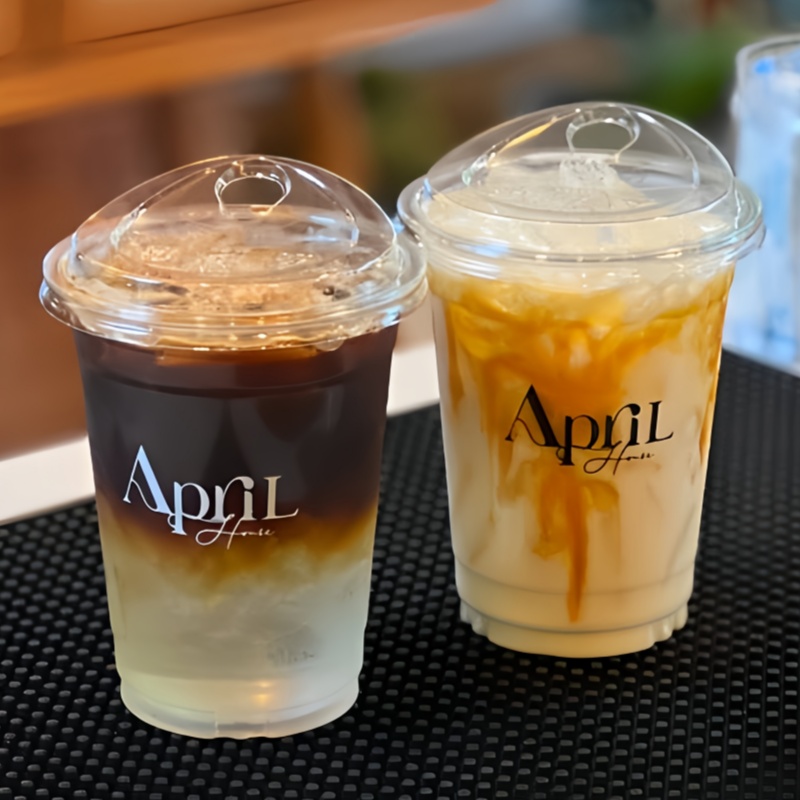
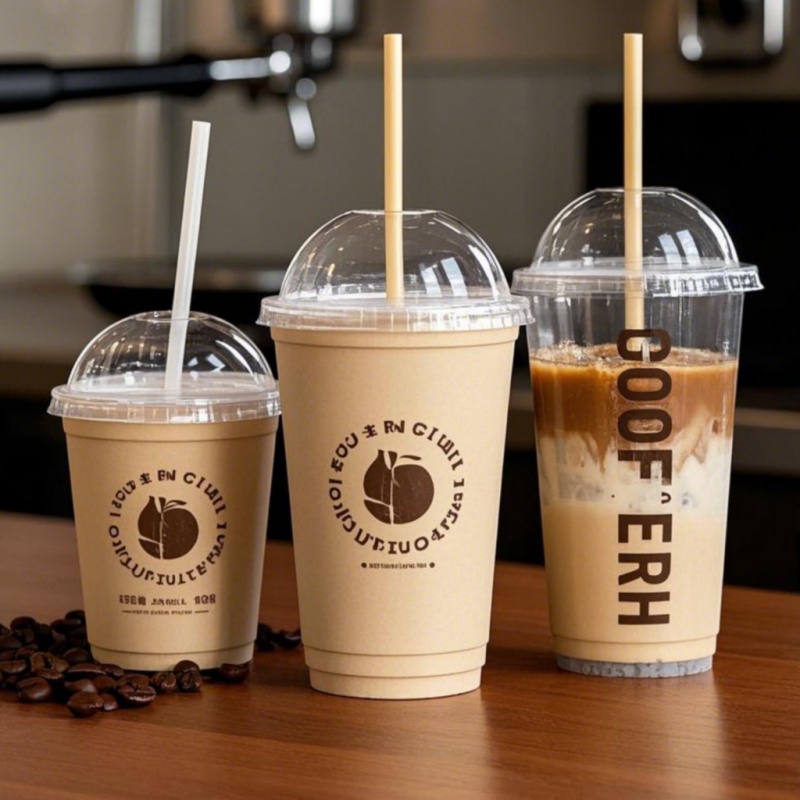
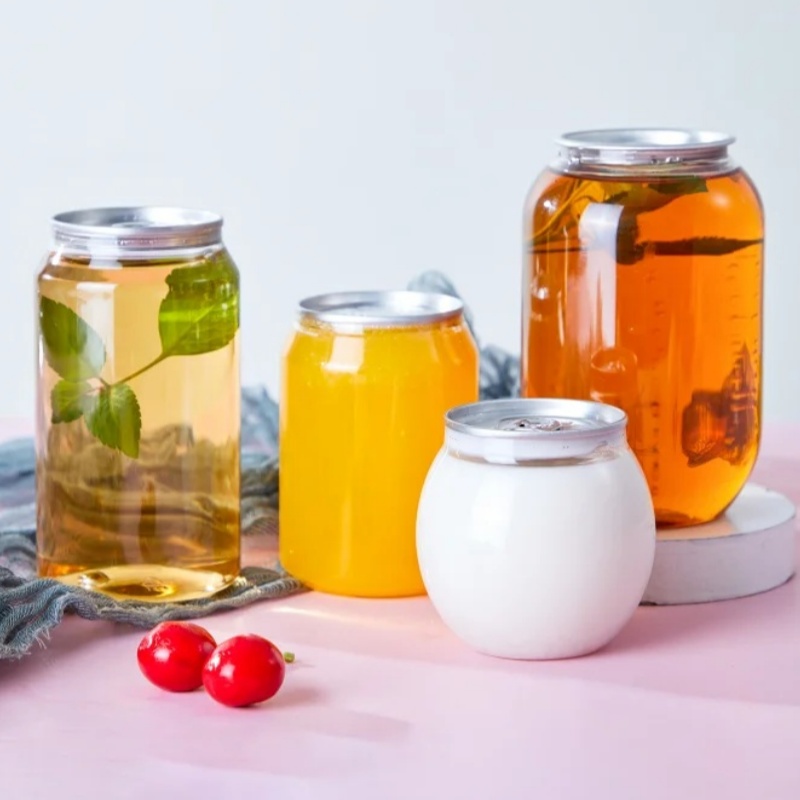
Committed to staying ahead of market trends through continuous innovation, COPAK delivers high-quality yet cost-effective packaging solutions. Our product range covers PET cups and cans in diverse shapes and capacities—from 1oz to 32oz—available in both plain finishes and custom printed designs. As a long-term strategic partner and trusted supplier, we dedicate ourselves to designing and manufacturing reliable, premium-quality, and stylish PET cups and cans for our clients. Having supplied PET cup and PET cans to numerous renowned brands, our products are now distributed globally.
How Modern Sealing Technology Solves Real-World Industrial Challenges
Tailored for local SMEs, providing portable sealing for "to-go" beverage trends.
Integrating 100% recyclable PET solutions with energy-efficient seaming motors.
OEM/ODM support for specialized can sizes and unique lid requirements.
Rigorous QC protocols ensuring each machine meets international safety standards.
The next decade will be defined by Circular Economy principles. Can sealer manufacturers are focusing on "Lightweighting"—designing machines that can handle thinner-walled PET cans without causing structural deformation. Furthermore, the rise of Direct-to-Consumer (DTC) beverage brands requires flexible production lines. Our modular machine designs allow for rapid changeovers, reducing downtime by up to 40% compared to traditional 20th-century systems.
High-demand products with proven performance in global markets.
Stay informed with our research and development breakthroughs.
Addressing the most critical questions in the can sealing sector.
Our comprehensive catalog of PET solutions for international shipping.