Navigating the Alphabet Soup of Plastics
When sourcing disposable cups for your restaurant or distribution business, you are often faced with three main acronyms: PET, PP, and PS. While they may look similar at a glance, their physical properties, costs, and customer perceptions are vastly different. Understanding these differences is critical to making a cost-effective decision that doesn't compromise your brand image.
Here is why Polyethylene Terephthalate (PET) consistently outperforms Polypropylene (PP) and Polystyrene (PS) in the cold drink sector:
Clarity and Transparency
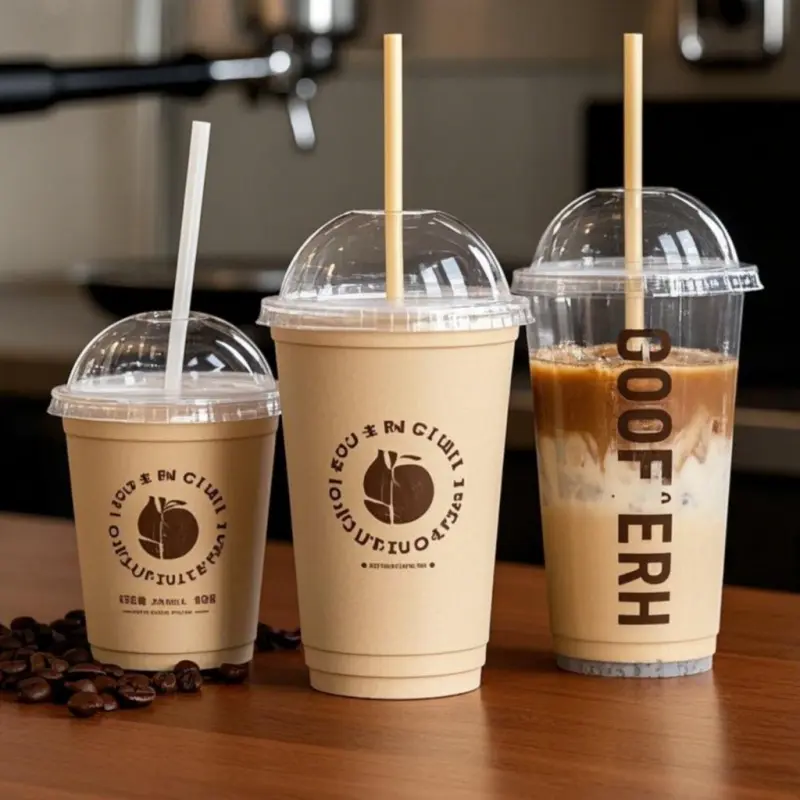
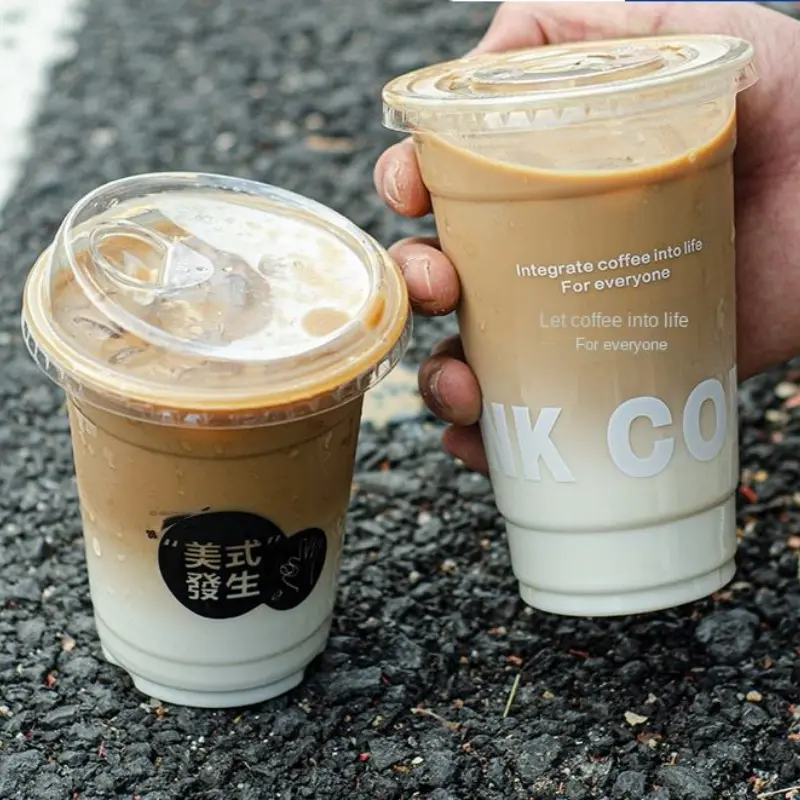
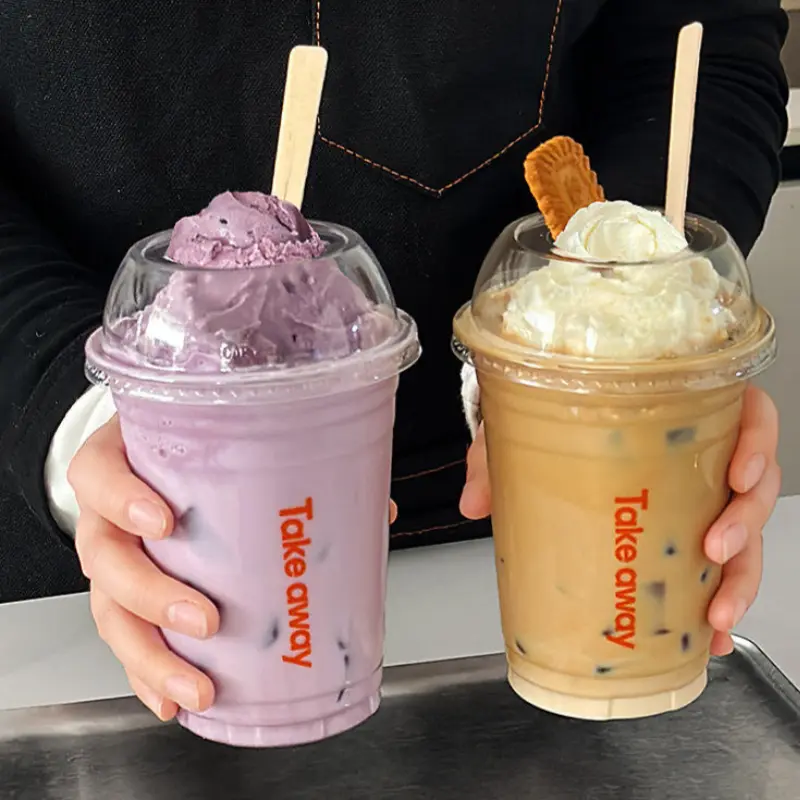
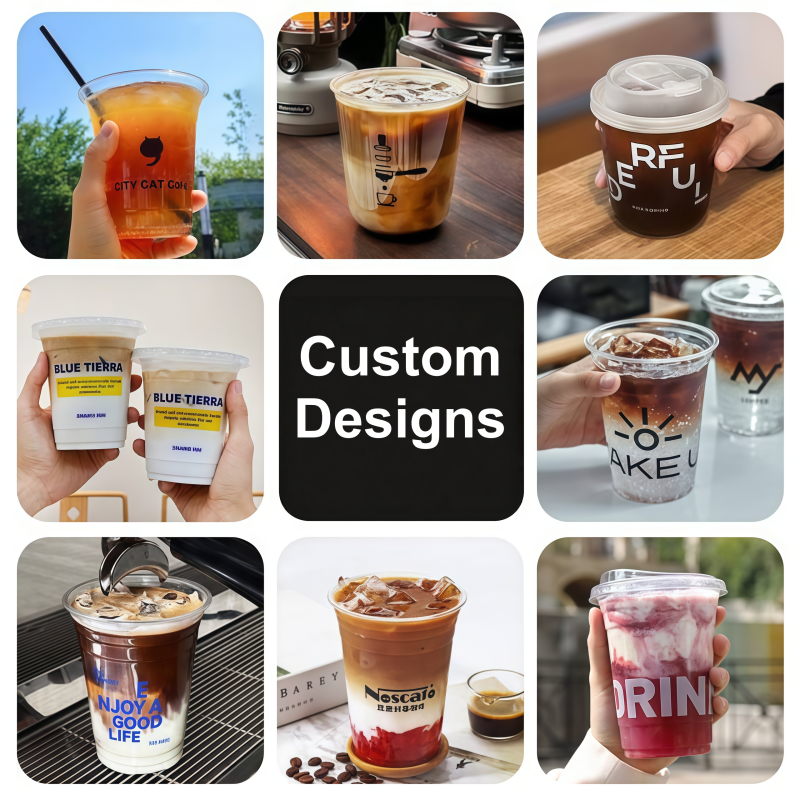
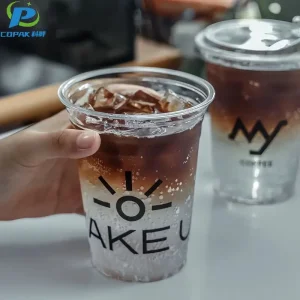
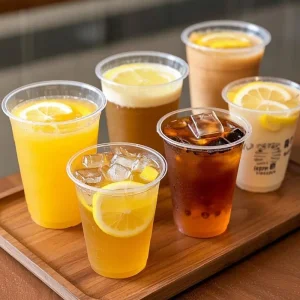
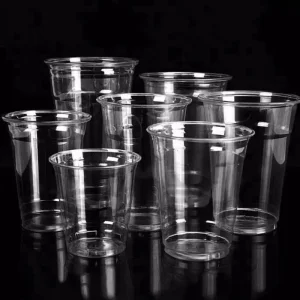
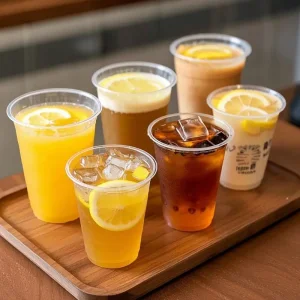
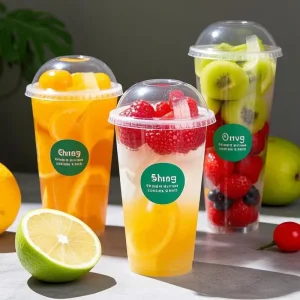
PET Offers glass-like clarity. It is the transparent gold standard.
PP (Polypropylene) Naturally hazy or translucent. While you can see the drink, it looks "milky," which dulls the vibrant colors of fresh juices or iced coffees.
PS (Polystyrene) Clear, but often brittle.
Winner: PET. If visual presentation sells your product, PET is the only choice.
Durability and Feel
PET Flexible and shatter-resistant. It has a premium "rigid" feel in the hand but will flex rather than crack under pressure.
PP Very flexible and soft. It can feel "cheap" or flimsy to some customers, and the cup walls often squish easily when held.
PS Rigid but brittle. It cracks easily, leading to leaks if mishandled.
Winner: PET. It strikes the perfect balance between rigidity and flexibility.
Temperature Resistance
PET Only suitable for cold drinks (safe up to ~140°F). It will deform if used for hot coffee.
PP High heat resistance. Can be used for warm or hot liquids and is microwavable.
PS Moderate heat resistance.
Winner: Tie (depending on use). For cold drinks, PET is superior. If you need one cup for both hot and cold, PP is the option, but you lose clarity.
Recyclability
PET (Code #1) Highly recyclable and in high demand for recycled material markets.
PP (Code #5) Recyclable, but acceptance varies by curbside program.
PS (Code #6) Difficult to recycle and often banned in certain cities due to environmental concerns.
Winner: PET. It is the most eco-friendly choice among standard plastics due to widespread recycling infrastructure.
While PP cups may offer a slightly lower entry price, PET cups deliver a significantly higher return on investment through better presentation, stronger durability, and improved customer perception. For any business focused on cold beverages, PET is the undisputed champion of disposable packaging.
Frequently Asked Questions
Why is PET considered the best material for cold beverage cups?
PET is favored for its exceptional glass-like clarity, which enhances the visual appeal of drinks, and its superior durability which prevents cracking compared to other plastics like PS.
Can I use PET cups for hot coffee or tea?
No, PET cups are designed specifically for cold applications. They typically begin to deform at temperatures around 140°F (60°C). For hot drinks, PP (Polypropylene) is a more suitable choice.
How can I identify if a cup is made of PET?
You can look at the resin identification code on the bottom of the cup. PET is marked with a triangle symbol containing the number "1".
Are PET cups environmentally friendly?
PET is the most widely recycled plastic in the world (Code #1). Because there is a high market demand for recycled PET, it is more likely to be processed and reused than other types of plastic.
Is there a significant price difference between PET and PP cups?
PP cups often have a slightly lower initial cost. However, PET cups are often seen as providing better value through improved customer perception and a more premium brand experience.
Do PET cups crack easily when squeezed?
No, PET is shatter-resistant and flexible. Unlike PS (Polystyrene), which is brittle and cracks under pressure, PET will flex and maintain its integrity.