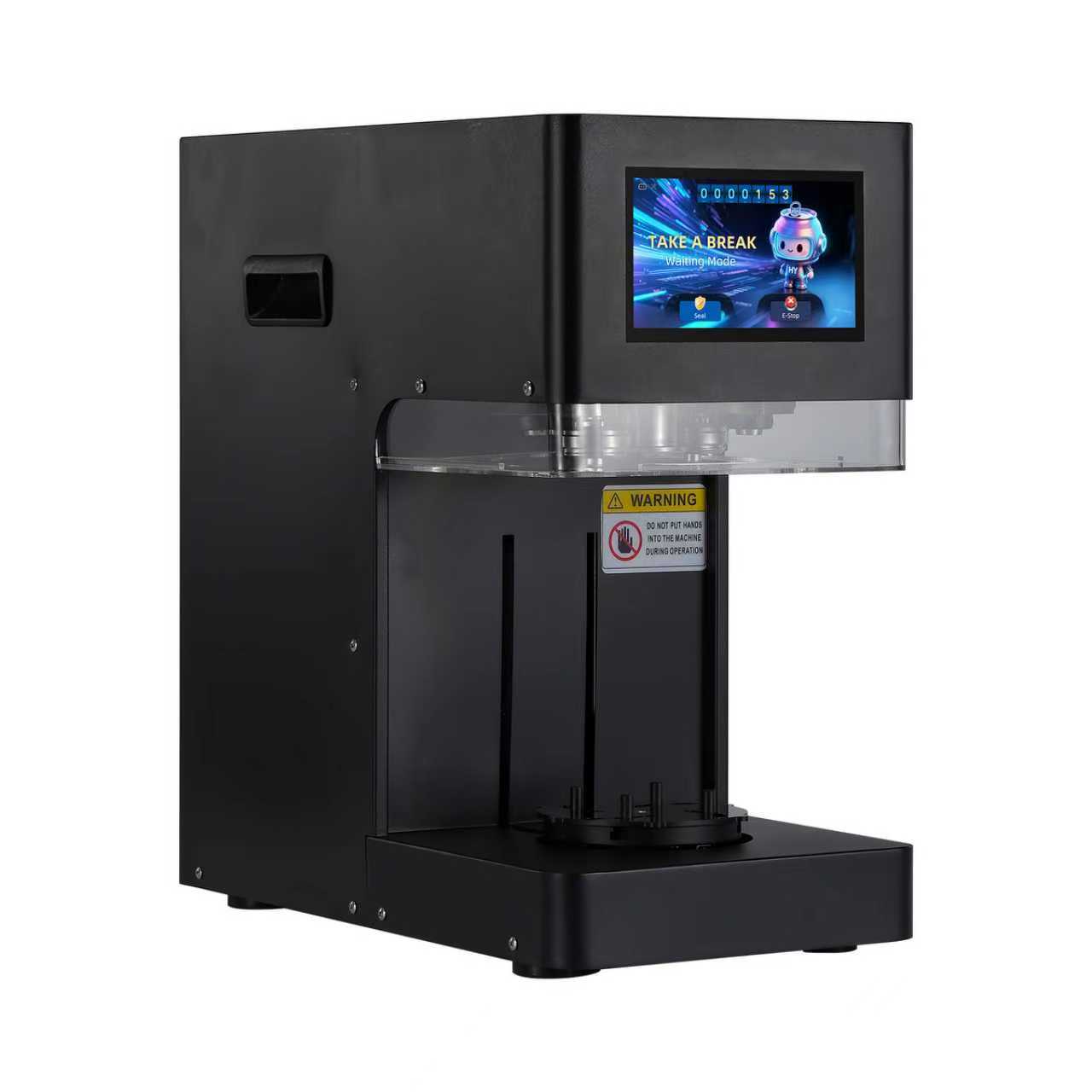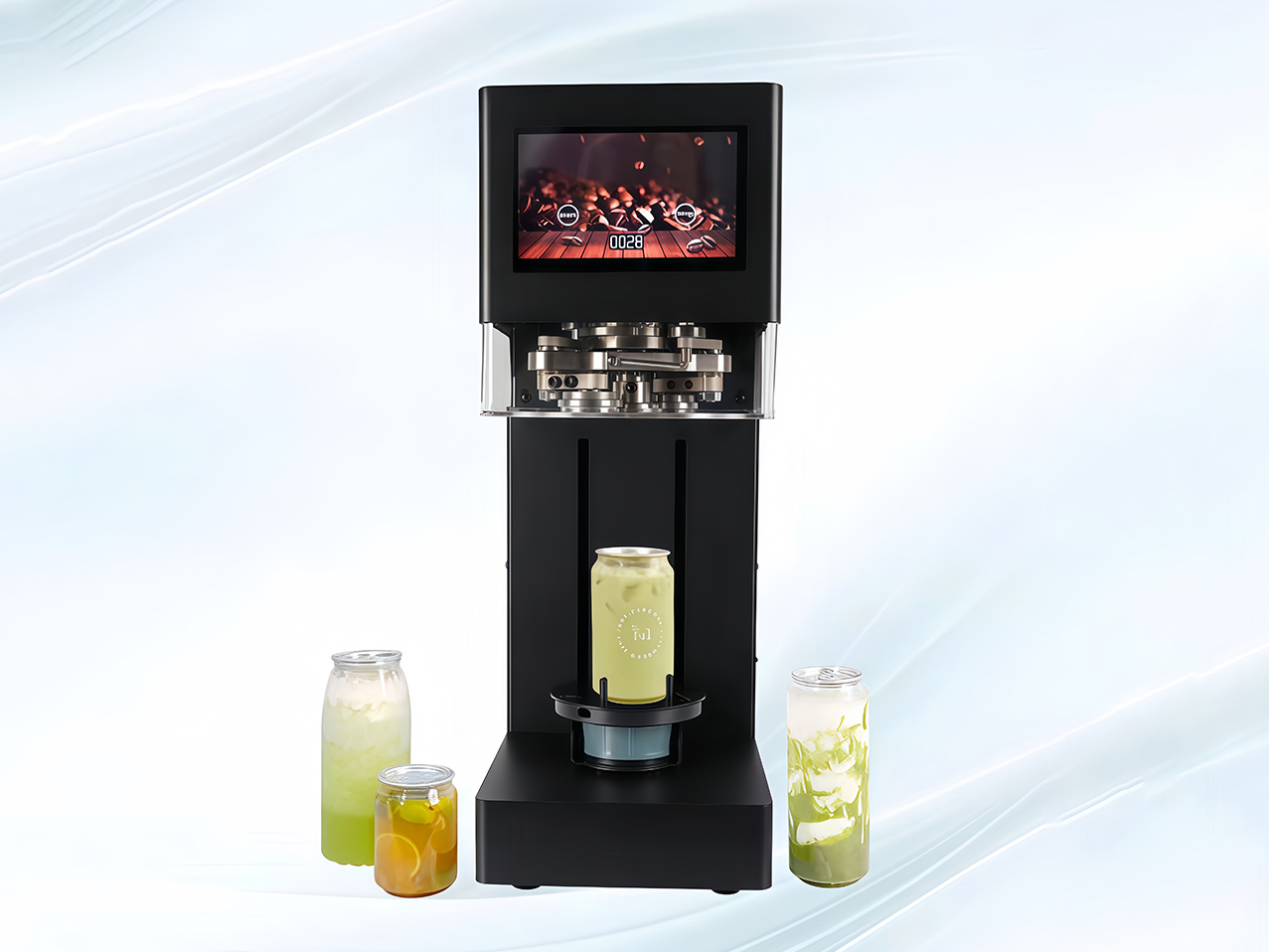
In the contemporary landscape of food and beverage packaging, the "Hand Can Seamer" has evolved from a simple manual tool into a sophisticated piece of precision engineering. For craft breweries, specialty cold brew coffee roasters, and boutique food manufacturers, the ability to ensure an airtight, leak-proof seal is the difference between brand success and product spoilage. This report explores the intersection of high-precision manufacturing and user-centric design in the custom can seamer industry.
Traditional manual seamers often suffered from inconsistent pressure and variable seam thickness. However, 21st-century hand can seamers now utilize calibrated mechanical advantages and high-hardness alloy steel rollers to deliver industrial-grade hermetic seals in a portable, manual format. This transition provides "Information Gain" to procurement managers: the realize that a hand seamer is no longer a "budget" compromise, but a strategic choice for small-batch quality control and localized production agility.
Utilizing micro-adjustable rollers that ensure a double-seam accuracy within ±0.01mm, critical for PET-to-Aluminum transitions.
Designed for high-throughput manual operation, reducing operator fatigue while maintaining sealing integrity across hundreds of units per day.
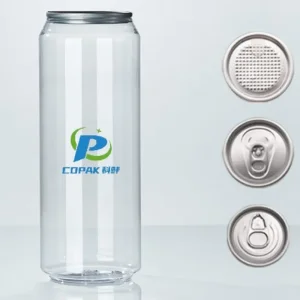
Advanced coatings on seaming heads allow for friction-free operation on both standard aluminum cans and modern PET transparent cans.
The roadmap for can seaming technology is shifting toward Hybrid Automation and Smart Monitoring. While the core "Hand Can Seamer" remains manual, we are integrating digital pressure sensors and LED-based seam verification systems into our custom builds. This "Smart-Manual" approach allows operators to receive haptic or visual feedback when a perfect seal is achieved, eliminating the guesswork associated with traditional mechanical seamers.
Looking toward 2030, the industry is prioritizing Sustainability & Circular Economy. Our R&D is focused on seamers that can handle ultra-thin gauge aluminum and bio-based polymers without causing structural deformation. This ensures that as packaging materials become more eco-friendly, your sealing equipment remains compatible and efficient.
Custom nitrogen-flush compatible seamers that preserve the delicate aromatic profiles of artisanal coffee and craft sodas.
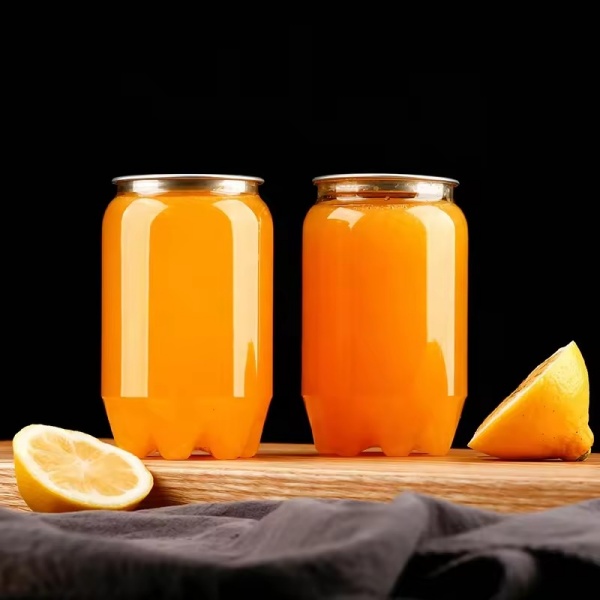
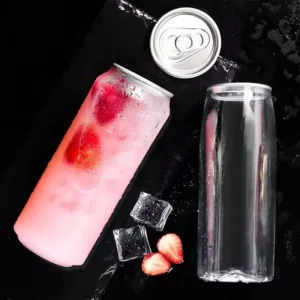
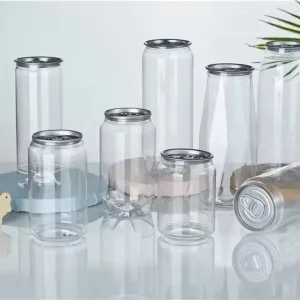
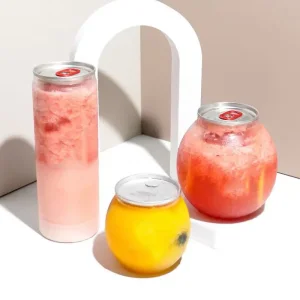
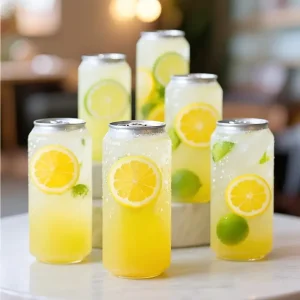
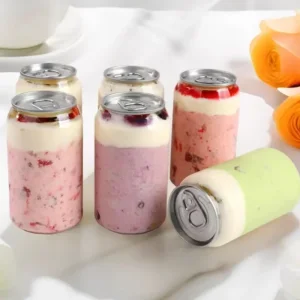
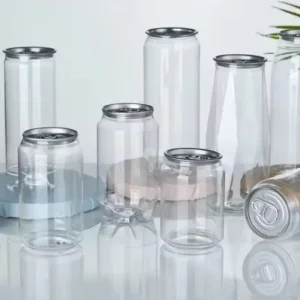
Counter-top solutions for PET clear cans, enabling "Ready-to-Eat" visibility with the security of a permanent aluminum seal.
Ideal for R&D labs testing new beverage formulations before committing to full-scale automatic production lines.

Established in 2021, Shanghai COPAK Industry Co., Ltd. maintains a strategic sales office in Shanghai and a state-of-the-art associated factory in Guangdong Province. As a premier provider of eco-friendly food and beverage packaging, we have mastered the synergy between high-quality containers and the machinery required to seal them.
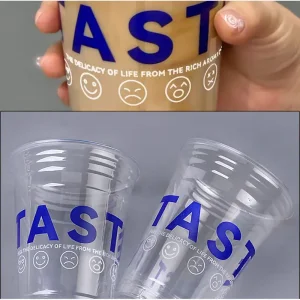
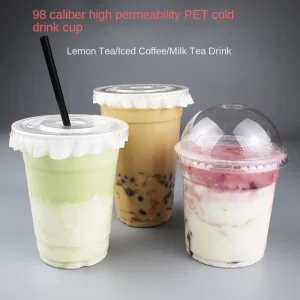
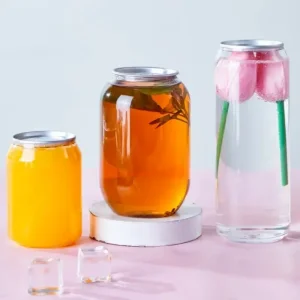
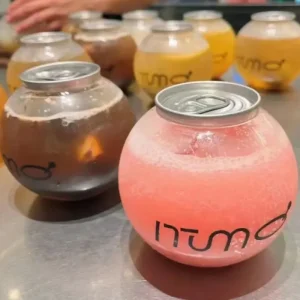
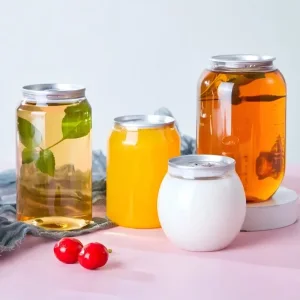
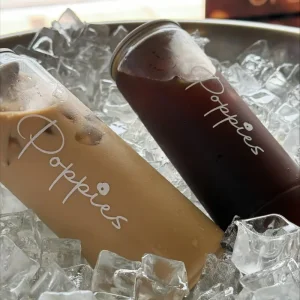
Our commitment to Innovation allows us to deliver PET cups, PET cans, and seaming machines that range from 1oz to 32oz capacities. Whether you require plain finishes or custom printed designs, COPAK serves as a long-term strategic partner, ensuring your packaging is as reliable as it is stylish.

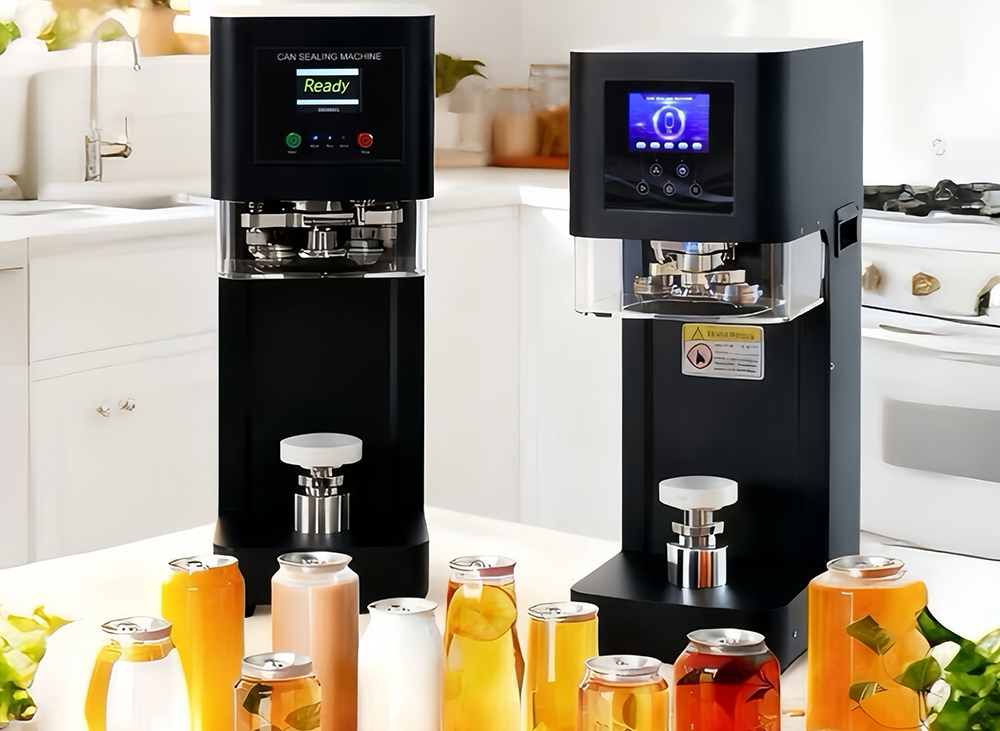
The "China Advantage" in 2024 is no longer just about cost; it is about Supply Chain Resilience and Deep Integration. Our Guangdong factory utilizes Industry 4.0 principles, where machine-part manufacturing is synchronized with packaging production. This vertical integration means that when we design a custom PET can, our seamer engineering team is simultaneously optimizing the roller profile to match that specific material's tensile strength.
For global enterprises, this means reduced lead times and "Plug-and-Play" reliability. We leverage China's advanced logistics hubs to provide DDP (Delivered Duty Paid) services to North America, Europe, and Southeast Asia, ensuring that your production schedule is never compromised by machinery downtime or component shortages.
All equipment and packaging materials meet FDA, CE, and ISO 9001 standards, ensuring full compliance for international food safety audits.
Strategic partnerships with local technicians in key markets provide on-site calibration, training, and rapid spare parts replacement.
One-stop sourcing for cans, lids, and seamers, significantly reducing the complexity of managing multiple international vendors.