1 / 3
Unlike traditional aluminum cans or glass bottles, PET (Polyethylene Terephthalate) cans offer a unique "hybrid" advantage for coffee, tea, juice, and soda brands.
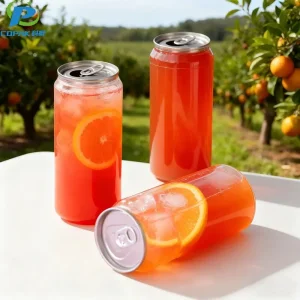
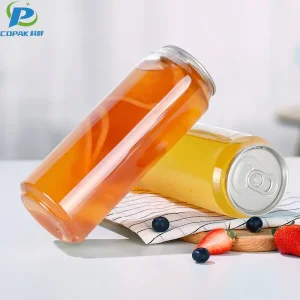
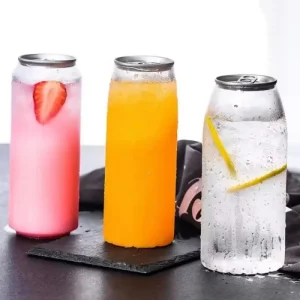
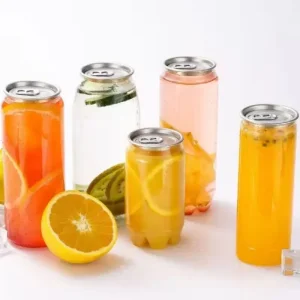
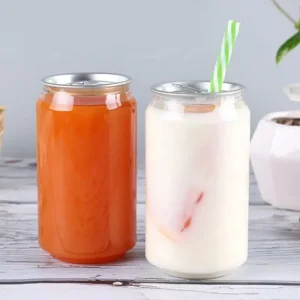
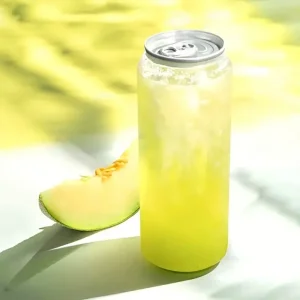
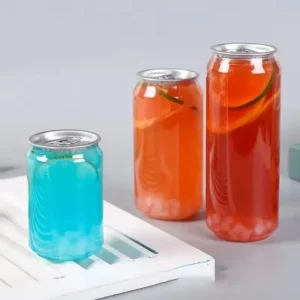
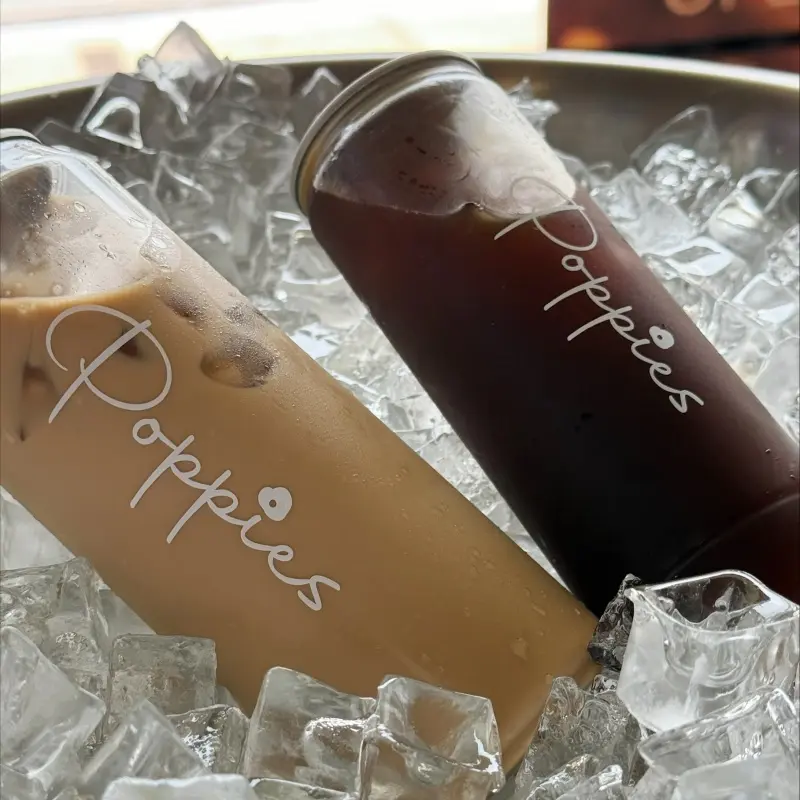
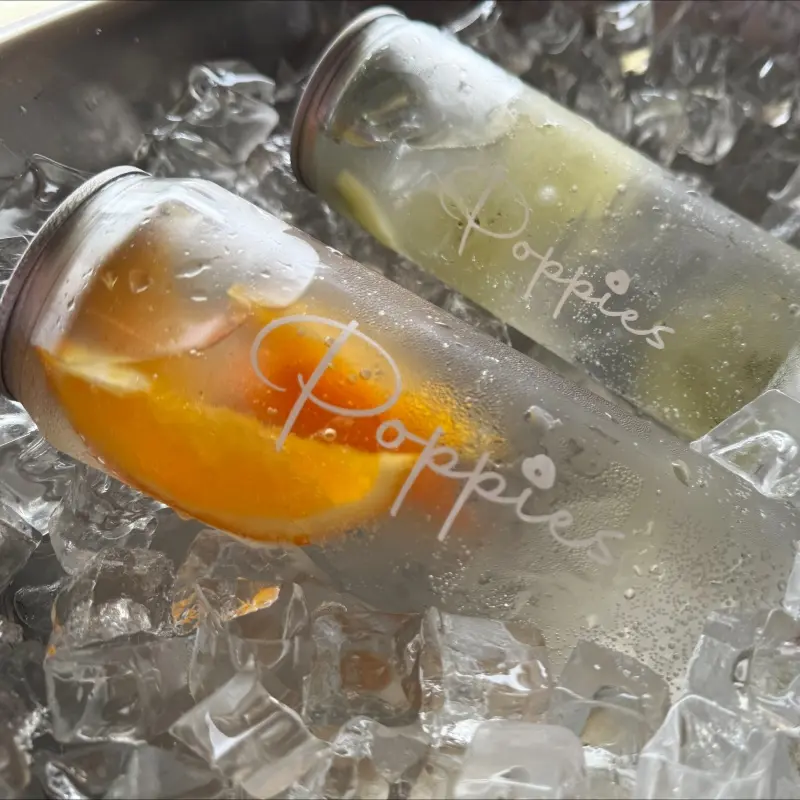
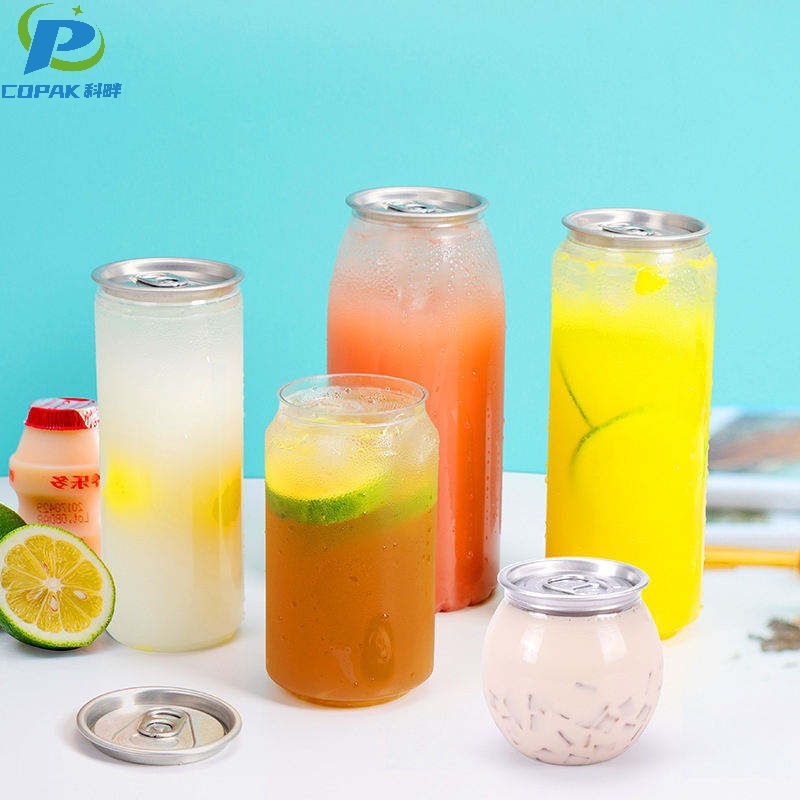
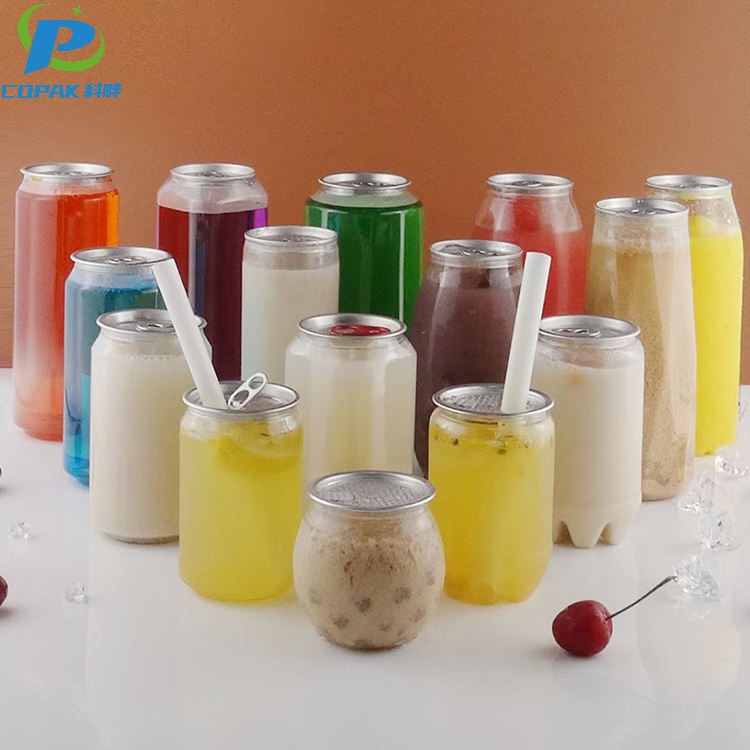
Transparency: The biggest selling point. Customers can see the color and texture of the drink (e.g., layers of milk and coffee, floating fruit pulp, or the rich color of cold brew). "Appetite appeal" drives sales.
Safety: They are shatterproof, unlike glass, making them safer for shipping and retail.
To make your product stand out on the shelf, you have three main areas for customization:
A. The Bottle Shape (Mold Design)
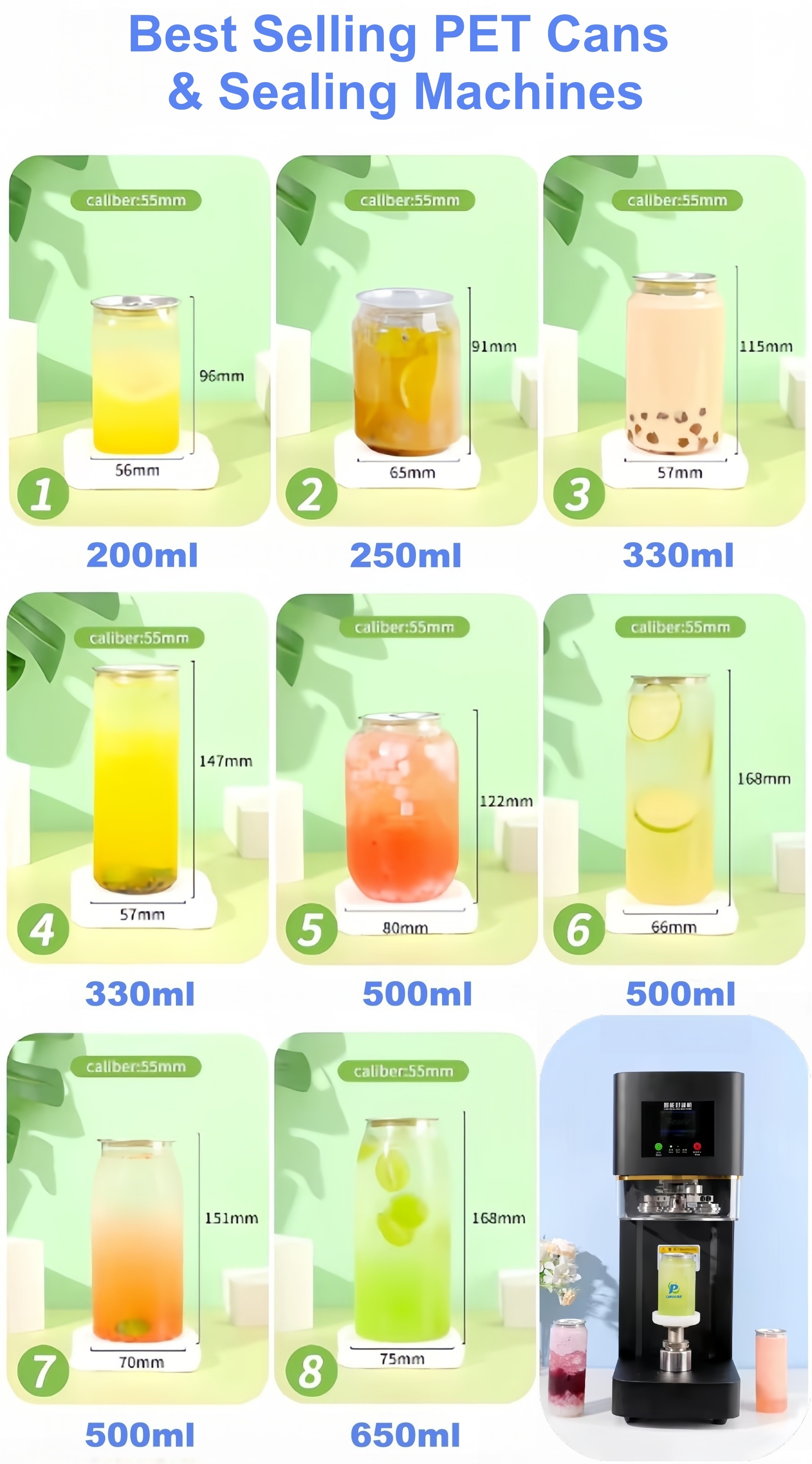
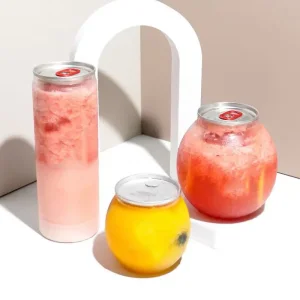
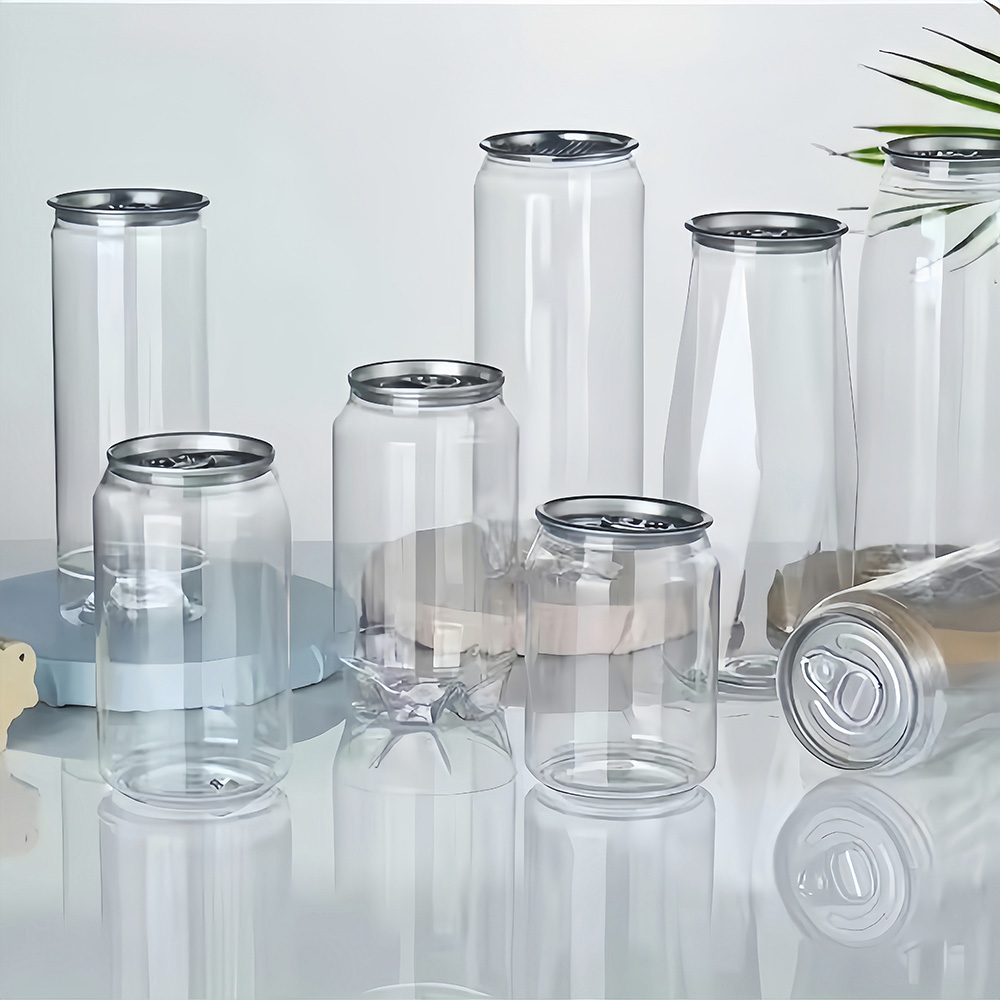
Stock Molds: The cheapest option. You choose from existing shapes (standard cylinder, "fat" can, slim bottle) and just add your label.
Custom Molds: You pay for a custom steel mold to create a unique silhouette. This could be a square shape, a textured grip, or an embossed logo directly on the plastic. High upfront cost, but huge brand differentiation.
B. Labeling Technologies
Shrink Sleeves: A 360-degree plastic sleeve that covers the entire can. This offers the maximum space for artwork and storytelling. It can also include a tamper-evident seal over the cap.
Direct Printing: New technology allows digital printing directly onto the PET surface, eliminating the need for a separate label. This is eco-friendly but currently more expensive.
C. The Cap (Closure)
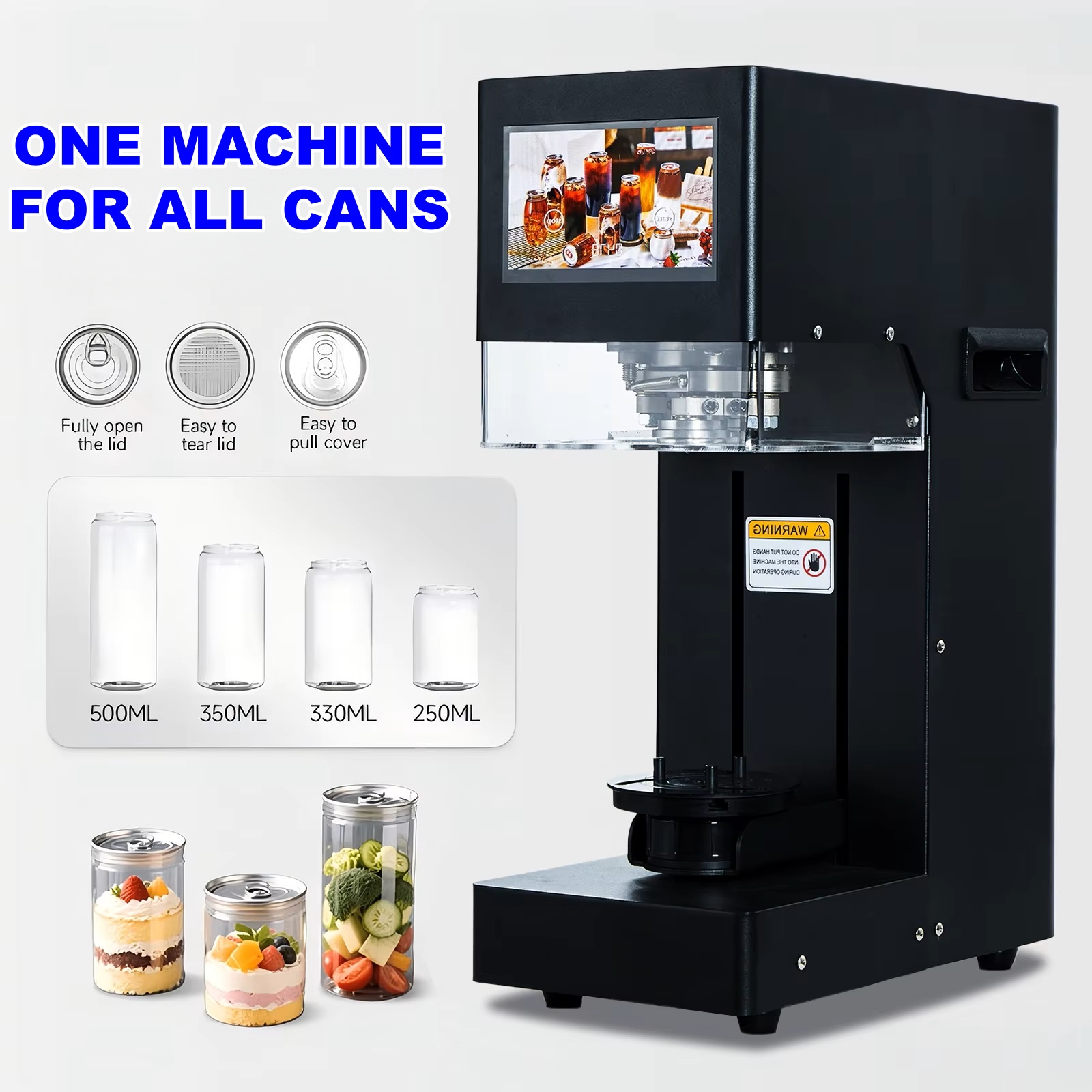
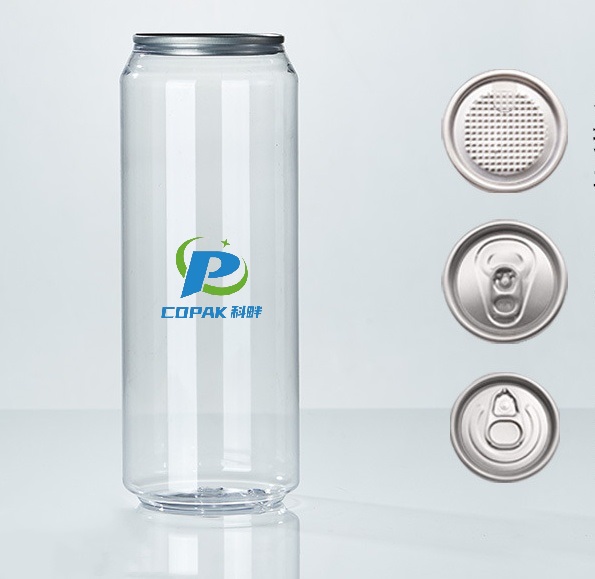
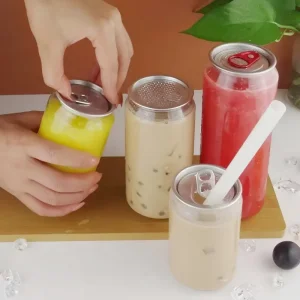
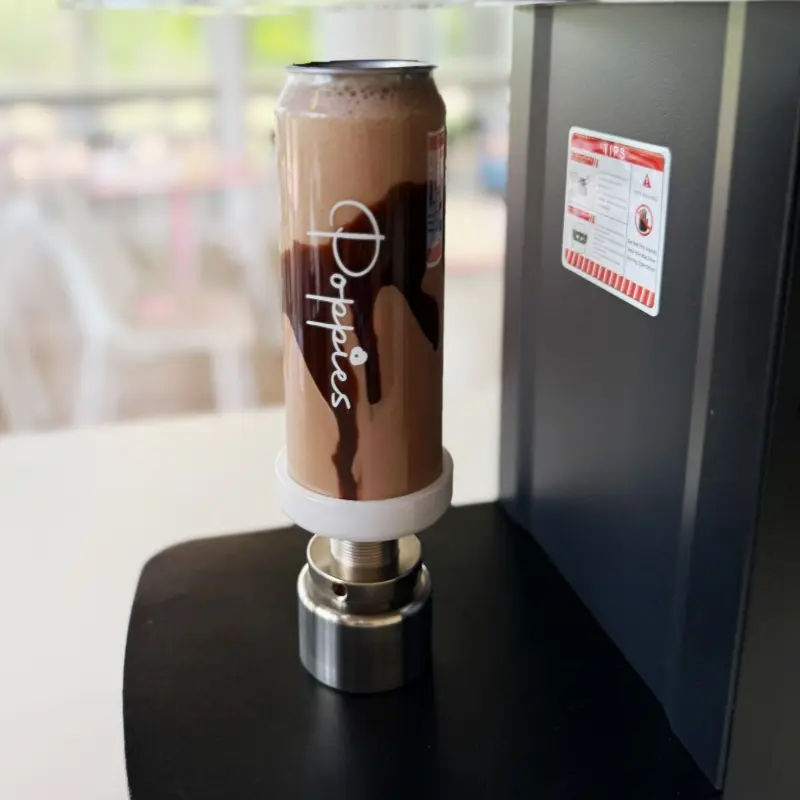
Aluminum Easy-Open End (EOE): Looks exactly like a soda can top. It gives a classic "snap and fizz" experience but is not resealable.
If you are launching a custom PET can product, you must consider the filling method, as regular plastic melts under heat.
Cold Fill / HPP (High-Pressure Processing): The drink is filled cold. To kill bacteria, the sealed can is subjected to massive water pressure (HPP). Standard PET cans work fine here. This method preserves the "fresh" taste best but is expensive.
Aseptic Filling: The bottle is sterilized separately, the liquid is sterilized separately, and they are joined in a sterile vacuum environment. Allows for shelf-stable milk/coffee products without preservatives.
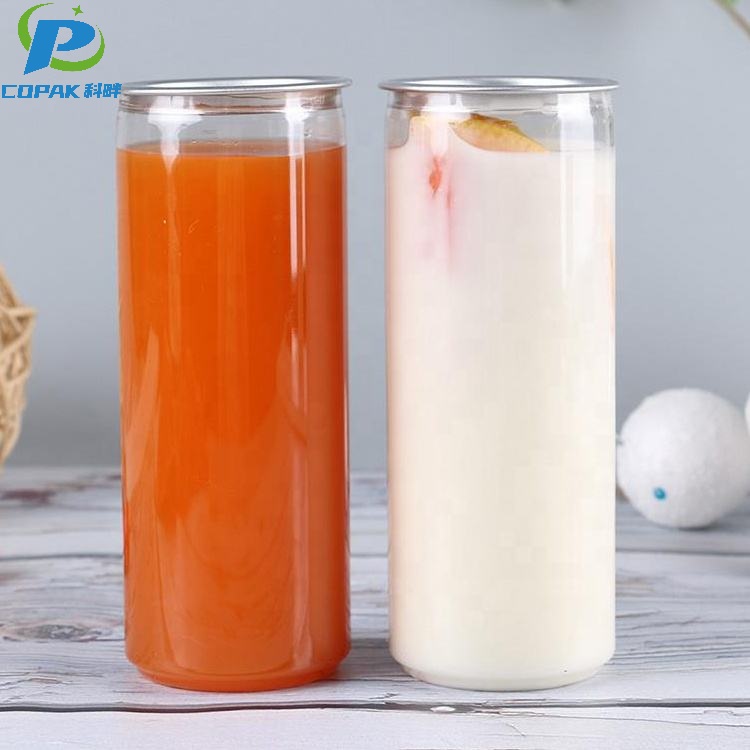
Digital Printing / Stock Cans: Some suppliers allow MOQs as low as 5,000 to 10,000 units.
Custom Mold / Shrink Sleeves: Industrial manufacturers often require 50,000 to 100,000 units per run to make the setup cost viable.