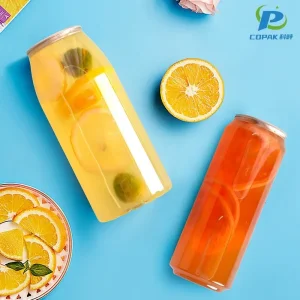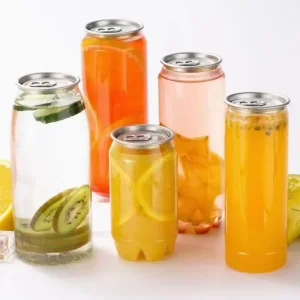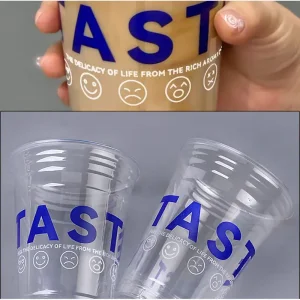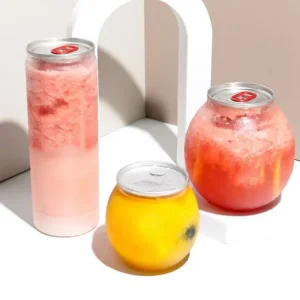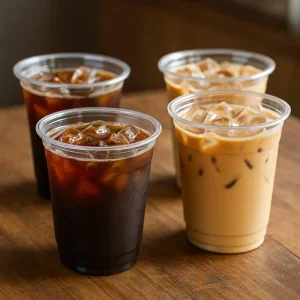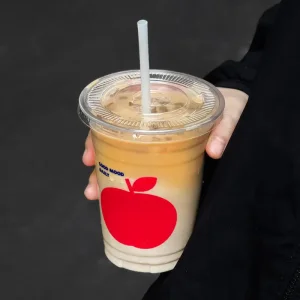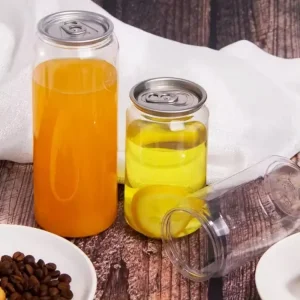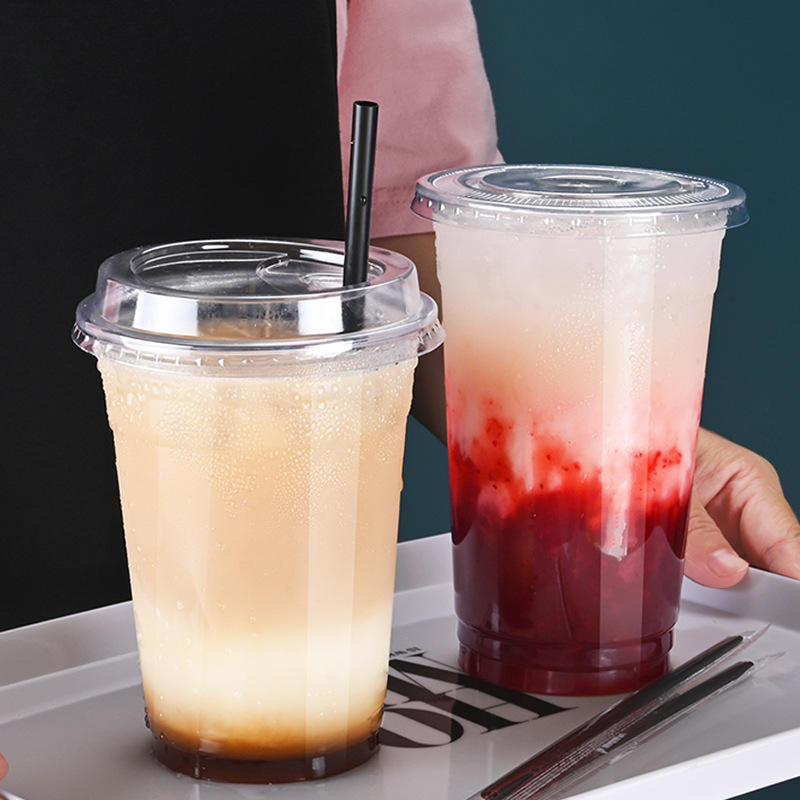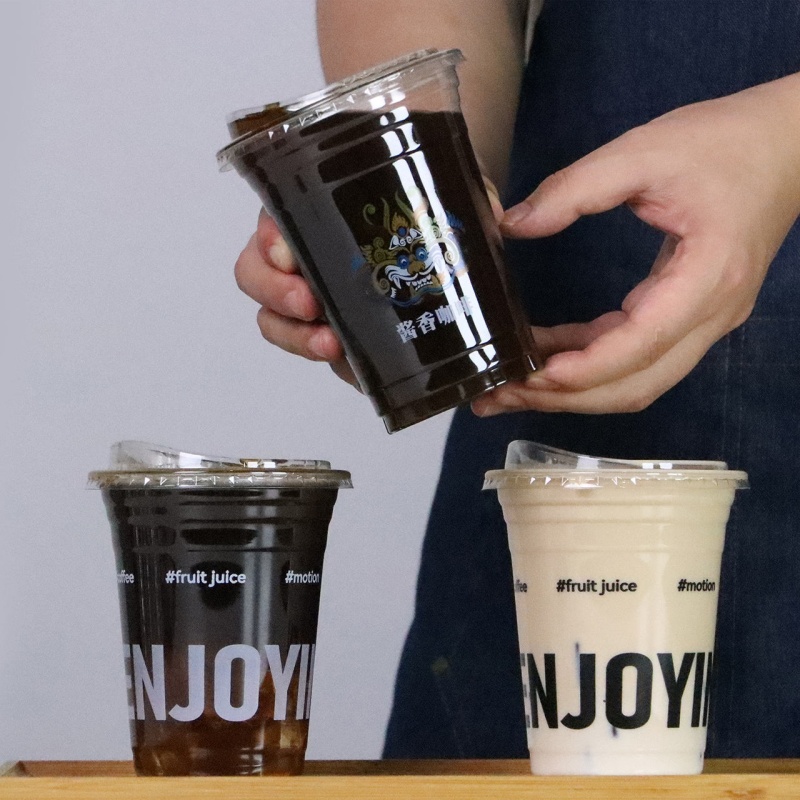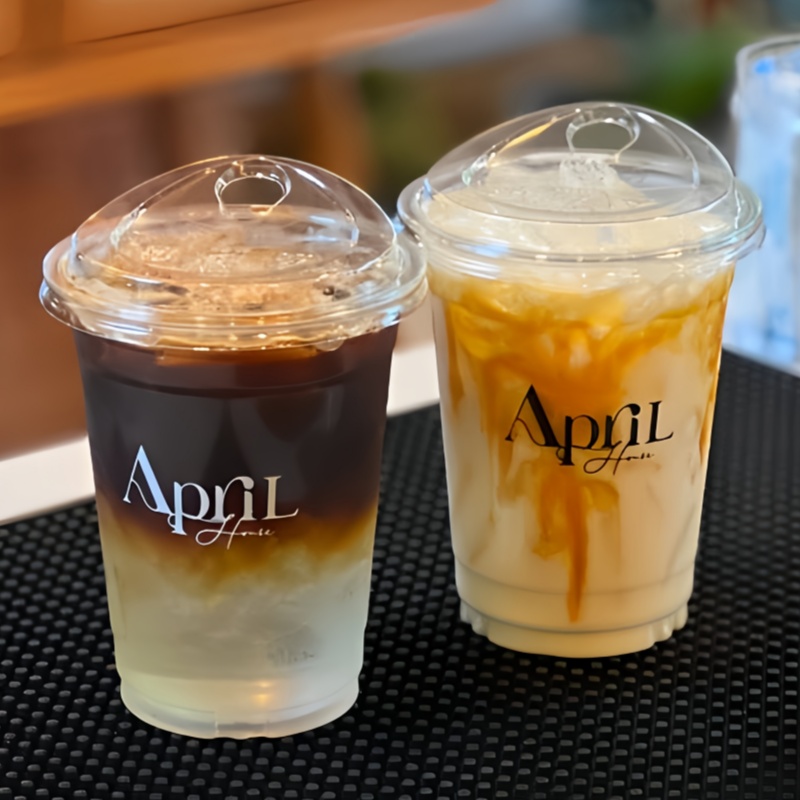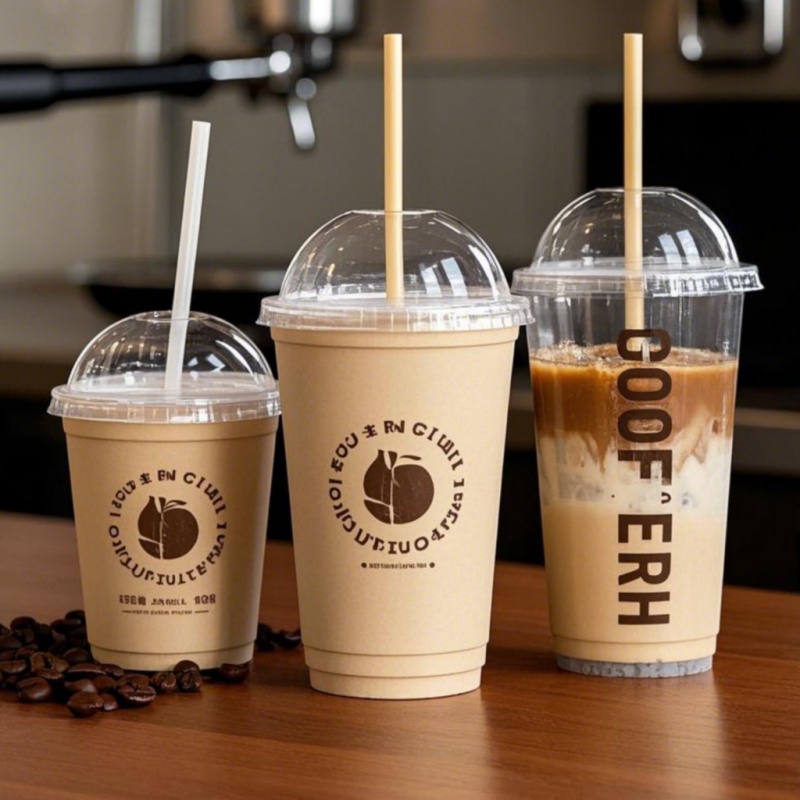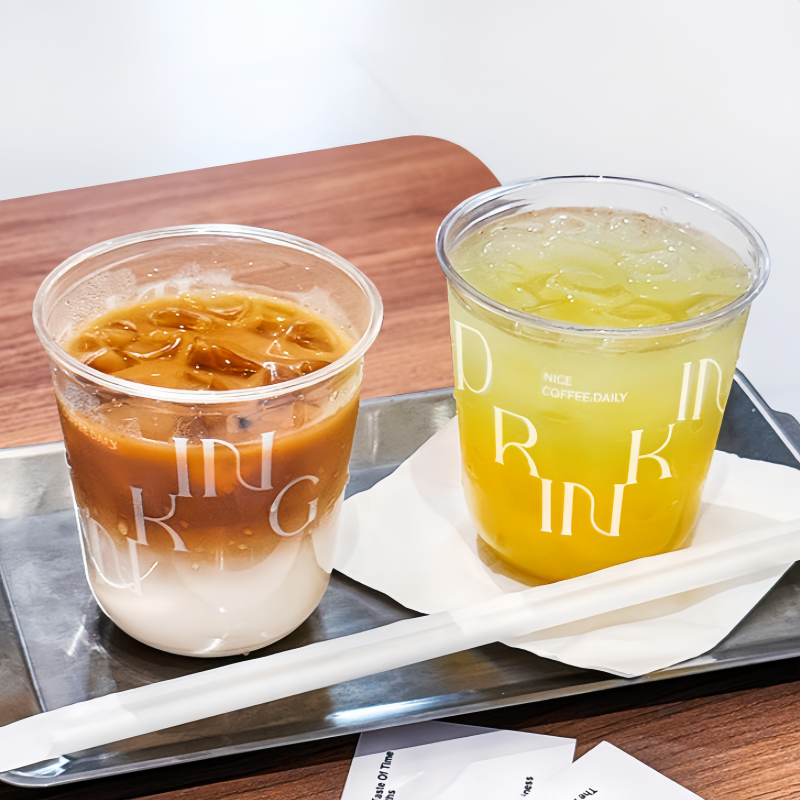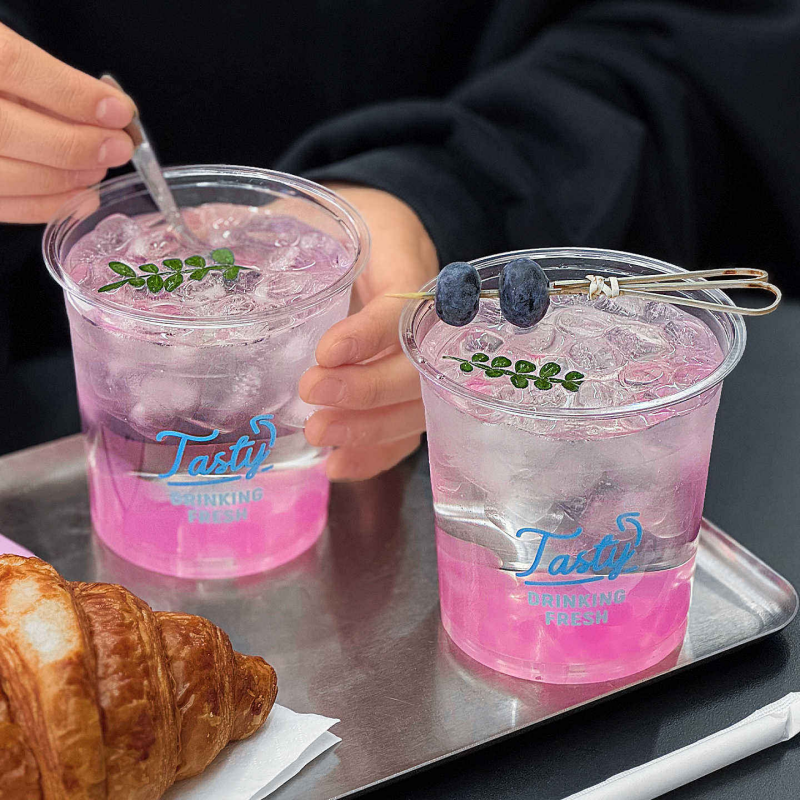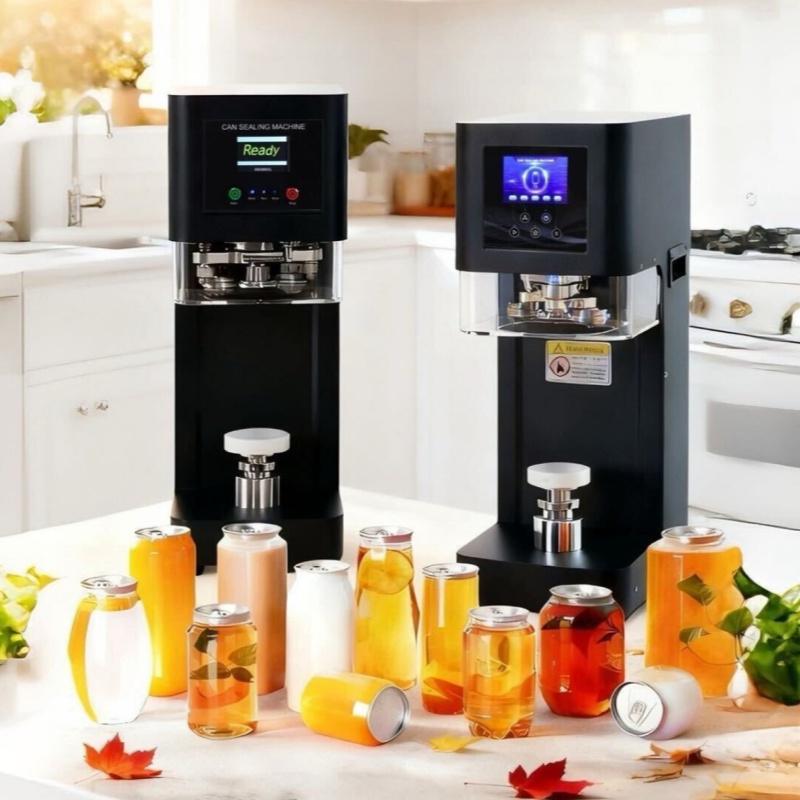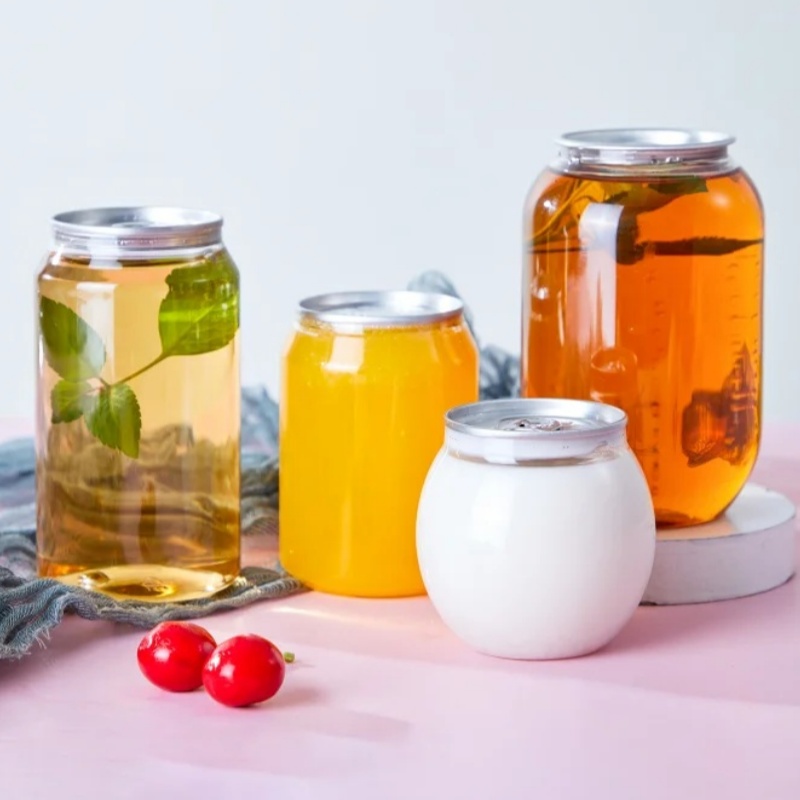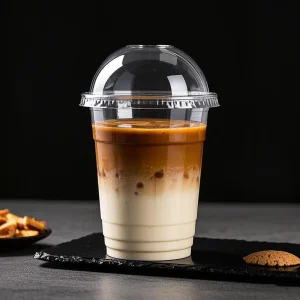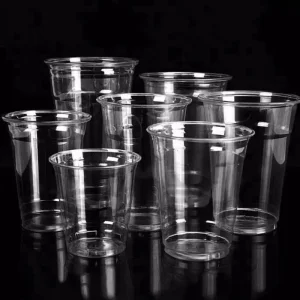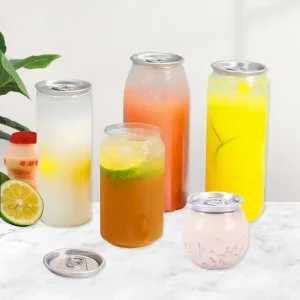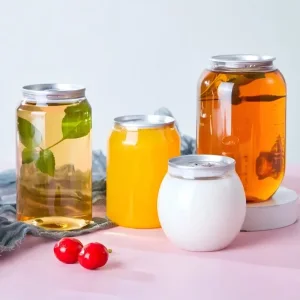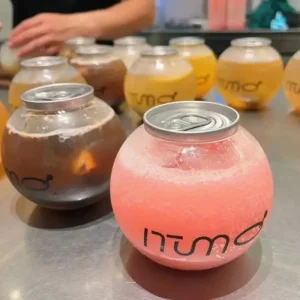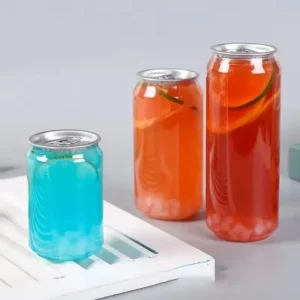
Discover our highly rated range of PET cans and cups optimized for high-performance sealing integrity and shelf preservation.
The global food and beverage market is witnessing an unprecedented transition from open-service vessels to sealed, grab-and-go configurations. Historically confined to large-scale industrial canning plants, can sealing technology has undergone a critical architectural decentralization. Today, small-to-medium enterprises (SMEs), micro-breweries, specialty cafes, cold-brew coffee roasters, and craft canning operations demand the same level of seam reliability as international bottling conglomerates, but within a compact, cost-efficient, and operational footstep.
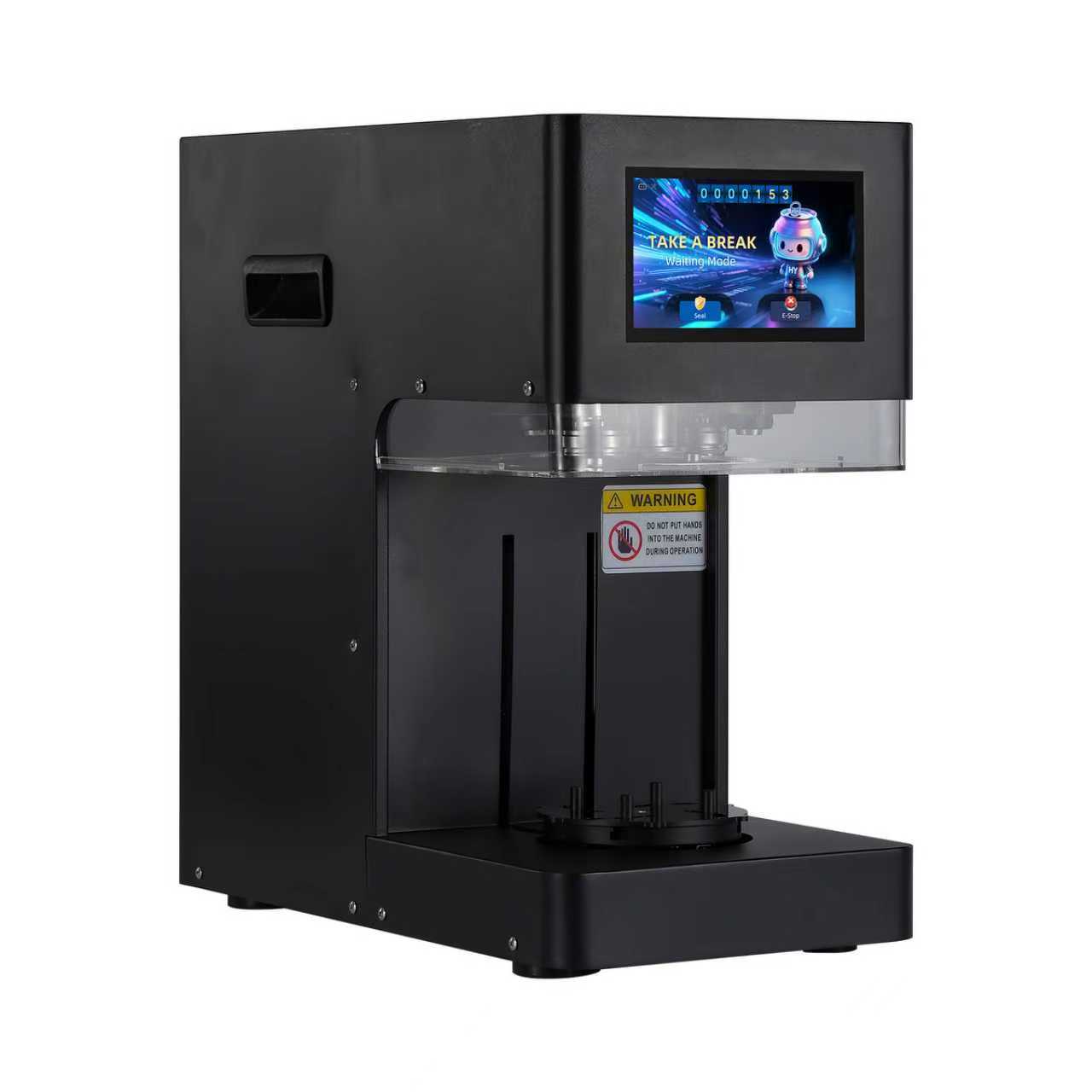
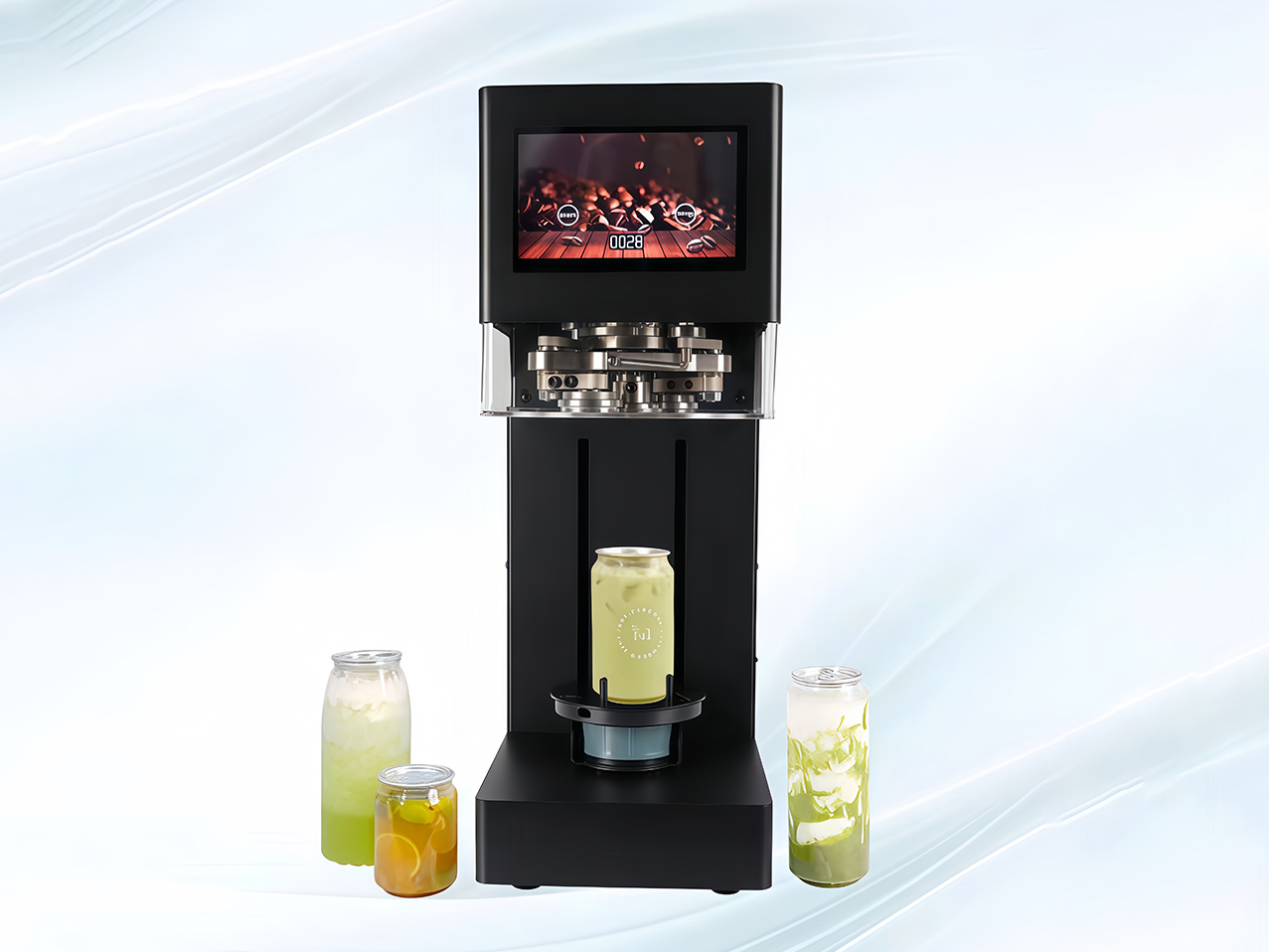
Manual tin and PET can sealing machines represent the backbone of this transformation. Serving as the primary gateway for regional businesses to enter the retail space, these machines provide an airtight, hermetically sealed container that protects the beverage or food item from external oxidation, microbial contamination, and visual degradation. By utilizing a physical double-seaming mechanical action, a manual can sealer folds the lid's curl and the can's flange together, compressing a liquid-tight compound into the seam to secure freshness.
Why are manual operations expanding despite the presence of fully automated lines? The answer lies in flexibility and startup economics. Industrial automated canning lines require significant capital expenditure, large space allocations, and lengthy changeover times when adjusting for different can heights or diameters. Manual and semi-manual sealers, however, can handle versatile production batches with virtually zero setup cost between formats, making them perfect for custom orders, limited-run seasonal craft batches, and prototype testing.
Established in 2021, Shanghai COPAK Industry Co., Ltd. maintains a sales office in Shanghai and an associated factory in Guangdong Province. As a professional supplier of eco-friendly food and beverage packaging solutions, our product portfolio includes PET cups, PET cans, and sealing machines, among other related items.
Committed to staying ahead of market trends through continuous innovation, COPAK delivers high-quality yet cost-effective packaging solutions. Our product range covers PET cups and cans in diverse shapes and capacities—from 1oz to 32oz—available in both plain finishes and custom printed designs. As a long-term strategic partner and trusted supplier, we dedicate ourselves to designing and manufacturing reliable, premium-quality, and stylish PET cups and cans for our clients.
COPAK strictly sources premium raw materials and implements rigorous testing procedures across all manufacturing stages. Our integrated sales-to-factory network ensures transparent communication, swift delivery times, and robust after-sales engineering support for manual can sealing systems.
Under the hood of a reliable manual tin can sealing machine lies meticulous physics and precise alignment. A failure of 0.05mm can break the hermetic seal, resulting in carbonation loss, spoilage, and brand damage.
The first roller establishes the initial contact, curling the lid's cover hook around the body hook of the can. This must be adjusted perfectly to prevent folds, wrinkles, or loose seams.
The second roller irons flat the interlocked hooks, compressing the sealing compound inside the lid. This flatting process ensures zero microscopic leakage paths for oxygen ingress.
Engineered to handle both rigid aluminum ends on PET cans and traditional tinplate containers. Simple micro-metric chuck adjustments allow operators to transition materials instantly.
Having supplied PET cup and PET cans to numerous renowned brands, our products are now distributed globally.

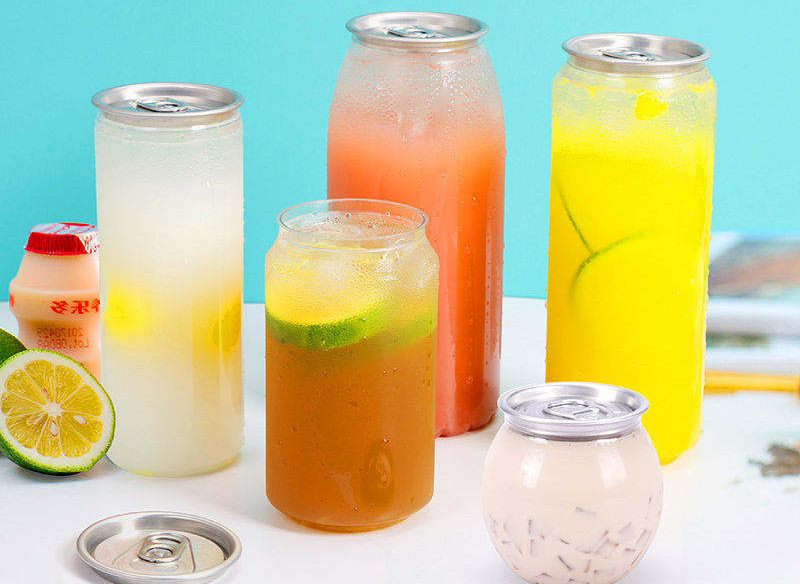
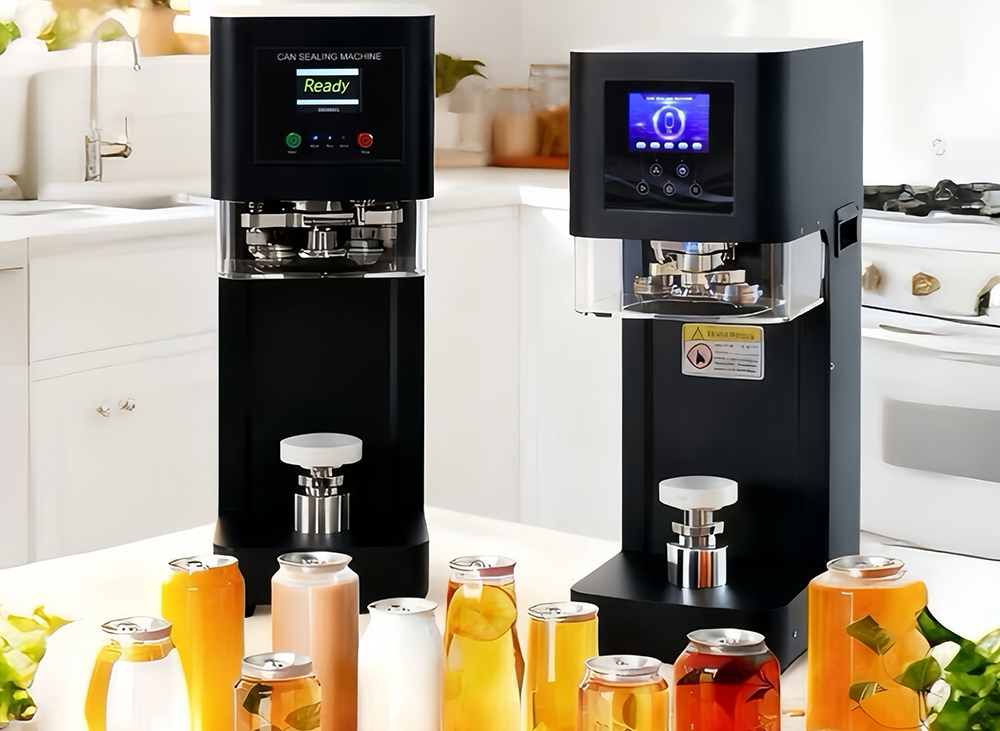
We provide customers with green Eco-friendly high-quality products.
Deploying sealing machinery requires meticulous awareness of local sanitary codes, environmental parameters, and energy supply standards. COPAK's engineering divisions develop and pre-calibrate manual can sealers to match localized expectations worldwide.
Every component in our manual tin can sealing machines that comes into direct or indirect contact with the container or food is strictly certified. Using SUS304 food-grade stainless steel for rollers and chucks prevents carbon corrosion and ensures compliance with the US FDA and EU Regulation (EC) No 1935/2004. This guarantees that your canning operations maintain the highest levels of safety and hygiene, essential for both raw food products and sensitive beverages like pasteurized juices and milk teas.
Industrial components must operate flawlessly out-of-the-box. We configure our electric-assisted manual sealing units with 110V/60Hz configurations for North America, 220V/50Hz for European and Asian networks, and customized UK/AU plugs to facilitate seamless localized installation without the need for unsafe transformer accessories.
We integrate research, development, manufacturing, and sales together.
Get direct, authoritative answers regarding the calibration, purchase, and operation of manual can sealing machines.
Airtightness is secured through a precise mechanical double-seaming structure. During rotation, the first seaming roller shapes the interlocking hook between the lid and the can body. The second seaming roller then exerts high pressure to compress this interlocked hook, flattening it so that the internal liquid/gas compound flows and fills any micro-voids, ensuring an airtight, hermetically sealed container.
Yes, our manual sealing machines feature a height-adjustable base stage. By turning the adjusting nut or collar, the distance between the seaming head chuck and the lifter plate can be tailored to match the height of your specific can format (ranging from small 1oz tins up to 32oz tall PET cans).
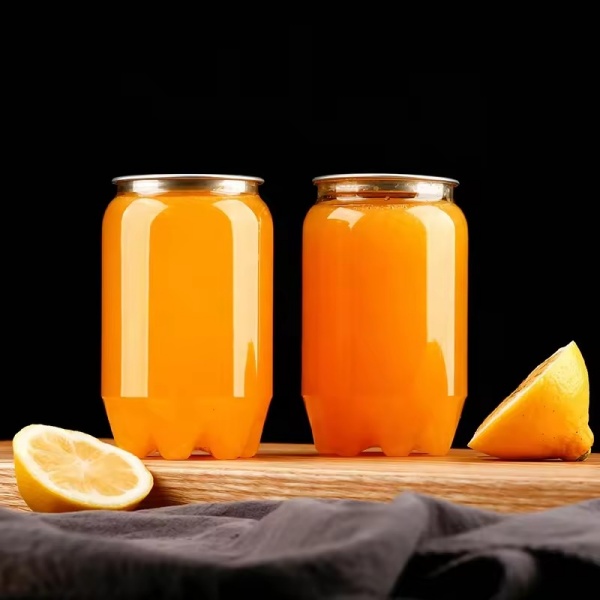
COPAK's sealing machines are highly versatile. They can reliably seal classic tinplate cans, lightweight aluminum beverage cans, and clear PET plastic cans equipped with aluminum pop-top or ring-pull lids. Adjustments to the seaming roller pressure will ensure perfect seaming results across various material stiffness levels.
Regular maintenance is straightforward but vital: keep the seaming rollers and chuck clean from liquid residue to prevent corrosion, and apply food-safe lubricants to the rotational bearings and guide rails daily or weekly depending on production volume. Regularly inspect the rollers for wear to maintain double-seam tolerance levels.
Browse through our expanded collection of high-quality PET cups, lids, and customized plastic cans compatible with manual and smart automatic sealing solutions.