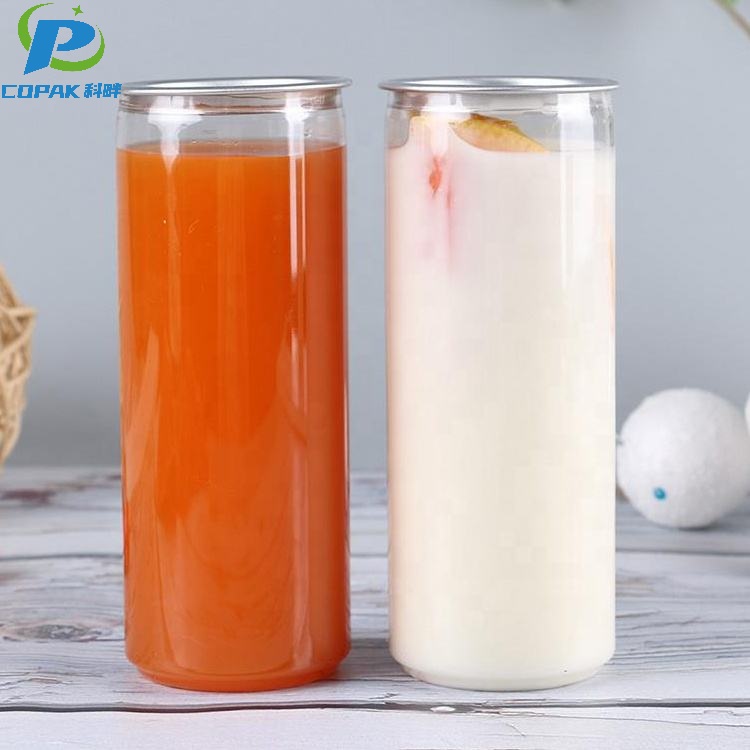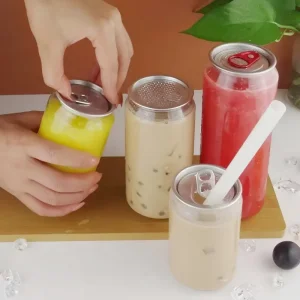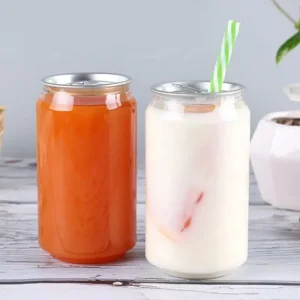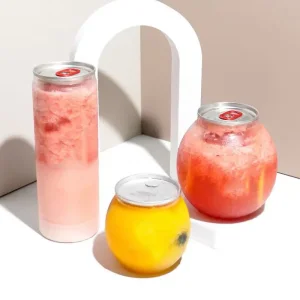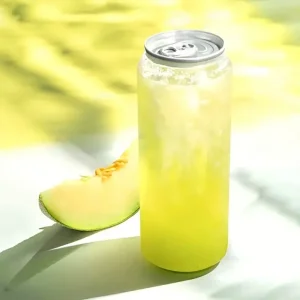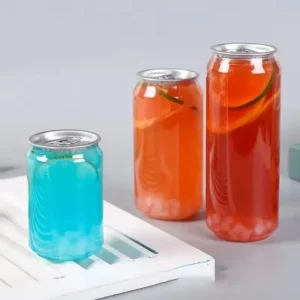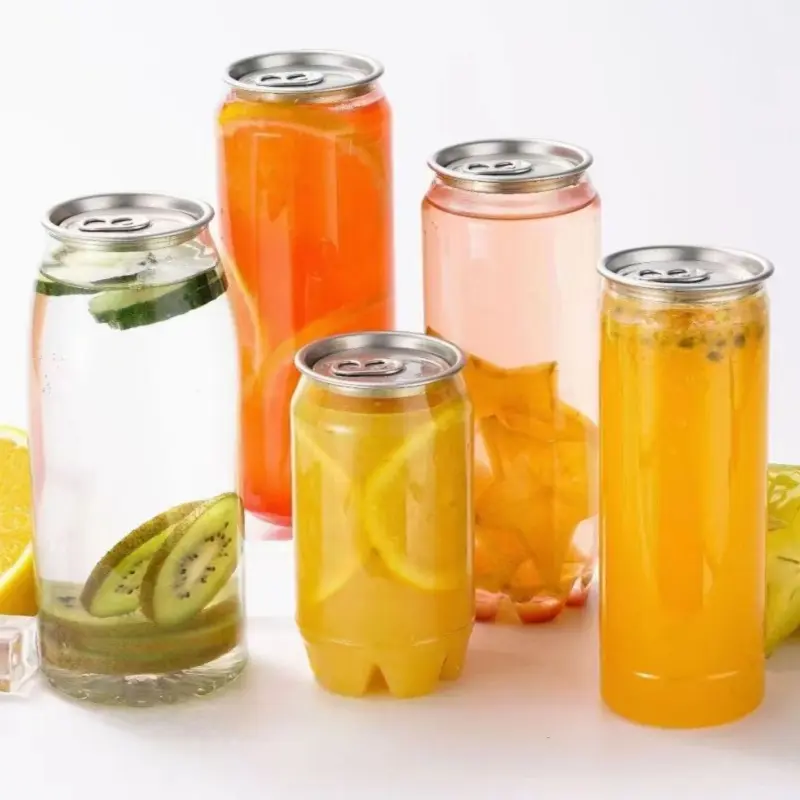
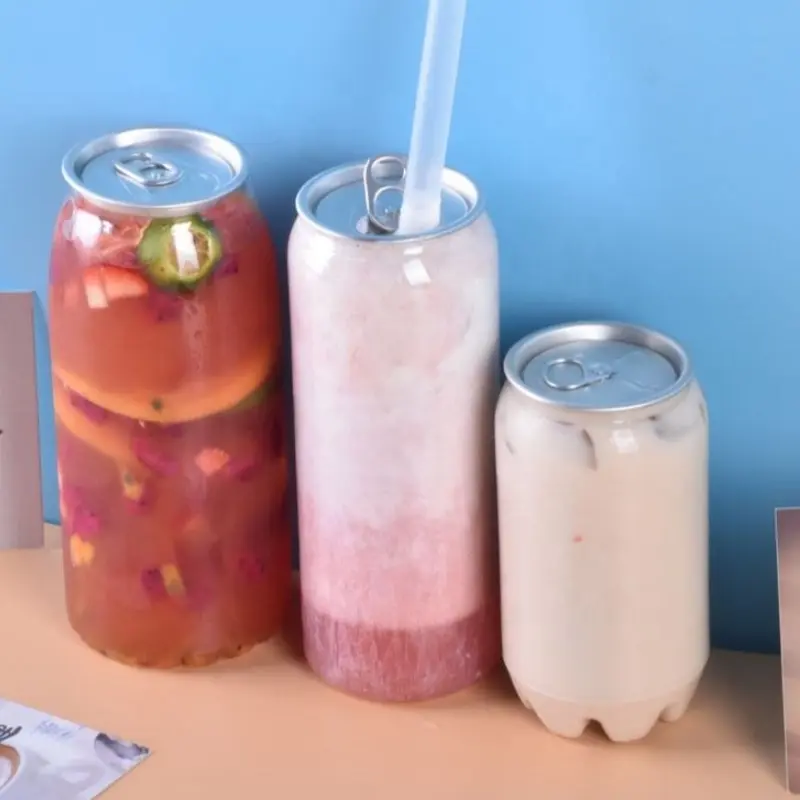
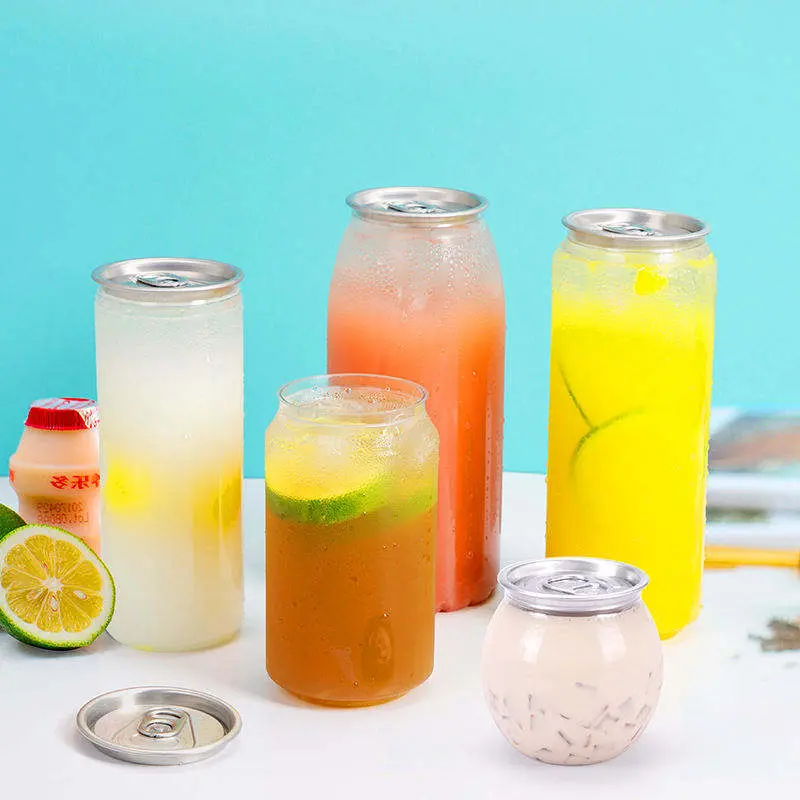

High-Quality Plastic cans with aluminum pop top lids Manufacturer, Service

Item

PET Cans

Material

PET

Color

Clear Transparent

Industrial Use

Food & Beverage Packaging(carbonated drinks, fruit juice, iced coffee, energy drinks, soda, smoothies, desserts)

Main Features

Superior Transparency & Visual Appeal, Lightweight & Easy to Handle, Custom Design

Sizes

150ml, 180ml, 200ml, 210ml, 250ml, 300ml, 330ml, 350ml, 360ml, 400ml, 420ml, 500ml, 550ml, 600ml, 650ml, 700ml, 900ml, 1000ml and custom sizes

Samples

Free samples upon request

Custom Design

Accepted

Packaging Details

200pcs /carton

Delivery time

15-20 days

Product Description

Product Video

Why You Should Never Hot-Fill Standard PET Cans

Standard clear PET cans offer incredible versatility for various packaging needs. They are perfect for cold brew coffee, craft beer, sparkling sodas, and chilled juices. However, there is one specific application where standard PET cans are not suitable: Hot Filling.

If you are producing pasteurized juices, teas, or syrups that need to be bottled at high temperatures (typically above 85°C / 185°F), standard PET cans are not the right choice. Here is the science behind why.

The Glass Transition Temperature (Tg)

The primary reason lies in the chemical structure of Polyethylene Terephthalate (PET). Every plastic has a "Glass Transition Temperature" (Tg). This is the point where the polymer chains begin to move freely, transitioning the material from a rigid, glass-like state to a soft, rubbery state.

For standard PET, this transition temperature is approximately 65°C to 70°C (149°F - 158°F).
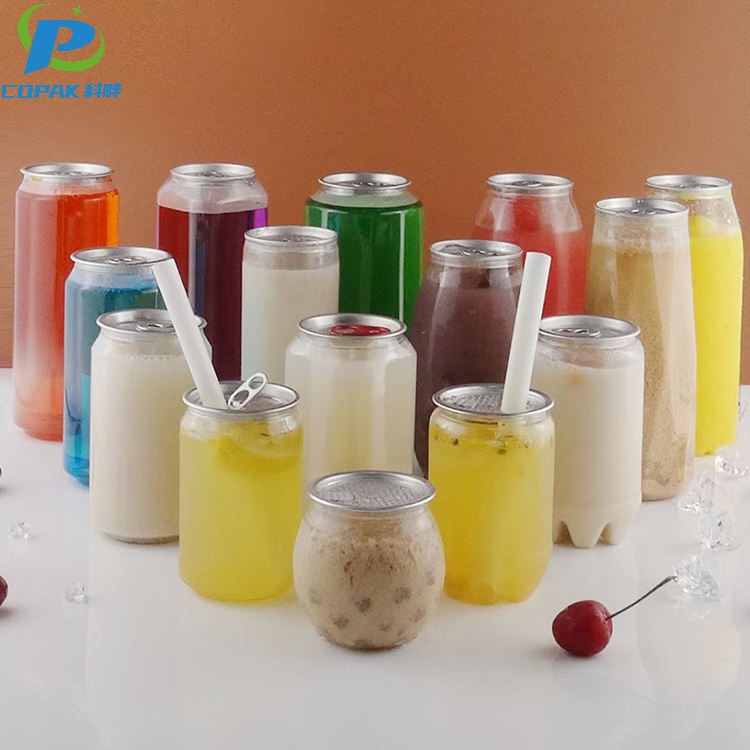
PET structural analysis
PET material testing

What Happens During Hot Filling?

Most hot-fill processes require liquid temperatures between 85°C and 92°C. If you pour liquid this hot into a standard PET can, two major failures occur:

1. Immediate Deformation: The heat exceeds the Tg of the plastic. The can will immediately lose its structural integrity, shrinking and warping into an unrecognizable shape.

2. Vacuum Collapse: As the hot liquid cools down inside the sealed can, the liquid volume shrinks. This creates an internal vacuum. Without special vacuum-absorbing panels, the PET can will be crushed inward by atmospheric pressure.
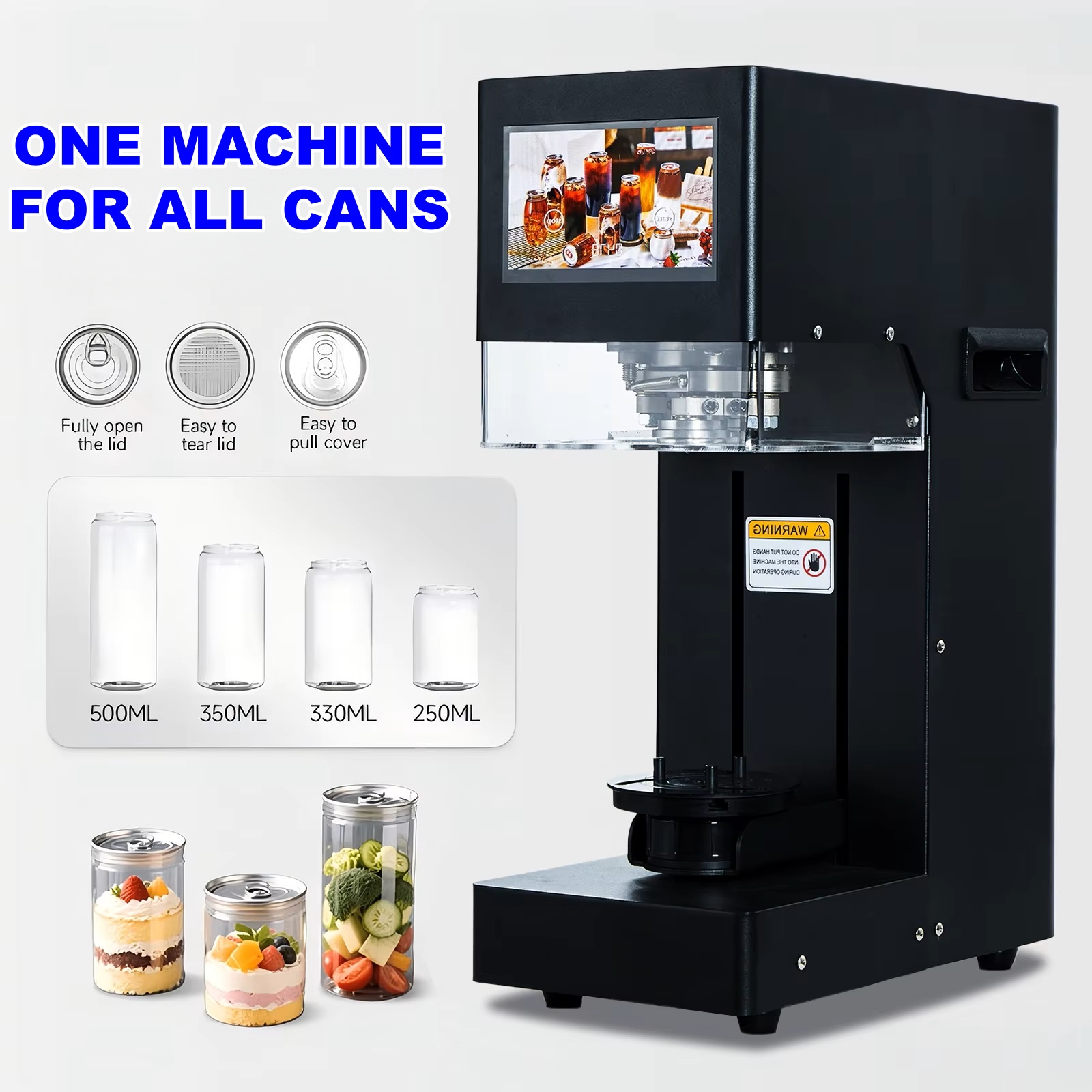
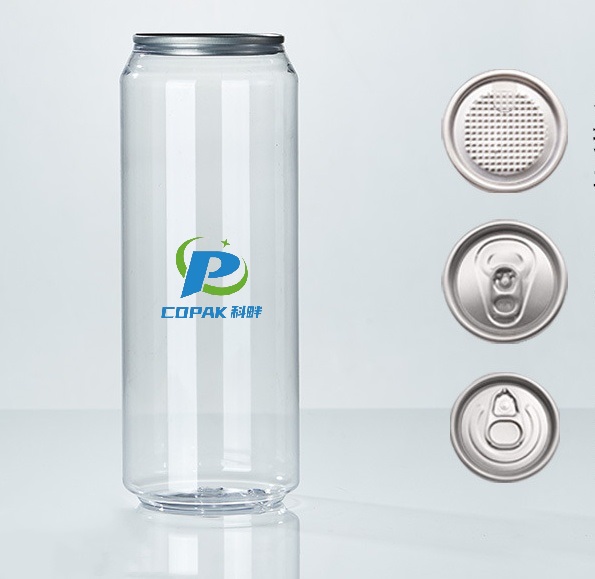
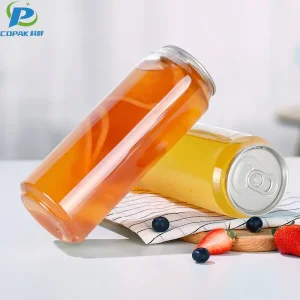
PET soda can with easy open lid
Clear PET can display

The "Cold Fill" Advantage

Standard PET cans are specifically designed for Cold Fill or Ambient Fill (room temperature) processes (below 60°C). This makes them ideal for:

  • Fresh-pressed juices (HPP processed)
  • Carbonated beverages
  • Cold brew coffee and tea
  • Alcoholic beverages
  • Dry snacks and confectionery

Is There a Solution for Hot Drinks?

If your production line relies strictly on hot filling for sterilization, you would typically need alternative packaging options:
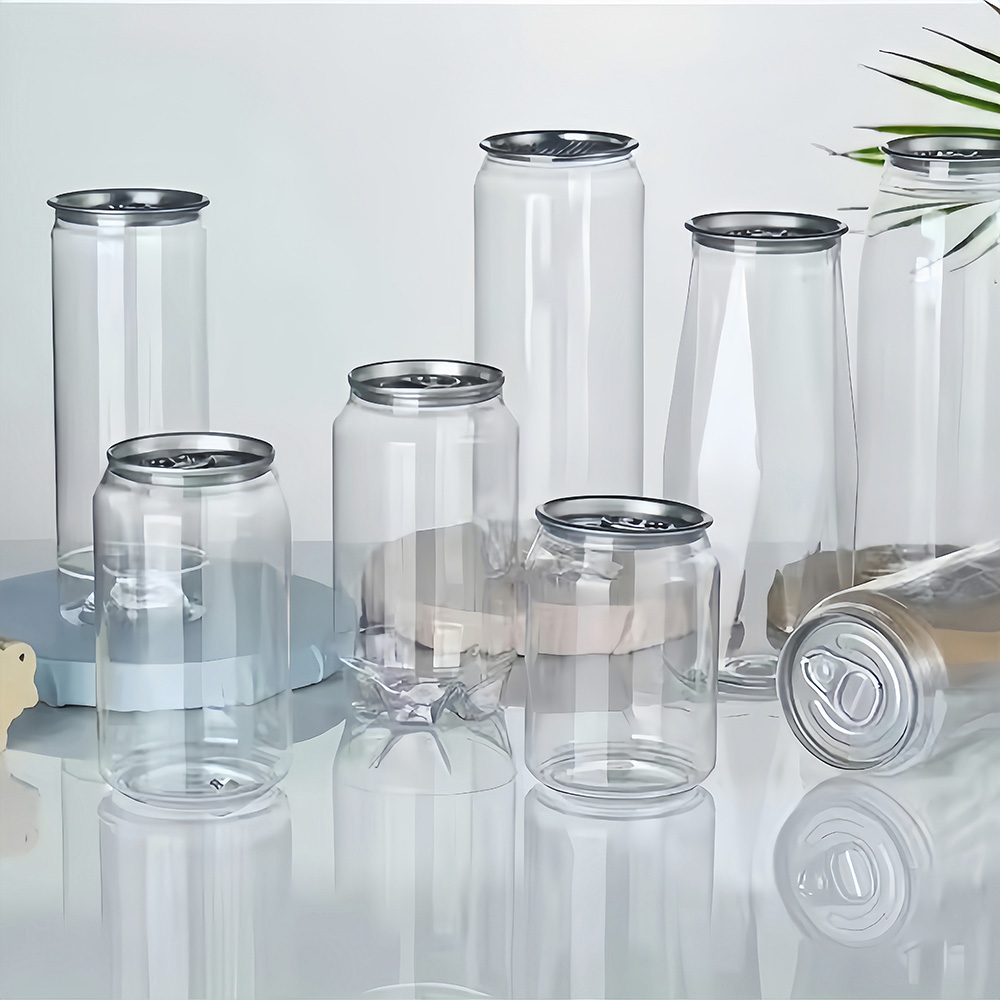
  • Heat-Set PET Bottles: Manufactured with thicker walls and vacuum panels to withstand heat.
  • Aluminum Cans: Capable of withstanding high temperatures, though they require specialized safety handling.
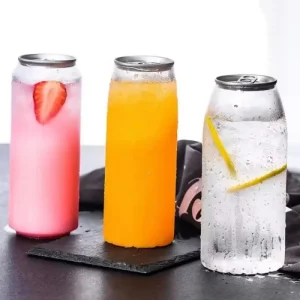
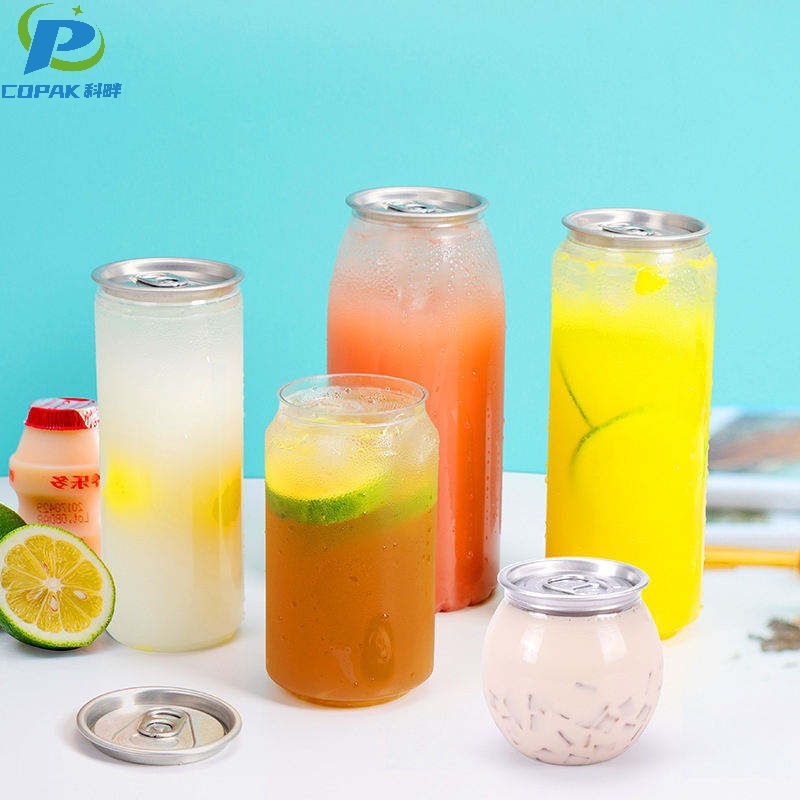
Custom design PET soda cans
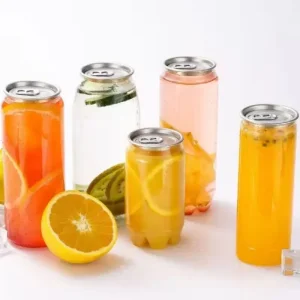
Custom PET can for desserts

Conclusion

To ensure your product looks premium and professional, always fill standard PET cans at temperatures below 60°C (140°F). By sticking to cold or ambient filling, you preserve the crystal-clear transparency and perfect cylindrical shape that makes your product stand out on the shelf.
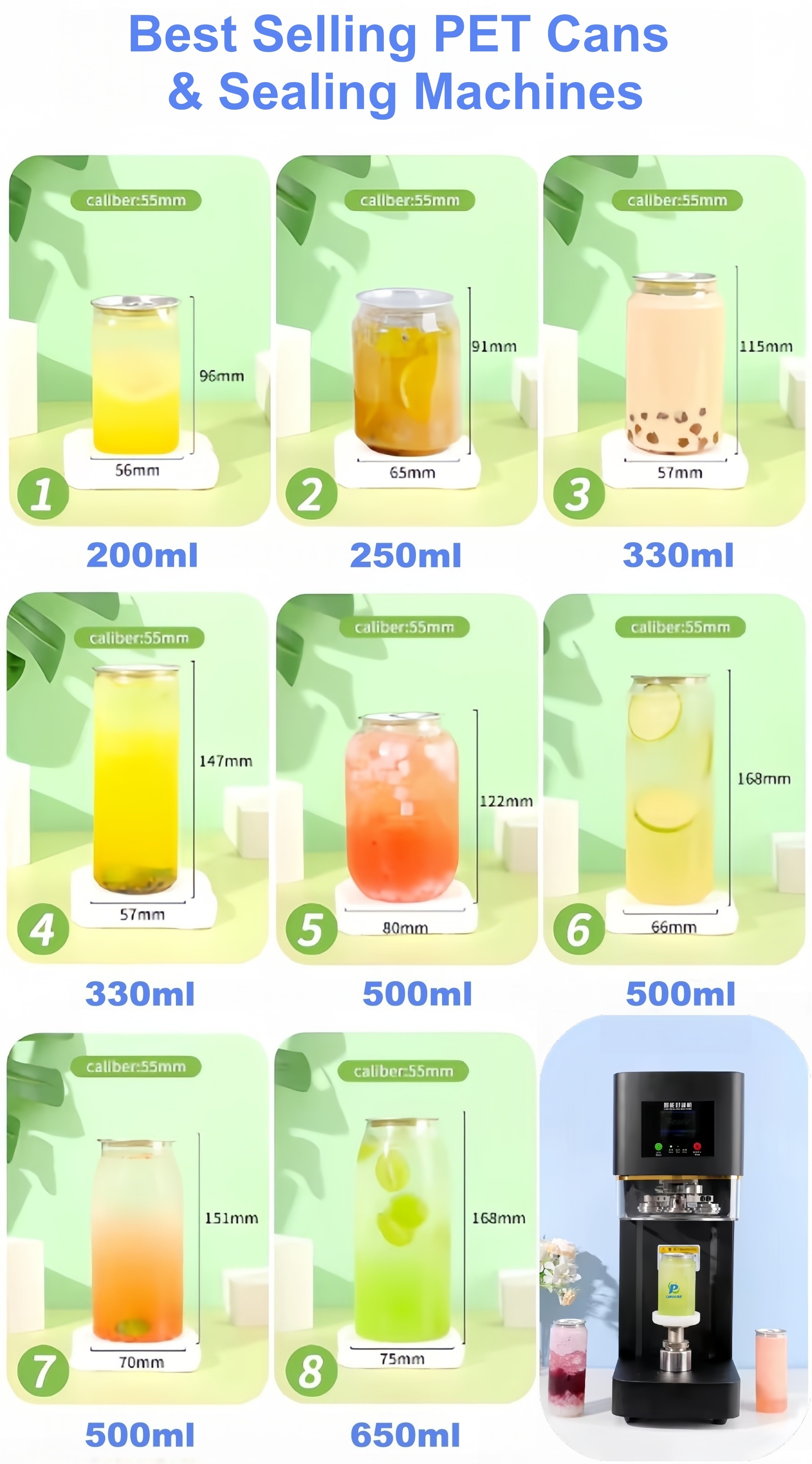
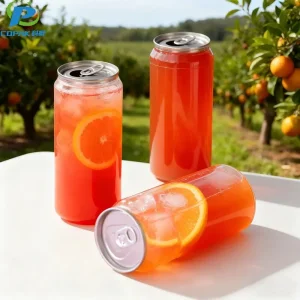
Best selling PET cans
Frequently Asked Questions
What is the maximum filling temperature for standard PET cans? The recommended filling temperature should be kept below 60°C (140°F) to ensure the container maintains its shape and clarity.
Why do PET cans deform when exposed to hot liquids? PET has a Glass Transition Temperature (Tg) between 65°C and 70°C. When liquid exceeds this temperature, the plastic softens and loses its structural integrity, leading to warping.
Can I use these cans for pasteurized beverages? Only if the pasteurization process occurs before filling and the liquid is cooled down to ambient or cold temperatures before entering the PET can.
What is "Vacuum Collapse" in PET packaging? When hot liquid cools in a sealed container, its volume decreases, creating a vacuum. Standard PET cans lack the specialized panels needed to absorb this pressure, causing them to be crushed inward.
What are the best uses for standard PET cans? They are ideal for cold-fill applications such as carbonated soft drinks, craft beers, cold brew coffees, juices, and even dry goods like snacks or desserts.
Are there PET options for hot-fill requirements? Yes, but they require "Heat-Set" technology and specific structural designs (like vacuum panels) which are typically found in bottles rather than standard cylindrical cans.

Related Products