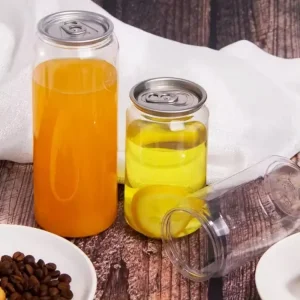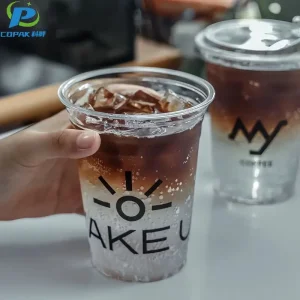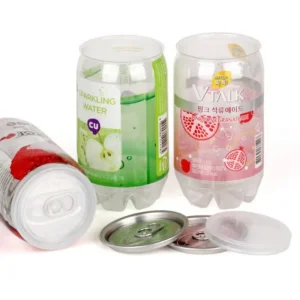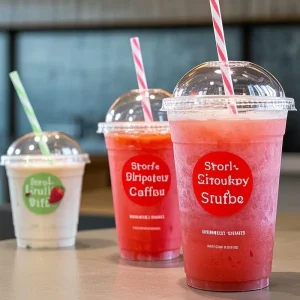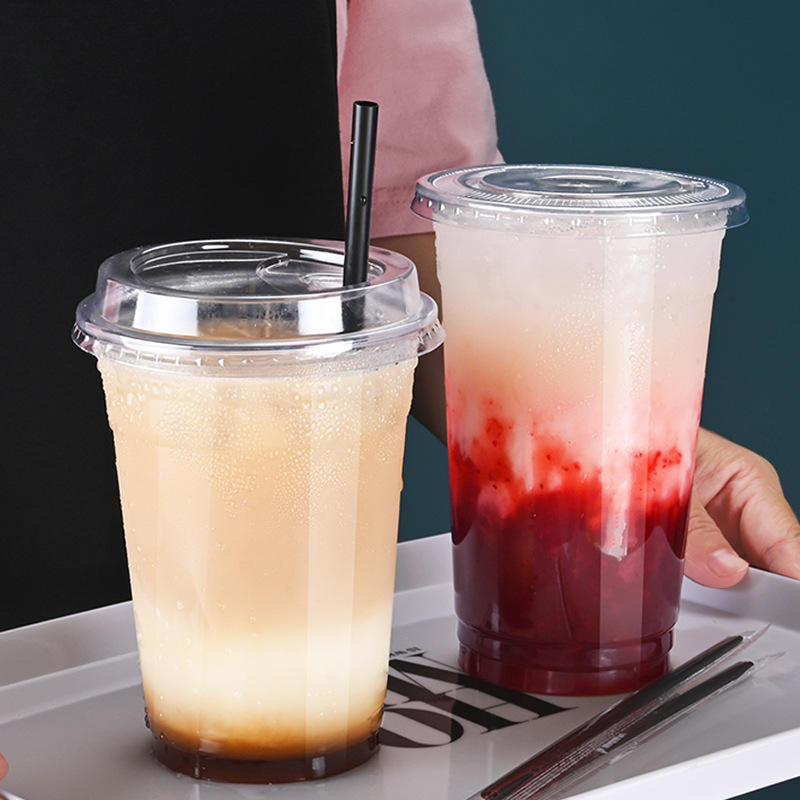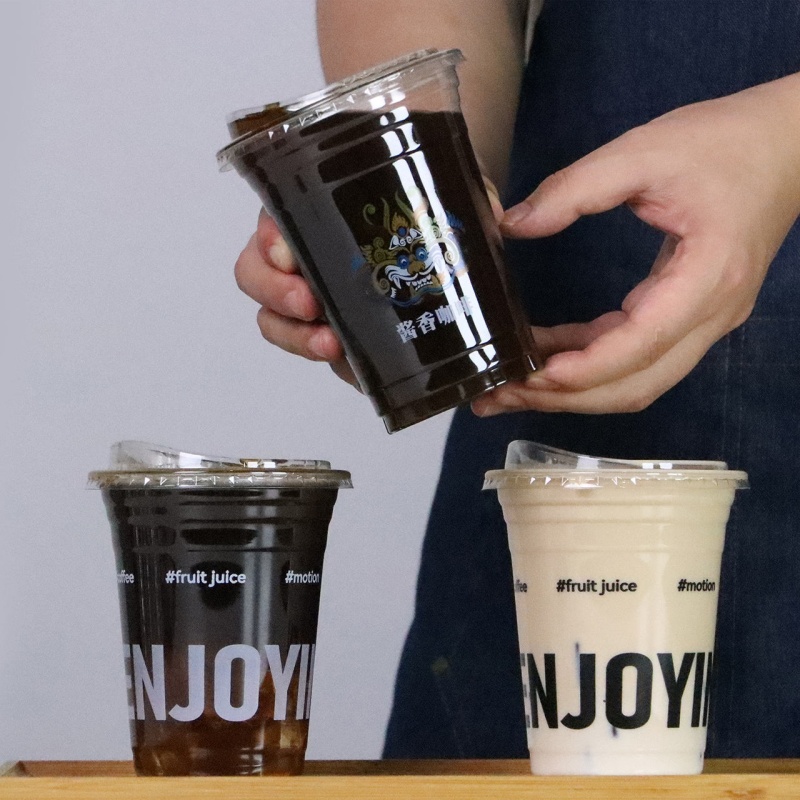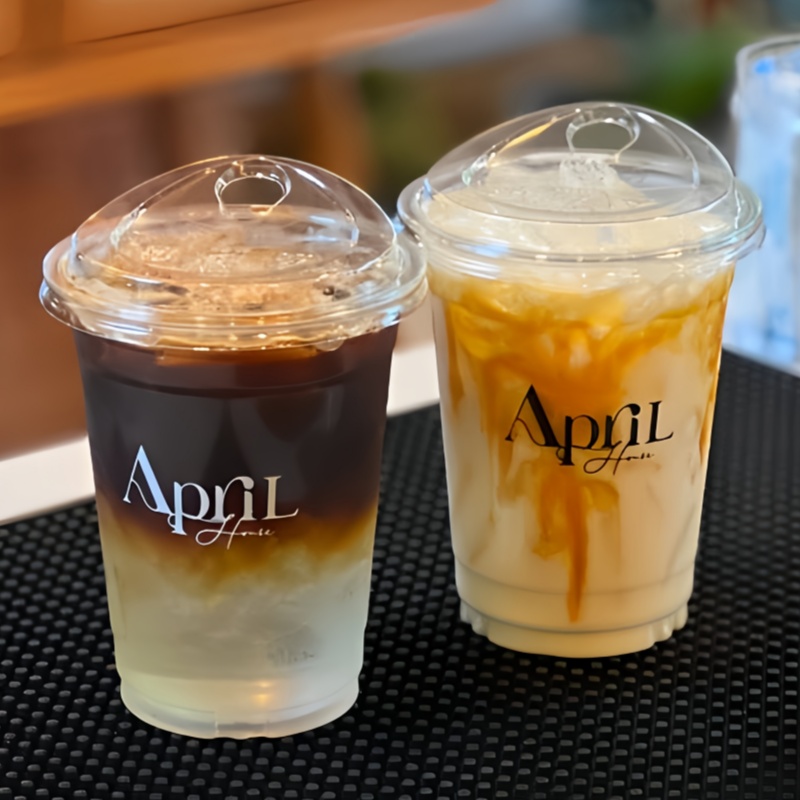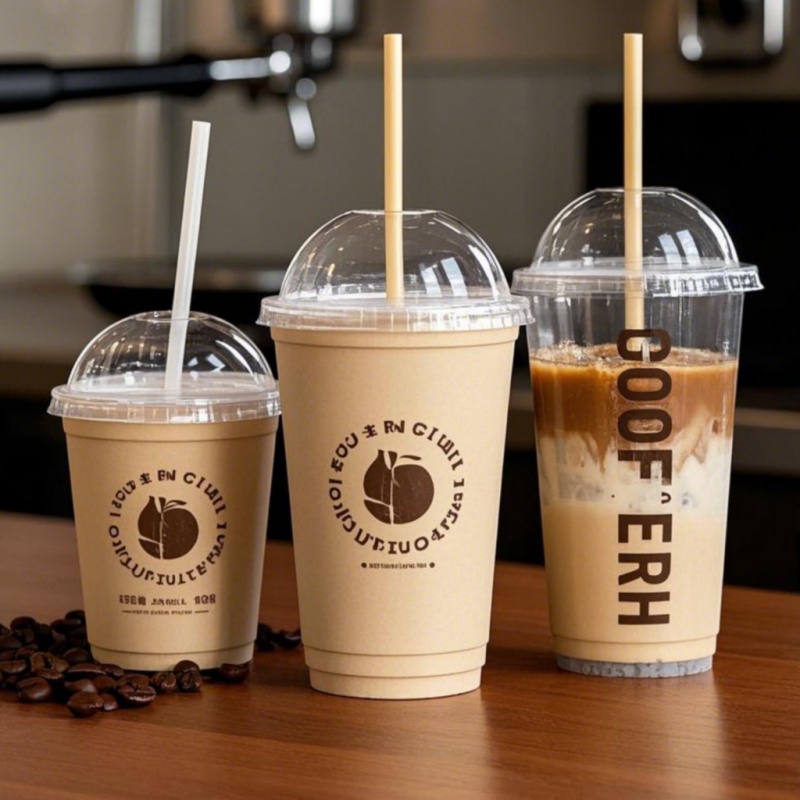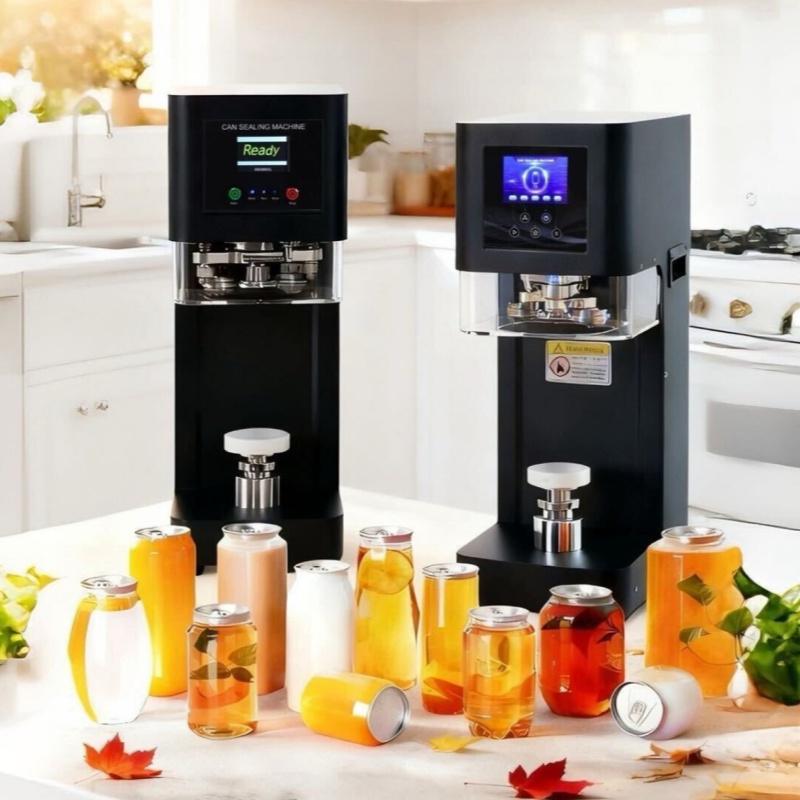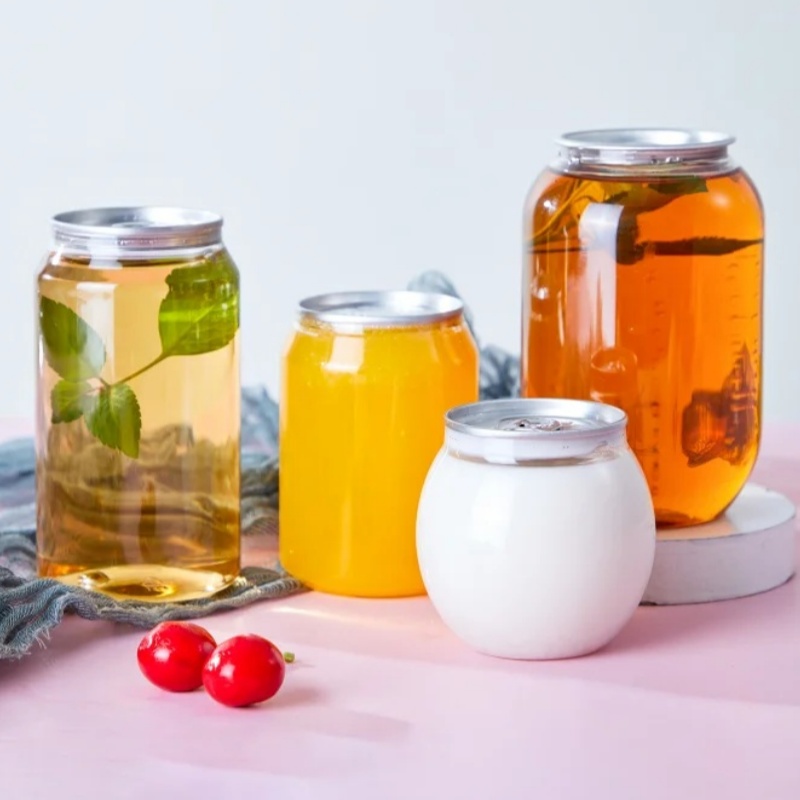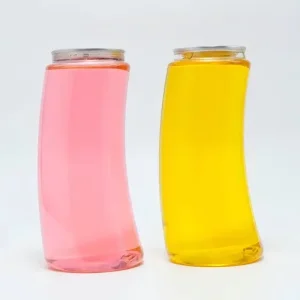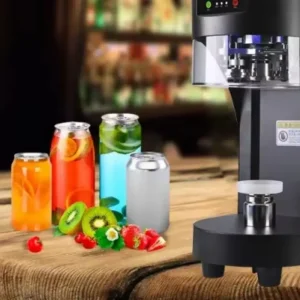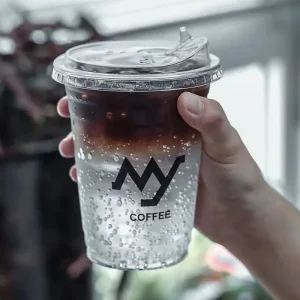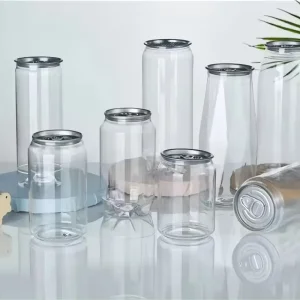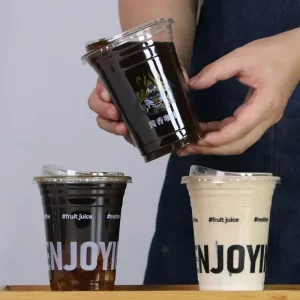
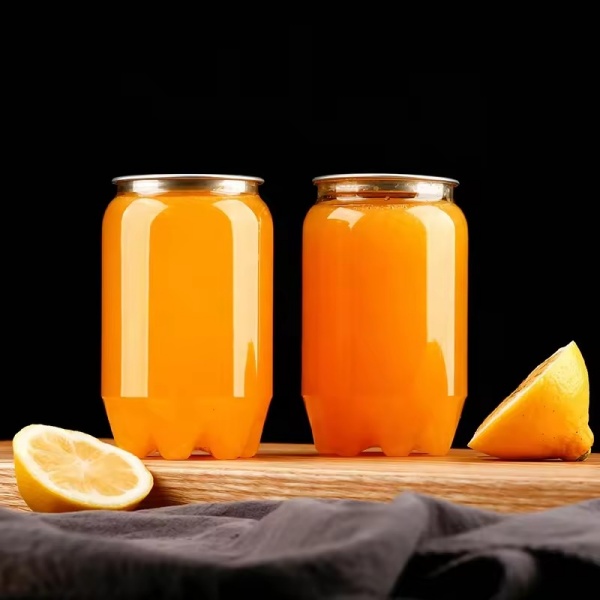
Select high-performance PET and RPET structural containers crafted to match state-of-the-art fully automatic filling and sealing systems.
The transition from manual or semi-automatic sealing processes to fully automatic can seaming lines represents a critical paradigm shift in modern industrial food and beverage packaging.
Globally, packaging throughput requirements are rising. Bottling facilities, craft breweries, and dry food packaging centers are forced to eliminate manual handling constraints. Manual handling introduces inconsistent seaming pressures and increases product exposure to microbial contaminants.
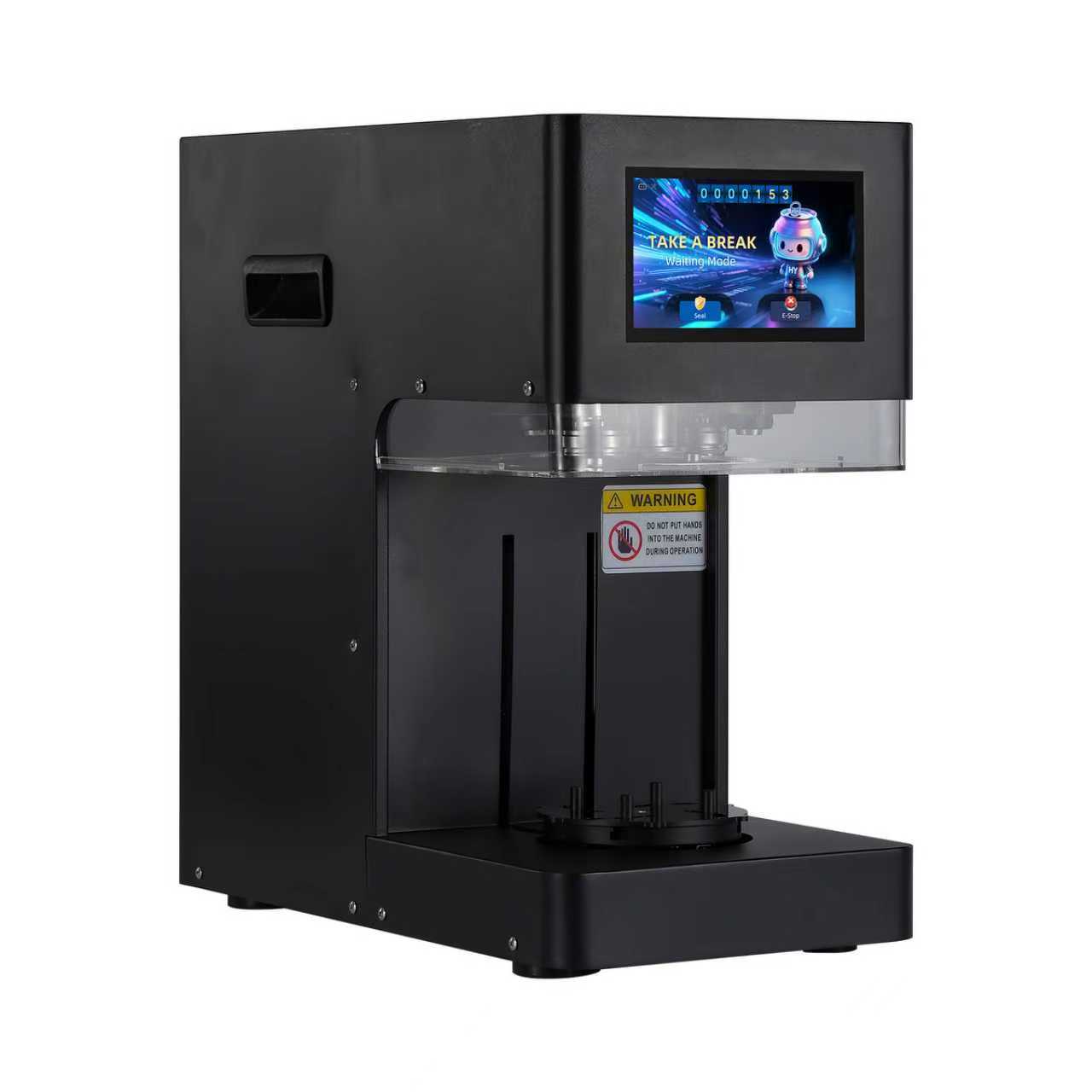
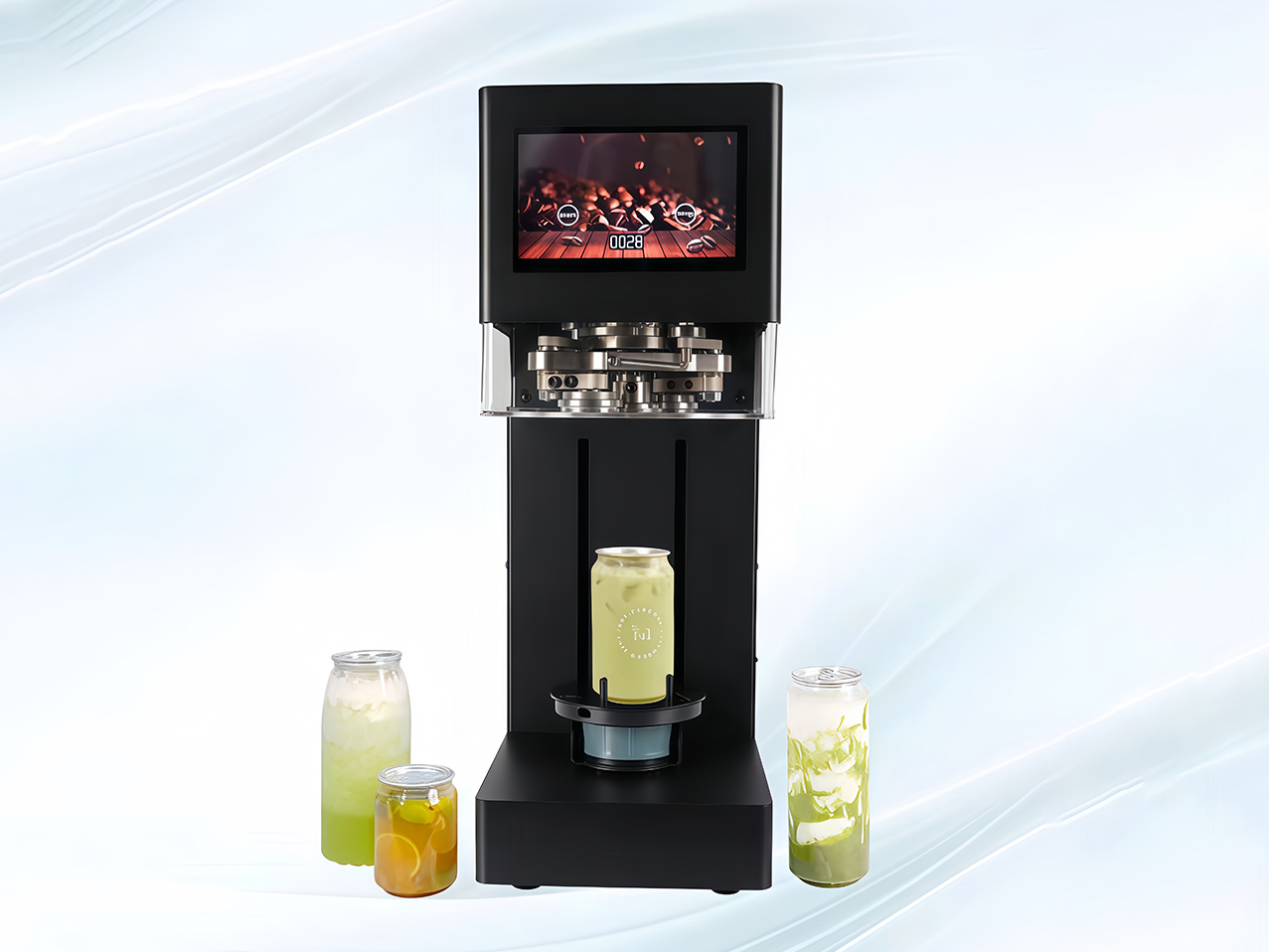
Modern high-speed automatic can seamers operate with extreme precision. They hermetically seal aluminum, tinplate, and PET containers at speeds ranging from 30 to over 120 cans per minute (cpm). By standardizing parameters like seam width, overlap length, and countersink depth, these systems eliminate common packaging failures. The result is extended shelf life, guaranteed freshness, and reduced waste across global supply chains.
Why multinational manufacturers leverage Chinese smart seaming production lines to achieve optimal cost-per-unit performance.
From raw food-grade SUS304 stainless steel processing to custom CNC-machined seaming rollers, our production facility in Guangdong maintains complete control over the supply chain. This vertical integration drastically reduces lead times and structural costs.
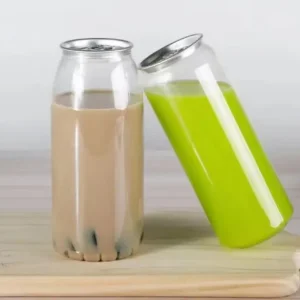
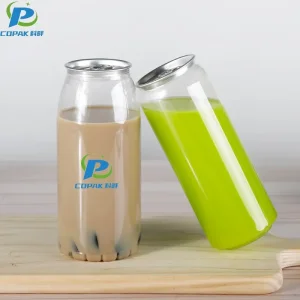
Unlike standard packaging equipment exporters, our engineers design custom seaming profiles tailored to your specific container specs. This includes custom PET cold brew cans, bubble tea packaging, and specialty aluminum profiles.
We handle everything from precision wooden-crate seaworthy packaging to customs clearance. Our equipment comes standard with global compliance certifications, ensuring plug-and-play integration upon arrival at your facility.
Leading the paradigm of eco-friendly packaging and engineering.
Established in 2021, Shanghai COPAK Industry Co., Ltd. maintains a sales office in Shanghai and an associated factory in Guangdong Province. As a professional supplier of eco-friendly food and beverage packaging solutions, our product portfolio includes PET cups, PET cans, and sealing machines, among other related items.
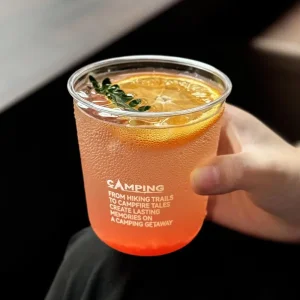
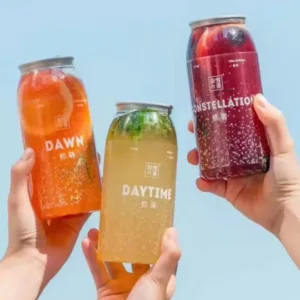
Committed to staying ahead of market trends through continuous innovation, COPAK delivers high-quality yet cost-effective packaging solutions. Our product range covers PET cups and cans in diverse shapes and capacities—from 1oz to 32oz—available in both plain finishes and custom printed designs. As a long-term strategic partner and trusted supplier, we dedicate ourselves to designing and manufacturing reliable, premium-quality, and stylish PET cups and cans for our clients.
Having supplied PET cups and PET cans to numerous renowned brands, our products are now distributed globally.
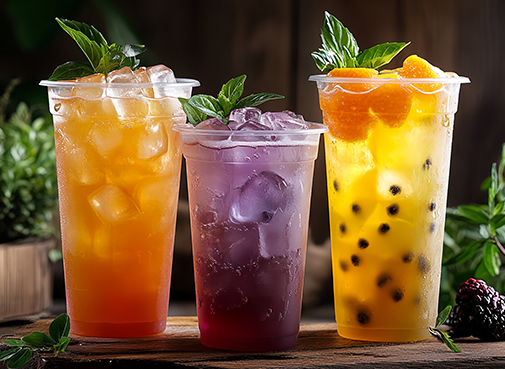
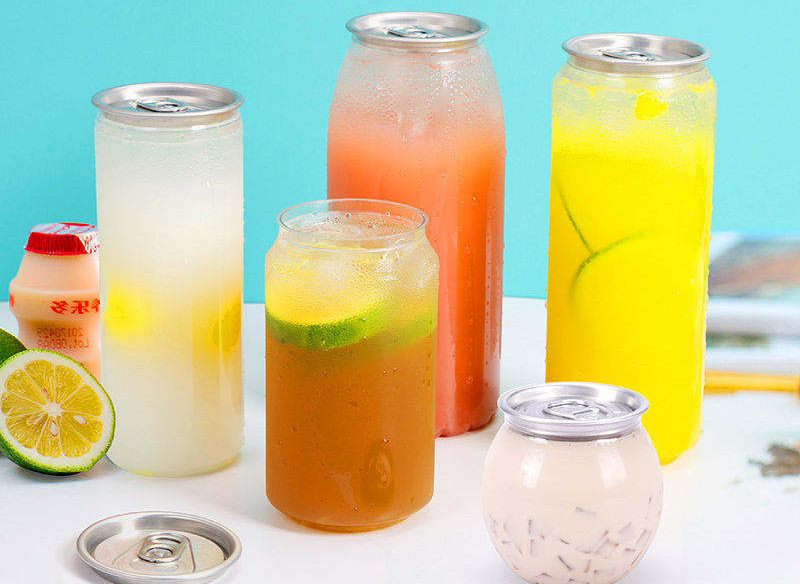
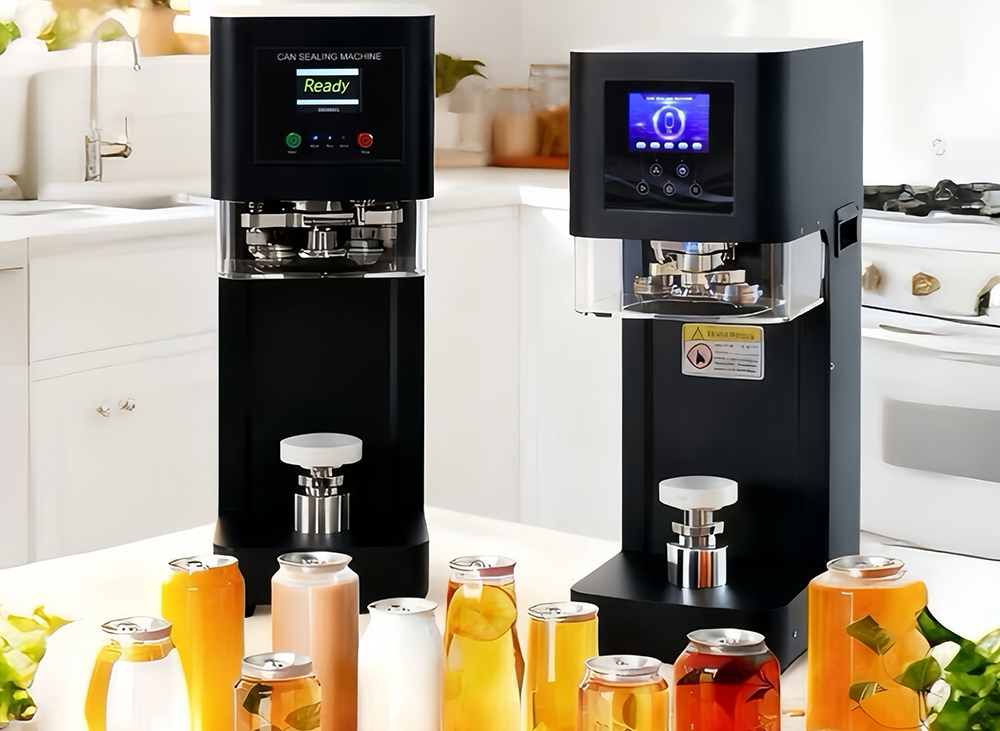
Exploring how advanced fully automatic sealing structures interact with diverse product materials.
Ready-To-Drink (RTD) Coffees & Brews: Nitro-infused cold brew coffee requires absolute protection from ambient oxygen. Fully automatic seamers inject food-grade nitrogen gas right before the double seam forms, keeping oxygen levels low to preserve volatile flavor compounds.
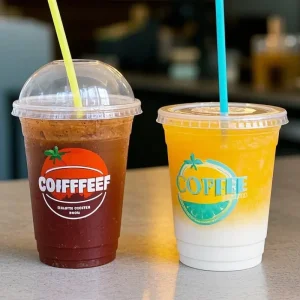
Modern Bubble Tea Chains: Transitioning from simple plastic film sealing to rigid PET cans has transformed the premium takeaway sector. Automated sealing lines accommodate varied drink heights and ice quantities, offering leak-proof transport for delivery services.
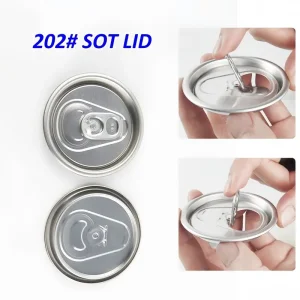
Dry Powder Food Storage: For infant formula, nutritional supplements, and specialty coffee beans, seaming machines work with easy-open aluminum lids to block humidity and keep dry foods fresh.
Understanding seam dynamics is crucial when working with different packaging materials:
Key technical criteria to evaluate when importing high-speed automated seaming systems.
Match your filling speed with the seamer's capacity. Single-head seamers handle 30–45 cpm, while multi-head rotary systems are ideal for high-throughput lines running over 120 cpm.
Look for systems featuring quick-change tool sets. This allows operators to switch between different can diameters (e.g., 202, 206, or 307) in under 30 minutes.
Specify food-grade stainless steel (SUS304 or SUS316) for all contact points. This ensures corrosion resistance during CIP (Clean-in-Place) sanitation cycles.
Expert Tip from COPAK: Always request a double-seam analysis report (including seam thickness, overlap percentage, and tightness ratio) using your specific container samples prior to export packaging and shipment.
We provide customers with green Eco-friendly high-quality products.
We integrate research, development, and advanced manufacturing to deliver cutting-edge insights for modern packaging plants.
How Industry 4.0 and predictive engineering are changing the speed, quality, and material efficiency of can seamers.
1. Smart Integration and IoT Capabilities
Modern processing plants require interconnected machinery. Today's high-speed automatic seamers feature sensor networks that monitor real-time operation. These sensors track force variations, seaming pin alignment, and motor temperatures, feeding this data back to central control systems (SCADA) to identify potential failures before they occur.
2. Sustainability and Lightweight Container Seaming
Eco-friendly packaging calls for thinner materials. Reducing aluminum wall thickness or lowering the gram-weight of PET cans cuts down on resource consumption, but makes the containers more delicate. This demands highly precise seaming systems that can form airtight double seams without crushing thinner container walls.
3. Advanced Food Hygiene and Safe Designs
Sanitation regulations for dairy and beverage processing are stricter than ever. The latest generation of fully automatic can seamers features self-draining stainless steel bases, minimized horizontal surfaces, and clean-in-place (CIP) spray rings. These designs help prevent contamination and reduce bacteria growth in the sealing chamber.
4. Servo-Driven Seaming Motors
Traditional cam-operated mechanisms are gradually being replaced by digital servo drives. This electronic design allows operators to adjust seaming roll speeds and timing instantly via software presets, making changeovers faster and reducing manual adjustments.
Direct answers from our engineering team regarding operations, product specifications, and import protocols.
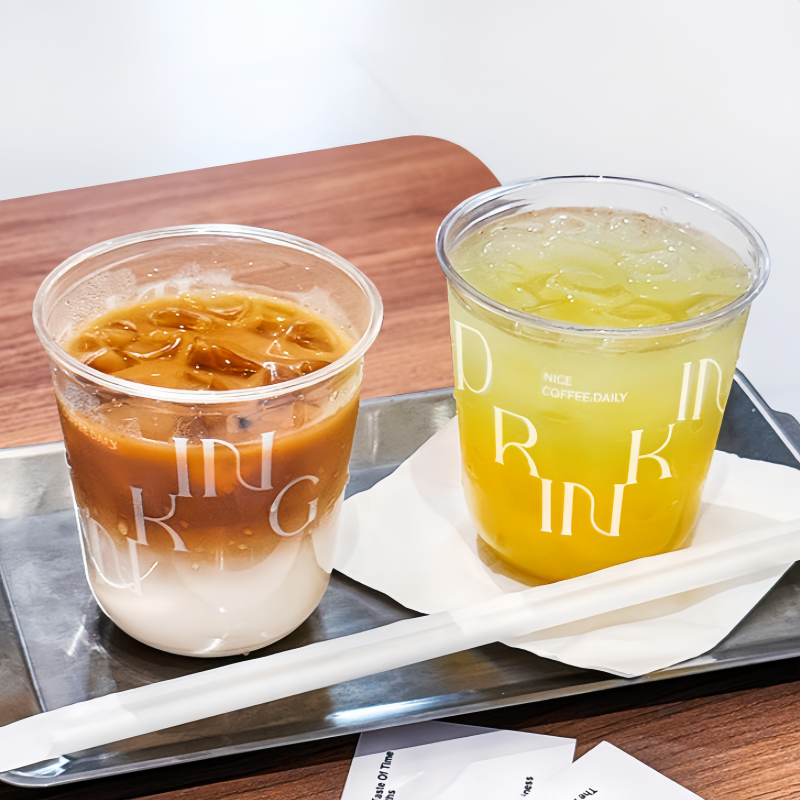
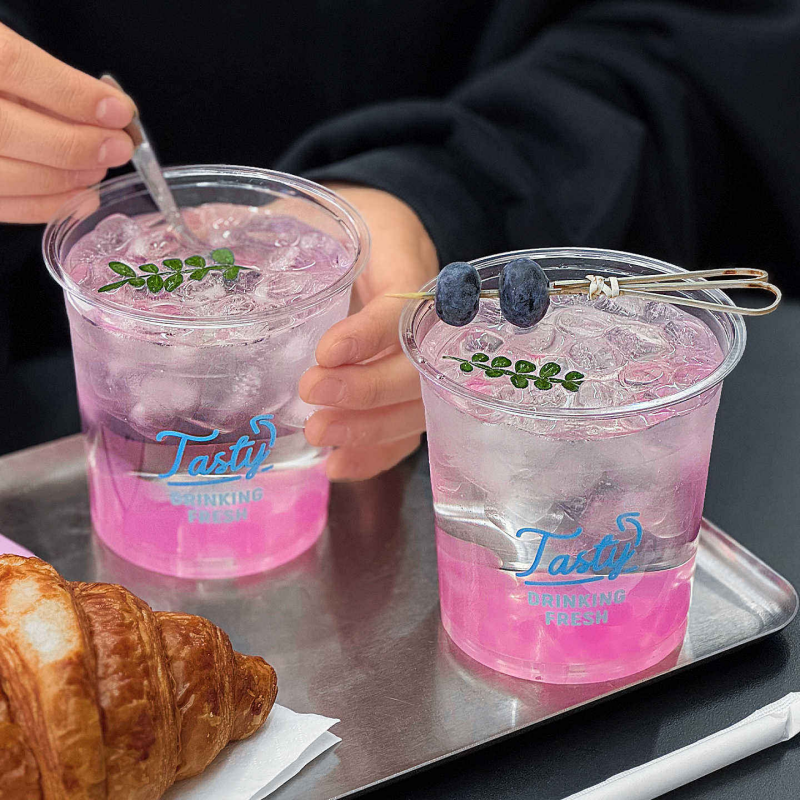
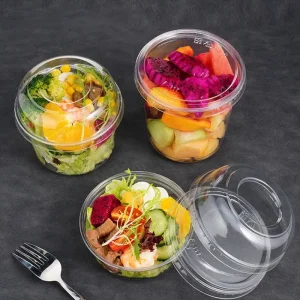
Explore our collection of high-transparency thermoformed PET cups, lids, and components designed for automatic beverage lines.