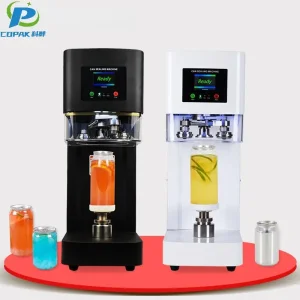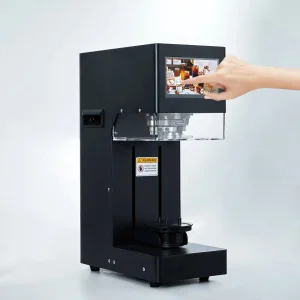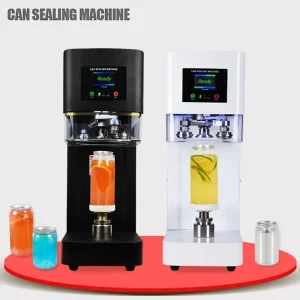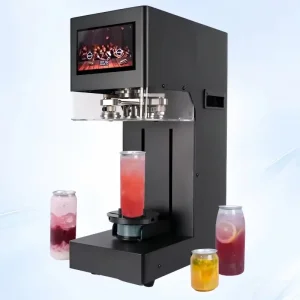
Engineered for Norway's rigorous cold-fill and craft beverage standards, featuring intelligent PLC touchscreen control and precise double-seaming mechanics.
Norway represents one of the most sophisticated and quality-driven packaging markets in Europe. Driven by a historic seafood exporting sector and a contemporary explosion in premium craft beverages, micro-breweries, and non-alcoholic functional drinks, the demand for high-reliability hermetic packaging systems is at an all-time high. Traditionally dependent on heavy tinplate and glass, modern Norwegian processing plants are aggressively transitioning to lightweight, highly recyclable materials like PET cans and aluminum lids.
This market shift is governed heavily by local environmental regulations and consumer initiatives, notably the Infinitum deposit system, which mandates high collection rates and efficient circular recycling loops. To remain competitive, packaging factories in regions like Oslo, Bergen, and Trondheim require highly flexible can seamer machinery that can transition seamlessly between various container volumes (from 250ml slim cans to 500ml standard profiles) while maintaining low headspace oxygen (TPO) values.
Globally, the food and beverage industry is undergoing a digital transformation. The integration of Internet of Things (IoT) monitoring, remote diagnostic interfaces, and servo-driven tooling has turned the humble mechanical can seamer into a precise instrument of control. Modern packaging facilities no longer tolerate manual mechanical changeovers that take hours. Modern manufacturing demands intelligent, touch-screen microprocessors that store sealing parameters for different can materials and thicknesses, adjusting roller pressures automatically.
Furthermore, the push toward lightweight aluminum and PET packaging has presented unique physical challenges. Unlike traditional metal cans, PET containers feature flexible body structures that are susceptible to axial load buckling during the seaming operation. Consequently, non-rotary sealing technologies have emerged as the industry standard for fragile beverage packaging, ensuring the can body remains stationary while the seaming rollers orbit the head, eliminating centrifugal liquid spillover and structural container damage.
Understanding the mechanical differences between traditional rotary seamers and advanced non-rotary systems is critical for processing plant managers. Below is an engineering comparison tailored for production environments processing premium carbonated juices, nitrogenated cold brews, and craft drinks.
| Parameters | Traditional Rotary Seamers | Advanced Non-Rotary Seamers | Tabletop Smart Seamers |
|---|---|---|---|
| Can Behavior | Can rotates during seaming cycle | Can remains completely stationary | Can remains stationary |
| Liquid Dispersal | Centrifugal force causes product spill | Zero spill; optimal for carbonated liquids | Zero spill; low headspace waste |
| Container Material Compatibility | Tinplate, thick aluminum | Thin-wall PET, aluminum, craft cans | PET, glass jars, aluminum lids |
| PLC Controls | Analog cam driven | Fully integrated touch screen PLC | Micro-controller, single-button |
| Typical Application | High-speed industrial canning (300+ CPM) | Automated smart packaging (30-60 CPM) | Boutique cafés, craft micro-breweries |
Established in 2021, Shanghai COPAK Industry Co., Ltd. maintains a strategic sales office in Shanghai and an associated high-capacity manufacturing factory in Guangdong Province. As a professional supplier of eco-friendly food and beverage packaging solutions, our product portfolio encompasses PET cups, PET cans, and sealing machines, among other related items.
Committed to staying ahead of market trends through continuous innovation, COPAK delivers high-quality yet cost-effective packaging solutions. Our product range covers PET cups and cans in diverse shapes and capacities—from 1oz to 32oz—available in both plain finishes and custom printed designs. As a long-term strategic partner and trusted supplier, we dedicate ourselves to designing and manufacturing reliable, premium-quality, and stylish PET cups and cans for our clients globally.
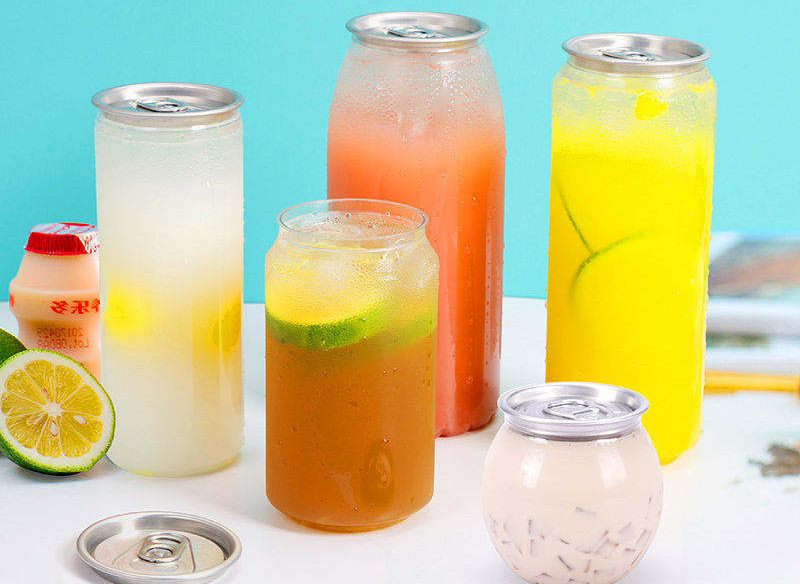
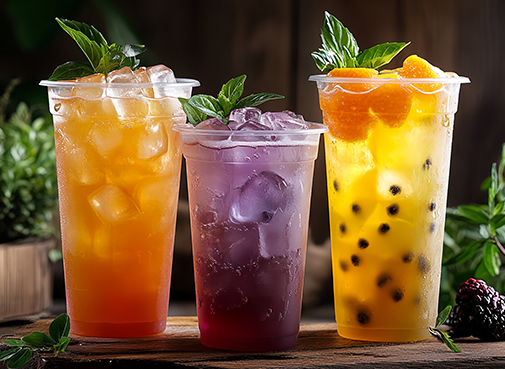
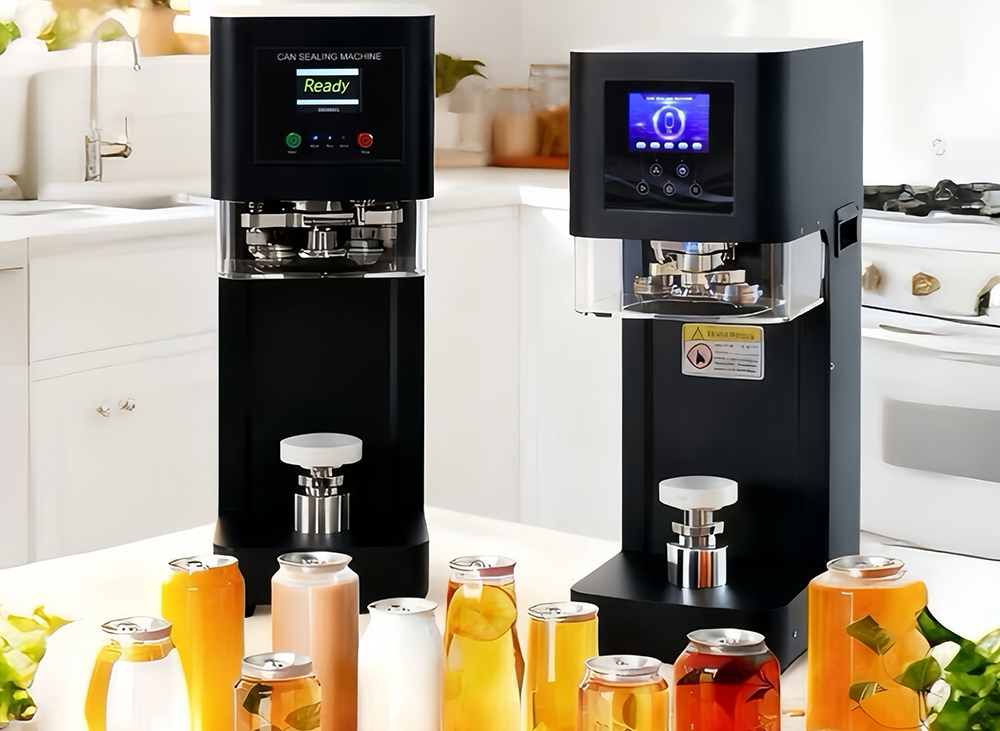
In Norway's cold chain logistics, preventing micro-leakage is paramount. Seafood brines, dairy bases, and acidic berry juices degrade packaging rapidly if the hermetic seal is compromised. The fundamental mechanics of a double seam require absolute precision. A double seam is formed in two distinct operations: the first operation rolls the cover hook and body hook together, tucking the curl under the flange; the second operation flattens the seam under high pressure, compressing the sealing compound inside the curl into a solid, gas-tight barrier.
COPAK's intelligent can sealers feature micro-adjustable roller assemblies. The rollers are constructed from hardened alloy steel or titanium-nitride-coated stainless steel, allowing them to withstand thousands of continuous cycles without loss of calibration. The pressure of both first-stage and second-stage rollers is programmatically controlled via a user-friendly touch screen interface, permitting adjustments down to 0.01mm. This degree of control is critical when dealing with PET cans, which have different structural properties than traditional aluminum alloys.
Precise mechanical alignment avoids seam wrinkles, hooks, and vees, ensuring zero leakages during shipping transit.
Allows real-time monitoring of speed, pressure parameters, and diagnostic alerts, compatible with local language settings.
Designed with washdown-grade stainless steel to comply with Norway's strict food hygiene rules and FHI regulations.
For large-scale processors in industrial zones like Stavanger, Tromsø, and Drammen, standalone packaging machinery is rarely sufficient. Modern facility design requires a macro-level system integration approach. An automated canning line integrates four core components: depalletization, rotary washing, nitrogen flushing/filling, and final seaming. By linking these steps with continuous speed-matched conveyors, plants reduce manual handling, increase throughput, and guarantee absolute consistency.
COPAK works directly with factory engineers to design modular, inline configurations. Our automated can sealers are equipped with standardized I/O ports to synchronize seamlessly with liquid fillers, automatic lid feeders, and downstream inline labelers. Our engineering team assists from initial layout design to installation, calibration, and long-term supply of certified PET cans and cups.
Engineered for premium commercial food services, local packaging plants, and craft beverage makers across Northern Europe.
Stay informed about global trends, technical research, and product updates from the COPAK design and engineering center.
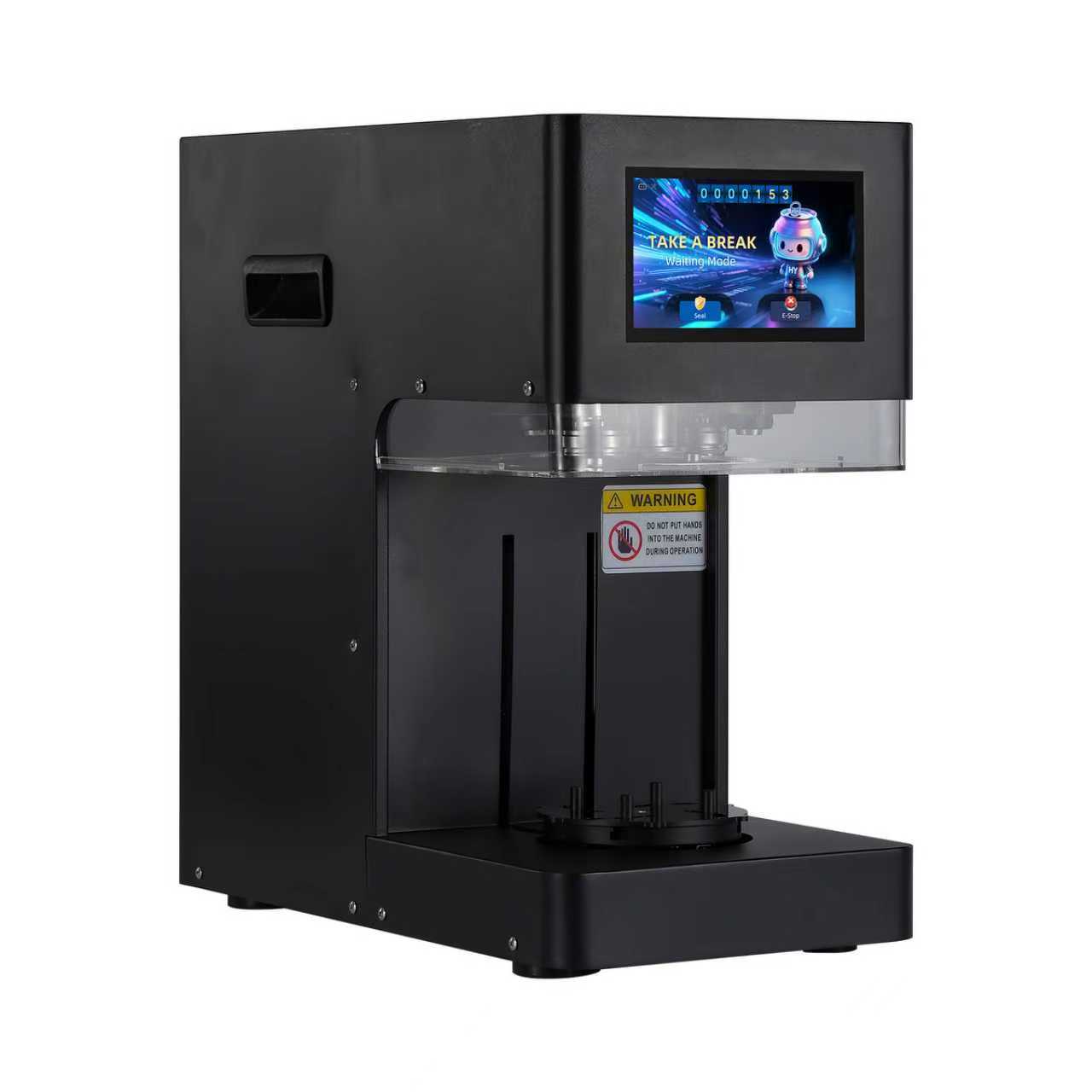
Discover our new state-of-the-art automatic sealing technology designed for seamless, high-speed container lines.
Read Full Article →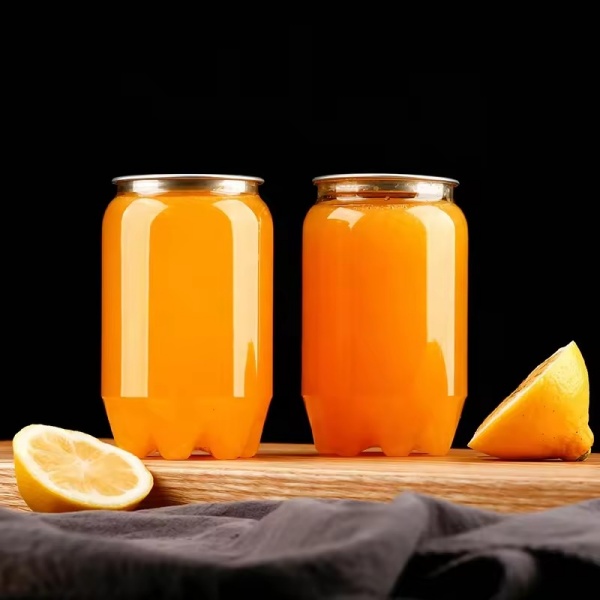
A detailed scientific study assessing barrier degradation, OTR levels, and the shelf-life stability of PET beverage containers.
Read Full Article →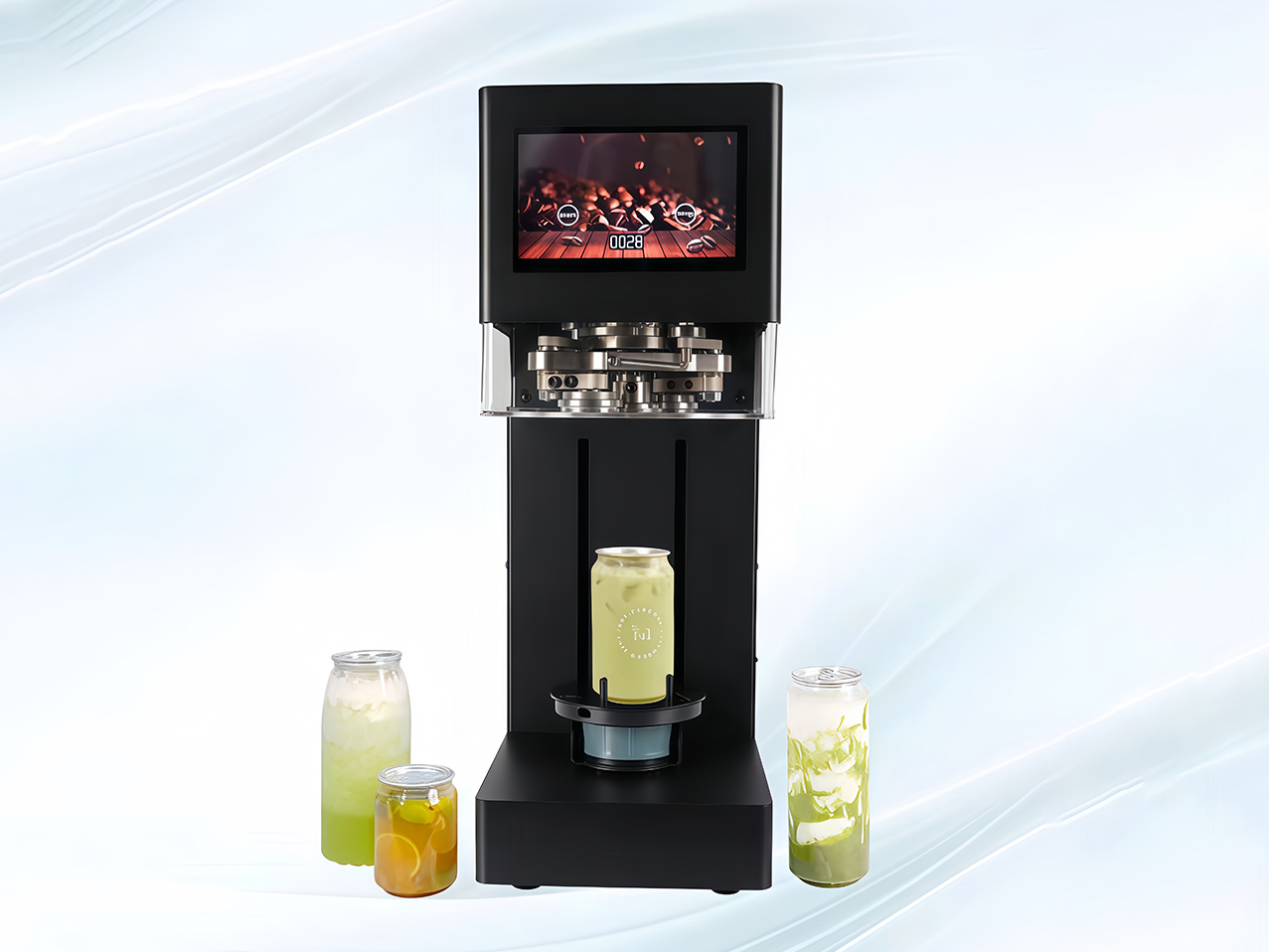
Analyzing structural improvements in double seam technology and how they preserve freshness in cold chain packaging environments.
Read Full Article →Technical, authoritative answers addressing user intents and packaging criteria for the Scandinavian food-processing sector.
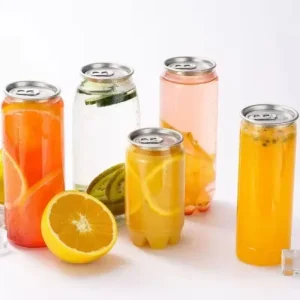
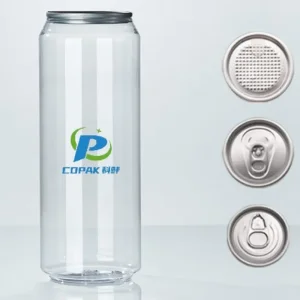
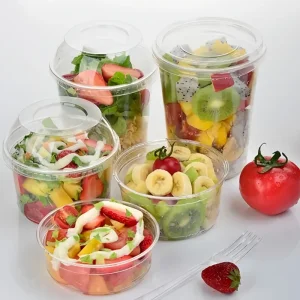
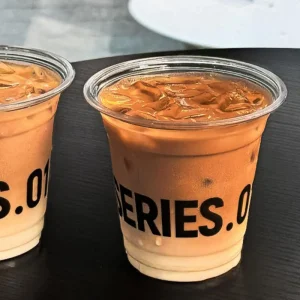
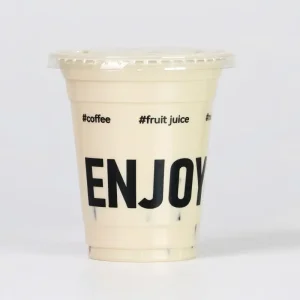
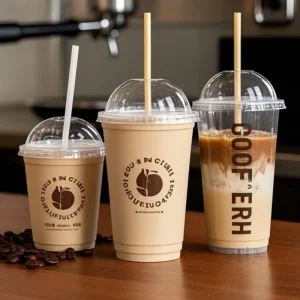
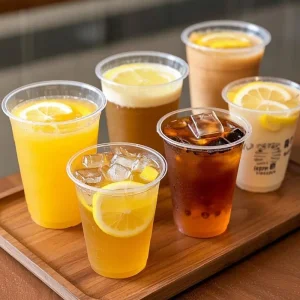
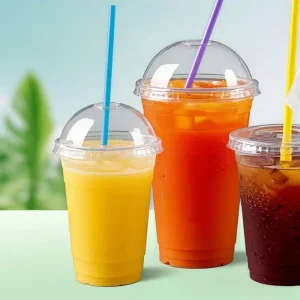
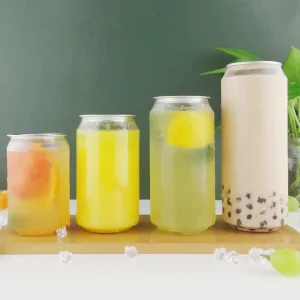
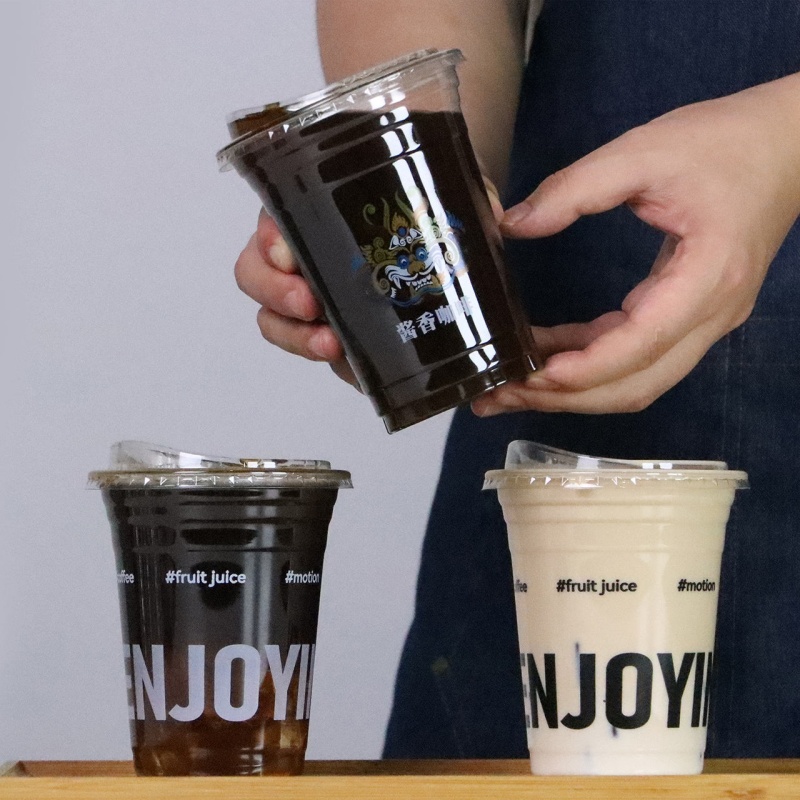
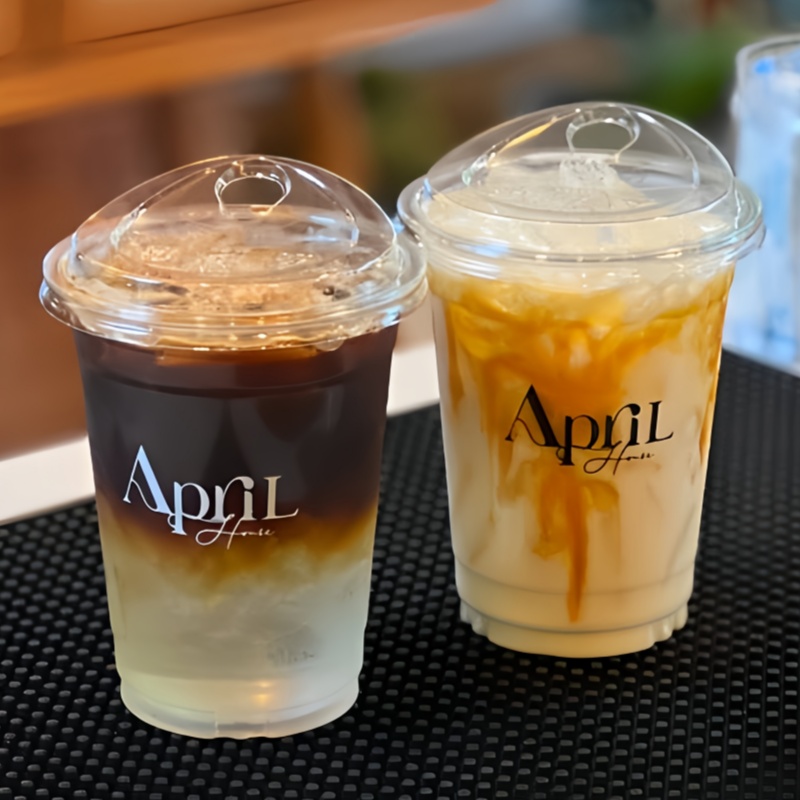
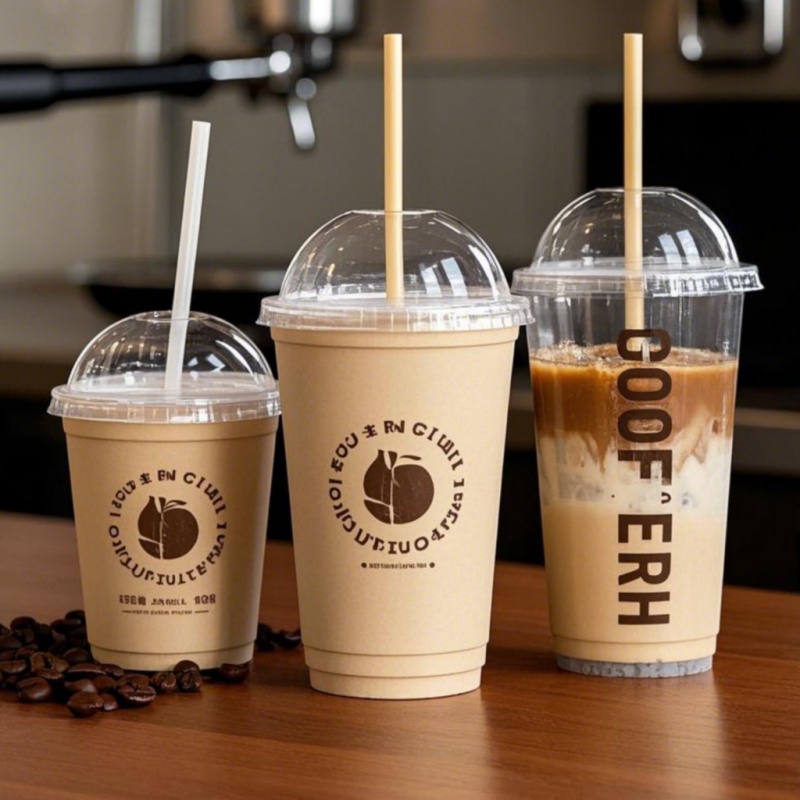
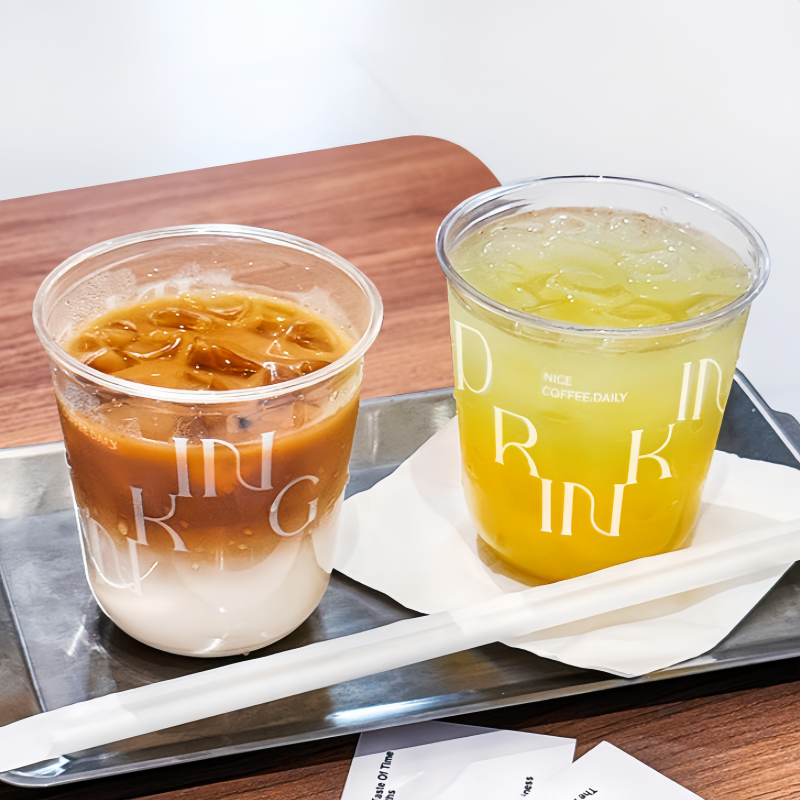
Premium PET cups, dessert containers, and cold-brew drink cans ideal for commercial catering, retail distribution, and packaging supply chains.
We provide customers with green Eco-friendly high-quality products.
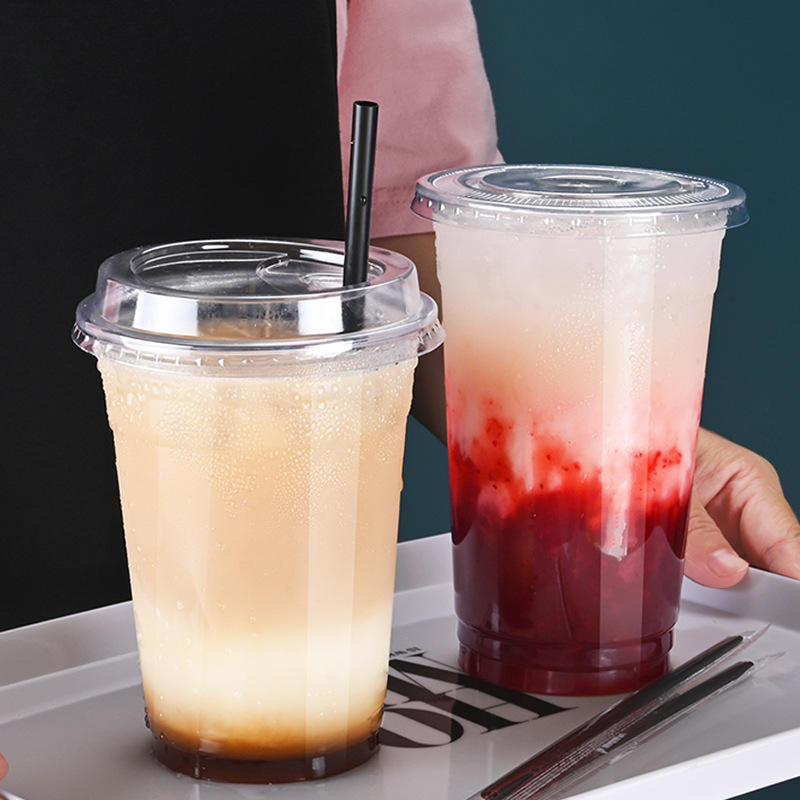
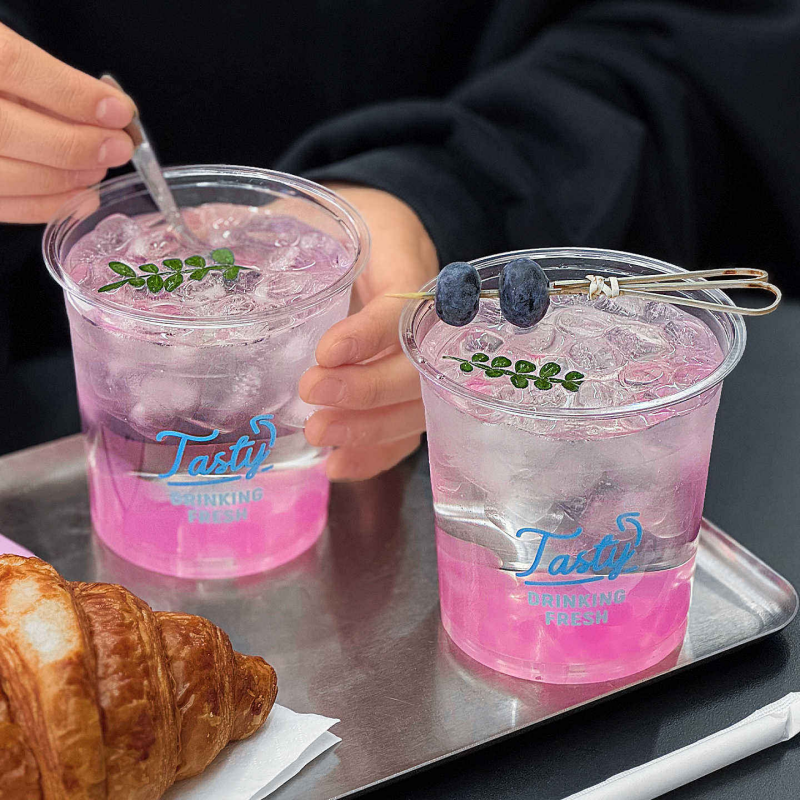
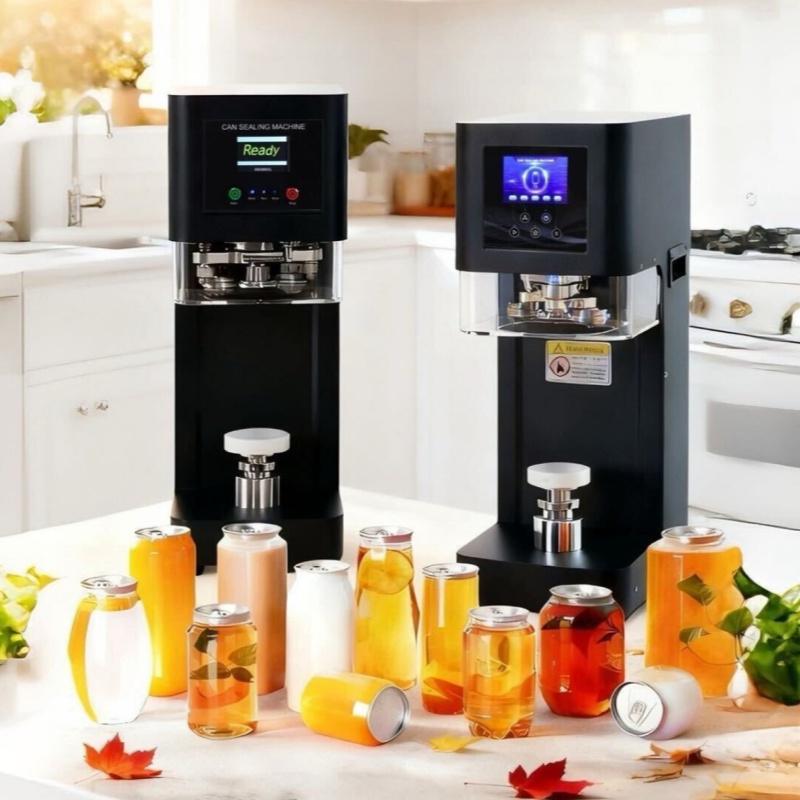
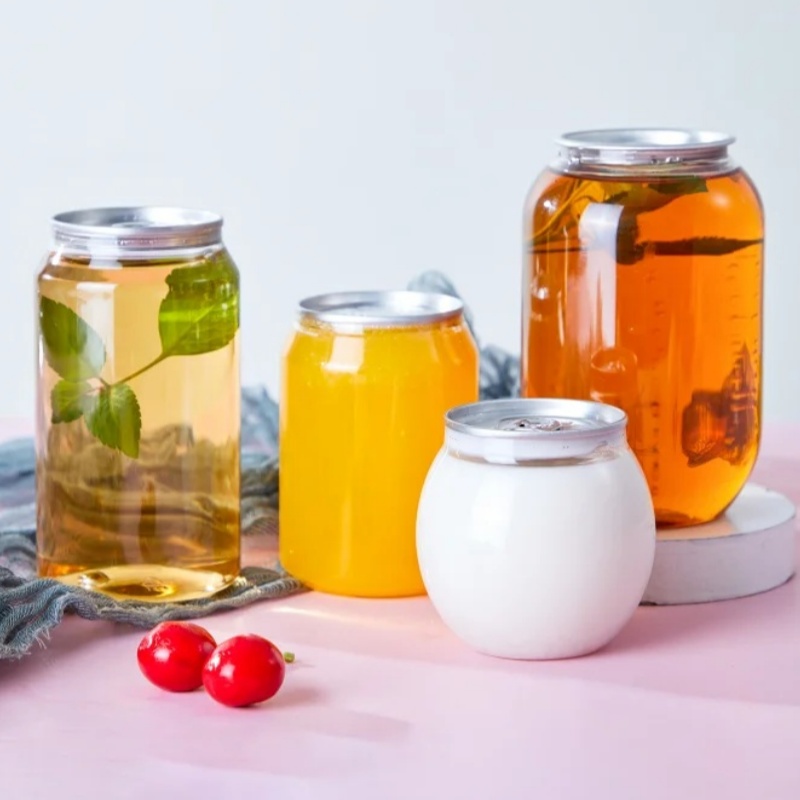
Where the global sealing industry is heading: from intelligent automation to ultra-sustainable materials.
As packaging speeds increase, manual inspection of seams becomes impossible. COPAK is tracking development of next-generation inline laser profilers. These devices scan 100% of double seams as they exit the seamer, detecting deviations in seam thickness, countersink depth, and overlap in real-time. Any container not meeting parameters is automatically rejected down the line, ensuring that defective packaging never leaves the factory.
Additionally, we expect the development of bio-based plastics to replace petroleum-derived PET. Our engineering team is testing sealing parameters on PLA (polylactic acid) and other biodegradable clear containers to ensure our current machines are compatible with the next generation of eco-friendly packaging materials.
Partner with Shanghai COPAK Industry to implement robust, high-precision, and certified sealing systems in the Norwegian market.