Precision-engineered automatic and tabletop can seamers optimized for Nepalese commercial environments.
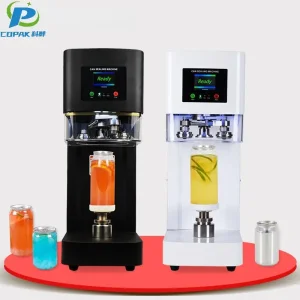
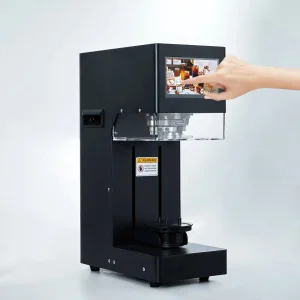
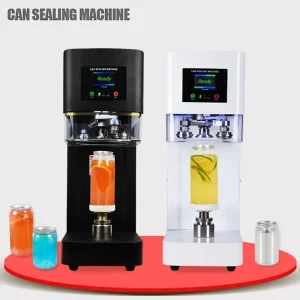
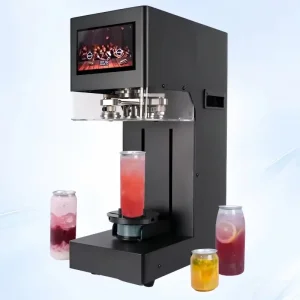
Analysis of changing consumer behaviors, urban commercial shifts, and technical atmospheric conditions in the Kathmandu Valley.
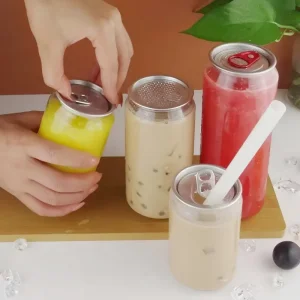
The Kathmandu Valley—comprising Kathmandu, Lalitpur, and Bhaktapur—is undergoing a rapid commercial shift in its food and beverage landscape. Driven by expanding hospitality hubs in Thamel, Jhamsikhel, and Durbar Marg, along with a surging cloud kitchen ecosystem, traditional flexible plastics and single-use takeaway cups are rapidly being phased out. Local beverage producers, specialty coffee roasters, boba tea chains, and microbreweries are pivoting toward ultra-clear PET beverage cans with hermetically sealed aluminum easy-open ends (EOE). This format offers superior visual presentation, 100% leak-proof security for ride-share deliveries across rugged urban terrain, and enhanced product shelf-life.
Operating can sealing machinery in Kathmandu presents unique mechanical engineering considerations due to the elevation (~1,400 meters / 4,600 feet above sea level). Atmospheric pressure in Kathmandu averages approximately 85.5 kPa compared to 101.3 kPa at sea level. This ~15.5% negative pressure differential causes trapped gas within sealed rigid PET cans to expand when transported or stored, placing higher mechanical stress on the double seam perimeter. Equipment sourced for Kathmandu must provide precise, micro-adjustable seaming roller clearances and calibrated double-seam overlap percentages to prevent micro-leakage and lid popping during transit across elevation gradients.
Standard off-the-shelf seamers factory-calibrated at sea level often exhibit seam creep or micro-fissures under Kathmandu’s lower barometric pressure. Copak's dedicated export units feature engineered titanium-coated seaming rollers with custom-machined profile grooves (1st operation roll profile for tight hook formation, 2nd operation roll profile for high-density compression), ensuring a guaranteed seal integrity under internal pressure variances up to 2.5 bar.
Bridging international manufacturing standards with specialized localized distribution for the Nepalese enterprise sector.
Established in 2021, Shanghai COPAK Industry Co., Ltd. maintains an executive sales and R&D headquarters in Shanghai coupled with an advanced high-precision machinery and container manufacturing facility in Guangdong Province. As a premier global provider of eco-friendly food and beverage packaging technology, COPAK’s integrated portfolio spans food-grade PET transparent cans, ultra-clear beverage cups, aluminum easy-open lids, and high-efficiency automatic can sealing machines.
Through continuous technological innovation and strict adherence to international quality management frameworks (ISO 9001, CE, FDA compliance), COPAK delivers custom-tailored, cost-effective packaging automation. Our product line supports capacities ranging from 1oz sample containers to 32oz large beverage formats. By engineering low-maintenance non-rotary and rotary seamers equipped with smart PLC interfaces, we enable Nepalese merchants to adopt world-class packaging standards effortless.
Quantitative excellence engineered for rigorous continuous duty cycle demand.
| Technical Parameter | Tabletop Smart Sealer (HORECA) | Automatic Inline Seamer (Industrial) | Non-Rotary Craft Seamer (Premium) |
|---|---|---|---|
| Operation Mode | Semi-Automatic / Auto-Sensor Trigger | Fully Automatic Conveyorized | Static Can / Rotating Head Servo |
| Sealing Speed | 15 - 22 Cans / Minute | 35 - 50 Cans / Minute | 20 - 30 Cans / Minute |
| Can Diameter Range | 50mm - 85mm (Custom Moldable) | 55mm - 100mm Standard | 52mm - 99mm Standard |
| Can Height Range | 40mm - 200mm Adjust | 50mm - 250mm Adjust | 40mm - 220mm Adjust |
| Seam Overlap (Target) | > 55% Compression Ratio | > 60% Compression Ratio | > 65% Precision Compression |
| Voltage / Power | 220V 50Hz, 370W Single Phase | 220V/380V 50Hz, 1.1kW Phase | 220V 50Hz, 550W Servo Drive |
| Applicable Containers | PET Cans, Paper Cans, Tin Cans | Aluminum Cans, Rigid PET Cans | Craft Beer PET Cans, Soda PET |
Versatile packaging integration tailored for key business sectors across the Kathmandu Valley and regional hubs.
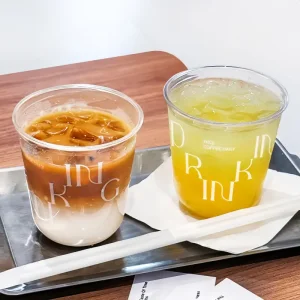
For premium cafes in Durbar Marg, Jhamsikhel, and New Road, serving cold brew coffee, iced matcha, and fruit teas in sealed PET cans creates an instantly recognizable, aesthetic packaging flex. Customers can carry sealed beverages in backpacks or receive them via motorcycle couriers without risk of spillage.
Nepal's artisanal beverage scene in Thamel and Pokhara relies heavily on takeaway solutions. Non-rotary sealing machines allow micro-brewers to can draft craft beers, kombucha, and sparkling herbal drinks on-demand right at the counter, preserving carbonation and fresh hop aromas.
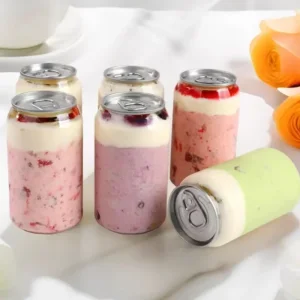
Artisanal bakeries and dried-fruit exporters in Patan use clear PET cans with aluminum pull-tabs to store cookies, spiced nuts, traditional Nepalese snacks (like Nimki), and organic Himalayan honey, protecting crispness from humid valley weather while offering premium shelf visual power.
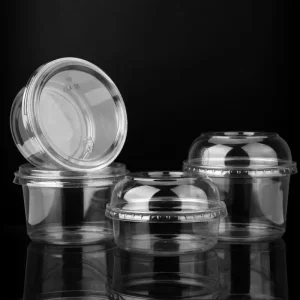
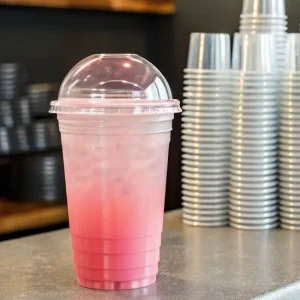
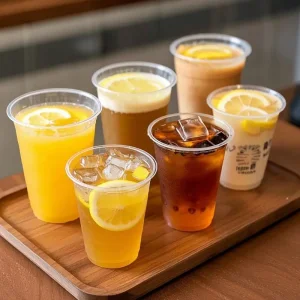
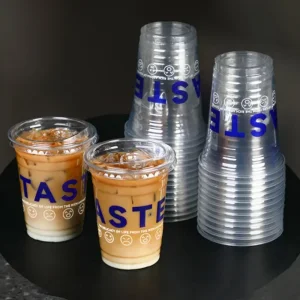
Factory-direct PET cups, soda cans, deli containers, and custom lids engineered for global and Nepalese distribution.

Streamlined export operations, customs clearings, and technical support frameworks for Nepalese buyers.
Copak provides optimized freight routes into Nepal. Bulk machine shipments and containerized PET packaging orders are routed either via sea freight to Kolkata Port (India) and transported by rail/road via Birgunj Dry Port, or dispatched via overland trans-Himalayan trucking routes through Tatopani / Rasuwagadhi border posts directly into the Kathmandu logistics hub.
Voltage stability can fluctuate in urban and semi-urban industrial belts around Kathmandu, Biratnagar, and Pokhara. Copak export machines are retrofitted with wide-range voltage tolerance control transformers (220V ±15%, 50Hz single-phase or 380V 3-phase options) with optional built-in Automatic Voltage Regulation (AVR) protection circuits.
To guarantee uninterrupted production for Kathmandu beverage plants, Copak maintains emergency spare parts inventory (including seaming rollers, chucks, proximity sensors, heating elements, and pneumatic valves) along with comprehensive virtual training video toolkits and remote engineering support.
Understanding the engineering mechanics behind hermetic sealing validation.
A hermetic double seam is formed in two distinct operational steps. In the First Operation, the lid curl is tucked under the can flange to interlock the cover hook and body hook. In the Second Operation, high mechanical compression flattens and irons out the interlocked layers, compressing the compound gasket within the seam void to create a gas-tight, liquid-proof seal.
Overlap % = [(BH + CH + 1.1*t_cover - SH) / (SH - 1.1*(2*t_cover + t_body))] * 100
Copak machines are calibrated to achieve a theoretical overlap score consistently above 60%, ensuring compliance with strict international beverage containment standards.
Expert answers to mechanical, logistical, and procurement queries from buyers in Nepal.
Contact COPAK's senior engineering & export sales team today for factory-direct pricing, customized machine configurations, and sample PET container kits.
Send Inquiry Now