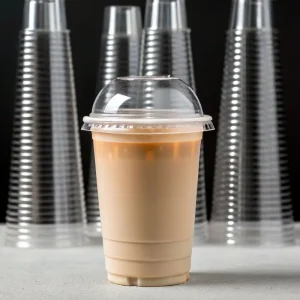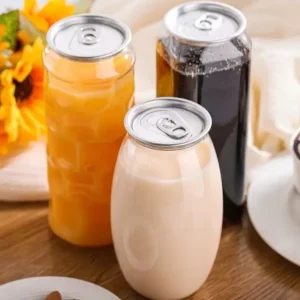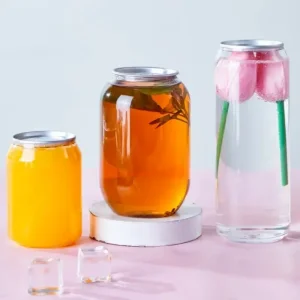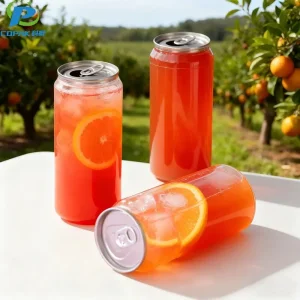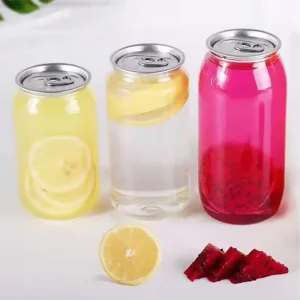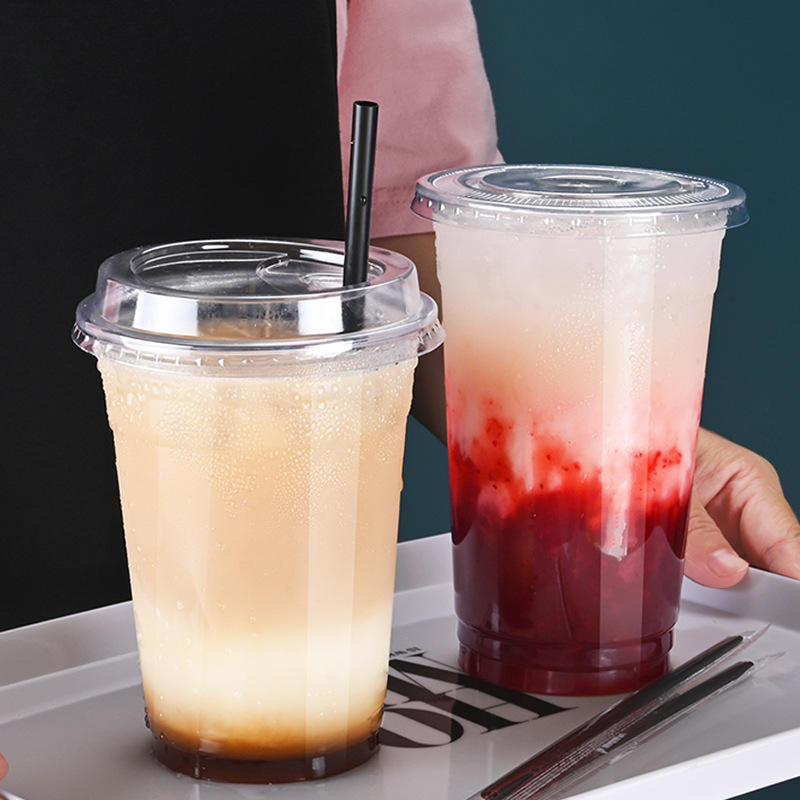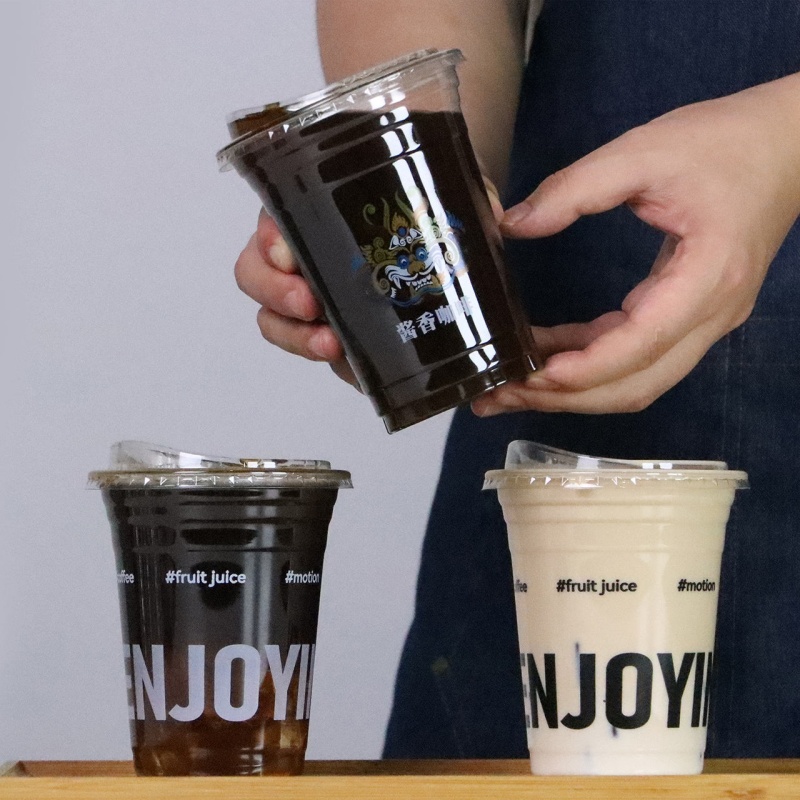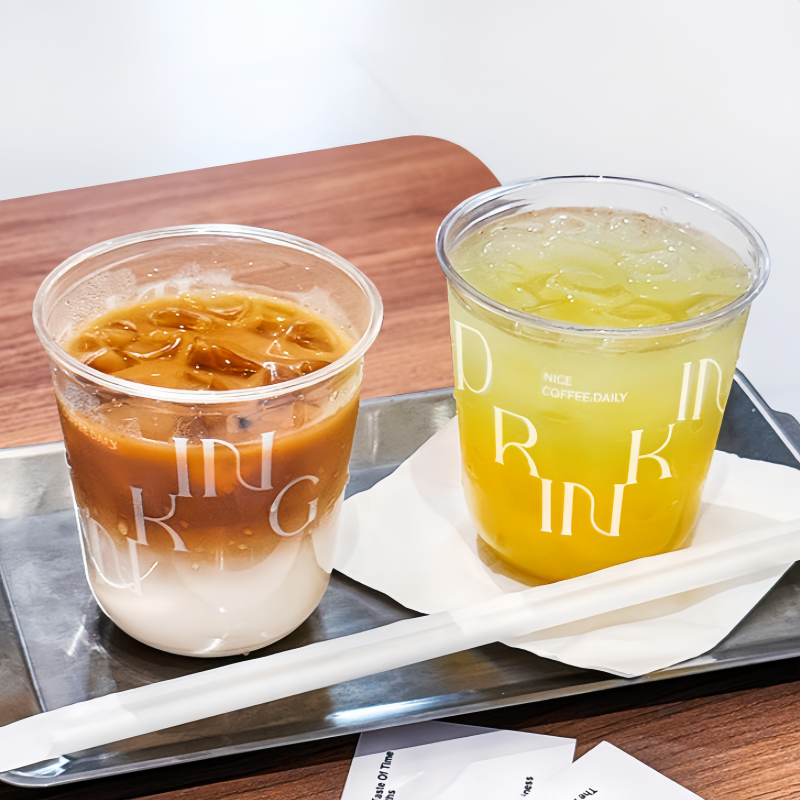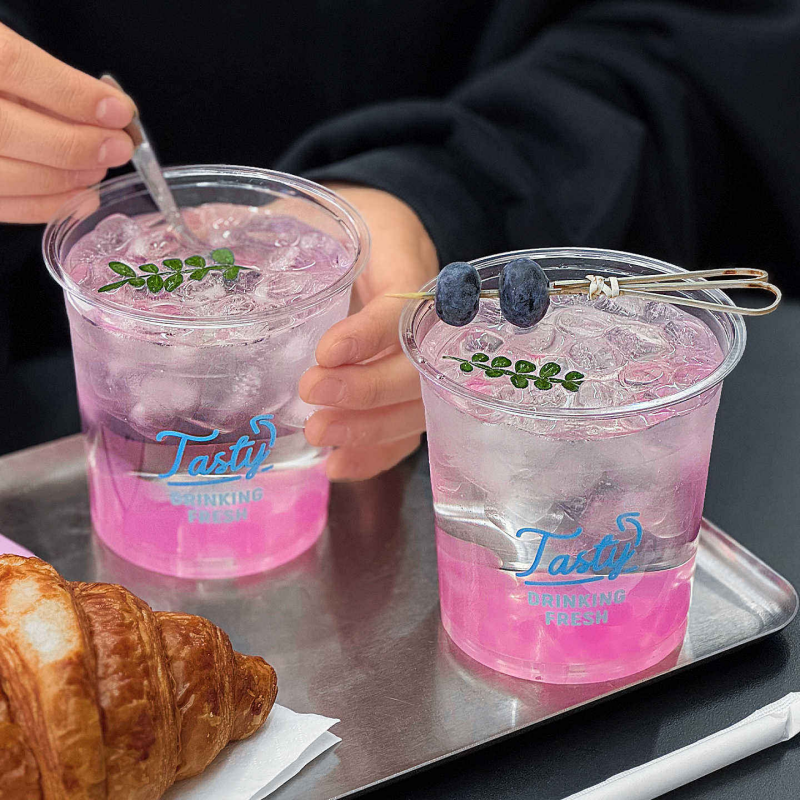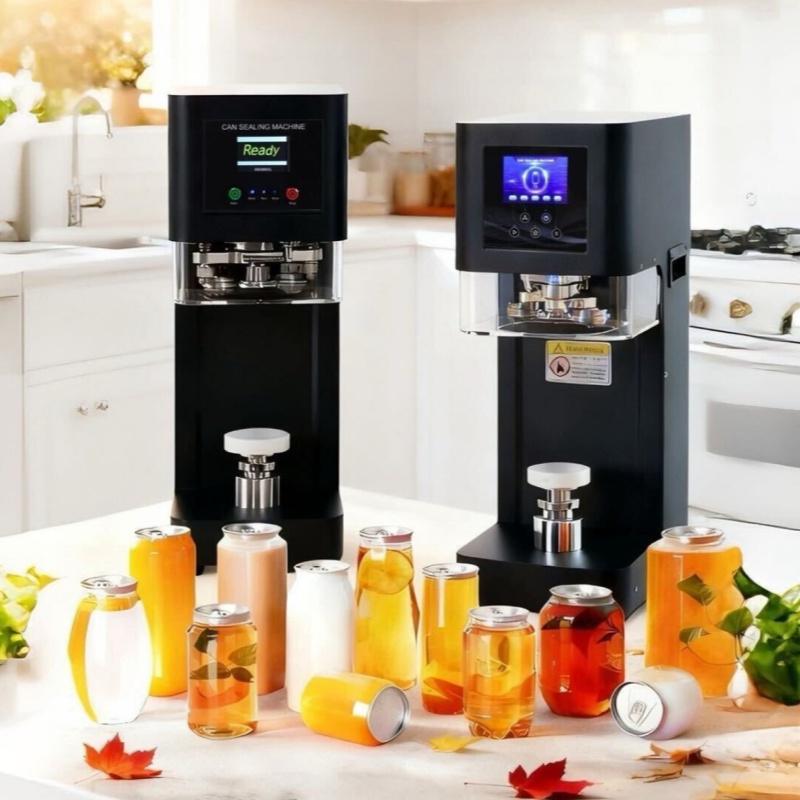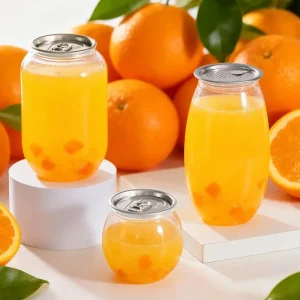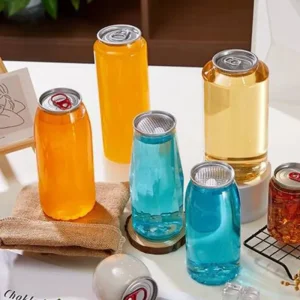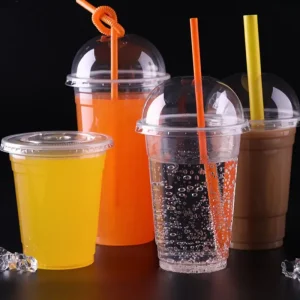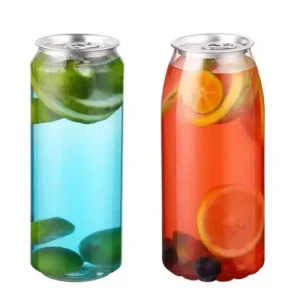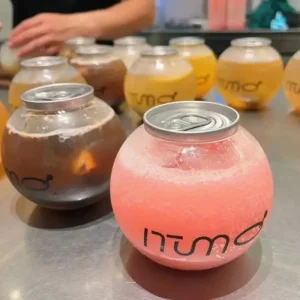
In the fast-evolving beverage, culinary, and specialty consumer goods packaging industries, the transition to Polyethylene Terephthalate (PET) cans represents a significant leap forward in carbon efficiency, display aesthetics, and structural versatility. Unlike traditional aluminum cans, PET cans offer transparent material visibility, allowing manufacturers to leverage their product's natural colors as a critical shelf-appeal dynamic. However, seaming an aluminum or peel-off tin lid to a plastic PET flange presents distinct material challenges.
An optimized sealing process requires meticulous mechanical sync between the seaming roll profile and the PET can flange design. As a specialized OEM PET can sealer manufacturer and exporter, we prioritize the physics of the double-seam closure. Because plastics deform differently under pressure compared to metals, a precise mechanical balance is required. Excess load during the sealing cycle can cause micro-fractures in the PET neck, compromising shelf life, whereas insufficient compression leads to high oxygen transmission rates (OTR) and fluid leaks.
The neck flange of a PET can must withstand axial loads during the initial Chuck engagement. When the first-operation roller folds the lid curl under the plastic flange, the material must remain rigid yet elastic enough to accept the curl shape without cracking. Following this, the second-operation roller flattens the assembly to form a gas-tight hermetic seal. Developing machines capable of processing varied wall-thickness ratios across different volumes—from 1oz up to 32oz—requires custom roller profiles, variable speed drives, and precise pneumatic control systems.
All machines conform to global safety directives. Undergone rigorous test cycles under various humidity levels to guarantee reliable seal performance.
Supporting operations from small-batch boutique breweries up to continuous, high-volume industrial processing plants.
Analyzing the shift toward transparent rigid containers and the mechanical solutions driving modern high-throughput packaging facilities worldwide.
Continuous inline rotary sealers feature multi-station heads, nitrogen-flush options, and synchronous conveyor integrations. Engineered to minimize headspace oxygen levels to less than 1.5%, protecting shelf life.
Incorporating micrometer-level mechanical adjustments on the seaming rollers. This enables operators to fine-tune operations to handle slight thickness variations in recycled PET (RPET) sheets.
Featuring SUS304/SUS316 stainless steel frame constructions. Resistant to corrosion from high-acidity juices, soft drinks, and cold-brew beverages, facilitating clean-in-place (CIP) operations.
Established in 2021, Shanghai COPAK Industry Co., Ltd. maintains a sales office in Shanghai and an associated factory in Guangdong Province. As a professional supplier of eco-friendly food and beverage packaging solutions, our product portfolio includes PET cups, PET cans, and sealing machines, among other related items.
Committed to staying ahead of market trends through continuous innovation, COPAK delivers high-quality yet cost-effective packaging solutions. Our product range covers PET cups and cans in diverse shapes and capacities—from 1oz to 32oz—available in both plain finishes and custom printed designs. As a long-term strategic partner and trusted supplier, we dedicate ourselves to designing and manufacturing reliable, premium-quality, and stylish PET cups and cans for our clients.
Having supplied PET cup and PET cans to numerous renowned brands, our products are now distributed globally.
We provide customers with green Eco-friendly high-quality products.
Integrating PET can sealers into an existing production plant requires careful alignment with local regulatory environments. In North America and Europe, clean-in-place (CIP) and washdown capability are subject to strict sanitation rules (such as 3-A Sanitary Standards and EHEDG guidelines). COPAK designs its systems to prevent liquid accumulation and discourage bacterial growth in mechanical gaps.
The versatility of PET cans sealed with aluminum ends has driven growth across several key markets:
Ensuring a consistent seal requires regular validation of critical dimensions:
We integrate research and development, manufacturing, and sales.
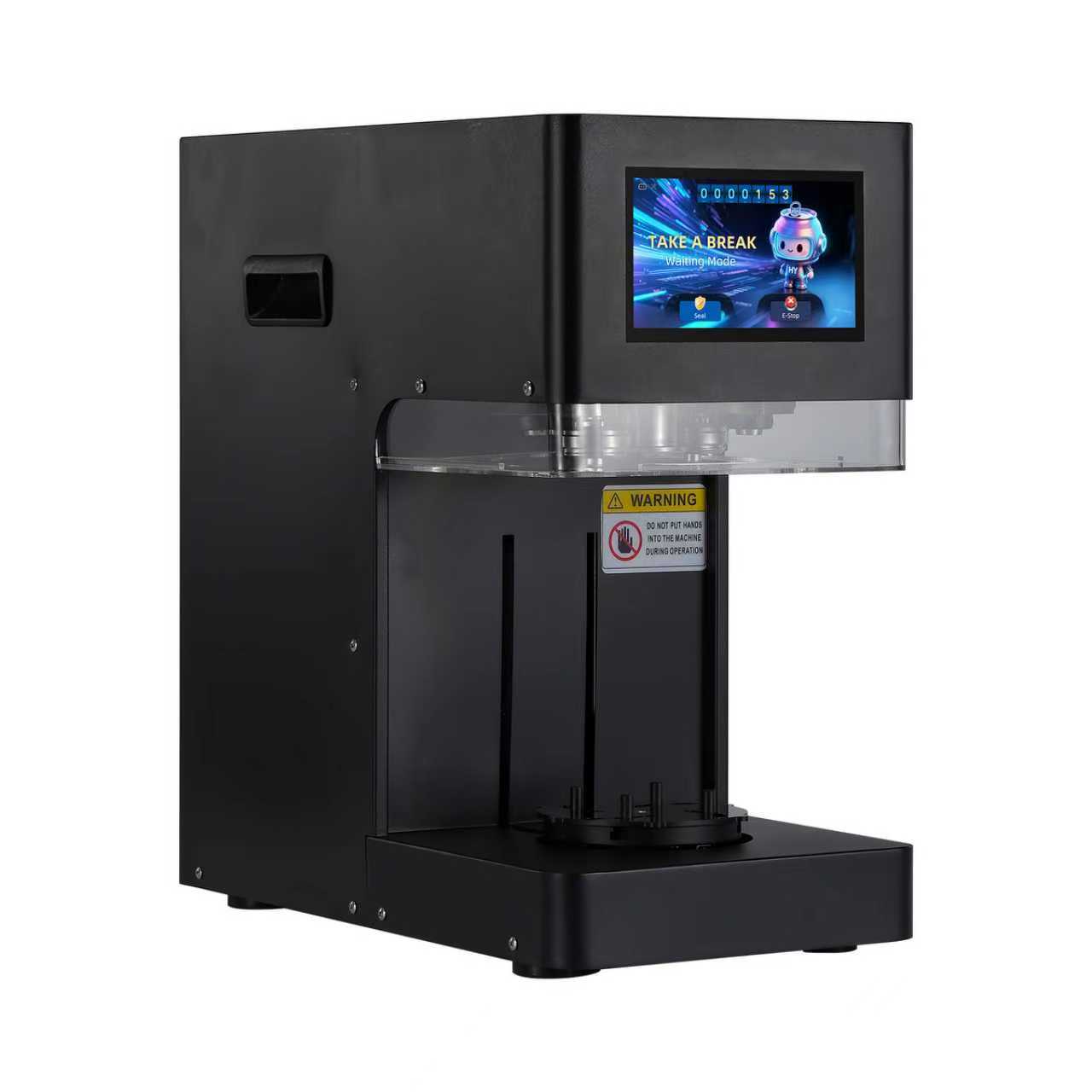
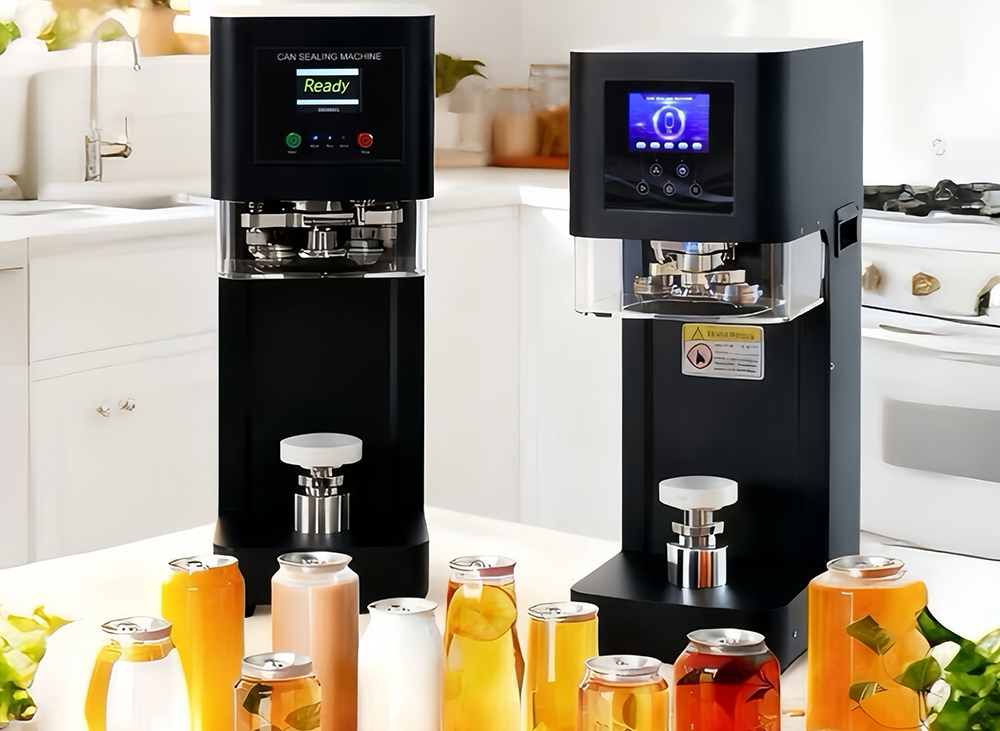
Introducing our latest smart machine equipped with servo-controlled drives to deliver precise seaming and adjustments for delicate plastic packaging.
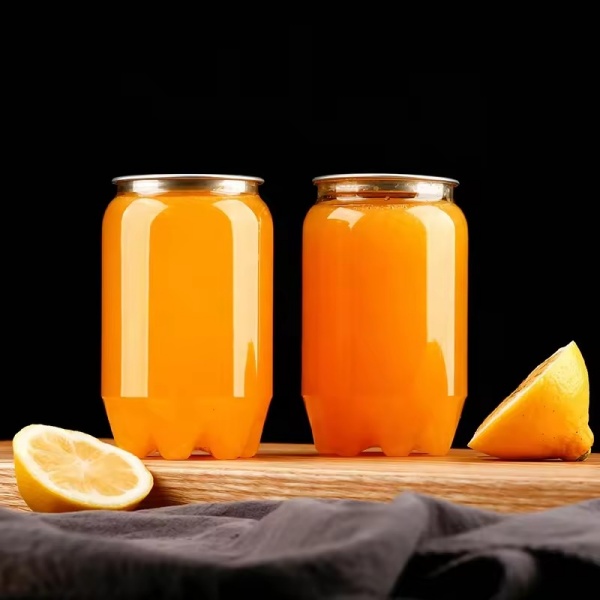
Examining the physical factors that dictate food shelf life in clear plastic containers, including oxygen penetration and mechanical seam degradation.
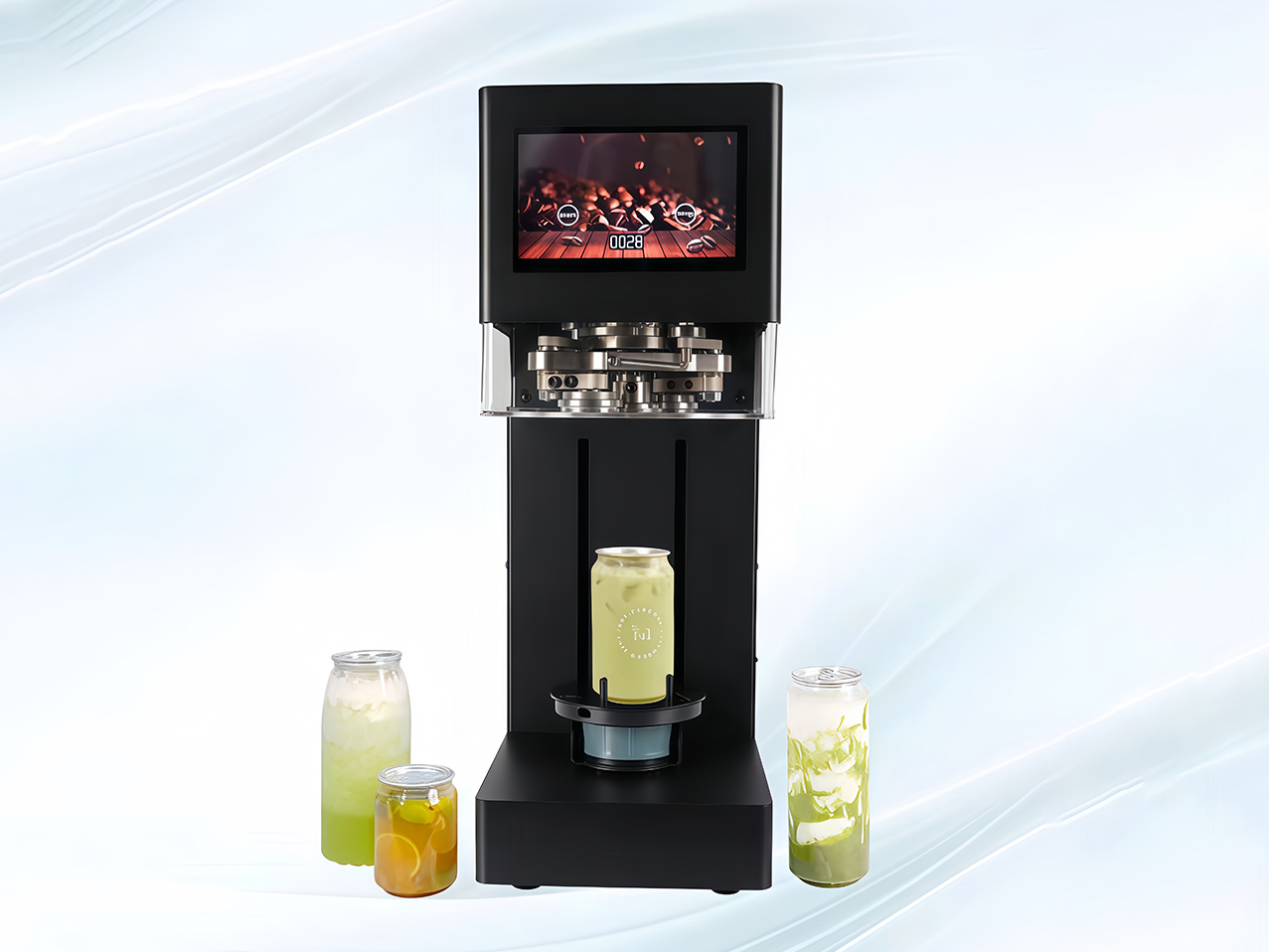
An in-depth look at the evolution of modern automated sealing technology and its primary benefits for PET cold-chain logistics.
At COPAK, we are committed to updating our manufacturing technology. Our development roadmap focuses on addressing industry shifts toward automation, smart factories, and eco-friendly circular economies:
Adding real-time sensors to our seaming chucks. By monitoring structural torque changes, the system can instantly identify and isolate cans with abnormal flanges before they leave the conveyor.
Developing adjustable chuck profiles to accommodate aluminum lids, easy-peel tin ends, and plastic caps on a single machine head, reducing downtime during changeovers.
Modifying sealing force curves to handle the different mechanical properties of RPET, helping brands reach sustainability targets without sacrificing seal reliability.
The process uses double-seaming technology. A mechanical seaming chuck holds the lid in place, while a first-operation roller folds the aluminum end curl under the plastic PET flange. A second-operation roller then compresses the fold to create a tight hermetic seal. Precise compression control is key to preventing the plastic flange from cracking.
Yes, our automated sealing systems can be configured with nitrogen gas injection systems. By injecting gas immediately prior to seaming, the machine displaces oxygen within the headspace, protecting products like cold brew coffee or nuts from oxidation.
Our systems support container capacities from 1oz to 32oz. The sealing head can be configured for industry-standard closures, including 200, 202, 206, and 209 diameters, in both Easy Open Ends (EOE) and Peel-Off Ends (POE).
As an exporter, we deliver equipment in protective export-grade wood packaging. We offer complete setup documentation, detailed video guides, and live video consultations with our engineering team in Guangdong to assist during commissioning.