Wholesale Sustainable RPET cups Service, Exporters

Product Description

How RPET Cups Drive the Circular Economy

In an era where sustainability is no longer optional but essential, businesses are under immense pressure to reduce their environmental impact. The traditional "take-make-dispose" model of plastic consumption is obsolete. Enter RPET (Recycled Polyethylene Terephthalate) Cups—a revolutionary packaging solution that transforms waste into a valuable resource, embodying the principles of the circular economy.

Turning Waste into Worth

The "R" in RPET stands for "Recycled." Unlike virgin PET, which is created by extracting crude oil and natural gas from the earth, RPET is derived from post-consumer waste. Specifically, it comes from used plastic water bottles and containers that have been collected, sorted, cleaned, and ground into flakes. By choosing RPET cups, you are actively diverting plastic waste from landfills and oceans.

Producing RPET can generate up to 79% fewer greenhouse gas emissions compared to producing virgin PET. For a large restaurant chain or a beverage franchise, switching to RPET cups translates to a massive reduction in their overall carbon footprint.
A True Circular Loop

The beauty of PET as a material is that it is infinitely recyclable without losing its core properties. An RPET cup is not the end of the line; it is just another step in the cycle. After your customer finishes their drink, that RPET cup can be tossed into a recycling bin, processed again, and potentially turned into a new cup, a t-shirt, or a bottle.

Educating the Consumer

Using RPET cups allows you to invite your customers into this sustainability journey. When a customer holds a cup made from recycled content, they feel good about their purchase. By clearly labeling your cups as "Made from Recycled Plastic," you are not just selling a drink; you are selling a shared value system.
Frequently Asked Questions
What exactly is RPET?
RPET stands for Recycled Polyethylene Terephthalate. It is a material made from recycled plastic (primarily PET water bottles) that has been cleaned and repurposed into new packaging.
Is RPET safe for food and beverage contact?
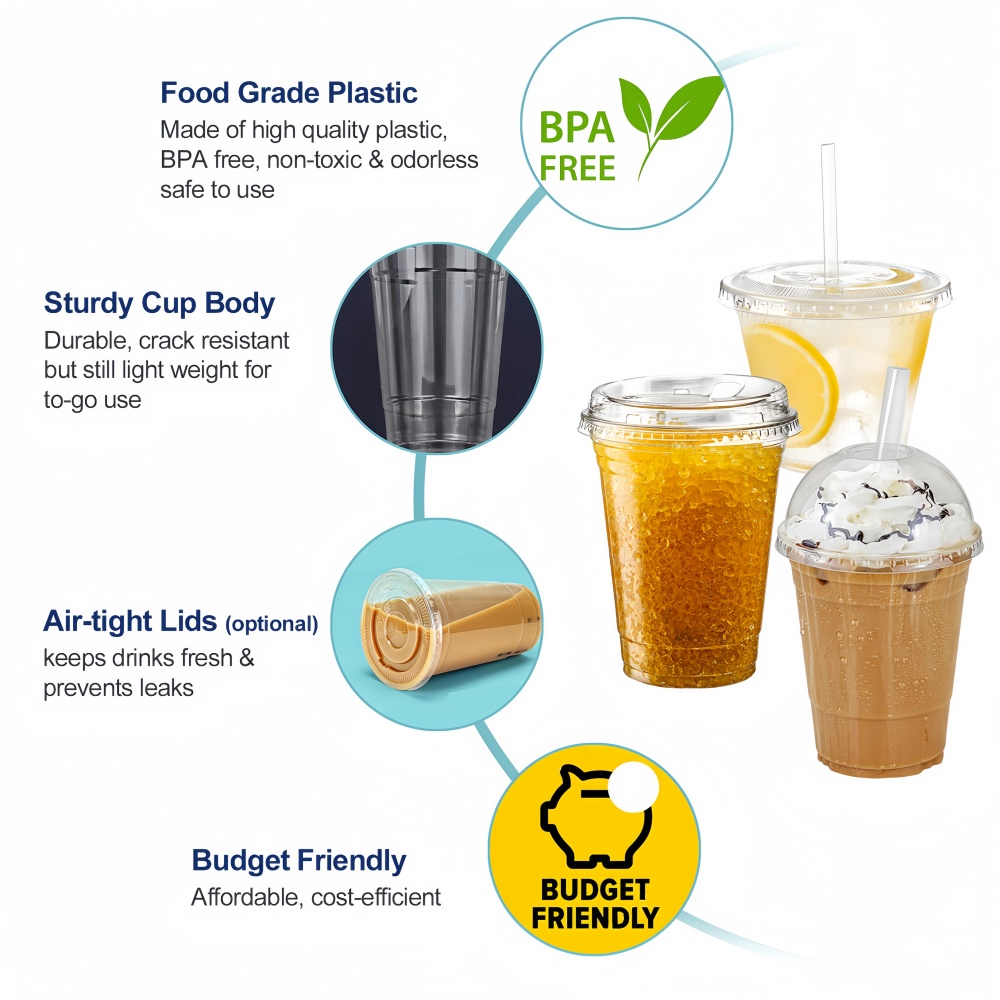
Yes, RPET used in food packaging undergoes rigorous cleaning and decontamination processes to meet safety standards, making it perfectly safe for cold drinks and food.
How does RPET benefit the environment?
It reduces the need for virgin plastic production, saves energy, and significantly lowers greenhouse gas emissions (up to 79%). It also diverts plastic waste from landfills and oceans.
Can RPET cups be recycled again?
Absolutely. One of the primary advantages of RPET is that it can be recycled repeatedly in a "closed-loop" system, continuing the circular economy cycle.
Does using RPET affect the quality of the cup?
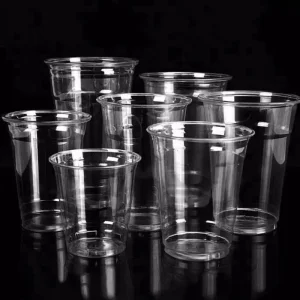
No. Modern manufacturing ensures that RPET cups maintain the same clarity, durability, and strength as traditional virgin PET plastic cups.
Why is RPET better than traditional plastic?
Traditional plastic relies on fossil fuel extraction, whereas RPET utilizes existing waste, reducing the environmental footprint and promoting a sustainable regenerative system.

Related Products