1 / 3

Walk into any high-end convenience store or café, and you will notice a pricing discrepancy. A fresh iced coffee in a disposable plastic cup might cost $4.00, while a specialized cold brew in a sealed PET can might sell for $6.00 or more. Why are consumers willing to pay a premium for PET cans, and how can brands leverage this for higher ROI?
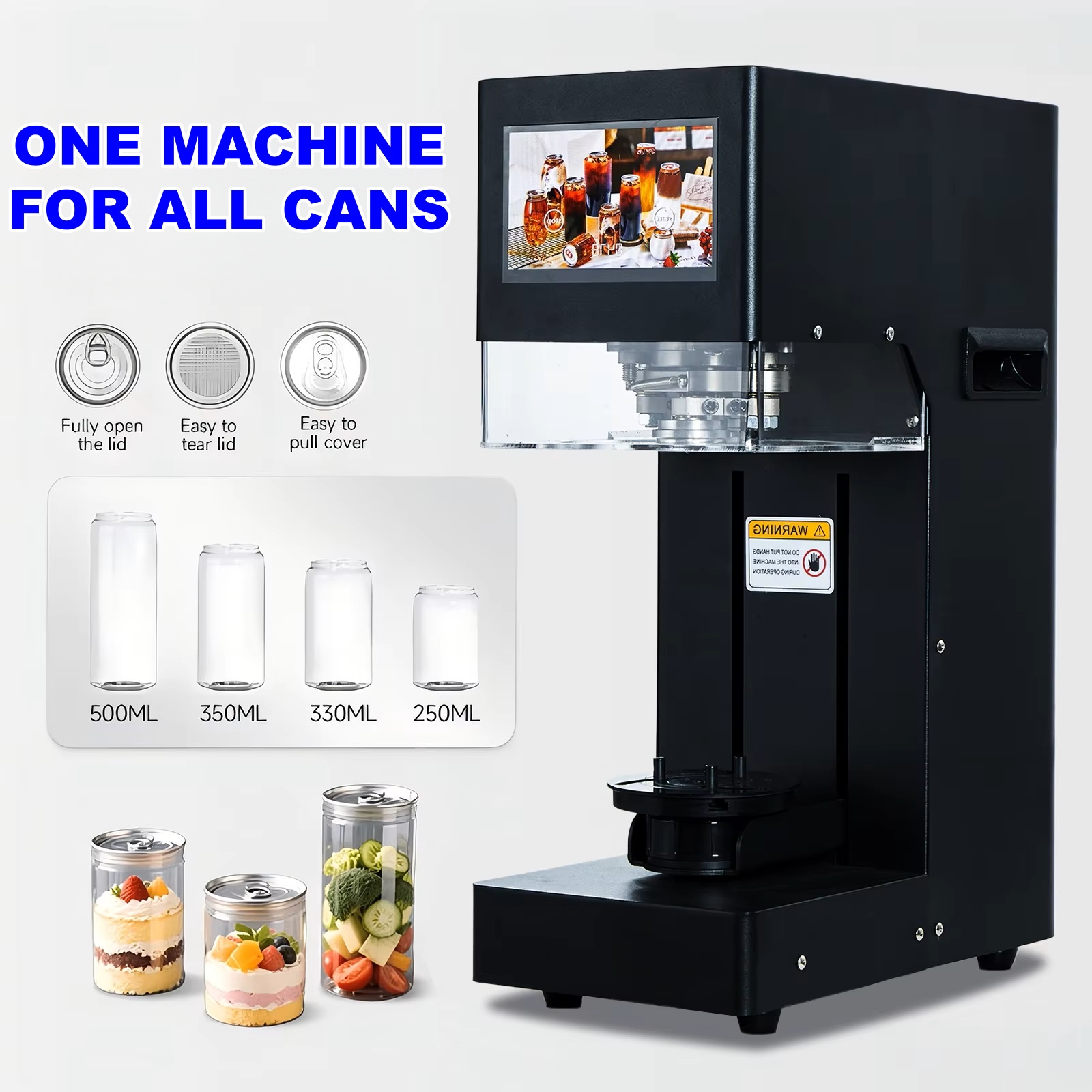
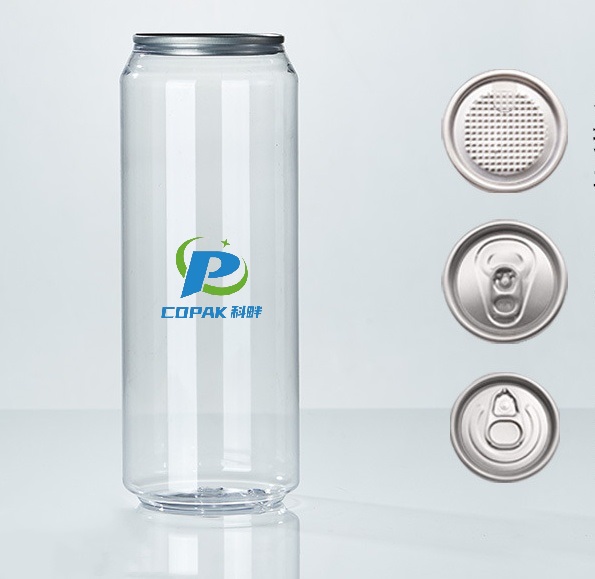
The standard plastic cup with a straw is a liability. It spills if tipped, it sweats condensation, and it cannot be thrown into a backpack. It forces the consumer to drink it immediately. A PET can transforms the coffee from a "service" into a "product." The secure seal (especially with screw-top options or robust EOEs) offers portability. Consumers pay extra for the convenience of drinking half now and half later, or transporting the drink safely to their office.
Consumers associate flimsy plastic cups with "fast food." In contrast, a PET can—especially one that looks like a sleek, industrial cylinder—conveys a message of preservation technology. It suggests that the coffee inside has been sealed at the peak of freshness, perhaps using Cold Brew or Nitrogen infusion techniques. The packaging itself signals to the consumer that this is a "crafted" beverage, not just a fountain drink.
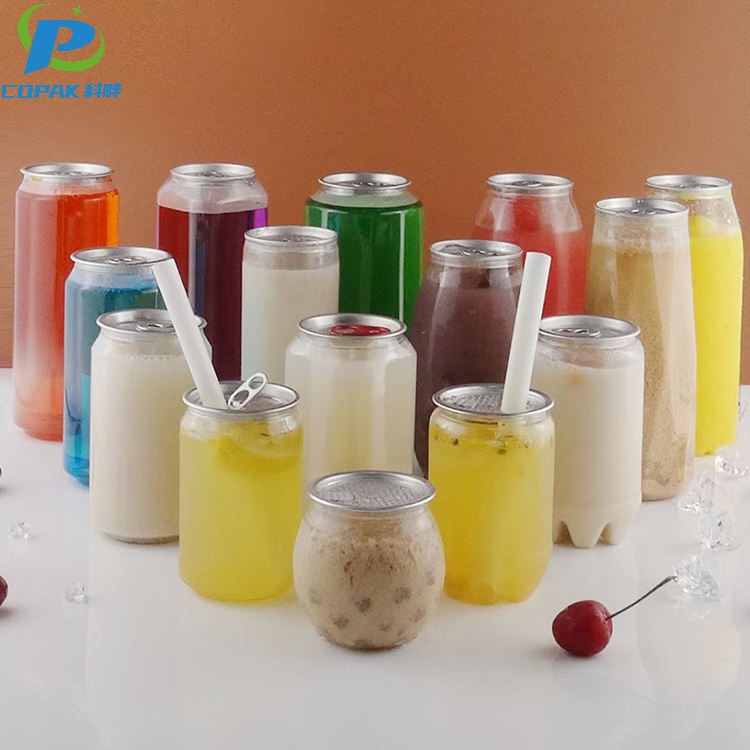
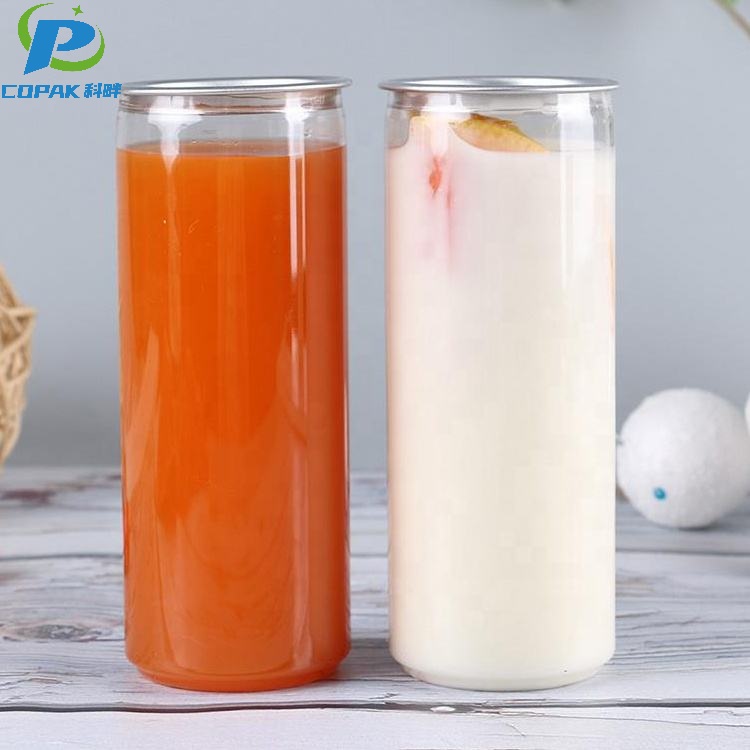
When a customer buys a cup of iced coffee, 40% of the volume is often ice. A 350ml PET can, however, is typically filled with 350ml of actual beverage. Smart consumers realize they are getting more caffeine and liquid for their money, which justifies the higher upfront price tag.
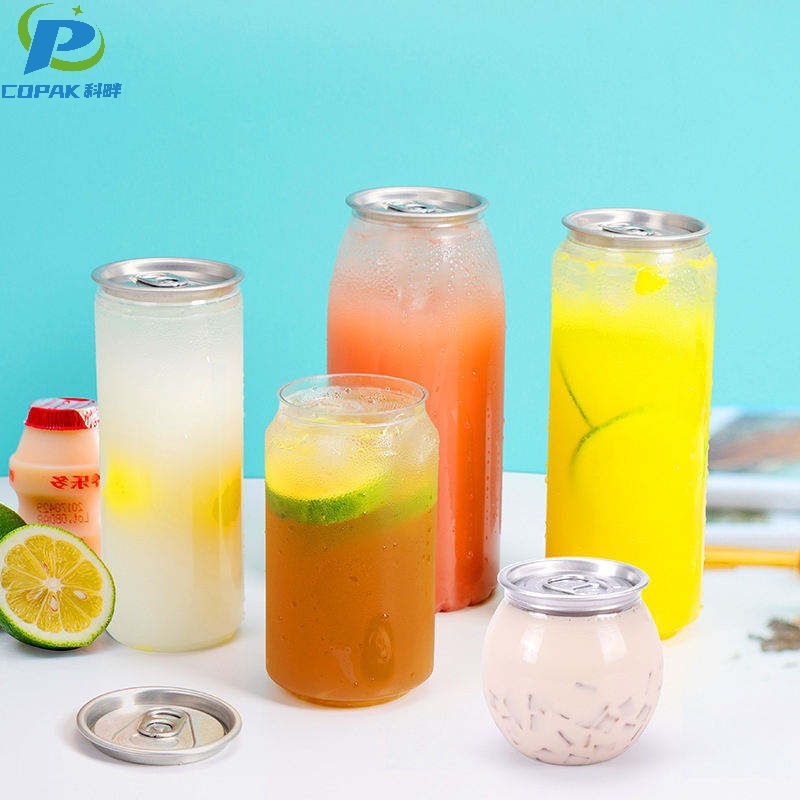
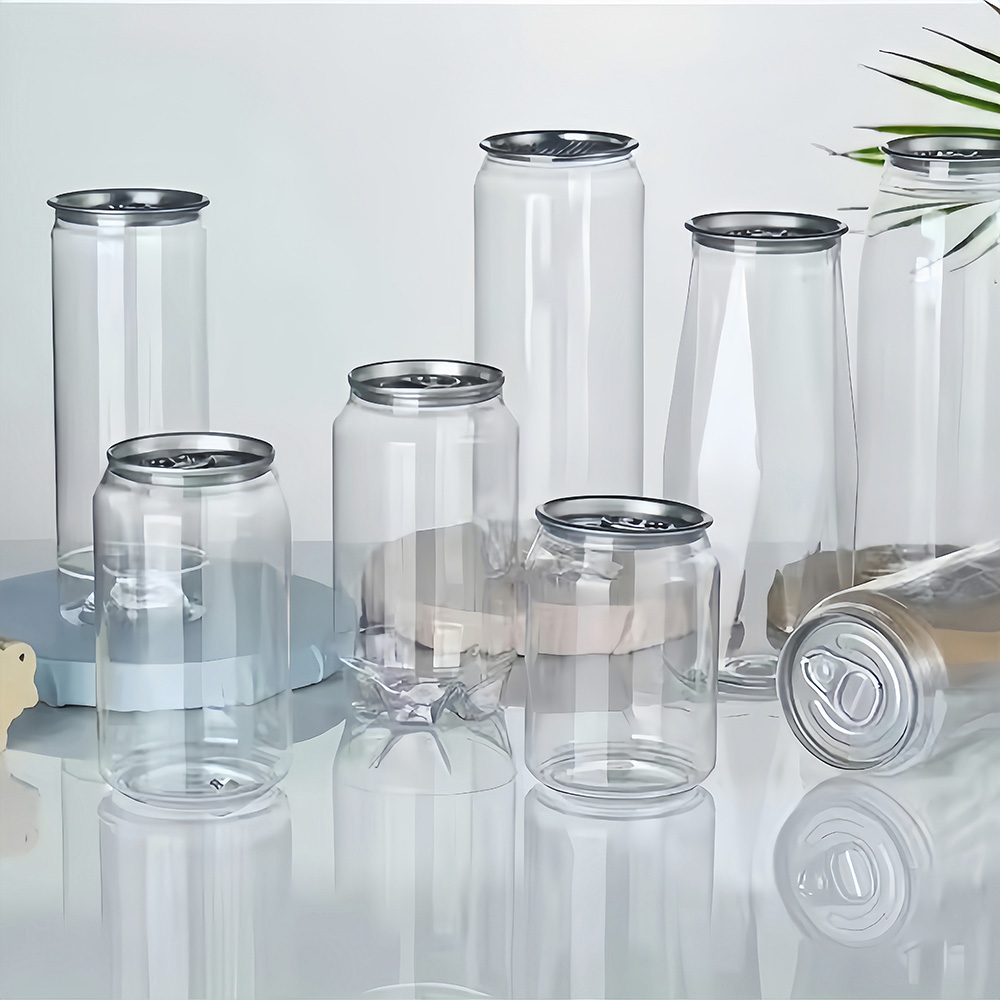
For coffee roasters and beverage entrepreneurs, the PET can is not an expense; it is a value-add. It allows you to move your product out of the "commodity" price bracket and into the "premium lifestyle" bracket, significantly increasing your profit margins.