1 / 3

The "Fresh-Cut" produce category is exploding. Convenience stores, airports, and supermarkets are dedicating more shelf space to ready-to-eat watermelon chunks, pineapple spears, and mixed berry salads. However, cut fruit is incredibly perishable. It releases moisture, softens quickly, and is highly susceptible to oxidation. Packaging it correctly is not just about containment; it’s about preservation. PET cups offer the ideal combination of visibility and protection to keep your fruit looking and tasting fresh.
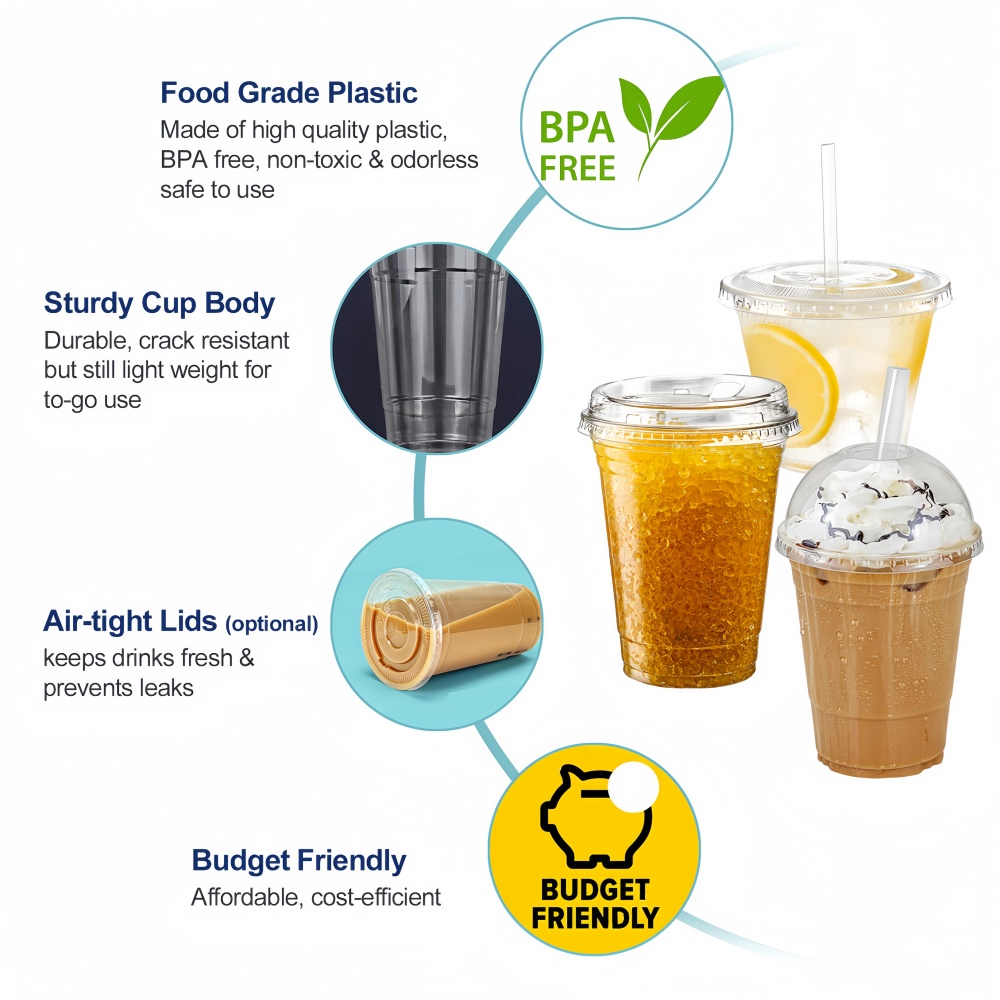
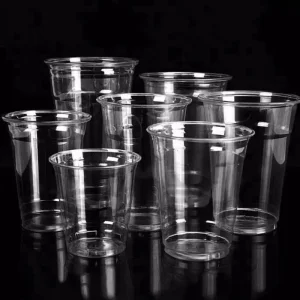
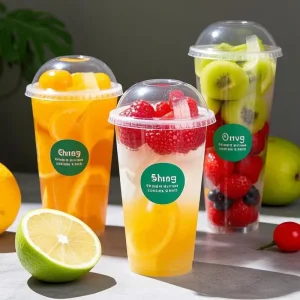
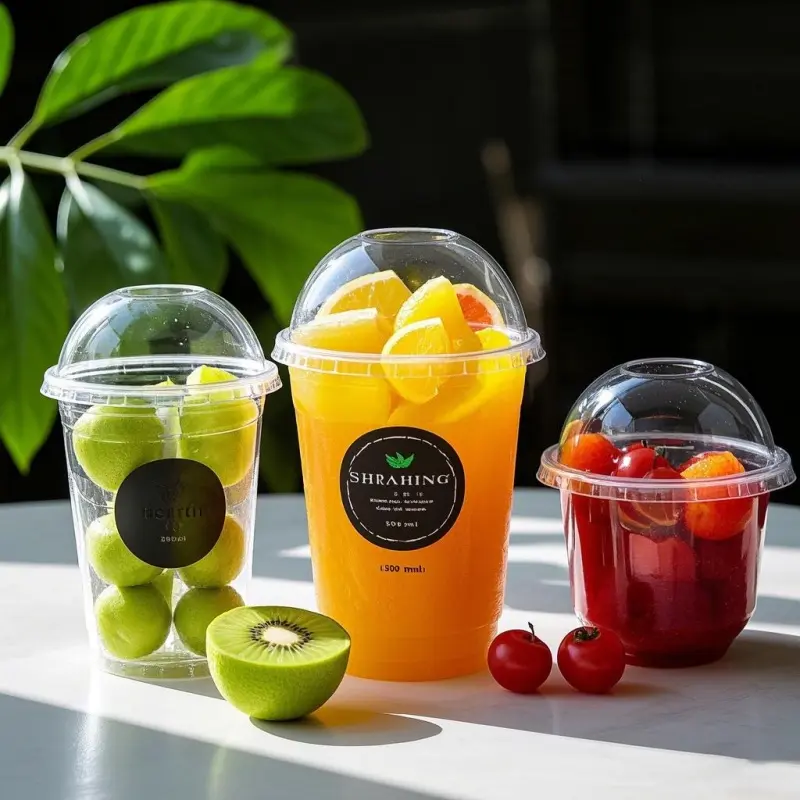
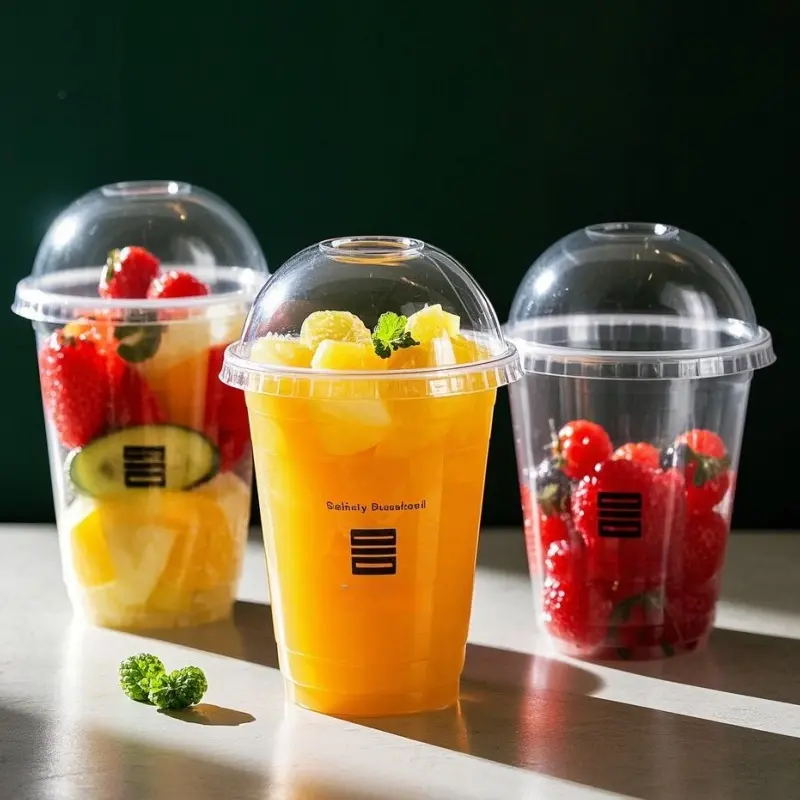
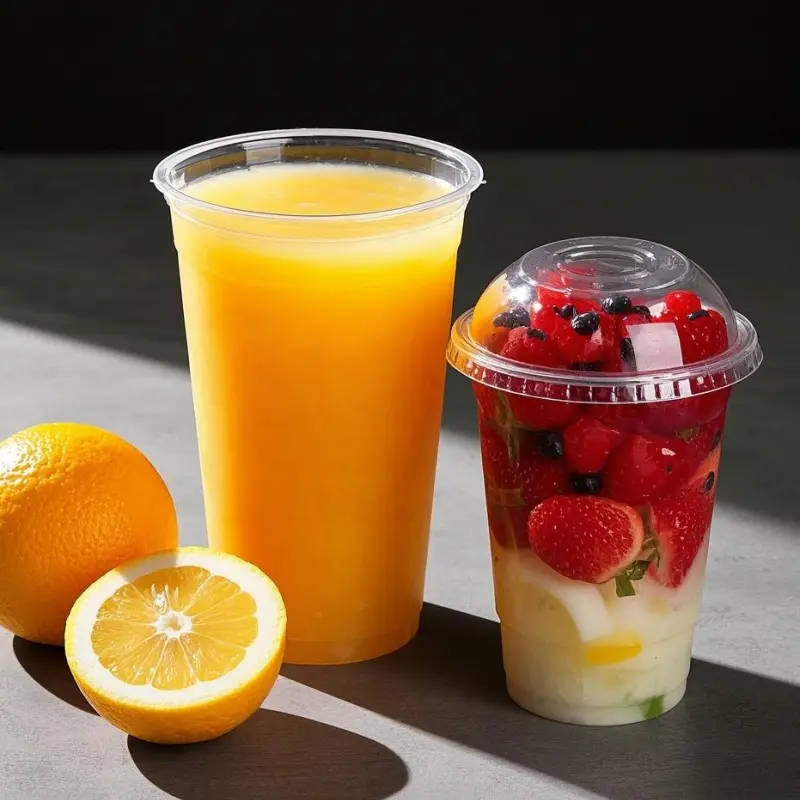
When a customer buys cut fruit, appearance is the only quality indicator they have. If the container is cloudy, the fruit looks dull and old. If the plastic has a tint, it distorts the natural color. Our PET cups provide optical-grade clarity that rivals glass. This transparency allows the vibrant red of a strawberry or the bright yellow of a pineapple to pop off the shelf. It creates an appetizing visual appeal that reassures the customer of the product's freshness and high quality.
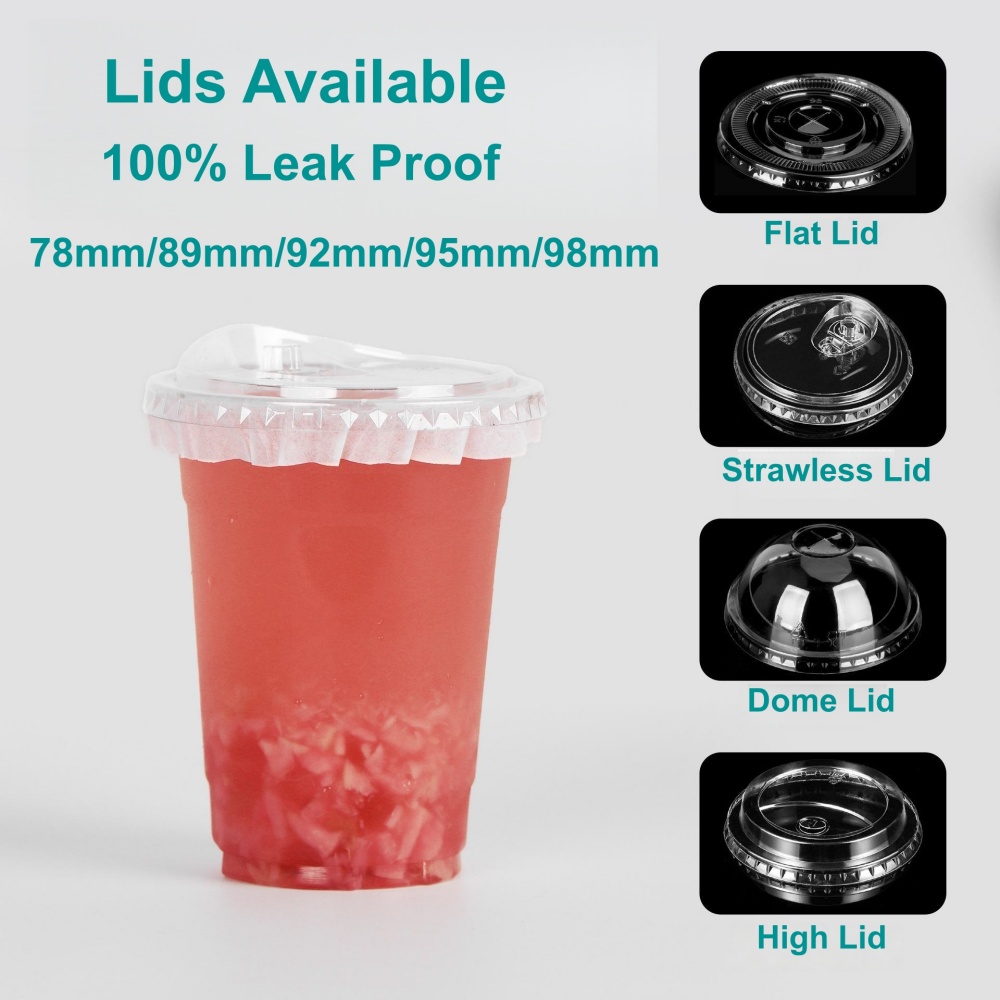
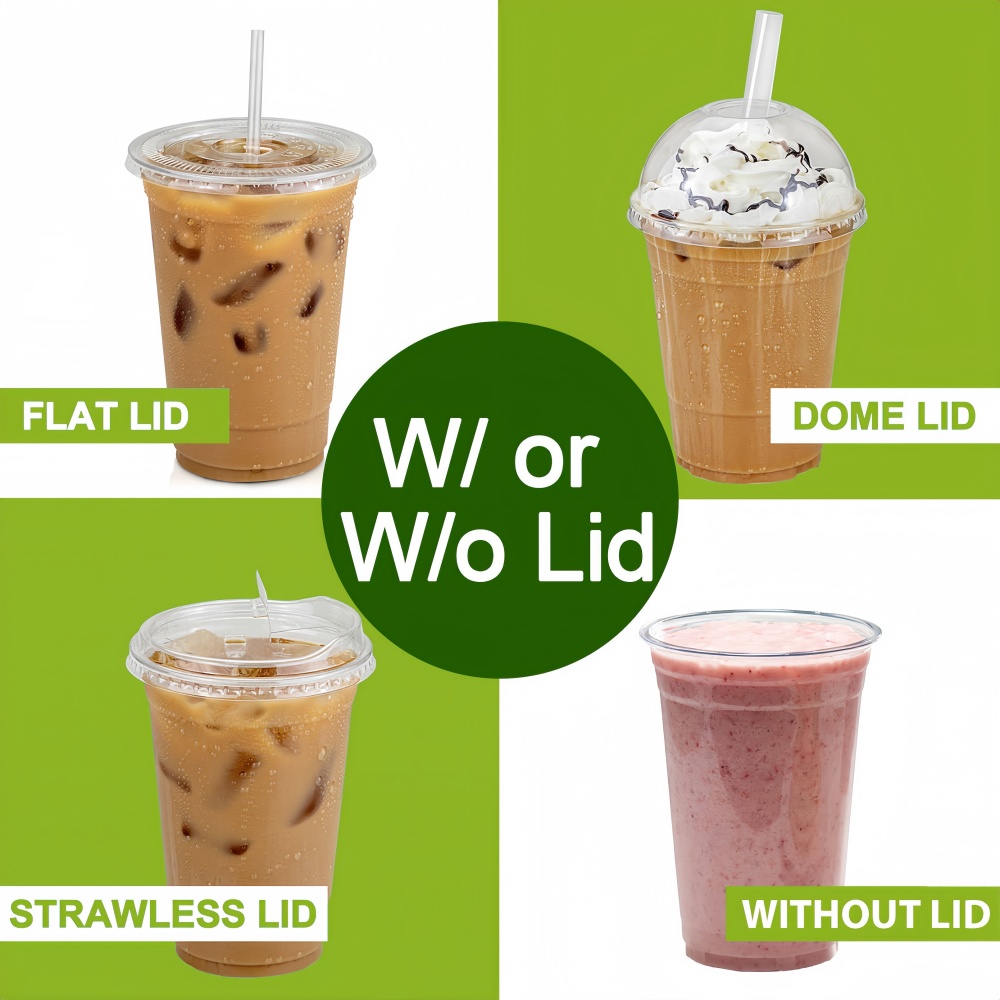
As cut fruit sits, it naturally releases juices. A leaky package is a disaster for retailers—it makes the shelves sticky, attracts pests, and ruins the customer's shopping experience. Our PET cups are designed with a precision-rolled rim that creates a hermetic seal with our matching lids (whether flat or dome). This ensures that sticky fruit juices stay contained inside the cup, even if the package is tipped sideways in a shopping basket or car seat.
Soft fruits like berries, kiwi, and peaches are easily bruised. Packing them in flimsy bags or soft plastic wraps can lead to crushed, unappealing product. The rigid sidewalls of a PET cup act as a protective shell. They prevent the fruit from being squashed during stacking, transport, or customer handling. This physical protection reduces "shrink" (product loss) caused by damaged goods, directly improving your bottom line.
For specialized applications, PET cups can be modified to support the respiration needs of fresh produce. We offer lids with optional venting holes or micro-perforations. These allow for gas exchange—letting excess ethylene gas escape while maintaining humidity. This balance helps to prevent the fruit from becoming slimy or fermenting, extending the shelf life by valuable days and keeping the texture crisp and enjoyable.