Custom printed PET cups With Lids-1

Product Description

Recyclable PET Cups (Code #1): Supporting the Circular Economy

Sustainability is no longer a trend; it's a business necessity. However, navigating eco-friendly packaging can be confusing. Our Recyclable PET Cups offer a straightforward and effective solution. PET (Resin Identification Code #1) is the most widely recycled plastic in the world. Unlike compostable plastics (PLA) that require specific industrial facilities often unavailable in many cities, PET can be processed by virtually every curbside recycling program globally.

The Truth About Plastic Recycling: The goal of a circular economy is to keep materials in use for as long as possible. PET is highly valued by recyclers because it can be washed, melted down, and reformed into new products—such as fiber for clothing (polyester), strapping, or even new bottles (rPET). By choosing PET, you are using a material with a well-established end-of-life infrastructure.
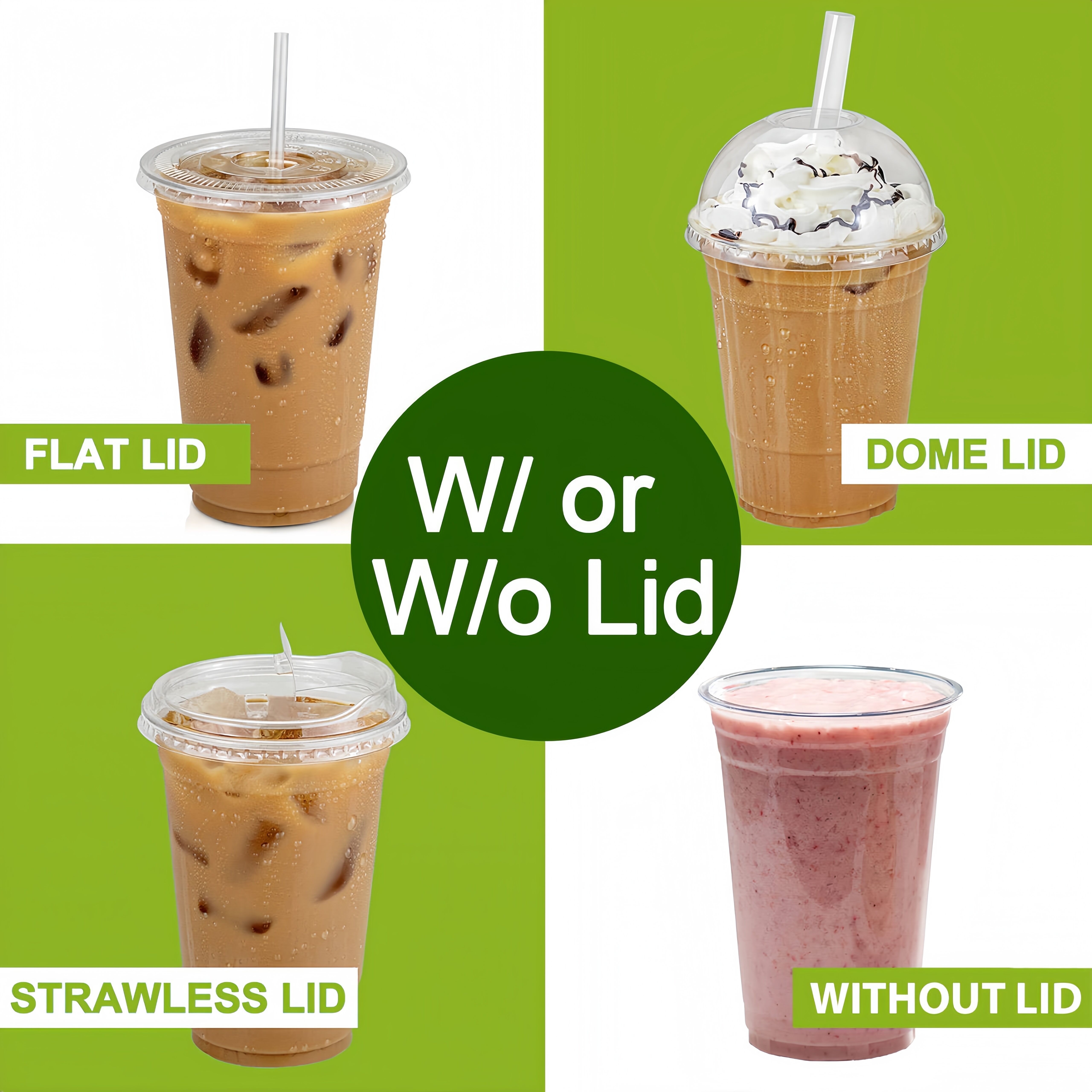
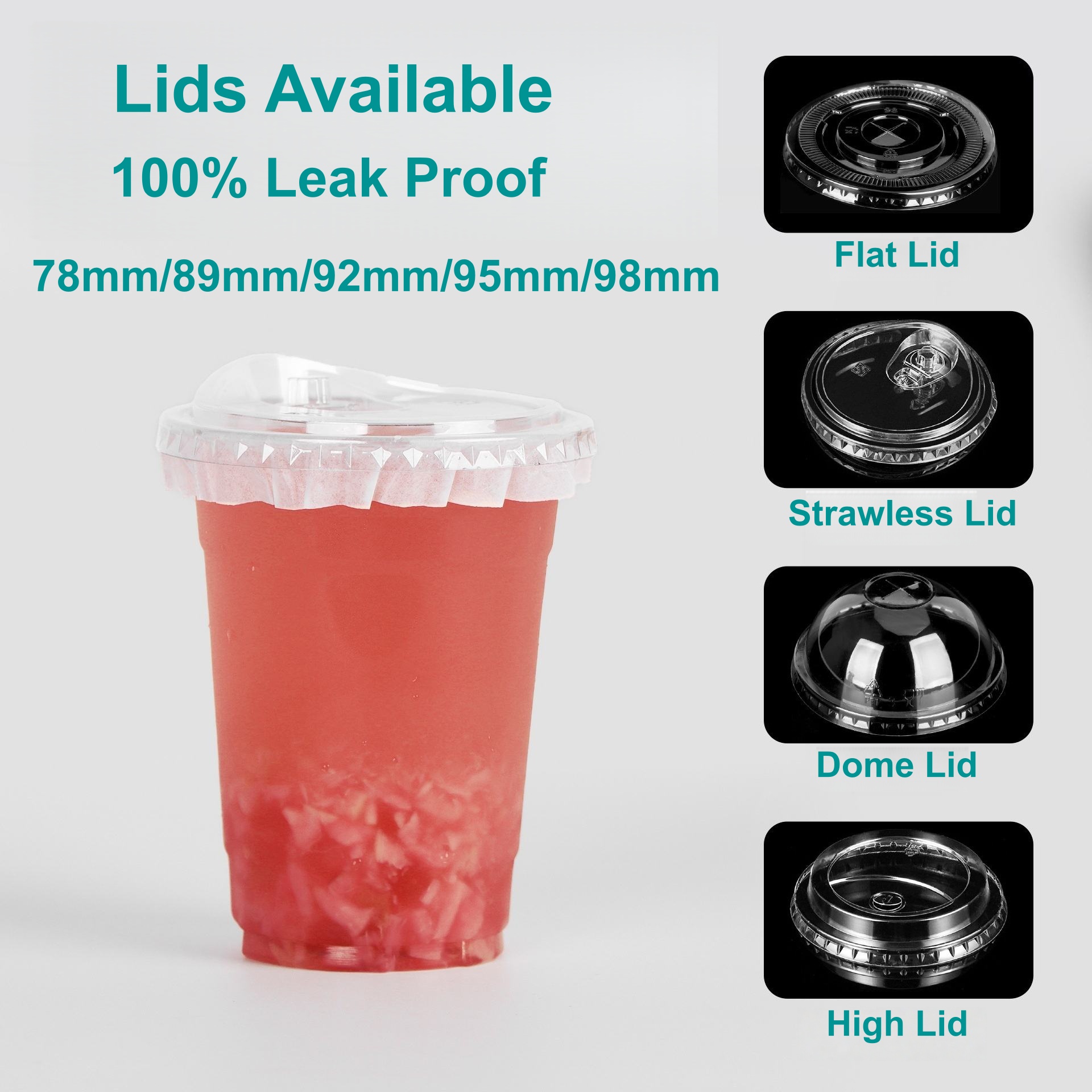
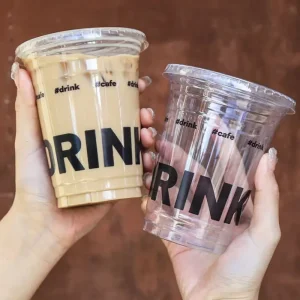
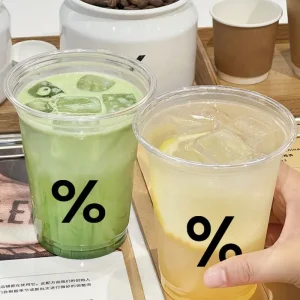
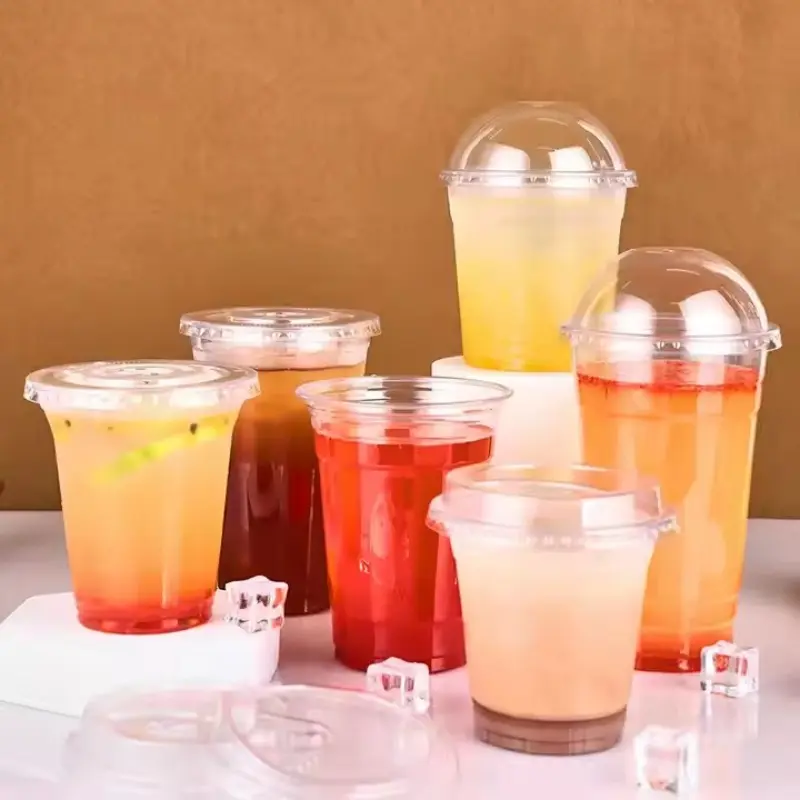
Recyclable PET Cups Display
Eco-friendly PET Material

Eco-Features

♻️ Code #1:

Clearly marked on the bottom of every cup for easy sorting by consumers and recycling facilities.

Energy Efficient:

Manufacturing PET requires significantly less energy compared to glass or aluminum production processes.

🚚 Lightweight:

Reduces carbon footprint during transportation compared to heavier packaging alternatives.

While no single solution solves the global waste crisis, choosing a highly recyclable material like PET is a responsible step. It empowers your customers to dispose of their waste correctly and supports the global recycling industry.
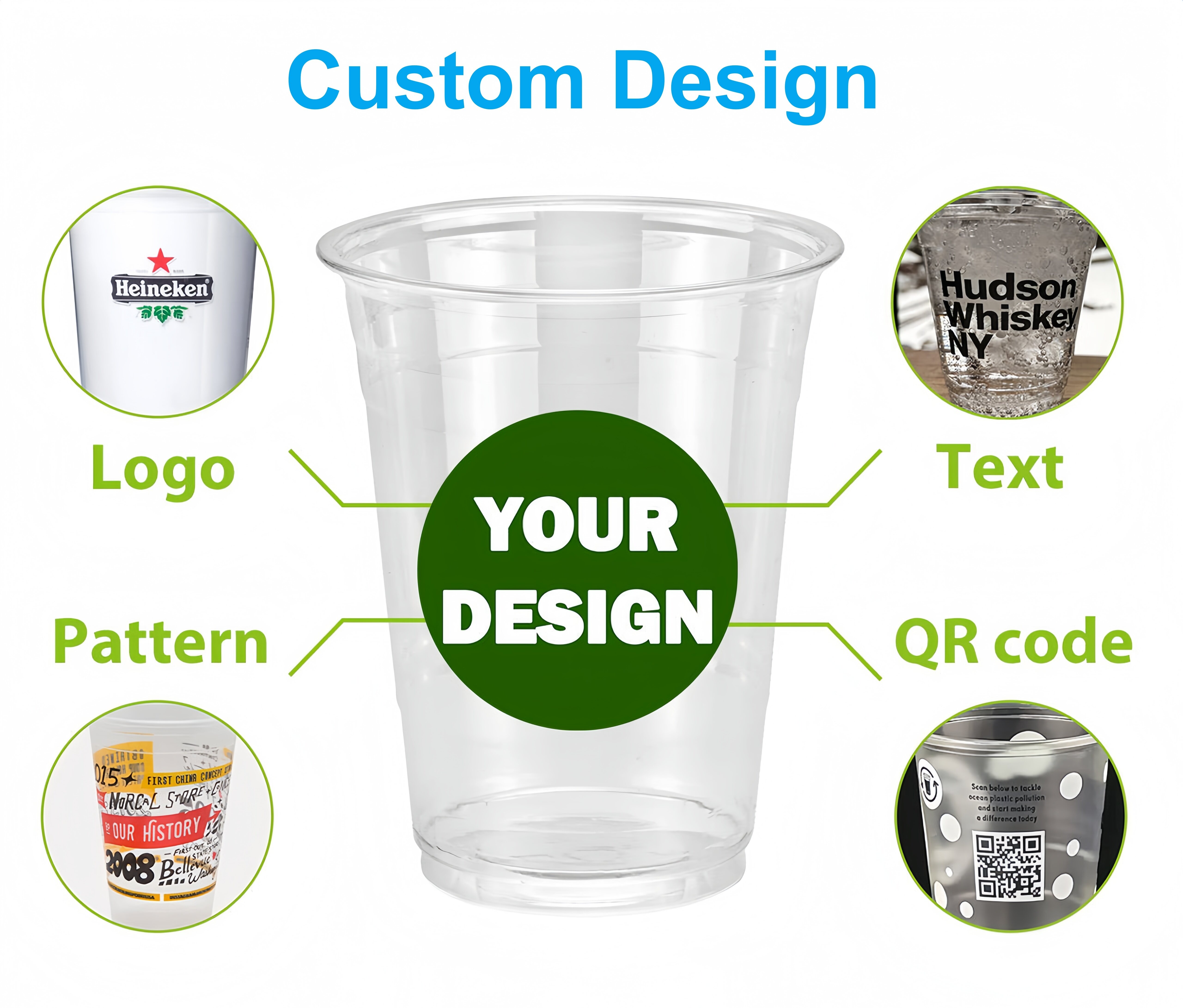
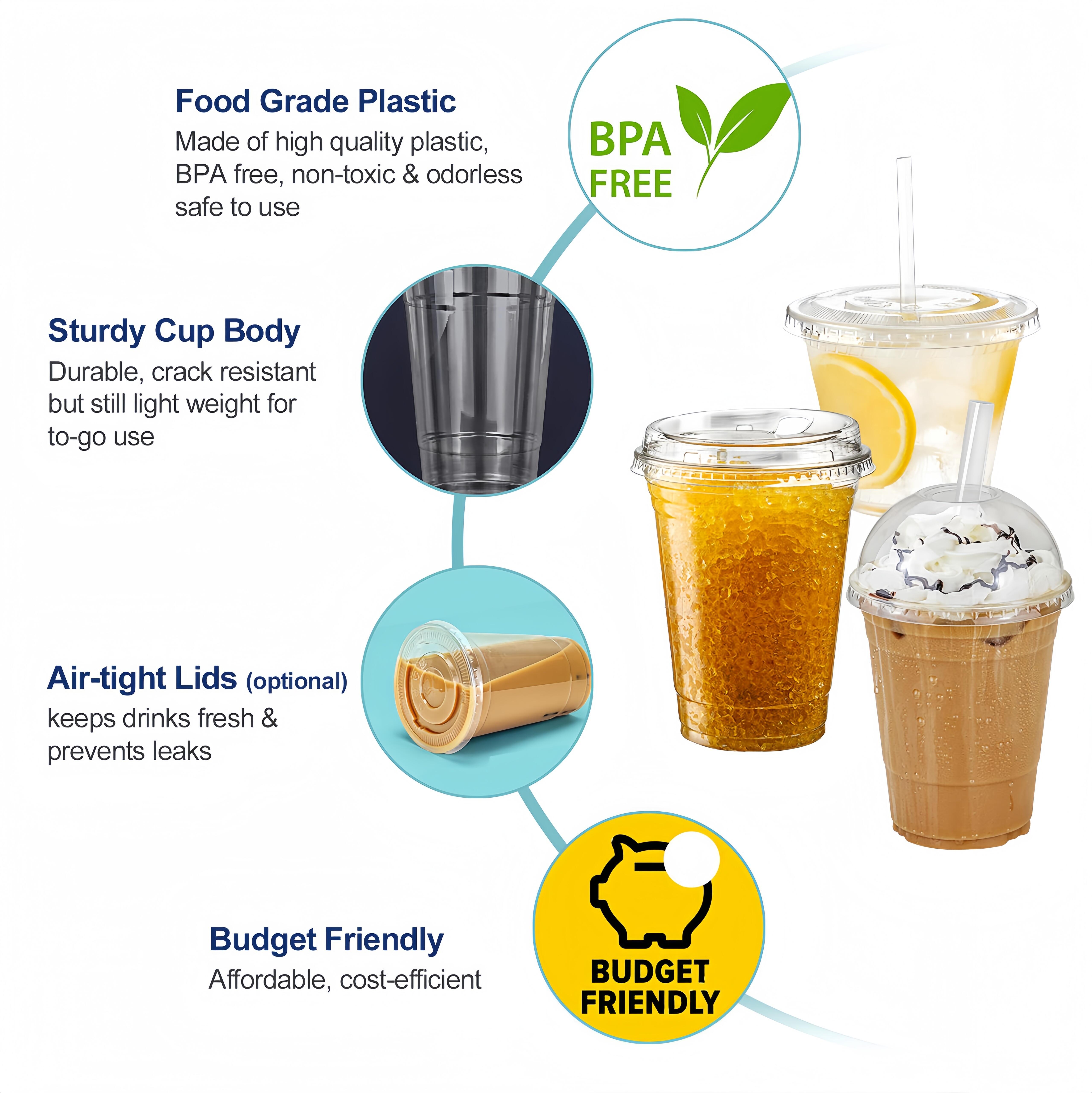
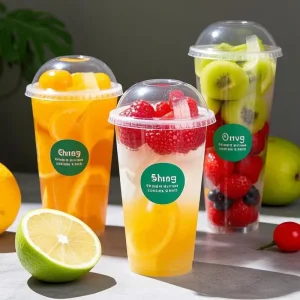
PET Cup Manufacturing Quality
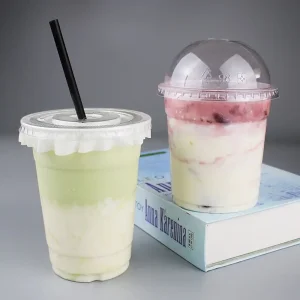
Clear PET Beverage Cups
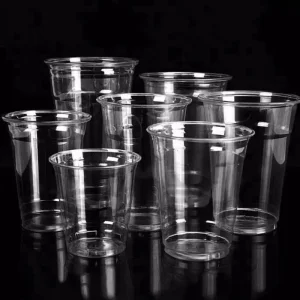
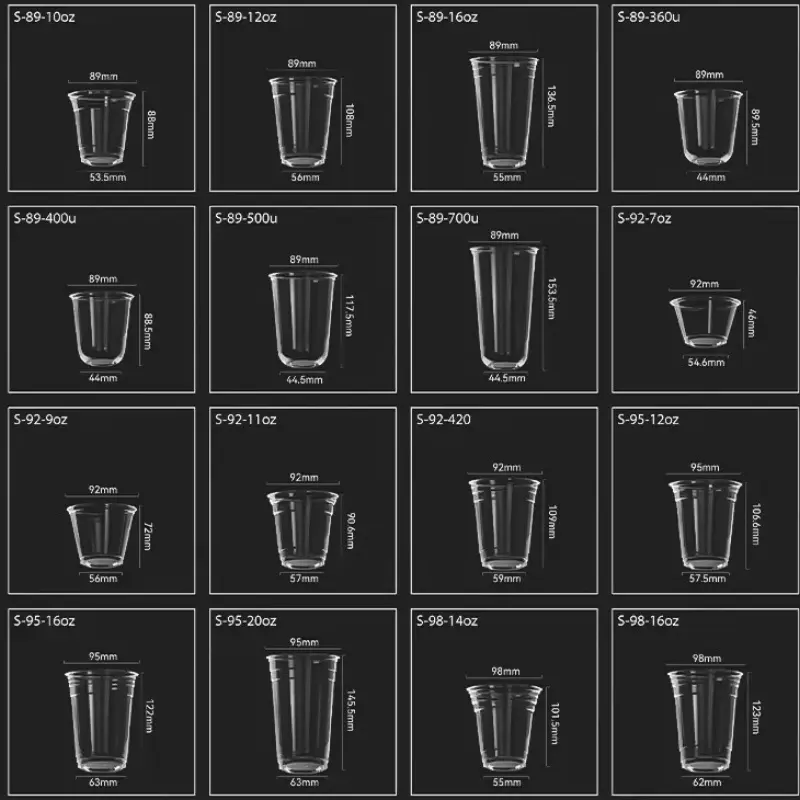
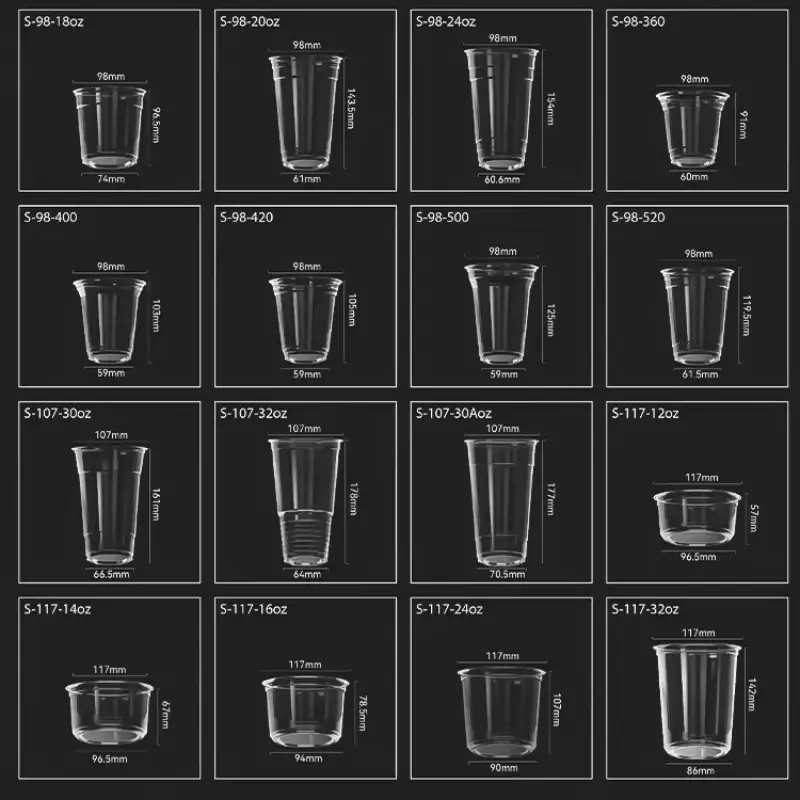
Full PET Product Line
Frequently Asked Questions
Q1: What does "Resin Identification Code #1" mean? It indicates the cup is made of PET (Polyethylene Terephthalate), which is the most widely accepted and easily recycled plastic material globally.
Q2: Why is PET better than compostable PLA plastics? Unlike PLA, which requires specific industrial composting facilities, PET can be recycled through almost any standard curbside recycling program.
Q3: How does PET support the circular economy? PET is highly valuable to recyclers because it can be processed and transformed into new products like clothing fibers, strapping, and new food-grade bottles.
Q4: Does using PET cups help reduce carbon emissions? Yes. PET is lightweight, which reduces fuel consumption during transport, and its manufacturing process is more energy-efficient than glass or aluminum.
Q5: Are these PET cups durable for all beverages? PET provides excellent clarity and strength, making it ideal for a wide range of cold beverages while remaining fully recyclable after use.
Q6: How should consumers dispose of these cups? Simply rinse and place them in any standard plastic recycling bin; the Code #1 symbol will ensure correct sorting at the facility.

Related Products