
1 / 3

A beautifully packaged PET can with an inferior seal is a recipe for disaster. Leaks, product spoilage, and premature carbonation loss can quickly damage your brand's reputation. Ensuring the consistent integrity of your can's seal is paramount for product quality and customer satisfaction. Regular testing, especially when setting up a new line or changing parameters, is non-negotiable.
Here are the essential methods for testing the seal integrity of your PET cans.
What to Look For: After the can is sealed, conduct a thorough visual check. Examine the seam all around the lid.
Frequency: Continuous, vigilant observation during production.
This is a fundamental test for liquid products.
Method A (Submersion - for non-carbonated):
Method B (Pressure Test - for carbonated):
Frequency: At the start of each production run, after any machine adjustments, and periodically during the run (e.g., every 30-60 minutes).
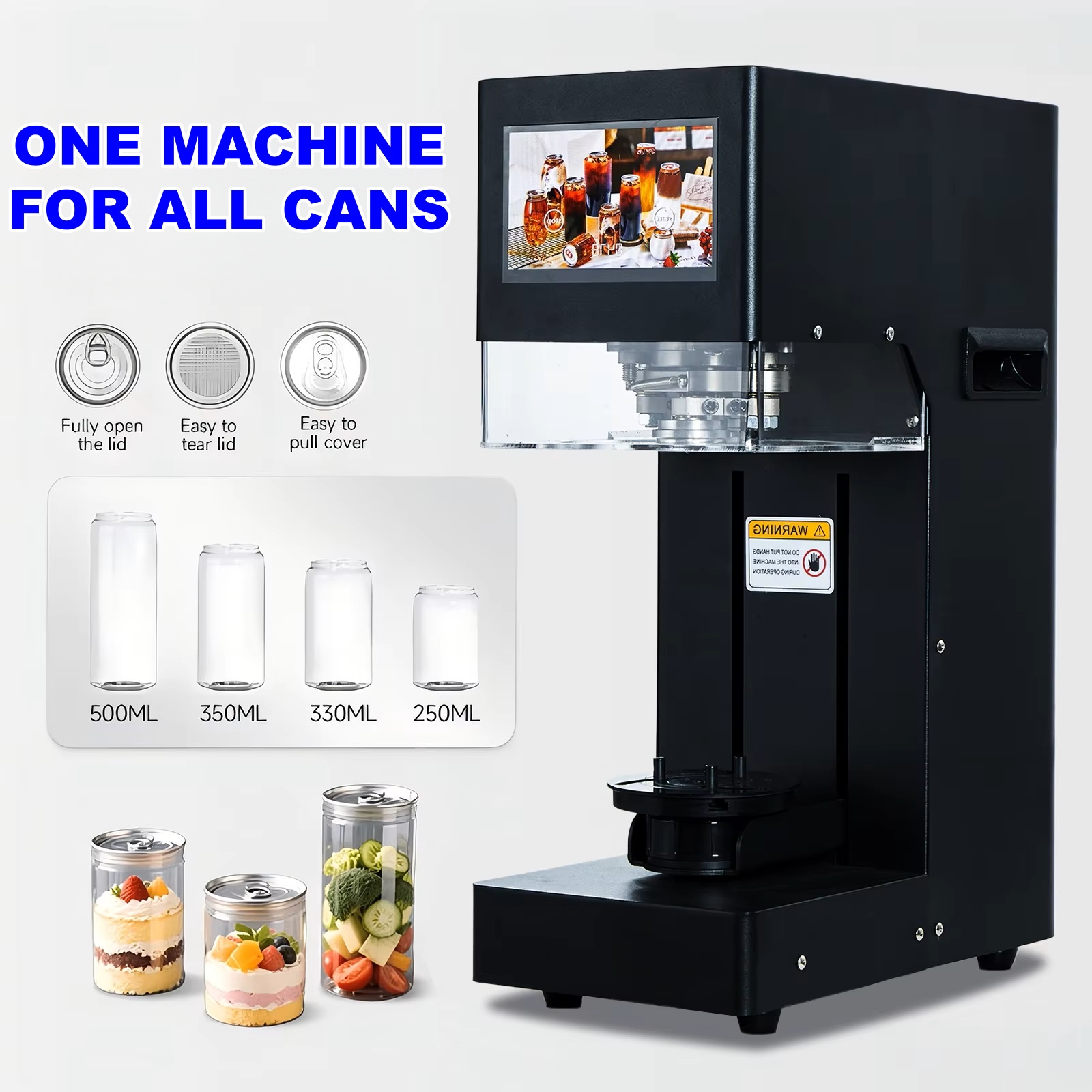
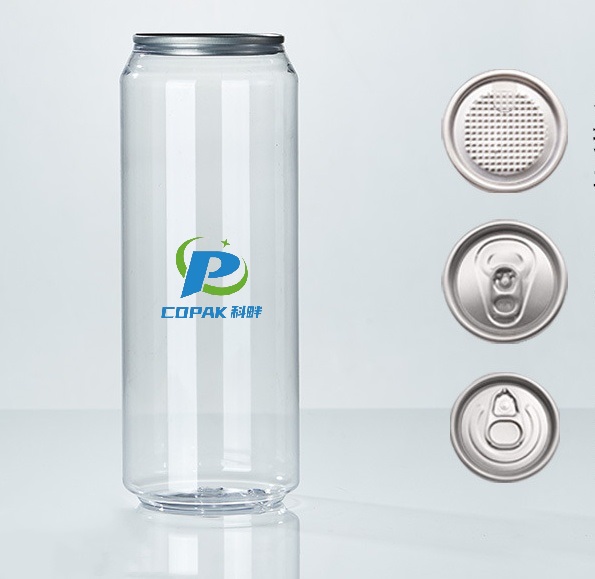
For Easy Peel End (EPE) and Full Aperture (FA) lids, testing the peel-off strength is important.
Method: While not a "torque" test in the traditional sense for screw caps, this involves assessing the force required to remove the lid. It should be firm enough to prevent accidental opening but easy enough for consumers. Specialized peel force testers exist.
Observation: The foil should tear cleanly and consistently.
This is the most critical test for a perfect seal and is usually performed by quality control professionals.
Method: A sealed can is cut open. A section of the double seam (where the lid's curl interlocks with the can's flange) is taken and examined under a magnifying projector or microscope.
What to Look For: Experts check precise measurements like body hook, cover hook, overlap, and tightness. These measurements ensure the metal and plastic are perfectly interlocked.
Frequency: At the beginning of a shift, after machine maintenance, or if visual/leak tests indicate a problem.
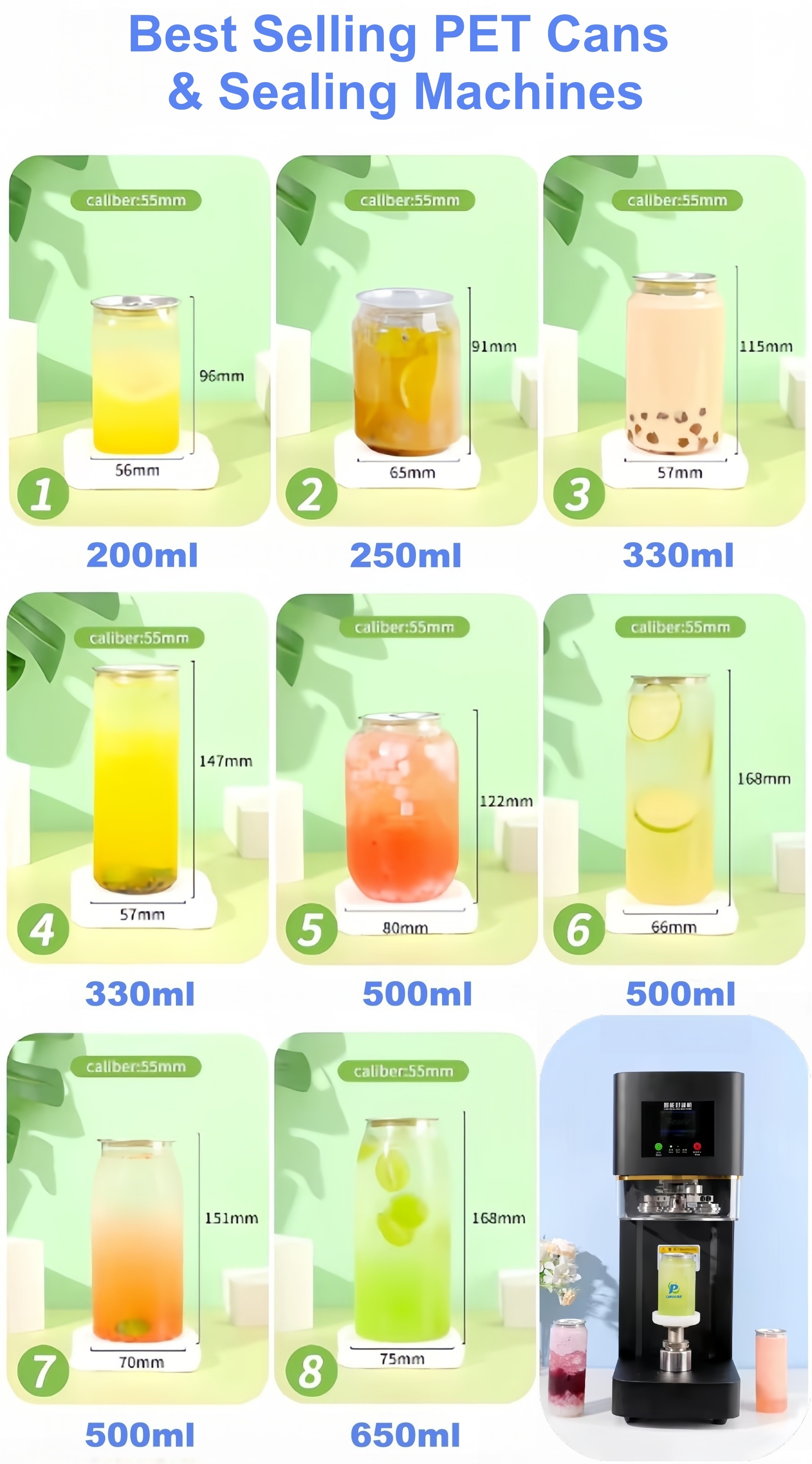
Implementing a robust seal integrity testing protocol is essential for protecting your brand and ensuring customer satisfaction. By combining visual inspections, leak tests, and, if necessary, double seam analysis, you can guarantee that every PET can leaving your facility is sealed for success.
Visual inspection allows for immediate detection of obvious defects like wrinkles, gaps, or improper crimping during the production process without damaging the container. It ensures continuous quality monitoring.
Method A uses external pressure or vacuum on non-carbonated products to force air out of leaks. Method B uses warm water to increase the internal pressure of carbonated beverages to test the seal's strength against internal gas expansion.
Leak tests should be performed at the start of every production run, after any machine adjustments, and periodically throughout the run, typically every 30 to 60 minutes.
Quality control experts measure factors such as body hook, cover hook, overlap, and tightness to ensure the metal lid and PET plastic flange are perfectly interlocked.
While traditional torque tests apply to screw caps, Easy Peel End (EPE) and Full Aperture (FA) lids require peel strength testing to ensure the foil or lid opens consistently and doesn't tear prematurely.
Poor seal integrity leads to product leaks, food spoilage, loss of carbonation, and potential damage to a brand's reputation due to customer dissatisfaction.