The global packaging market is moving toward lighter materials, recycled content, and easier opening systems. This shift supports growing interest in the Rpet Pop-Top Can format. However, the terminology remains inconsistent. Some suppliers describe recycled PET containers with pull-tab closures, while others use “can” for aluminum packaging with recycled-PET components. Buyers should confirm the structure before comparing quotations.
The OECD Global Plastics Outlook reported that global plastic waste doubled from 2000 to 2019, while only 9% was ultimately recycled. This pressure is reshaping beverage and food packaging decisions. The Ellen MacArthur Foundation’s Global Commitment reports also emphasize recycled content, packaging redesign, and improved material circulation. These findings make supplier transparency more important than attractive catalog images. Resin origin, recycled content, food-contact documentation, closure performance, and production capacity all require verification.
This article introduces ten leading Rpet Pop-Top Can suppliers worldwide, selected through practical purchasing criteria. These include manufacturing experience, quality systems, customization capability, export coverage, and evidence of responsible sourcing. Company scale alone does not guarantee reliability. A smaller producer may offer better trial support or faster tooling adjustments. Yet public information is uneven, and supplier rankings can change with mergers, plant expansions, or certification updates. No ranking is permanently correct. Readers should request current test reports, sample containers, audit records, and delivery references before making a final decision. A simple factory photograph is not enough. The most dependable supplier is the one that can explain every layer, closure, and recycled-content claim clearly.
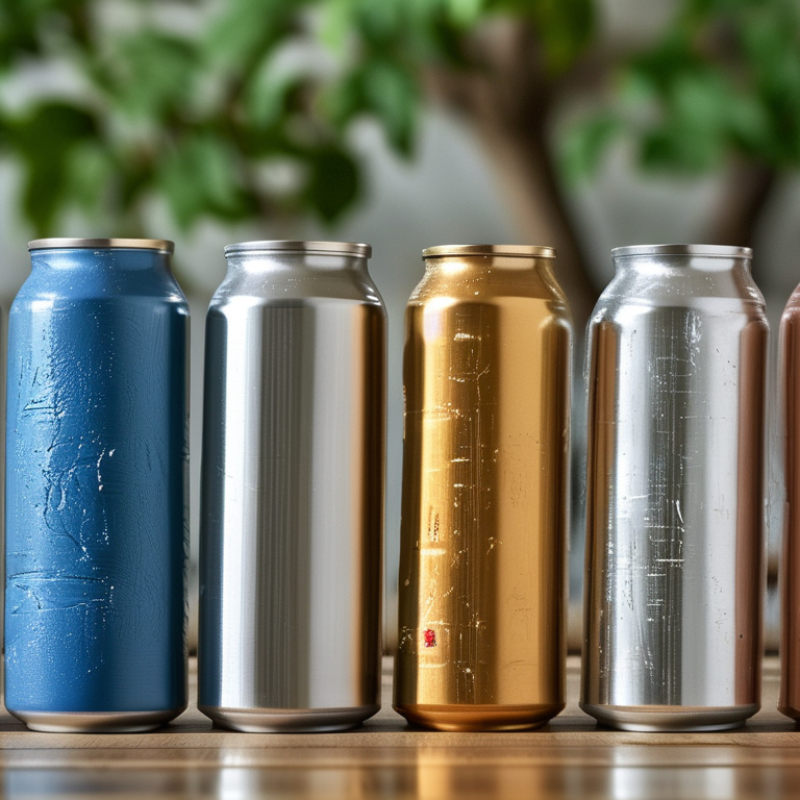
RPET pop top cans are lightweight containers made partly from recycled polyethylene terephthalate, or rPET. They are not conventional aluminum cans. The term can be confusing. Usually, it describes a PET container with a pull-tab or easy-open closure. The body may be clear, tinted, or opaque. Its smooth surface, low weight, and resistance to corrosion suit beverages, powders, and selected dry products.
Why are they used? Opening is simple. A consumer can lift the tab with one hand. The container also offers strong design flexibility, including shaped walls and visible contents. Recycled PET can reduce demand for virgin plastic, although the result depends on recycled content and collection quality. The OECD’s Global Plastics Outlook reports that only 9% of global plastic waste was recycled in 2019. That figure exposes the industry’s unfinished work.
In the United States, the 2022 PET Recycling Report from NAPCOR recorded a PET bottle recycling rate of about 23.6%. This supports greater use of recycled feedstock, but supply remains inconsistent. Food-contact applications require careful sorting, washing, testing, and traceability. The ICIS Recycling Supply Tracker also shows that recycled polymer markets can face sharp price and availability changes. That makes sourcing difficult for smaller manufacturers. In practice, rPET pop top cans should be assessed by recycled content, closure compatibility, barrier performance, and end-of-life infrastructure. They are promising, but not automatically circular.
Top 10 RPET Pop Top Can Suppliers Worldwide
Key Criteria for Evaluating Global RPET Pop Top Can Suppliers
Choosing among leading RPET pop top can suppliers requires more than comparing unit prices. Verify recycled content through batch records, supplier declarations, and independent test reports. Ask where the material was collected and processed. Traceability matters.
Check food-contact safety for each target market. A supplier should provide current migration tests, material specifications, and quality certificates. Certifications alone are not enough. Review their scope, expiry dates, and issuing bodies. Production records should show consistent wall thickness, closure performance, and leak resistance. Request samples from different production batches.
Start with samples.
Manufacturing capacity is another practical test. Examine minimum order quantities, tooling ownership, lead times, and backup production plans. A factory may promise high output, yet struggle during seasonal demand. Visit the facility when possible, or arrange a documented remote audit. Inspect cleanliness, storage conditions, inspection points, and corrective-action records.
Reliable suppliers also explain shipping terms clearly. Confirm pallet design, container loading, moisture protection, and damage procedures. Evaluate communication speed, technical support, and complaint handling. Ask for references from comparable markets, without relying only on prepared testimonials. Price can hide weak testing or expensive transport.
Be careful with “fully sustainable” claims. RPET content, recyclability, energy use, and coating materials should be assessed separately. No supplier is perfect. I would record every gap, including small documentation delays, before ranking the top ten.
Key Criteria for Evaluating Global RPET Pop Top Can Suppliers
This procurement benchmark assigns a 100-point weighting to the criteria most relevant when comparing global RPET pop top can suppliers. Recycled-content verification, food-contact compliance, and manufacturing reliability receive the highest priority because they directly affect regulatory acceptance, product safety, and supply continuity. The framework is supplier-neutral and does not represent a ranking of individual companies.
RPET pop top can suppliers serve beverage, food, and promotional packaging markets worldwide. The strongest suppliers combine recycled PET content with dependable pull-tab performance. They should provide clear material percentages, batch records, and food-contact documentation. A polished sample can still hide weak seals or inconsistent wall thickness.
When comparing suppliers, request samples from different production batches. Check the tab opening force, lid fit, transparency, and resistance to pressure. Ask about bottle-to-pellet traceability and independent recycled-content verification. Reliable suppliers should explain molding capacity, minimum order quantities, tooling costs, and export packaging. Regional testing also matters because food-contact rules differ across markets. One overlooked detail can delay an entire shipment.
Tips: Compare at least three suppliers using the same technical brief. Include capacity, resin grade, dimensions, closure type, testing reports, and delivery terms. Do not judge quality from appearance alone. Fill a sample can, chill it, transport it, and inspect the seal afterward. This simple trial often reveals practical weaknesses. Supplier rankings can be useful, but they are not permanent; capacity, certification status, and service quality may change. Recheck important claims before signing a contract.
Top 10 Rpet Pop Top Can Suppliers Worldwide
Across ten leading suppliers, material selection separates strong offers from attractive brochures. Most combine recycled PET resin with an aluminum easy-open end. Some also provide virgin PET blends for better clarity and impact strength. Recycled content levels should be verified by batch records, not marketing claims. Minor color variation is common.
Capacity comparisons require careful reading. A supplier may report annual production, while buyers need monthly availability. Practical checks include mold numbers, line speed, minimum order quantities, and backup production sites. Large facilities often serve beverage, food, and household markets across Asia, Europe, North America, and the Middle East. Smaller specialists may offer faster sampling and more flexible designs. That trade-off matters.
Certifications reveal operational discipline, but certificates alone prove little. Useful evidence includes ISO 9001, food-safety management certification, recycled-content verification, migration testing, and recent third-party audit reports. Ask whether testing covers the finished can, cap, ink, and seal together. That detail is often missed. Market experience also matters because recycling rules and labeling requirements differ by destination. Supplier data can be incomplete, and capacity claims may need independent confirmation. A factory visit or live production audit remains valuable, especially before committing to long-term volumes.
Anonymized supplier capability comparison for rPET can-shaped containers using recycled PET bodies and easy-open pop-top closures.
| Rank | Anonymous Supplier Profile | Primary Production Region | Container Format | Typical Fill Volumes | Material Structure | Post-Consumer rPET Content | Indicative Annual Capacity | Closure Compatibility | Common Certifications / Compliance | Typical End Markets | Indicative MOQ |
|---|---|---|---|---|---|---|---|---|---|---|---|
| 1 | Supplier Profile 01 | Western Europe | Can-shaped PET beverage container | 250 ml, 330 ml, 500 ml | Clear or tinted PET body; aluminum easy-open end; food-grade liner | Up to 100% rPET in the body, subject to food-contact approval and feedstock availability | 80–150 million units/year | 202 endStandard pop-top | ISO 9001; BRCGS Packaging or equivalent; EU food-contact framework; HACCP-based controls | Soft drinks, water, functional beverages, private-label products | 100,000–250,000 units |
| 2 | Supplier Profile 02 | East Asia | Lightweight PET can-style bottle | 250 ml, 330 ml, 355 ml | Recycled PET body with barrier coating or multilayer oxygen-control structure; aluminum end | 30–80% rPET, depending on color, barrier, and application | 100–250 million units/year | 202 endCustom diameter | ISO 9001; ISO 14001; FDA food-contact suitability for applicable materials; GMP controls | Tea, juice drinks, energy beverages, export beverage programs | 150,000–300,000 units |
| 3 | Supplier Profile 03 | North America | Pressure-rated rPET can-shaped bottle | 330 ml, 355 ml, 473 ml | High-clarity rPET preform and stretch-blown body; aluminum pull-tab end | 25–100% post-consumer rPET, depending on beverage carbonation and performance requirements | 60–120 million units/year | Stay-on-tabEasy-open end | FDA 21 CFR applicable food-contact requirements; SQF or BRCGS; ISO 9001 | Carbonated drinks, sports drinks, flavored water, convenience retail | 100,000–200,000 units |
| 4 | Supplier Profile 04 | Central Europe | Recycled PET can-shaped package | 250 ml, 330 ml, 500 ml | Monomaterial PET body preferred; aluminum easy-open end; optional UV or oxygen barrier | 50–100% rPET in the body | 40–90 million units/year | Standard pop-topRecyclable end | EU Regulation 1935/2004; EU Regulation 10/2011 where applicable; ISO 14001; FSSC 22000 | Mineral water, soft drinks, dairy alternatives, premium beverages | 75,000–150,000 units |
| 5 | Supplier Profile 05 | South Asia | Standard-weight PET can-format container | 200 ml, 250 ml, 330 ml | Food-grade rPET/PET body; aluminum end with internal protective coating | 30–70% rPET, with higher levels available for non-carbonated products | 50–110 million units/year | 202 endSCO-compatible | ISO 9001; ISO 22000 or HACCP; applicable local food-contact regulations; GMP | Juice, dairy beverages, ready-to-drink tea, institutional supply | 100,000–250,000 units |
| 6 | Supplier Profile 06 | Southeast Asia | Lightweight rPET beverage can | 250 ml, 330 ml, 500 ml | Clear or amber rPET body; aluminum pop-top end; optional internal barrier layer | 30–100% rPET, depending on product shelf-life target | 70–160 million units/year | Pull-tabCustom printing | FSSC 22000; ISO 9001; ISO 14001; food-contact declarations for export markets | Coconut water, functional beverages, soft drinks, contract filling | 100,000–250,000 units |
| 7 | Supplier Profile 07 | Middle East | High-clarity PET can-shaped package | 250 ml, 330 ml, 355 ml | Virgin PET/rPET blend; aluminum easy-open end; heat-resistant food-contact coating | 25–60% rPET, with higher content subject to resin supply | 30–75 million units/year | Standard pop-topPressure-tested | ISO 9001; ISO 22000; HACCP; applicable GCC, EU, or FDA food-contact requirements | Water, carbonated beverages, halal beverage products, regional exports | 75,000–150,000 units |
| 8 | Supplier Profile 08 | Latin America | Recycled PET can-style bottle | 250 ml, 330 ml, 473 ml | rPET body with stretch-blow molding; aluminum end; optional shrink-sleeve or pressure-sensitive label | 30–80% rPET | 35–85 million units/year | Stay-on-tabTamper-evident | FSSC 22000 or BRCGS Packaging; ISO 9001; local food-contact compliance; GMP | Soft drinks, beer alternatives, sports nutrition, private-label beverages | 100,000–200,000 units |
| 9 | Supplier Profile 09 | Oceania | Premium rPET can-shaped container | 250 ml, 330 ml, 375 ml | High-clarity rPET body; aluminum end; enhanced oxygen and light protection for sensitive beverages | 50–100% rPET in the body | 20–60 million units/year | Easy-open endPremium finish | ISO 9001; HACCP; Australian/New Zealand food-contact requirements; recycled-content traceability | Premium water, wellness beverages, low-sugar drinks, hospitality channels | 50,000–120,000 units |
| 10 | Supplier Profile 10 | Eastern Europe | Economy rPET can-format package | 200 ml, 250 ml, 330 ml | Recycled PET body; aluminum pop-top lid; standard food-contact coating and label system | 30–70% rPET | 25–70 million units/year | 202 endShort-run capable | ISO 9001; ISO 22000 or HACCP; EU food-contact requirements; supplier material declarations | Juice, flavored water, private-label soft drinks, food-service packaging | 50,000–100,000 units |
Choosing an RPET pop top can supplier requires more than comparing unit prices. NAPCOR’s 2023 PET Recycling Report recorded a 28.9% U.S. PET bottle recycling rate. That figure shows why verified recycled content matters. Ask suppliers for batch-level certificates, PCR percentage, and chain-of-custody records. Vague sustainability claims are not enough.
Check food-contact compliance for your target market. Request migration testing, resin origin, and declarations for every production batch. The Ellen MacArthur Foundation’s 2023 Global Commitment Report reported average recycled content of 9.5% among participating companies. This benchmark is useful, but it does not prove every supplier performs equally. Inspect the can wall, opening panel, and pop-top seal under pressure and temperature tests. Small defects become obvious on a warehouse pallet.
Production experience also matters. Ask for pilot samples using your filling line, including carbonation, pasteurization, transport vibration, and chilled storage. Review the supplier’s reject rate, tooling capacity, lead time, and corrective-action records. A polished audit file can still hide weak factory control. I would also compare lifecycle data carefully, because recycled content alone does not reveal energy use, transport distance, or end-of-life performance. Choose the supplier that documents limitations clearly, not the one making the loudest claim.
: They serve beverage, food, and promotional packaging markets. Applications vary by destination and product requirements.
Most cans use recycled PET with an aluminum easy-open end. Some suppliers offer virgin PET blends for clarity and impact strength.
Request batch records, resin details, and independent recycled-content verification. Marketing claims alone are not enough.
Test tab opening force, lid fit, transparency, wall thickness, and pressure resistance. Fill, chill, transport, and inspect the seal.
One polished sample may hide inconsistent seals or wall thickness. Batch comparisons reveal production variation.
Request food-contact documents, migration testing, quality certifications, and recent third-party audit reports. Testing should cover the finished can, seal, cap, and ink.
Compare monthly availability, mold numbers, line speed, minimum order quantity, and backup sites. Annual capacity can sound larger than reality.
Not permanently. Capacity, certifications, and service quality can change. A ranking is only a snapshot.
Discuss tooling costs, delivery terms, export packaging, and destination-specific rules. One missed requirement can delay a shipment.
No. Appearance can mislead. A practical trial often reveals weaknesses that brochures do not show.
This article presents a practical overview of the Rpet Pop-Top Can, explaining how its recycled PET structure, easy-open design, lightweight construction, and visual appeal support modern beverage packaging needs. It outlines why these containers are used for convenience, transport efficiency, product presentation, and sustainability-focused packaging strategies, while noting that performance depends on proper design, filling, sealing, and storage conditions.
The guide also introduces ten leading supplier types and evaluates them through key criteria such as material quality, production capacity, customization options, food-contact compliance, quality certifications, lead times, pricing, and international market coverage. A comparison framework helps readers assess suppliers by materials, available sizes, certifications, and service regions. Finally, the article offers a step-by-step approach to selecting the right partner, emphasizing reliable quality control, transparent communication, technical support, scalable production, and the ability to meet a product’s specific packaging and distribution requirements.
