Top 10 500ml Plastic Bottles Suppliers Worldwide

Time:2026-09-16 Author:Liam
0%

Choosing a dependable supplier for 500ml Plastic Bottles requires more than comparing online prices. Product consistency, material safety, production capacity, and delivery performance can directly affect your brand’s reputation. This guide introduces ten suppliers worldwide that serve industries such as beverages, cosmetics, household care, and personal care.

The selection considers practical factors. These include bottle clarity, wall thickness, neck compatibility, closure options, and resistance to pressure or impact. Food-contact documentation and traceable quality systems also matter. A reliable manufacturer should explain its materials clearly, provide samples, and support inspection before large production begins. Small details matter here.

Supplier experience is equally important. Established producers often operate modern molding lines, maintain repeatable processes, and offer custom colors, labels, or lightweight designs. However, a large factory is not automatically the best choice. Communication speed, minimum order quantities, packaging methods, and export experience may be more useful for specific buyers.

This overview is intended as a practical starting point, not a permanent ranking. Market conditions, certifications, prices, and production capabilities can change. Some suppliers may appear strong on paper but perform differently during sampling or shipment. That is worth remembering. Buyers should verify current documentation, request recent samples, and confirm compliance with destination-market requirements before placing an order. Sustainability also deserves attention, including recycled content, bottle weight, and transport efficiency. The right supplier balances dependable quality, reasonable cost, transparent service, and long-term cooperation. That balance is not always easy to measure.
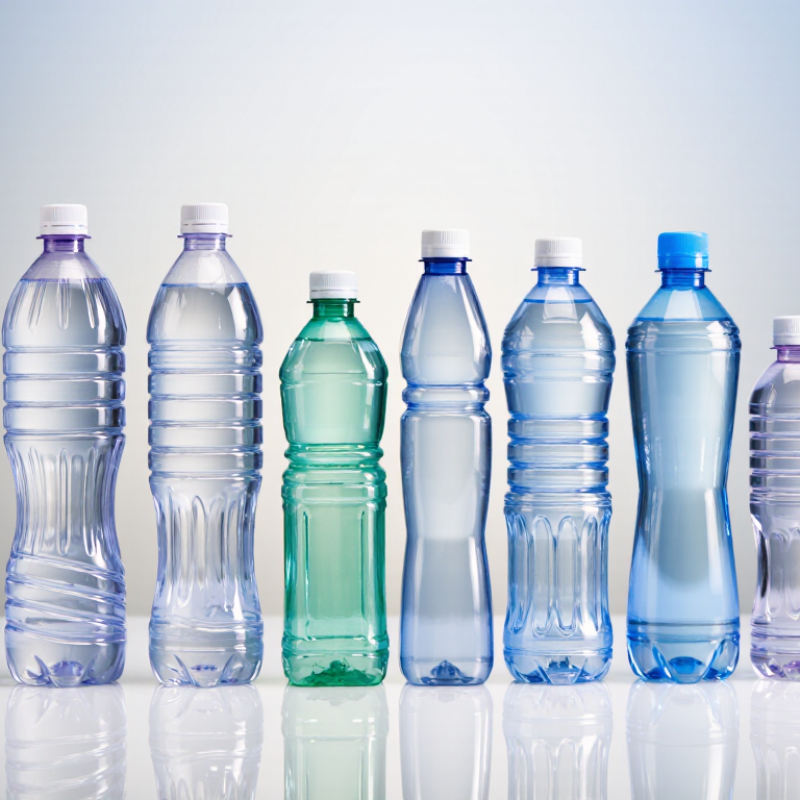
Top 10 500ml Plastic Bottles Suppliers Worldwide

Definition and Uses of 500ml Plastic Bottles

A 500ml plastic bottle is a lightweight container designed to hold approximately half a litre of liquid. In practice, its usable volume may differ slightly because manufacturers leave headspace for expansion, filling, and cap closure. Common materials include PET for clear drinks and HDPE or PP for opaque products. Material choice affects stiffness, barrier performance, weight, and compatibility with the contents. The bottle itself is only one part of the package. Neck size, thread design, cap seal, label area, and base shape also influence safe handling and transport.

These bottles are widely used for drinking water, juices, sports beverages, liquid soap, shampoo, household cleaners, and laboratory preparations. A narrow neck supports controlled pouring, while a wider opening suits thicker liquids and easier cleaning. For retail products, the 500ml format balances portability with enough volume for a short trip, desk, gym session, or meal.

Clear walls help users inspect colour and sediment, but light-sensitive contents may need opaque or tinted plastic. Not always obvious.

From a sourcing perspective, buyers should confirm resin type, wall thickness, closure compatibility, leak resistance, and actual fill volume. I would also request samples before approving a large order. A bottle can look sturdy yet buckle during stacking. Testing should include drop checks, compression checks, and temperature exposure relevant to the product. Recycled content can reduce virgin plastic use, but it may affect clarity or consistency, so claims need verification. Recycling performance depends on local collection systems, not the bottle alone.

Key Criteria for Evaluating Global Bottle Suppliers

When evaluating 500ml plastic bottle suppliers, begin with product consistency, not attractive photographs. Request samples from different production batches. Check neck dimensions, wall thickness, weight, cap fit, and leakage performance. A clean sample is not enough. Small variations can disrupt filling lines and increase material waste.

Experienced buyers should review resin specifications, production controls, and quality records. Ask whether the supplier provides batch identification and traceability documents. Independent testing can verify strength, drop resistance, chemical compatibility, and required food-contact compliance. Manufacturing-site audits also reveal practical details, such as storage conditions, mold maintenance, and inspection frequency. These details matter more than broad claims about advanced technology.

Reliability includes communication and delivery performance. Compare realistic lead times, minimum order quantities, packaging methods, and replacement procedures for defective goods. Request evidence from previous export projects, but verify references carefully. Sustainability should be measured through recycled-content options, lightweighting trials, and clear material declarations. Lower weight is useful, but weak bottles create larger losses during transport. I have found that supplier scorecards improve decisions, although they can still overlook human factors. A responsive technical contact may prevent problems that a high audit score misses. Ask difficult questions early. Keep every answer documented.

Top 10 500ml Plastic Bottles Suppliers Worldwide - Key Criteria for Evaluating Global Bottle Suppliers

No. Evaluation Dimension Relevant 500ml Bottle Data Recommended Verification Point Why It Matters Reference Standard or Practice
1 Material Type PET is commonly used for clear, lightweight beverage bottles; HDPE is commonly used when higher opacity and chemical resistance are required. Request the polymer specification, resin grade, safety data sheet, and food-contact declaration where applicable. Material selection affects clarity, impact strength, chemical compatibility, recyclability, and product safety. FDA 21 CFR 177.1630 for PET; EU Regulation No. 10/2011 for plastic food-contact materials.
2 Nominal Capacity and Tolerance Nominal capacity: 500ml. The agreed fill-volume tolerance should be defined in the purchase specification rather than assumed from the nominal label. Check brimful capacity, overflow capacity, minimum fill level, and the supplier’s measurement method using calibrated equipment. Consistent volume supports accurate filling, labeling compliance, and stable production-line performance. Use a documented internal specification and applicable legal metrology requirements in the destination market.
3 Neck Finish and Closure Compatibility Common beverage formats use standardized screw-neck systems, including 28mm finishes; the exact finish must match the selected cap and filling equipment. Confirm neck-finish drawings, thread dimensions, sealing surface, cap torque range, and compatibility with existing capping heads. Incorrect neck dimensions can cause leakage, loose caps, cross-threading, or line stoppages. Use the applicable GPI/SPI neck-finish drawing or an approved supplier-specific technical drawing.
4 Wall Thickness and Weight Control Bottle weight varies by design, application, pressure requirement, and manufacturing process; a fixed gram value should be agreed through a validated drawing and sample. Review average weight, minimum local wall thickness, dimensional capability, and weight variation across production batches. Controlled lightweighting reduces material use without compromising top-load strength, drop resistance, or handling performance. Supplier quality plan, approved product drawing, ASTM or ISO test methods selected for the application.
5 Mechanical Performance Key tests include top-load resistance, vertical compression, drop impact, deformation, and leak integrity; acceptance limits depend on the filled product and distribution system. Ask for test conditions, sample size, failure criteria, calibration records, and results from production-intent samples. Performance testing helps prevent bottle collapse, leakage, transport damage, and customer complaints. ASTM D4169 for distribution testing; ASTM D5276 for drop testing; internal packaging specifications.
6 Food-Contact and Chemical Compliance Food, beverage, cosmetic, and household-chemical applications require different declarations, migration testing, and compatibility assessments. Verify declarations of compliance, overall and specific migration results, restricted-substance statements, and batch traceability. Compliance documentation reduces regulatory, safety, and market-entry risks. EU Regulation No. 10/2011; FDA applicable food-contact provisions; REACH where relevant.
7 Production Capacity and Process Capability Suitable processes may include injection stretch blow molding for PET and extrusion blow molding for HDPE. Output depends on machine count, cavity configuration, shifts, and product mix. Request verified monthly capacity, utilization levels, tooling availability, process flow, and contingency arrangements. Capacity transparency supports reliable supply during seasonal peaks and new-product launches. ISO 9001 quality-management practices and documented production-capacity records.
8 Quality Management and Traceability A robust system should link resin batches, production dates, machine or cavity information, inspection records, and shipment lots. Check certification validity, incoming-material controls, in-process inspections, corrective-action records, and retention-sample procedures. Traceability enables faster root-cause analysis, recalls, and corrective action. ISO 9001; HACCP or ISO 22000 for suppliers serving food and beverage applications.
9 Sustainability and Recyclability Evaluate recycled-content availability, bottle lightweighting, label and cap compatibility, material identification, and packaging-to-product ratio. Request recycled-content verification, lifecycle or carbon data where available, recyclability guidance, and environmental claims substantiation. Sustainability data supports regulatory reporting, customer requirements, and responsible packaging design. ISO 14001; ISO 14021 for self-declared environmental claims; local recycled-content rules.
10 Commercial Reliability and Logistics Compare minimum order quantity, tooling ownership, sample approval process, standard production lead time, export packaging, pallet configuration, and delivery terms. Use a written quotation, approved sample, agreed service-level targets, quality-claim procedure, and documented Incoterms. Clear commercial terms reduce landed-cost uncertainty and supply interruptions. Incoterms® 2020; supplier contract, purchase specification, and quality agreement.

Top 10 500ml Plastic Bottle Suppliers Worldwide

Choosing among the top 10 500ml plastic bottle suppliers worldwide requires more than comparing prices. A reliable supplier should provide food-contact documentation, consistent dimensions, and clear production records. The best candidates usually offer PET or HDPE options, tamper-evident closures, and several neck finishes. Bottle weight matters too. A lighter design may reduce shipping costs, but it can feel weak during filling.

Evaluate each supplier through samples, not promises. Check wall thickness around the shoulder, base stability, cap fit, and label adhesion. Ask for batch testing, material declarations, and quality-control procedures. Suppliers with facilities across different regions may reduce delivery risks. However, local production can simplify communication and shorten lead times. Both choices have trade-offs.

Do not trust rankings blindly. Supplier performance can change after a factory expansion, material shortage, or staff change. I would request three sample batches before signing a long contract. Test them with your actual liquid, filling speed, storage temperature, and transport conditions. A bottle that survives a desk test may fail inside a hot delivery truck. That detail is easy to miss. Also compare minimum order quantities, mold ownership, recycling guidance, and response time. The “top 10” should fit your application, not merely appear impressive on a global list.

Supplier Comparison by Materials, Capacity, and Services

Top 10 500ml Plastic Bottles Suppliers Worldwide

Comparing ten global suppliers requires more than checking catalog prices. A 500ml bottle may use PET, HDPE, PP, or recycled resin. Each material changes clarity, stiffness, weight, and chemical resistance. PET suits clear beverage packaging and displays liquid levels well. HDPE feels more rigid and protects products from light. PP handles warmer filling conditions better, but its appearance can be less transparent. Recycled content can support sustainability goals, although color variation may appear between production batches.

Capacity also deserves practical testing. A bottle marked 500ml may have different overflow volume, neck size, and usable filling space. Ask suppliers for technical drawings, sample bottles, and tolerance data. Compare wall thickness, bottle weight, cap compatibility, and sealing performance.

Production volume matters too. Some suppliers support small trial orders, while others focus on container-load quantities. Their services may include mold development, label application, color matching, inspection reports, and export documentation. I have found that service quality often affects delivery more than a low unit price. That part is easy to overlook.

Tips: Request samples from at least three suppliers. Test them with your actual liquid, cap, label, and filling process. Check certificates and quality records directly. Ask how rejected units are handled. One supplier may offer attractive customization, but slow communication can create costly revisions. A complete comparison should record material, capacity tolerance, minimum order quantity, lead time, packaging method, and after-sales support. There is no perfect supplier. Your application decides the best fit.

How to Select the Right 500ml Bottle Supplier

Selecting the right 500ml plastic bottle supplier requires more than comparing unit prices. Check resin quality, neck dimensions, wall thickness, and closure compatibility. A bottle should remain stable during filling, stacking, and transport. Request test samples, not only digital drawings. In practical sourcing, small dimensional errors can cause leaking caps or unstable labels. That detail is easy to underestimate.

Industry data supports careful material decisions. OECD’s Global Plastics Outlook reports that packaging created about 40% of global plastic waste in 2019. PlasticsEurope’s Plastics—The Fast Facts 2024 records 413.8 million tonnes of global plastics production in 2023. Ask suppliers about recycled content, lightweighting trials, and production scrap. However, sustainability claims need evidence. Request certificates, batch records, and test methods. A vague “eco-friendly” statement is not enough.

Tips: Compare three samples from different production batches. Measure weight, height, neck finish, and leak resistance. Confirm food-contact compliance for your sales regions, when applicable. Review monthly capacity, lead time, mold ownership, and backup production sites. A supplier may offer an attractive price but lack reliable delivery controls. I have found that the cheapest quote often becomes expensive after rejected cartons, delayed filling, or custom-mold changes. Leave room for honest review. Supplier selection is never perfectly predictable.

FAQS

What is a 500ml plastic bottle?

It is a lightweight container holding approximately half a litre. Its usable volume may be slightly lower because of headspace. That space supports filling, expansion, and cap closure.

Which materials are commonly used for 500ml bottles?

Clear drink bottles often use PET plastic. Opaque products may use HDPE or PP plastic. Material choice affects stiffness, transparency, barrier performance, and compatibility.

What products commonly use 500ml plastic bottles?

These bottles hold water, juice, sports drinks, soap, shampoo, and household cleaners. They can also support some laboratory preparations. The product must match the plastic material.

What bottle features should buyers examine?

Check the neck size, thread design, cap seal, label area, and base shape. A narrow neck supports controlled pouring. A wider opening helps with thick liquids and cleaning.

How can buyers test bottle quality?

Request samples from different production batches. Measure weight, height, neck dimensions, and actual fill volume. Perform drop, compression, leakage, and temperature checks.Test it.

Why is closure compatibility important?

Cap and neck dimensions must match accurately. Small variations can cause leaks, filling problems, or unstable labels. A clean-looking sample may still fail during production.

What should buyers ask a bottle supplier?

Ask about resin specifications, wall thickness, production capacity, lead times, and minimum order quantities. Request batch identification, traceability documents, and replacement procedures. Keep every answer documented.

How should sustainability claims be evaluated?

Request evidence for recycled content, lightweighting, and production-scrap controls. Recycled plastic may reduce virgin material use. However, it can affect clarity and consistency.Claims need checking.

Is the lowest bottle price usually the best choice?

Not always. A cheap bottle may buckle during stacking or fail during transport. Rejected cartons, delayed filling, and mold changes can increase the real cost. A responsive technical contact may matter more than an excellent audit score.

Conclusion

This guide provides a practical overview of 500ml Plastic Bottles, including their common applications in beverages, personal care, household products, and other everyday packaging needs. It explains how bottle size, shape, material, durability, clarity, closure compatibility, and storage requirements influence product performance and user convenience. The article also introduces key criteria for evaluating global suppliers, such as manufacturing capacity, quality control, customization options, certifications, lead times, sustainability practices, and customer support.

A comparison of ten leading supplier types highlights differences in materials, production capabilities, available capacities, decoration services, packaging solutions, and order flexibility. The final section offers a structured approach to selecting the right supplier by matching technical requirements, budget, order volume, delivery expectations, and environmental goals. By considering these factors together, buyers can identify a dependable partner and choose packaging that supports product safety, efficient distribution, consistent quality, and long-term business needs.

Liam

Liam

Liam is a dedicated marketing professional with a profound expertise in the industry, where he excels at highlighting the unique advantages of our core products. With a keen understanding of market trends and consumer needs, Liam frequently updates our company’s professional blog, providing......