Choosing the right Transparent Jar for global sourcing involves more than comparing photographs and unit prices. The jar must fit your product, market, filling process, and shipping conditions. A clear container may look premium, yet it can reveal color changes, sediment, or uneven filling. Those details influence customer trust.
Start by defining the product’s practical requirements. Confirm the material, capacity, neck size, closure compatibility, wall thickness, and empty weight. Glass offers strong visual clarity and chemical resistance, but it needs careful packaging. Plastic may reduce freight weight, but its transparency and barrier performance can vary. Ask suppliers for technical data, food-contact declarations where relevant, sample closures, and recent inspection records. Do not rely on one attractive sample.
Real sourcing experience shows that small details become expensive problems. A lid may fit loosely after temperature changes. Cartons may pass a factory test but fail during ocean transport. Request drop testing, compression testing, and photographs of packed pallets. Check whether the supplier can maintain color, dimensions, and print quality across larger batches. Independent inspections can provide useful evidence before shipment.
Look beyond the lowest quotation.
Regional requirements also matter. Packaging rules, labeling obligations, recycling symbols, and import documentation differ between markets. Confirm them with qualified local professionals before production. A reliable supplier should answer clearly, provide traceable documents, and disclose limitations. Even then, no checklist catches everything. Recheck assumptions when the design changes. The best Transparent Jar is not simply beautiful; it remains safe, consistent, practical, and commercially dependable from factory floor to customer shelf.
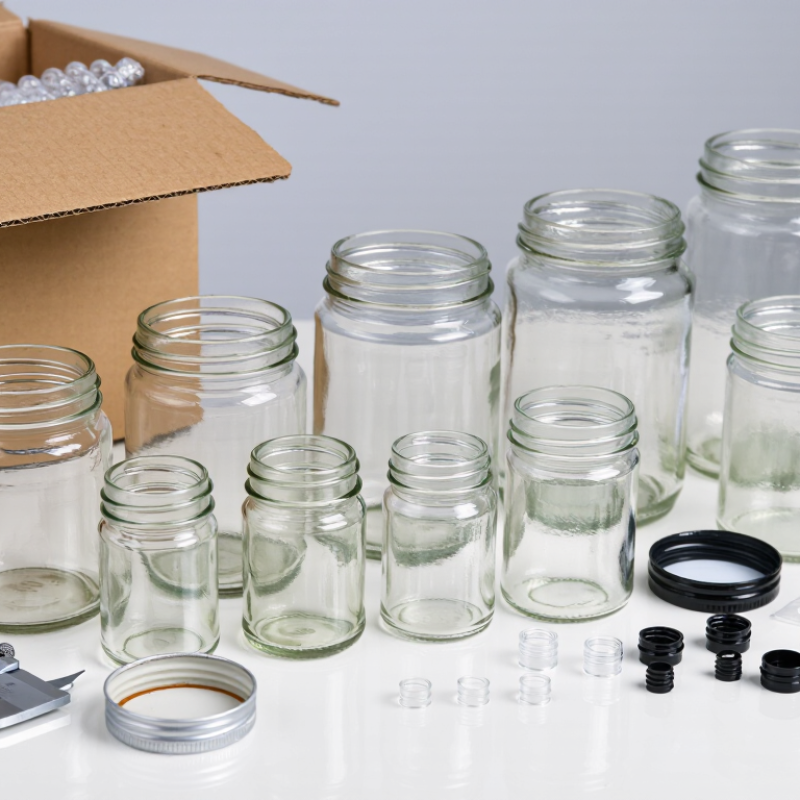
Choosing the right transparent jar begins with its intended application, not its appearance alone. Flint glass jars offer strong clarity, chemical resistance, and a premium feel. They suit skincare creams, candles, sauces, and dry foods. Their weight increases freight costs, but they tolerate many filling conditions. PET jars are lighter and impact-resistant. They work well for personal care products, supplements, and household powders. However, some formulas may create haze or stress cracking over time.
For food and wellness products, transparent glass supports visual inspection and helps buyers judge color and texture. Wide-mouth jars simplify filling and cleaning. Narrow-neck designs reduce exposure during use.
PET or other approved plastic options can lower breakage risks in long-distance shipping. Always verify food-contact status, migration documentation, and temperature limits for the destination market. A clear jar is not automatically suitable.
Details matter. Check the neck finish, thread size, liner compatibility, torque range, and closure material together. A jar sample may fit perfectly by hand but leak after automated capping. I have seen attractive packaging fail because the shoulder cracked during vibration testing. Small differences in pallet height can also affect landed cost. Request production samples, drop tests, seal tests, and color checks under daylight. Allow for minor transparency variation between batches. Perfection is rarely practical. Reliable sourcing comes from documented specifications, factory audits, and honest testing records.
Choose based on the product, filling process, and shipping conditions. Glass offers excellent clarity and chemical resistance. It also feels heavier and more premium. Plastic is lighter and resists impact better. The cheaper option is not always better.
Glass jars suit skincare creams, candles, sauces, and dry foods. They help buyers inspect color and texture clearly. Glass tolerates many filling conditions, but freight costs can rise. A full pallet may become surprisingly heavy.
Plastic jars work well for personal care products, supplements, and household powders. They reduce breakage risks during long-distance transport. Some formulas may cause haze or stress cracking over time. Testing is still necessary.
Wide-mouth jars simplify filling, scooping, and cleaning. Narrow-neck jars reduce product exposure during repeated use. A narrow opening may complicate automated filling. Convenience has trade-offs.
Check the neck finish, thread size, liner compatibility, and closure material together. Confirm the required torque range for automated capping. A hand-fitted sample may still leak during production. Small dimensions matter.
Request drop tests, seal tests, vibration tests, and color checks in daylight. Ask for samples from three production batches. Inspect wall thickness, scratches, bubbles, transparency, and closure fit. One showroom sample proves very little.
Request material declarations, migration reports, and temperature-limit information. Confirm food-contact status for the destination market. Plastic suppliers should identify resin grades and recycled content. A clear jar is not automatically suitable.
A narrower neck may improve pouring but complicate filling. Frosted coatings can look refined while hiding surface defects. Confirm tooling ownership, minimum quantities, color tolerances, and decoration durability. Carton dimensions and pallet layouts also affect freight costs. I once underestimated that detail.
Review production history, inspection records, batch traceability, and corrective-action reports. Ask for measurable acceptance limits and recent audit findings. Require a signed specification sheet before approving artwork. Perfect samples are not enough. Verify the process behind them.
Choosing the right Transparent Jar for global sourcing requires more than comparing appearance and price. Buyers should first identify the jar type that best suits the product, such as glass or plastic options for food, cosmetics, household goods, or general retail packaging. Key specifications include capacity, dimensions, wall thickness, weight, transparency, durability, and resistance to heat or chemicals. Material selection should match the product’s formula and storage conditions, while closures must provide a secure seal, convenient use, and reliable leak protection.
A successful sourcing decision also depends on evaluating suppliers’ quality systems, production consistency, testing procedures, and customization capabilities. Buyers should confirm sample approval, decoration requirements, mold costs, minimum order quantities, and inspection standards before placing an order. Finally, total cost should include packaging, tooling, transportation, duties, documentation, and possible import delays. Reviewing applicable safety, labeling, recycling, and packaging regulations in each destination market can reduce compliance problems and shipping risks.
