
The use of Rpet Plastic Can is revolutionizing sustainable packaging. With growing concerns about plastic waste, businesses are seeking eco-friendly alternatives. Rpet, or recycled polyethylene terephthalate, stands out due to its many advantages.
Rpet Plastic Can is not only lightweight but also highly durable, making it an excellent choice for various products. It helps brands reduce their carbon footprint while appealing to eco-conscious consumers. Utilizing Rpet not only saves resources but also promotes recycling habits. Many industries are recognizing the potential of this material in their packaging strategies.
However, the transition to Rpet Plastic Can comes with challenges. Not all consumers are aware of its benefits. Some brands may struggle to source high-quality Rpet materials. Despite these hurdles, the push towards sustainable packaging is crucial. Embracing Rpet can lead to a more sustainable future for all.
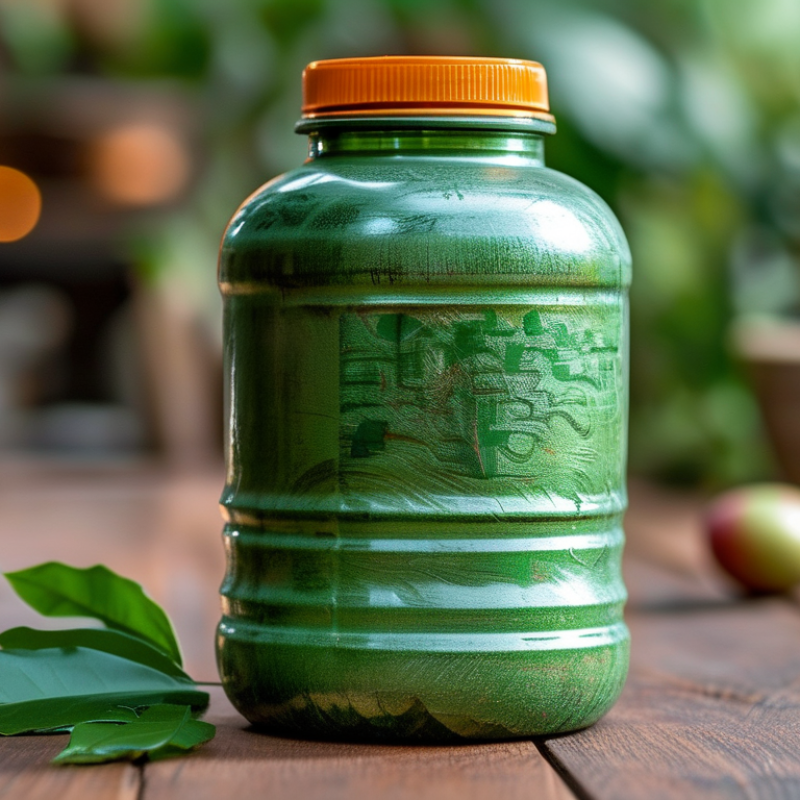
The use of rPET plastic cans is gaining traction in sustainable packaging. They are made from recycled PET materials, which significantly reduces environmental impact. By using rPET, brands can lower their carbon footprint. This choice also diverts plastic waste from landfills, promoting a circular economy.
Furthermore, rPET cans are lightweight and durable. They provide excellent protection for products while reducing shipping costs. Their versatility allows for a range of applications, from food and beverages to personal care items. However, there can be challenges associated with collection and recycling processes that need addressing. Educating consumers about proper disposal can enhance the effectiveness of rPET.
Recyclability is a critical advantage. These cans can be recycled multiple times without losing quality. This means less demand for new plastic production. It's a step towards utilizing existing materials. Still, the infrastructure for recycling rPET varies greatly by region. Through collaboration, improvements can be made in how rPET is processed and repurposed.
| Benefit | Description |
|---|---|
| Eco-Friendly | Made from recycled materials, reducing waste and conserving resources. |
| Lightweight | Lower transportation costs and reduced carbon emissions due to lighter weight. |
| Durability | Resistant to impact and can protect contents effectively during shipping. |
| Recyclability | Fully recyclable, supporting a circular economy and reducing landfill waste. |
| Cost-Effective | Lower overall costs in production and logistics compared to traditional materials. |
| Versatility | Suitable for a wide range of products, from beverages to food and household items. |
| Brand Image | Enhances brand reputation by showcasing commitment to sustainability. |
| Enhanced Shelf Life | Provides excellent protection to preserve the freshness of products longer. |
| Consumer Preference | Increasing demand for sustainable packaging aligns with consumer values. |
| Innovation | Encourages research and development of new sustainable materials and methods. |
The use of rPET plastic in packaging brings significant benefits for the environment. Unlike traditional plastics, rPET is made from recycled materials. This process reduces the need for virgin plastic, conserving essential resources. It also minimizes the energy required in production. Using rPET can cut carbon emissions by up to 50% compared to new plastic. This offers a compelling reason to shift towards this sustainable material.
However, the journey is not entirely smooth. Collection and recycling systems for plastics still face challenges. Not all plastics make it back into the rPET cycle. Additionally, the quality of rPET can vary based on its source. This inconsistency can lead to mixed perceptions among manufacturers. Despite these flaws, the potential for innovation and improvement in recycling technologies offers hope.
Investing in rPET packaging also supports a circular economy. It encourages consumers to see their role in reducing waste. However, educating the public about the importance of recycling is crucial. Misunderstandings about rPET can hinder its acceptance. While the road ahead has hurdles, the environmental benefits of rPET are worth pursuing.
The use of rPET (recycled polyethylene terephthalate) plastic cans has gained recognition for their role in sustainable packaging. One of the most compelling factors is their cost-effectiveness within the supply chain. By utilizing rPET, companies can significantly reduce raw material costs. This is essential as the demand for affordable packaging solutions grows.
Additionally, rPET cans are lightweight, which lowers transportation costs. This reduction in weight allows companies to ship more products simultaneously, optimizing logistics. However, businesses must also consider the initial investment in recycling technology and infrastructure. The transition may require careful planning and adjustments.
Yet, the long-term savings can be substantial. Resources are conserved as recycling reduces the need for virgin materials. This shift not only offers financial benefits but also strengthens a brand's commitment to sustainability. Success in this transition often depends on collaboration across various sectors. Companies will need to share best practices and innovate together. Balancing cost and environmental impact is critical as industry standards evolve.
Recycling is crucial for sustainability. RPET, or recycled polyethylene terephthalate, plays a vital role in enhancing recycling rates. According to a report from the Global Plastics Alliance, RPET can achieve up to 90% recycling efficiency. This high rate means less plastic waste in landfills and oceans.
The circularity offered by RPET is significant. When brands use RPET for packaging, they contribute to a closed-loop system. This system allows materials to be reused. In fact, the Association of Plastic Recyclers reports that RPET bottles can be recycled multiple times without losing quality. This property is essential for creating a sustainable packaging future.
However, challenges remain. Not all regions have robust recycling systems. Some consumers lack awareness of proper recycling practices. Education is key to improving recycling rates. As industry stakeholders advocate for increased recycling programs, the impact of RPET can be maximized. More effort is needed to ensure every RPET product returns to the recycling stream.
Consumer preferences are shifting towards eco-friendly packaging options. Many people now prioritize sustainability when purchasing products. This trend influences brands to adopt greener practices. Consumers are becoming more aware of the environmental impact of plastic. They seek solutions that reduce waste and enhance recycling.
Recycled PET (RPET) plastic is gaining traction as a viable packaging option. Its production requires less energy compared to virgin plastic. This makes it attractive to environmentally conscious buyers. Brands that use RPET can demonstrate their commitment to sustainability. They address consumer concerns about plastic pollution.
However, challenges remain. Many consumers still struggle with the recognition of RPET. Education about its benefits is crucial. People may not fully understand the recycling process. This gap can hinder the acceptance of sustainable options. Efforts to inform and engage consumers will be essential for the growth of RPET in the packaging industry.
The adoption of rPET (recycled polyethylene terephthalate) plastic is transforming sustainable packaging. One key advantage lies in its durability and performance. Reports show that rPET is about 20-30% stronger than traditional plastics, offering enhanced resistance to physical stress. This strength allows rPET containers to withstand transportation impacts better, reducing breakage rates during shipping.
Additionally, rPET demonstrates superior thermal stability. Studies reveal that it can endure higher temperatures without deforming, essential for food and beverage packaging. Unlike conventional plastics, which can release harmful chemicals at elevated temperatures, rPET maintains integrity. This aspect is crucial for consumer safety and brand reputation.
Environmental data presents compelling reasons to embrace rPET. For every ton of rPET produced, approximately 1.5 tons of carbon emissions are avoided compared to virgin plastic manufacturing. However, challenges remain. The quality of rPET can vary based on the recycling process, and not all systems achieve high purity levels. This highlights the need for ongoing investment in recycling technologies to improve rPET’s reliability further. Despite these imperfections, rPET’s benefits make it a promising solution for sustainable packaging.
: rPET plastic cans are made from recycled PET materials. They reduce environmental impact significantly.
Utilizing rPET helps brands lower their carbon footprint and diverts plastic waste from landfills.
Yes, rPET cans are lightweight, which helps reduce shipping costs. They also offer durability.
Yes, rPET cans can be recycled multiple times without losing quality. This reduces new plastic production.
Challenges include varying recycling infrastructures and the need for consumer education on proper disposal methods.
rPET is about 20-30% stronger than traditional plastics, enhancing resistance to physical stress during transportation.
Yes, rPET has superior thermal stability and does not deform or release harmful chemicals at elevated temperatures.
Producing one ton of rPET avoids approximately 1.5 tons of carbon emissions compared to virgin plastic production.
Continuous investment is necessary to improve the reliability and quality of rPET from the recycling process.
Yes, the quality of rPET can vary, and not all systems achieve high purity. This is worth reflecting on.
The article "Top 10 Benefits of Rpet Plastic Can for Sustainable Packaging" highlights the numerous advantages of using Rpet plastic cans in modern packaging solutions. One of the primary benefits is the significant reduction in environmental impact through the use of recycled materials, which helps decrease landfill waste and lower carbon emissions. Additionally, Rpet plastic cans offer cost-effectiveness within the supply chain, as they can be produced at lower costs while still maintaining high quality.
Moreover, the article discusses how Rpet increases recycling rates and enhances material circularity, aligning with consumer preferences for eco-friendly packaging options. Durability and performance are also key benefits, as Rpet plastic cans often outperform traditional plastics, ensuring that products are well-protected while being environmentally responsible. Overall, the adoption of Rpet plastic cans presents a compelling case for sustainable packaging practices.
